
Is your watering system losing water because of a leaky hose? A small leak might seem harmless, but it can waste water, increase your bills, and harm your plants. Learn how to fix a leaky hose with our easy tips.
You don’t have to call a professional or replace the entire hose. Fixing a leaky hose is easier than you think, and you can do it yourself with simple tools and a few minutes of your time. You’ll discover step-by-step instructions to stop leaks fast and keep your watering system working efficiently all season long.
Read on, and say goodbye to those annoying drips for good!
Credit: www.dripworks.com
Identify Leak Location
Finding the exact spot of a leak in your watering system hose is the first step to fix it. Pinpointing the leak saves time and helps prevent water waste. A careful check makes repair easier and more effective. Use simple methods to discover where water escapes.
Check Hose For Visible Damage
Look closely along the entire hose. Search for cracks, holes, or worn areas. These spots often cause leaks. Wet patches or dirt around the hose may show where water seeps out. Bright sunlight or a flashlight helps to see small damages better.
Listen For Water Sounds
Turn on the water and stay quiet. Listen for hissing or dripping sounds near the hose. These noises usually mark the leak’s location. Walking slowly along the hose while listening works well. This method works even if the leak is small or hidden.
Inspect Hose Connections
Check where the hose connects to faucets or sprinklers. Loose or cracked fittings often cause leaks. Tighten connectors by hand or with a wrench. Replace damaged washers or seals inside the fittings. A secure connection stops water from escaping at joints.
:max_bytes(150000):strip_icc()/fixing-a-leaking-black-poly-pipe-2718678-hero-8ca6119356e74ea68dd793dca374c122.jpg)
Credit: www.thespruce.com
Gather Repair Tools
Small leaks in a watering hose can waste water and reduce system efficiency. Fixing these leaks quickly keeps your garden healthy and saves money. Use simple tools and materials to repair small holes and cracks without replacing the whole hose.
Clean And Dry The Hose
Start by cleaning the hose around the leak. Remove dirt and debris with a cloth or brush. Dry the area completely. A dry surface helps the tape stick better and creates a stronger seal.
Apply Tape Properly
Use waterproof tape made for hoses or electrical tape. Wrap the tape tightly around the leak. Overlap each wrap by half the tape width. Cover the leak fully with several layers for a secure fix.
Avoid Over-tightening Tape
Do not wrap the tape too tight. Tight wrapping can cause the hose to wrinkle or crack. A loose, even wrap seals better and lasts longer. Check the repair after a day to ensure no water escapes.
Fix Small Leaks
Testing the repair is a key step after fixing a leaky hose in your watering system. This step ensures the leak is fully sealed and the hose works correctly. Take your time to check carefully before finishing up. Doing it right helps avoid water waste and keeps your garden healthy.
Turn On Water Slowly
Start by turning on the water supply slowly. This prevents sudden pressure that could damage the repair. Watch the hose closely as water begins to flow. A gentle start helps spot any weak spots in the fix.
Check For Drips
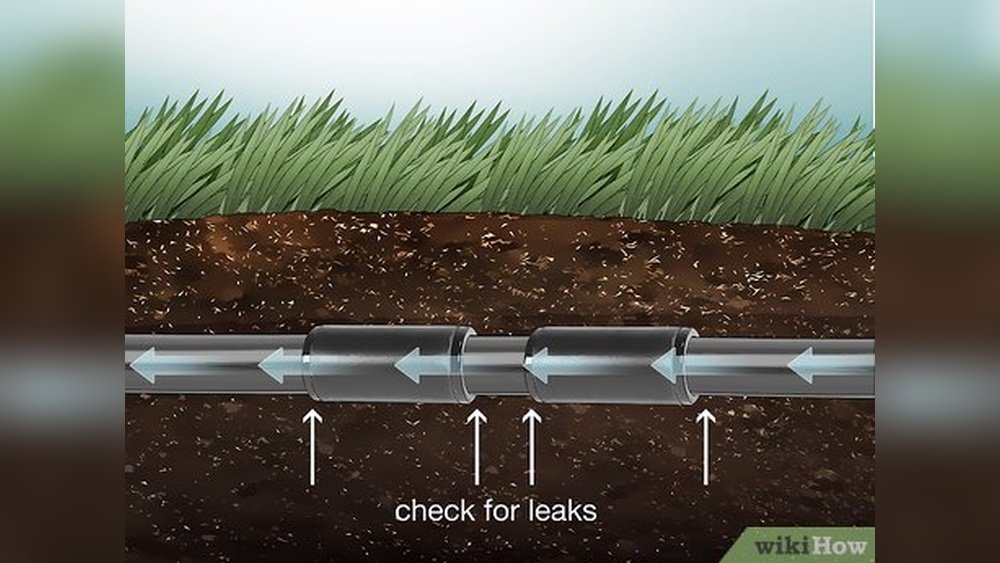
Look carefully along the repaired area for any drips or moisture. Even small drops mean the leak is not fully fixed. Use a dry cloth to wipe the area and see if water appears.
Maintain Your Hose
Regular maintenance can prevent future leaks and extend the life of your hose. Store the hose properly and inspect it regularly for signs of wear and tear. This proactive approach will help you avoid the need to fix a leaky hose frequently.