
Getting rid of an old lawn mower might seem simple—just put it on the curb and wait for trash collection. However, it’s not that easy or safe. Lawn mowers have engines, oil, gas, metal, and plastic parts. Tossing them in the regular garbage can harm the environment, break local laws, and even put you at risk of fines. Knowing the right way to dispose of your old lawn mower is important for your yard, your wallet, and the planet.
This article will help you understand every step of lawn mower disposal—from preparing the mower, choosing the best disposal method, to understanding eco-friendly options and legal requirements. Whether your mower is broken beyond repair or you simply want an upgrade, you’ll learn how to handle it responsibly.
Why Proper Disposal Matters
Throwing away a lawn mower the wrong way can cause problems you might not see at first. Old mowers can leak oil and gasoline into the ground, pollute water, and add dangerous materials to landfills. In some places, you might even face fines for putting machines with fuel or oil in regular trash. Recycling or donating your mower keeps these harmful substances out of nature and helps others who need affordable equipment.
Prepare Your Lawn Mower For Disposal
Before you do anything else, prepare your mower. This step is important for safety and makes recycling or disposal much easier.
1. Drain All Fluids
Remove all gas and oil. These liquids are hazardous and cannot go in regular trash or recycling. Use a siphon pump for gasoline and drain the oil into a container. Many auto shops and recycling centers accept used oil and gas.
2. Disconnect The Spark Plug
This simple step stops the mower from starting by accident while you work on it. Find the spark plug wire and pull it away from the plug.
3. Remove The Battery (for Electric Mowers)
If you have a battery-powered mower, take out the battery. Batteries must be recycled separately because they contain chemicals and metals that are dangerous in landfills.
4. Clean The Mower
Brush off grass, dirt, and debris. A clean mower is safer to handle and more likely to be accepted by recycling centers or donation groups.
5. Check For Leftover Parts
Remove any extra pieces you want to keep, like the grass bag or mulching kit.
Credit: www.troybilt.com
Disposal Options For Old Lawn Mowers
There are several ways to dispose of your mower responsibly. The best choice depends on your mower’s condition and your location.
1. Sell Or Donate A Working Mower
If your mower still runs, consider selling or donating it. Many people look for affordable used equipment.
- Online Marketplaces: Websites like Craigslist, Facebook Marketplace, or eBay are good places to find buyers in your area.
- Local Charities: Some charities, like Habitat for Humanity or Goodwill, might accept working mowers. Always call first to ask.
- Community Groups: Post in local Facebook groups or neighborhood forums.
Donating can help someone in need and keeps the mower out of the landfill.
2. Take It To A Recycling Center
Mowers are mostly made of metal and plastic, which can be recycled. Many recycling centers accept lawn mowers, but you must remove all fluids and batteries first.
- Scrap Metal Yards: These places pay for metal by weight. Even broken mowers have value for their steel and aluminum parts.
- Municipal Recycling Programs: Some cities have special collection days for large items like appliances and lawn equipment.
Always call ahead to check what your local center accepts.
3. Use A Bulk Pickup Service
Some trash companies offer bulk item pickup for large appliances and machinery. You usually need to schedule a pickup and may have to pay a fee.
- Make sure the mower is drained and clean.
- Place it at the curb only on the scheduled day.
This is a simple option if you cannot transport the mower yourself.
4. Trade It In
When buying a new mower, ask if the store offers a trade-in or recycling program. Some retailers will take your old mower when you buy a new one.
- Home improvement stores: Many offer recycling events or trade-in deals.
- Lawn equipment dealers: Some accept old mowers for recycling or parts.
Trading in your mower can save you time and sometimes give you a discount on your new purchase.
5. Junk Removal Services
If you have multiple items to get rid of, a junk removal service can help. They pick up bulky items and recycle or dispose of them properly.
- Look for companies that advertise eco-friendly disposal.
- Prices vary, so call for a quote.
This option is convenient but usually costs more than other methods.
How To Recycle Lawn Mower Parts
If your mower isn’t working and can’t be fixed, break it down and recycle the parts.
Metal Parts
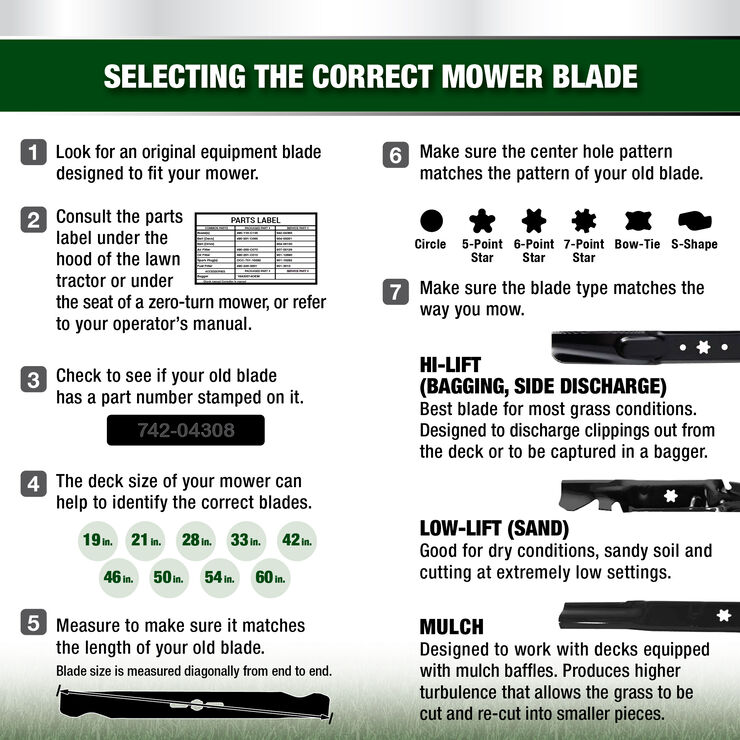
Most mower bodies and blades are made of steel or aluminum, which can be recycled as scrap metal. Remove the blade carefully (wear gloves!) and take it to a metal recycling center.
Plastic Components
Large plastic pieces, like covers or wheels, may be recyclable. Check the recycling numbers on the plastic and ask your local center if they accept them.
Batteries
All types of mower batteries (lead-acid, lithium-ion, nickel-cadmium) should be recycled separately. Many hardware stores and recycling centers accept used batteries.
Oil And Gasoline
Never pour these down a drain or on the ground. Take them to an auto shop, recycling center, or hazardous waste collection event.
Cables And Wiring
Some mowers have copper wiring inside. Copper is valuable and can be recycled at scrap yards.
Comparison: Disposal Methods
To help you decide, here’s a look at common disposal options and what you need to know:
| Disposal Method | Cost | Eco-Friendliness | Convenience |
|---|---|---|---|
| Sell/Donate | Free/May earn money | High | Medium |
| Recycling Center | Usually Free | High | Medium |
| Bulk Pickup | May have fee | Medium | High |
| Trade-In | May get discount | High | High |
| Junk Removal | $$$ | Medium | Very High |
Common Mistakes To Avoid
Many people make simple errors when trying to dispose of a lawn mower. Here are some to watch out for:
- Forgetting to drain fluids: Oil and gas are hazardous. Leaving them in is illegal and dangerous.
- Putting mower in regular trash: Many cities ban lawn mowers from landfills. You could get a fine.
- Not checking local rules: Disposal and recycling rules vary by city and state.
- Leaving batteries inside: Batteries can leak and cause fires in garbage trucks or landfills.
- Dumping in nature: Illegal dumping can hurt wildlife and harm your community.
Legal And Environmental Considerations
Disposing of a lawn mower the wrong way can break local laws and harm the environment.
- Laws: Some states have strict rules for dumping appliances, engines, and hazardous waste. Check your city’s website for guidance.
- Fines: Penalties for illegal dumping or mixing hazardous waste with regular trash can range from $50 to over $1,000.
- Eco-impact: Recycling one lawn mower saves about 90 pounds of metal and keeps chemicals out of landfills.
For more information about environmental rules in your area, check the U.S. Environmental Protection Agency’s official website.
What To Do With A Broken Or Unusable Mower
If your mower is truly beyond repair, take it apart and recycle as many parts as possible. Often, the engine, metal frame, and wheels can be recycled, even if the rest is trash.
Here’s a quick comparison of which mower parts are most recyclable:
| Part | Material | Recycle? |
|---|---|---|
| Engine | Metal | Yes (scrap yard) |
| Blade | Metal | Yes |
| Body | Plastic/Metal | Often |
| Wheels | Plastic/Rubber | Sometimes |
| Battery | Lead/Lithium | Yes (special) |
| Wiring | Copper | Yes |
| Bag | Fabric/Plastic | Rarely |
:strip_icc()/GettyImages-182006563-a138ce6e4f4b491581fa94a5f190b4a5.jpg)
Credit: www.bhg.com
Special Tips For Electric And Gas Mowers
Electric and gas mowers need different handling:
- Electric mowers: Remove and recycle the battery. Some recycling centers may also accept the electric motor.
- Gas mowers: Drain both oil and gasoline fully. Wipe up spills, as even small amounts can contaminate soil and water.
Non-obvious insight: If your mower is a rare brand or very old, some collectors or hobbyists might want it for parts. Posting in online forums can help you find a buyer.
Another insight: Many mower repair shops will take old machines for free. They use them for spare parts, which reduces waste.
Eco-friendly Disposal: Why It Matters
Choosing a green method helps everyone. Recycling reduces mining and energy use. Donating helps your community. Trading in your mower encourages stores to recycle responsibly. Plus, you set a good example for neighbors.

Credit: www.jacksonville.com
Frequently Asked Questions
What Should I Do With Leftover Gasoline From My Lawn Mower?
Take leftover gasoline to a hazardous waste facility or recycling center. Never pour it down the drain, on the ground, or in the regular trash. Many auto shops also accept used gas.
Can I Leave My Old Mower On The Curb For Garbage Pickup?
Usually, you cannot put a mower out with regular trash because of hazardous fluids and batteries. Check with your city’s waste department for bulk pickup rules.
How Do I Know If My Mower Can Be Donated?
If your mower runs safely and isn’t leaking fluids, it’s a good candidate for donation. Call local charities to ask if they accept used lawn equipment.
Are Electric And Gas Mowers Disposed Of The Same Way?
No. Electric mowers require battery removal and recycling. Gas mowers must be drained of oil and fuel. Always check for special disposal instructions for your type.
What Happens If I Just Throw My Mower In The Landfill?
Throwing a mower in the landfill is bad for the environment and often illegal. Fluids and batteries can leak, causing pollution and even fires. It’s safer and smarter to recycle or donate.
Taking the right steps to dispose of your old lawn mower helps your community and the planet. It might take a little extra effort, but you’ll avoid fines, protect nature, and maybe even help someone else keep their lawn green.