
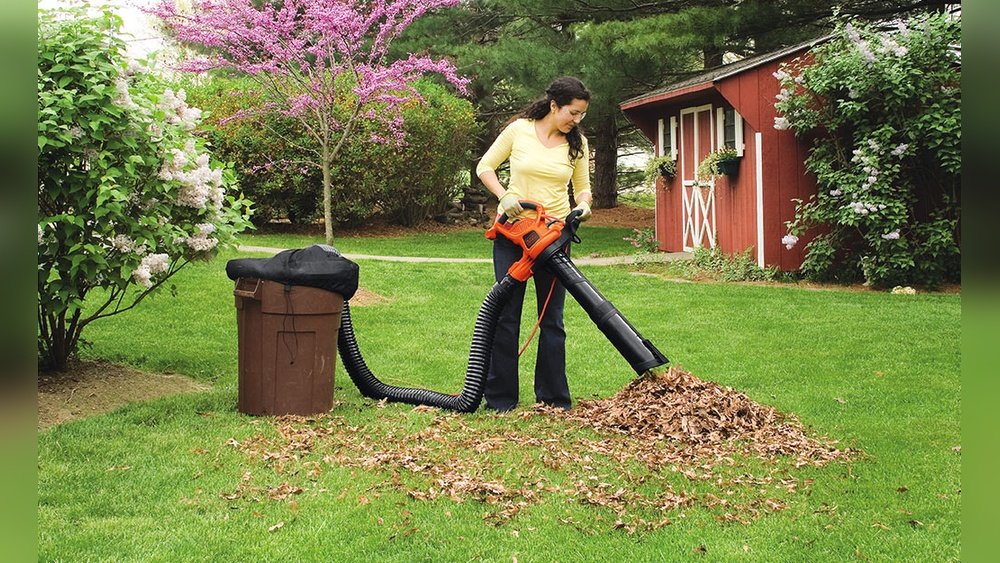
Blowing leaves into neat piles can feel like a battle against wind, weather, and your own patience. But with the right approach, it turns into a quick, satisfying job. Whether you’re cleaning up your yard for fall, preparing for landscaping, or just keeping your property tidy, knowing how to blow leaves efficiently saves you time and effort.
This guide gives you proven strategies, expert tips, and practical techniques to master leaf blowing—no matter your yard size or skill level.
Many people think leaf blowing is simply turning on a blower and chasing leaves around. In reality, smart planning, correct equipment, and proper technique make a huge difference. You’ll learn how to avoid common mistakes, select the best tools, and adapt your methods to the weather and your landscape.
Plus, we’ll cover safety, environmental impact, and ways to make leaf blowing easier for everyone in your household.
Why Blowing Leaves Into Piles Matters
Keeping leaves off your lawn isn’t just about looks. Fallen leaves can block sunlight, trap moisture, and encourage pests. By removing leaves, you:
- Protect your grass and plants from suffocation.
- Reduce mold and fungus risk.
- Prevent slippery walkways and driveways.
- Keep your yard healthy during winter.
For larger properties, efficient leaf blowing is essential. If you don’t manage leaves regularly, they build up fast, making cleanup harder and risking lawn damage. Homeowners, gardeners, and maintenance crews all benefit from mastering this simple but important task.
Choosing The Right Leaf Blower
Your equipment is the first step to efficient leaf blowing. The right leaf blower matches your yard size, leaf volume, and physical ability. There are three main types:
| Type | Power Source | Best For | Average Air Speed (MPH) | Noise Level (dB) |
|---|---|---|---|---|
| Handheld Electric | Plug-in or battery | Small yards, patios | 100–180 | 60–70 |
| Handheld Gas | Gasoline | Medium yards | 150–200 | 70–80 |
| Backpack Gas | Gasoline | Large yards, heavy leaves | 180–240 | 80–90 |
Factors To Consider
- Yard Size: Small yards do fine with electric blowers. Bigger yards need gas-powered or backpack models.
- Leaf Volume: Dense, wet leaves require higher air speed and power.
- Noise Restrictions: Some neighborhoods limit noise. Electric models are quieter.
- Weight: Backpack blowers are heavier but more comfortable for long use.
- Battery Life: If using a cordless model, check run time. Most average 30–60 minutes per charge.
Common Mistake
Many beginners buy the cheapest blower, thinking all are similar. In reality, underpowered blowers can’t handle big jobs, making the task much harder. Spend time comparing specs before buying.
Preparing Your Yard For Leaf Blowing
Before you start, set up your yard for success. Preparation saves you from doubling back and makes the job faster.
Remove Obstacles
Clear toys, garden tools, hoses, and outdoor furniture. Leaves get trapped under these items, forcing you to move them later.
Plan Your Pile Locations
Think about where you want leaf piles. Choose spots away from doors, garages, and neighbors’ yards. Ideal locations:
- Near compost areas
- Close to curb (for city pickup)
- On tarps for easy transport
Check The Weather
Leaf blowing works best on dry, calm days. Wet leaves are heavy and stick together. Windy days scatter leaves, undoing your work.
Pro tip: If leaves are damp, wait for a sunny day. If you must blow wet leaves, use a high-power blower and work slowly.
Safety And Environmental Considerations
Leaf blowers can be noisy and spread dust and debris. Protect yourself and your environment with these steps:
Personal Safety
- Wear eye protection to block dust and small debris.
- Use earplugs or earmuffs—some blowers reach 90 dB, enough to harm hearing.
- Wear gloves to prevent blisters.
Environmental Impact
Gas-powered blowers emit fumes and can disturb wildlife. Electric models are cleaner. Always avoid blowing leaves into streets, drains, or waterways. This causes blockages and pollutes water.
Some cities have leaf blower regulations. Check local rules before you start.
Credit: www.townandcountrytoday.com
Step-by-step: How To Blow Leaves Into Piles Efficiently
Now, let’s break down the process into clear steps. Following these steps helps you move leaves quickly and neatly, with fewer mistakes.
1. Start At The Edges
Begin at the outer edges of your yard and work inward. This prevents leaves from spreading beyond your property and makes it easier to control the pile.
2. Create Wind Rows
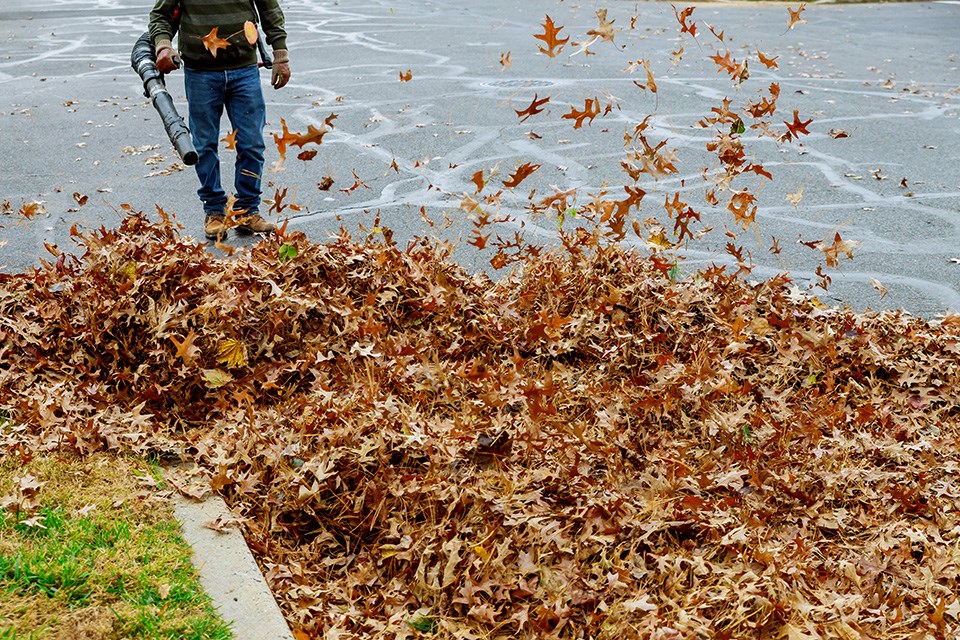
Instead of chasing leaves randomly, blow them into long, narrow rows (“wind rows”). This technique allows you to gather leaves efficiently.
- Blow leaves in straight lines.
- Keep rows about 3 feet wide.
- Combine wind rows into larger piles later.
3. Use Controlled Sweeping Motions
Hold the blower at a slight angle, about 6–12 inches above the ground. Sweep slowly from side to side. Fast, jerky movements scatter leaves and waste energy.
4. Move In Sections
Divide your yard into sections. Finish one area before moving to the next. This approach prevents leaf drift and keeps your piles organized.
5. Build The Piles
Once you have wind rows, push leaves into compact piles. Make each pile about 2–3 feet high. Too big, and the pile collapses; too small, and you spend extra time.
6. Use Tarps For Collection
Lay a tarp next to the pile. Blow or rake leaves onto the tarp for easy transport to compost or curb. This avoids repeated bending and lifting.
7. Repeat And Refine
Continue until all leaves are piled. If leaves scatter, re-blow them into piles. Don’t worry about small stragglers—rake or vacuum them at the end.
Advanced Techniques For Maximum Efficiency
If you want to get the job done faster or tackle large areas, use these expert tricks.
Crosshatch Blowing
Blow leaves first in one direction, then perpendicular. This “crosshatch” method gathers leaves tightly and prevents them from escaping.
Two-person Blowing
Work with a partner. One person blows leaves into wind rows; the other combines rows into piles. This halves the time needed for big yards.
Adjusting Air Speed
Some blowers have variable speed controls. Use high speed for dense, wet leaves and lower speed for dry, light leaves. This saves energy and prevents leaf scatter.
Blowing On Slopes
On hills, always blow leaves downhill. Gravity helps move leaves faster and prevents them from rolling back.
Using Natural Wind
If a light breeze is blowing, work with—not against—it. Blow leaves in the same direction as the wind to make piling easier.
Mistakes To Avoid When Blowing Leaves
Many people waste time or create bigger messes by making simple mistakes. Here are the most common ones and how to fix them.
- Blowing on Windy Days: Strong wind undoes your work and spreads leaves everywhere.
- Chasing Individual Leaves: Focus on groups; ignore single leaves until the end.
- Ignoring Preparation: Skipping cleanup of obstacles leads to missed spots.
- Making Piles Too Large: Big piles collapse and are hard to manage. Stick to manageable sizes.
- Not Checking Regulations: Some cities ban gas blowers or set noise limits. Avoid fines and complaints.
- Blowing Leaves into Streets: This causes drainage problems and is often illegal.
- Skipping Safety Gear: Dust and debris can cause eye injuries and hearing loss.
Comparing Electric Vs Gas Leaf Blowers
If you’re deciding between electric and gas blowers, consider these differences:
| Feature | Electric Blower | Gas Blower |
|---|---|---|
| Power | Moderate | High |
| Noise | Low (60–70 dB) | High (80–90 dB) |
| Weight | Light (5–8 lbs) | Heavy (8–15 lbs) |
| Maintenance | Minimal | Regular (fuel, oil) |
| Run Time | 30–60 mins (battery) | Unlimited (with fuel) |
| Cost | $40–$150 | $100–$300 |
| Environmental Impact | Low | High |
Non-obvious insight: Electric blowers often have instant start and variable speed, making them easier for beginners. Gas blowers are best for big properties but require more upkeep.
Tips For Easier Leaf Blowing
Many people overlook simple tricks that make leaf blowing much smoother.
Use The Right Nozzle
Wide nozzles cover large areas quickly. Narrow nozzles focus air for stubborn or wet leaves. Switch as needed.
Take Breaks
Leaf blowing is noisy and tiring. Rest every 30 minutes to prevent fatigue and hearing damage.
Maintain Your Blower
Clean filters, check fuel, and inspect batteries before each use. Well-maintained blowers work faster and last longer.
Rake For The Finish
After blowing, use a rake to gather leftover leaves. This ensures a clean yard and saves battery or fuel.
Compost Your Leaves
Don’t just throw leaves away. Composting turns them into valuable mulch and fertilizer. Many cities offer leaf collection for compost.
Weather And Seasonal Tips
The season and weather affect leaf blowing results. Here’s how to adapt:
Fall
Most leaves drop in fall. Plan weekly cleanups to avoid heavy piles. Dry leaves blow easily; wet leaves require more power.
Winter
Occasional leaf blowing prevents snow and leaves from trapping moisture. Use a high-power blower for frozen or heavy leaves.
Spring
Early spring brings leftover leaves and new growth. Blow leaves before mowing for a tidy lawn.
Summer
Few leaves fall, but storms can scatter debris. Use a blower to clear paths and patios after heavy rain.
Non-obvious insight: After storms, leaves mix with twigs and branches. Pick up large debris before blowing to prevent clogging your blower.
Making Leaf Blowing Family-friendly
Leaf blowing doesn’t have to be a solo chore. Involve family members for faster results and a fun experience.
- Assign roles: One person blows, another rakes, a third carries leaves.
- Use smaller, lighter blowers for kids or seniors.
- Play music or set a timer to make the job enjoyable.
- Turn leaf piles into a play area before disposal.
Leaf Blowing And Lawn Health
Many people don’t realize that leaf blowing affects more than just appearance. Leaves block sunlight and trap moisture, which can harm your grass.
- Remove leaves regularly to prevent lawn suffocation.
- Too much leaf buildup encourages mold and pests.
- Clean walkways and driveways to prevent slips.
A healthy lawn improves property value and reduces future maintenance. Leaf blowing is a simple way to keep your yard in great shape.
Eco-friendly Alternatives To Leaf Blowing
If you want to reduce environmental impact, consider these options:
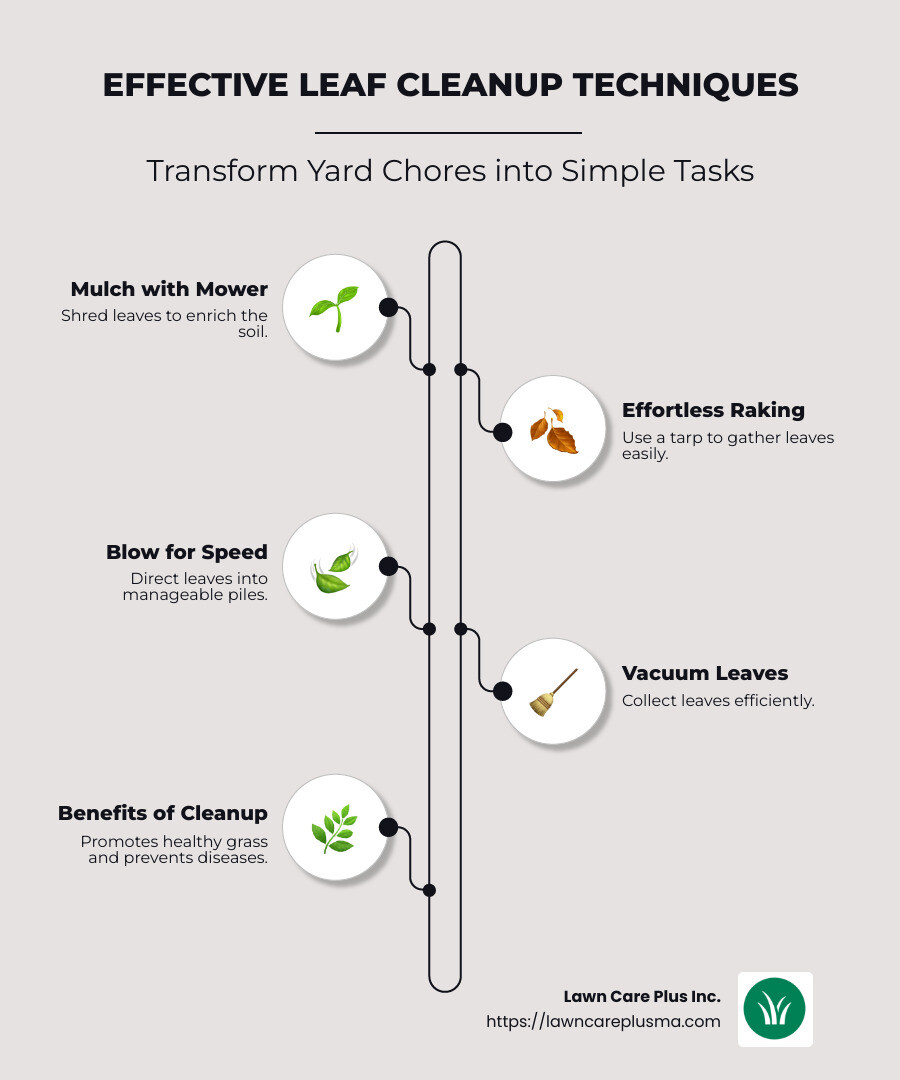
- Manual Raking: Quiet and zero emissions. Good for small yards.
- Mulching Mowers: Chop leaves into fine pieces, returning nutrients to your lawn.
- Leaf Vacuums: Suck up leaves and debris, sometimes with built-in shredders.
- Compost Piles: Turn leaves into mulch for gardens and flower beds.
Pro tip: Use a mulching mower after leaf blowing for a perfect finish.
Statistics And Real-world Examples
Leaf blowing is a common task in the US. According to the National Gardening Association:
- Over 70% of US households use leaf blowers for yard maintenance.
- The average homeowner spends 8–12 hours per year on leaf removal.
- Cities collect millions of tons of leaves each fall for composting.
In one survey, homeowners with large yards reported saving up to 50% time when using wind row techniques and tarps compared to random blowing.
Example: A family in Ohio reduced leaf cleanup time from 3 hours to 1 hour by switching from chasing leaves to controlled wind rows and tarp collection.
Credit: lawncareplusma.com
Leaf Blower Maintenance Checklist
Regular maintenance keeps your blower running smoothly. Here’s a simple checklist:
- Check and clean air filters monthly.
- Inspect and replace spark plugs (gas models) yearly.
- Charge batteries fully before use (electric models).
- Tighten loose screws and check for leaks.
- Clean blower tubes to prevent clogging.
- Store in a dry, cool place.
How To Dispose Of Leaves
Once leaves are in piles, you need to dispose of them safely.
City Pickup
Many cities offer curbside leaf collection. Check schedules and rules for bagging or piling leaves.
Composting
Start a compost pile in your yard. Leaves break down over months, creating rich soil for gardens.
Yard Waste Bags
Use biodegradable bags for leaves. Avoid plastic; it doesn’t break down and can harm the environment.
Drop-off Centers
Some areas have yard waste drop-off sites. Transport leaves on tarps or in bags.

Credit: www.youtube.com
Common Questions About Leaf Blowing
Before you finish, consider these answers to questions many beginners have.
Frequently Asked Questions
How Do I Blow Leaves Without Making A Mess?
Start at the edges, blow leaves into wind rows, and then combine them into piles. Avoid blowing on windy days, and use slow, controlled motions. Finish with a rake for leftover leaves.
Is It Better To Blow Or Rake Leaves?
Blowing is faster for large areas and heavy leaf volume. Raking works well for small yards and quiet cleanup. Many people use both—blow leaves into piles, then rake for final cleanup.
Can I Blow Wet Leaves?
Yes, but it’s harder. Use a high-power blower and move slowly. Wet leaves stick together and require more force. If possible, wait for dry weather.
Are Leaf Blowers Bad For The Environment?
Gas-powered blowers emit fumes and noise. Electric models are quieter and cleaner. Always avoid blowing leaves into streets or drains. Consider mulching or composting as eco-friendly alternatives.
What Safety Gear Should I Use?
Wear eye protection, earplugs, gloves, and sturdy shoes. Avoid loose clothing. If you have allergies or asthma, use a dust mask. Protect children and pets by keeping them away during leaf blowing.
Final Thoughts
Blowing leaves into piles efficiently takes more than just a good leaf blower. Smart planning, proper technique, and a little patience make the job easier and cleaner. Start at the edges, use wind rows, and build manageable piles. Don’t forget to prepare your yard, wear safety gear, and dispose of leaves responsibly.
By following these tips, you’ll keep your lawn healthy, your property tidy, and your cleanup stress-free.
For more information about yard maintenance and leaf blowing regulations, visit Wikipedia. Remember, efficient leaf blowing saves you time, energy, and keeps your yard looking great all year round.