
Creating a vibrant garden filled with pollinators is as simple as choosing the right plants and providing essential resources.
Imagine stepping into your garden and being greeted by the sight of buzzing bees, fluttering butterflies, and darting hummingbirds. These pollinators are not only a delight to observe but also crucial for the health of your garden ecosystem. By learning how to attract pollinators, you'll contribute to the health of the environment and boost your garden's productivity. This comprehensive guide will equip you with practical tips and insights to transform your garden into a pollinator paradise.
Understanding Pollinators
Pollinators are creatures that transfer pollen from one flower to another, facilitating plant reproduction. Common pollinators include bees, butterflies, birds, bats, and beetles. Each plays a unique role in maintaining the biodiversity of ecosystems.
Selecting the Right Plants
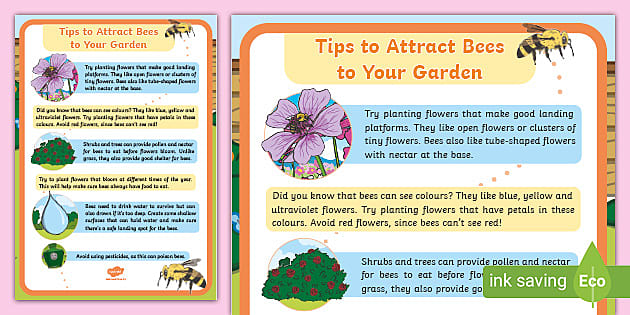
Choosing plants that appeal to local pollinators is fundamental. Here are some tips:
- Native Plants: Opt for native plants that local pollinators are adapted to.
- Flower Variety: Include a mix of flower shapes and sizes to cater to different pollinators.
- Bloom Time: Ensure continuous flowering throughout the seasons by selecting plants with staggered bloom times.
Providing Necessary Resources
Pollinators need more than just flowers. Consider these:
- Water Sources: Provide shallow water dishes with stones for pollinators to land on.
- Shelter: Include shrubs and trees for nesting and protection.
- Pesticide-Free: Avoid using pesticides as they can harm pollinators.
Creating Diverse Habitats
A garden with diverse habitats will attract a variety of pollinators:
- Layered Planting: Incorporate layers with trees, shrubs, and ground covers.
- Wild Areas: Leave some areas wild with native grasses and plants.
- Pollinator Hotels: Install bee hotels and butterfly hibernation boxes.
Personal Insights and Tips
From my own gardening experience, I've learned these valuable lessons:
- Seasonal Planning: Always plan for seasonal flowers; this keeps pollinators visiting all year.
- Experimentation: Don’t hesitate to experiment with different plants.
- Community Involvement: Engage with gardening clubs for shared learning and plant swaps.
Frequently Asked Questions
How can I attract butterflies specifically?
To attract butterflies, plant flowers like milkweed, zinnias, and lantanas. Providing moist sand for them to drink from can also help.
Are there specific flowers that attract bees?
Bees love flowers such as lavender, sunflowers, and borage. Keep a variety of shapes and colors to appeal to different species.
What type of water source is best for pollinators?
A shallow dish filled with water and stones allows pollinators like bees and butterflies to drink without drowning.
Can I attract pollinators in a small balcony garden?
Absolutely! Use containers with diverse flowers and add a small water source. Even small spaces can become pollinator-friendly with the right plants.
How do I keep pollinators safe from pesticides?
Opt for organic gardening practices and use natural pest control methods like neem oil or companion planting to deter pests without harming pollinators.
Conclusion
Inviting pollinators into your garden is an enriching and rewarding endeavor. By carefully selecting plants, creating a welcoming environment, and practicing sustainable gardening, you’ll enjoy a thriving, buzzing oasis. What are you waiting for? Start nurturing a pollinator-friendly space today, and share your experiences in the comments below. Explore more resources or subscribe for additional gardening tips and insights.