
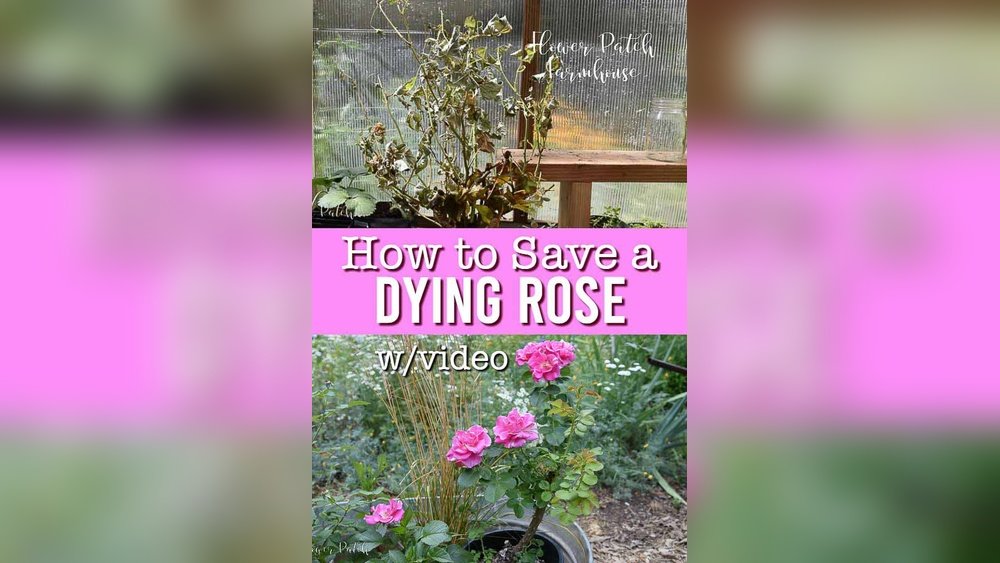
Are you watching your once-vibrant flower bulbs droop and lose their charm? It’s frustrating to see your garden’s beauty fade right before your eyes.
But don’t give up just yet—your wilting bulbs can bounce back with the right care. In this guide, you’ll discover simple, effective steps to revive those struggling bulbs and bring fresh life to your garden. Keep reading, and you’ll soon turn those droopy blooms into thriving, colorful plants that brighten your outdoor space.
Your garden deserves a second chance, and you’re about to give it one!
:max_bytes(150000):strip_icc()/bring-bouquet-back-to-life-lead-getty-0623-b8d5412df7674dd0a8685310d0237685.jpg)
Credit: www.marthastewart.com
Signs Of Wilting Bulbs
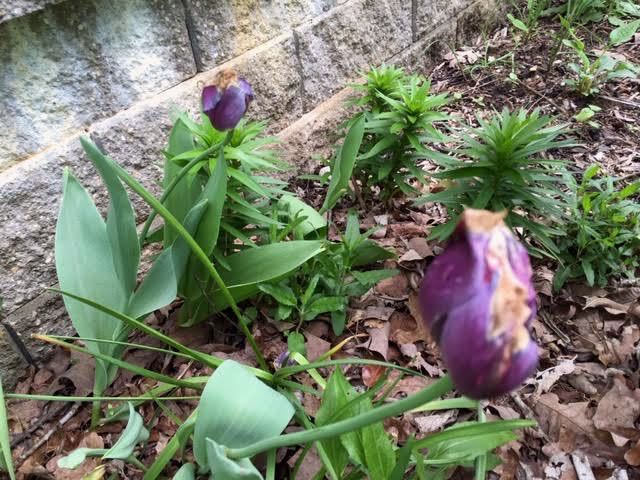
Wilting flower bulbs show clear signs before they fully weaken. Spotting these signs early helps save your plants. Understanding how bulbs behave when stressed is key to quick action.
Wilting bulbs lose their strength and look tired. Leaves droop, colors fade, and growth slows. Recognizing these signs can prevent permanent damage.
Common Symptoms
Leaves turning yellow or brown is a common symptom. Stems may become soft and bend easily. Bulbs might look shriveled or dry at the base. Flowers fail to open or drop early. Soil around the bulbs feels very dry or soggy. These symptoms often appear together, signaling stress.
Causes Of Wilting
Poor watering habits often cause wilting. Too much water drowns the roots and blocks oxygen. Too little water dries out the bulbs quickly. Soil that does not drain well traps water and harms roots. Pests and diseases attack bulbs, making them weak. Extreme heat or cold shocks bulbs and stops growth. Recognizing causes helps choose the right fix fast.
Immediate Care Steps
When flower bulbs start wilting, immediate care can save them. Act quickly to give your bulbs the best chance to recover. Focus on proper watering and removing dead parts. These steps help revive the bulbs and boost their strength.
Watering Techniques
Water the soil gently around the bulbs. Avoid pouring water directly on the bulbs to prevent rot. Use a watering can with a narrow spout for control. Check if the soil feels dry before watering again. Overwatering can harm bulbs just as much as underwatering. Keep the soil moist but not soggy.
Pruning Dead Parts
Cut off any dead or yellow leaves carefully. Use clean scissors or pruning shears to avoid infection. Removing dead parts helps the plant focus energy on new growth. Dispose of the cuttings away from your garden. This prevents spreading disease to healthy plants.
Soil And Drainage Tips
Soil and drainage play a key role in reviving wilting flower bulbs. Healthy soil feeds bulbs with nutrients and water. Proper drainage prevents water buildup that harms roots. Improving these factors creates a better environment for bulbs to recover and grow strong again.
Improving Soil Quality
Start by testing your soil’s texture and nutrients. Add organic matter like compost to enrich it. This boosts nutrient levels and helps soil hold moisture. Avoid heavy clay soil that traps water around bulbs. Loosen the soil to improve air flow and root growth. Balanced soil encourages bulbs to absorb water and nutrients well.
Ensuring Proper Drainage
Check if water pools around your bulbs after rain. Standing water causes root rot and wilting. Add sand or small gravel to sandy soil to improve drainage. Create raised beds or mounds for bulbs in low spots. Use pots with drainage holes for container gardening. Good drainage keeps roots healthy and prevents wilting.
Using Nutrients And Supplements
Using nutrients and supplements is essential for reviving wilting flower bulbs. Proper nourishment supports root health and boosts plant recovery. Nutrients feed the soil and improve bulb strength. Supplements can provide missing minerals to restore vitality quickly. Understanding the right types and application methods ensures healthy growth. Focus on balanced feeding to avoid overdoing it. Healthy bulbs produce vibrant flowers and resist stress better.
Benefits Of Epsom Salt
Epsom salt is a great supplement for flower bulbs. It contains magnesium and sulfur, two vital minerals for plants. Magnesium helps in photosynthesis and strengthens cell walls. Sulfur aids in protein formation and overall growth. Applying Epsom salt can improve nutrient uptake in poor soils. It also helps bulbs recover from stress and promotes greener leaves. Use it by dissolving in water and watering bulbs gently. Epsom salt does not harm plants when used properly.
Applying Fertilizers Correctly
Correct fertilizer use revives wilting flower bulbs effectively. Choose a balanced fertilizer with nitrogen, phosphorus, and potassium. Nitrogen supports leaf growth, phosphorus boosts roots and blooms, potassium improves disease resistance. Apply fertilizer in early spring or after watering bulbs. Avoid over-fertilizing, as it can burn roots and worsen wilting. Use slow-release fertilizers for steady nutrient supply. Always follow package instructions for amounts and frequency. Water bulbs well after fertilizing to help nutrient absorption.
Handling Root Issues
Wilting flower bulbs often suffer from root problems that block growth. Healthy roots absorb water and nutrients. Fixing root issues can save your bulbs and bring them back to life.
Start with a careful check of the roots. Remove any parts that are damaged or dead. This helps the bulb focus its energy on strong, healthy roots.
Root Inspection And Trimming
Gently dig up the bulb and remove soil around the roots. Look for dark, mushy, or slimy roots. These signs mean root rot or damage. Use clean scissors to cut off bad roots. Keep only firm, white roots. This step stops disease from spreading and helps the bulb heal faster.
Hydrogen Peroxide Root Soak
Hydrogen peroxide kills harmful bacteria and fungi on roots. Mix one part 3% hydrogen peroxide with four parts water. Soak the trimmed roots in this solution for 15 minutes. This treatment cleans roots and prevents infection. After soaking, rinse roots with clean water. Let the bulb dry before planting again. This simple step can boost root health and revive your wilting bulbs.
:max_bytes(150000):strip_icc()/GettyImages-2160441953-8d2ac461e0694bc883f0e0aee0a120a6.jpg)
Credit: www.thespruce.com
Environmental Adjustments
Environmental factors play a big role in the health of flower bulbs. Adjusting these factors can help bring wilting bulbs back to life. Proper light, temperature, and humidity create the best conditions for recovery. Understanding and applying these adjustments supports strong growth and vibrant blooms.
Ideal Light Conditions
Flower bulbs need the right amount of light to recover. Too much direct sun can dry them out quickly. Place bulbs where they get bright, indirect light instead. Morning sunlight is gentle and beneficial for most bulbs. Avoid harsh afternoon rays that cause stress and wilting. Balanced light helps bulbs regain strength and promotes healthy growth.
Temperature And Humidity Control
Temperature affects how well flower bulbs revive. Keep the garden area cool but not cold, ideally between 60-70°F (15-21°C). Sudden temperature changes can shock bulbs and slow recovery. Humidity also matters. Dry air can cause bulbs to lose moisture fast. Increase humidity by misting plants or placing a shallow tray of water nearby. Stable temperature and moderate humidity support healing and prevent further wilting.
Reviving Techniques
Reviving wilting flower bulbs requires careful attention and specific techniques. These methods help restore moisture and vitality to tired bulbs. Acting quickly can save your plants and encourage healthy growth. Below are two practical techniques you can try at home.
Submerging Bulbs In Water
Fill a container with lukewarm water. Place the wilting bulbs in the water, making sure only the bulb base is submerged. Avoid soaking the entire bulb to prevent rot. Leave them in water for 12 to 24 hours. This helps rehydrate the bulbs slowly and deeply. After soaking, plant the bulbs back into well-drained soil. Water lightly and watch for new growth within days.
Upside Down Method
Gently remove the bulbs from the soil. Hold the bulbs upside down by the roots. This position allows excess water to drain out. Let the bulbs air dry for a few hours in a shaded area. This method reduces moisture buildup and prevents fungal infections. After drying, plant the bulbs right side up in fresh soil. Water sparingly until you see signs of recovery.
Preventing Future Wilting
Preventing wilting in flower bulbs starts with good care habits. Healthy bulbs resist stress better. Watch your garden often to catch problems early. Proper steps can keep your bulbs strong and blooming season after season.
Regular Maintenance Tips
Check soil moisture regularly. Bulbs need consistent watering but not soggy soil. Remove dead leaves and flowers to help plants focus energy on growth. Mulch around bulbs to keep soil cool and moist. Fertilize lightly in early spring with balanced plant food. Rotate bulb locations yearly to avoid soil depletion. Keep garden beds free from weeds that steal nutrients.
Pest And Disease Management
Inspect bulbs and leaves for pests like aphids or mites. Use gentle insecticidal soap if pests appear. Remove any infected plants quickly to stop spread. Avoid overhead watering to reduce fungal diseases. Improve air flow between plants by spacing bulbs properly. Clean tools before use to prevent disease transfer. Healthy plants resist pests and recover faster.
Credit: www.gardeningcharlotte.com
Frequently Asked Questions
Can You Reverse Flower Wilting?
Yes, you can reverse flower wilting by providing fresh water, trimming stems, and placing flowers in a cool environment.
Does Hydrogen Peroxide Help Dying Plants?
Hydrogen peroxide can help revive dying plants by killing root pathogens and improving oxygen levels. Use a diluted root soak.
Can Flowers Come Back To Life After Wilting A Bit?
Yes, flowers can recover after slight wilting. Provide fresh water, trim stems, and keep them cool to revive blooms quickly.
Can Epsom Salt Revive A Dying Plant?
Epsom salt can improve plant health by providing magnesium and sulfur. It helps revitalized established plants but won’t revive severely dying ones. Use it as a supplement, not a cure, alongside proper watering and care for best results.
Conclusion
Reviving wilting flower bulbs takes patience and simple care steps. Check bulbs for damage and trim dead parts. Water them carefully and provide good sunlight. Use well-draining soil to avoid root rot. Regularly remove weeds around bulbs to reduce competition.
Watch for pests and treat early to protect plants. Small changes in care bring bulbs back to life. Keep observing and adjusting your garden routine. Healthy bulbs mean brighter flowers and a happier garden. Start today and enjoy your blooming garden soon.