
Are you ready to turn your seeds into thriving plants but unsure how to give them the best start? Keeping your seeds moist is one of the simplest yet most crucial steps to ensure they sprout strong and healthy.
If the soil dries out or gets too soggy, your seeds might never grow at all. But don’t worry—you don’t need fancy equipment or complicated tricks. You’ll discover easy, effective methods to maintain the perfect moisture level for your seeds.
By mastering this, you’ll watch your garden come to life faster and with greater success. Keep reading to learn how to keep your seeds moist and boost your germination results every time!
Credit: plantin.alibaba.com
Seed Moisture Basics
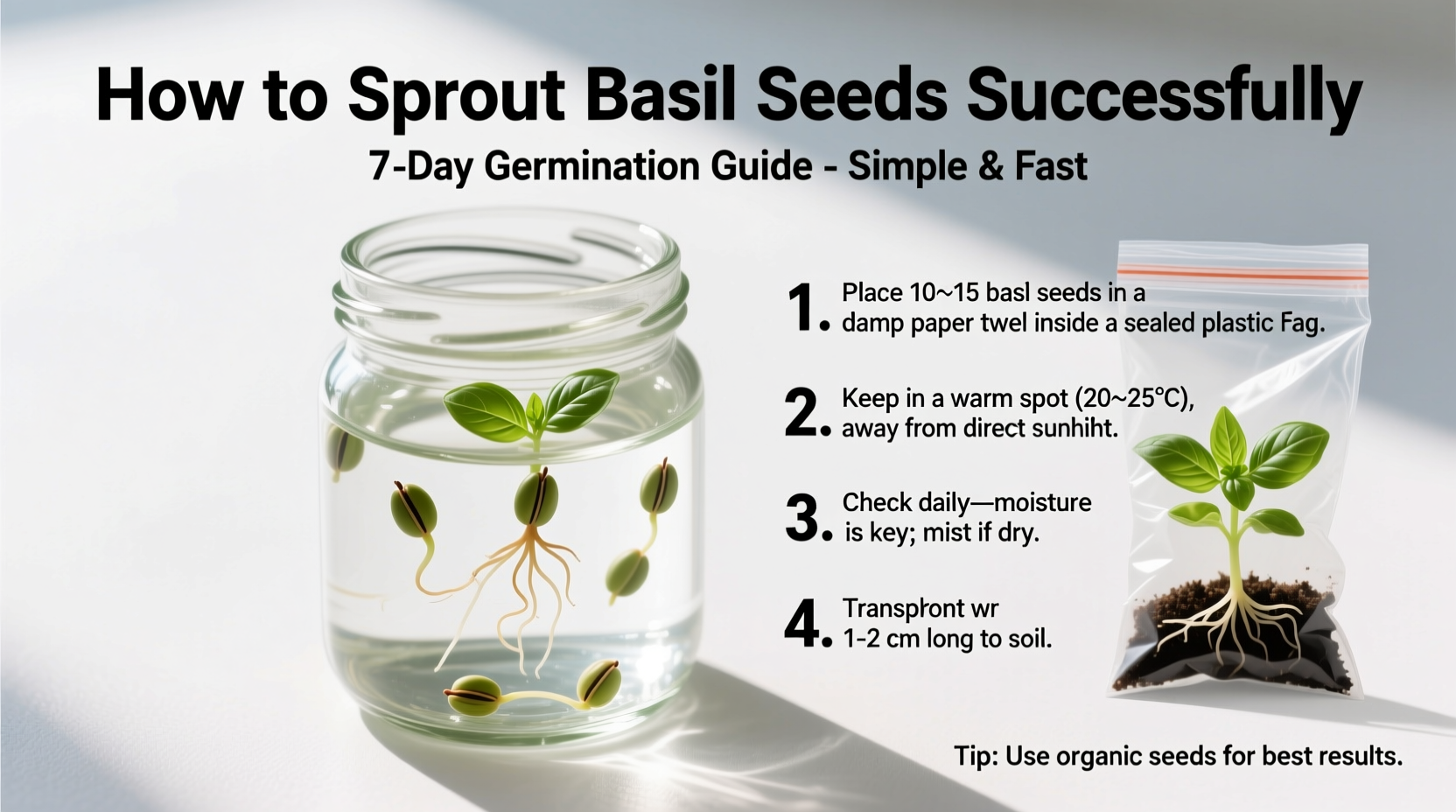
Understanding seed moisture basics is key to successful germination. Seeds need the right amount of moisture to start growing. Too little water, and they dry out. Too much water, and they may rot. Keeping seeds moist creates the perfect environment for them to sprout strong and healthy.
Why Moisture Matters
Moisture activates the seed’s growth process. It softens the seed coat, allowing roots to break through. Without enough moisture, seeds stay dormant and do not sprout. Proper moisture also helps seeds absorb oxygen, which they need to grow. Moisture balance supports healthy root and shoot development early on.
Ideal Moisture Levels
Soil or growing medium should feel damp but not soaked. It should not drip water or feel soggy. Seeds need a moist, spongy environment to absorb water slowly. Check moisture daily by touching the soil surface. If it feels dry, water gently to keep it moist. Avoid overwatering, which can drown seeds.
Common Moisture Mistakes
One common mistake is letting soil dry out completely. This stops seed growth and can kill them. Another error is overwatering, causing mold or seed rot. Using heavy soil that holds too much water can harm seeds. Covering seeds without ventilation traps too much moisture and causes problems. Balance and careful observation help avoid these issues.
Credit: www.greenviewfertilizer.com
Watering Techniques
Watering is key to keeping seeds moist for germination. Using the right watering techniques helps seeds absorb enough water without drowning. Proper watering creates a balanced environment, supporting seed growth from the start. Below are simple tips to water seeds effectively and boost their chances of sprouting.
Gentle Watering Methods
Use a spray bottle or a watering can with a fine rose. This spreads water softly and evenly over the soil. Avoid strong water streams that can wash away seeds or damage delicate sprouts. Misting keeps the surface damp without flooding. Gentle watering helps maintain soil structure and moisture levels.
Frequency Of Watering
Check soil moisture daily. Water lightly whenever the surface feels dry to the touch. Seeds need consistent moisture to start growing. Do not let the soil dry out completely. Watering once or twice a day may be needed in warm or dry conditions. Adjust frequency based on temperature and soil type.
Avoiding Overwatering
Too much water causes seed rot and poor air circulation. Keep the soil moist, not soggy. Use containers with drainage holes to prevent water buildup. After watering, excess water should drain freely. Overwatering slows germination and can kill seeds. Proper watering balance is critical for success.
Humidity Control
Humidity control is vital for seed germination. Seeds need consistent moisture to sprout properly. Too little humidity dries seeds out. Too much causes mold or rot. Finding the right balance helps seeds grow strong. Simple tools can help keep humidity steady. These methods protect seeds and speed up germination.
Using Covers And Domes
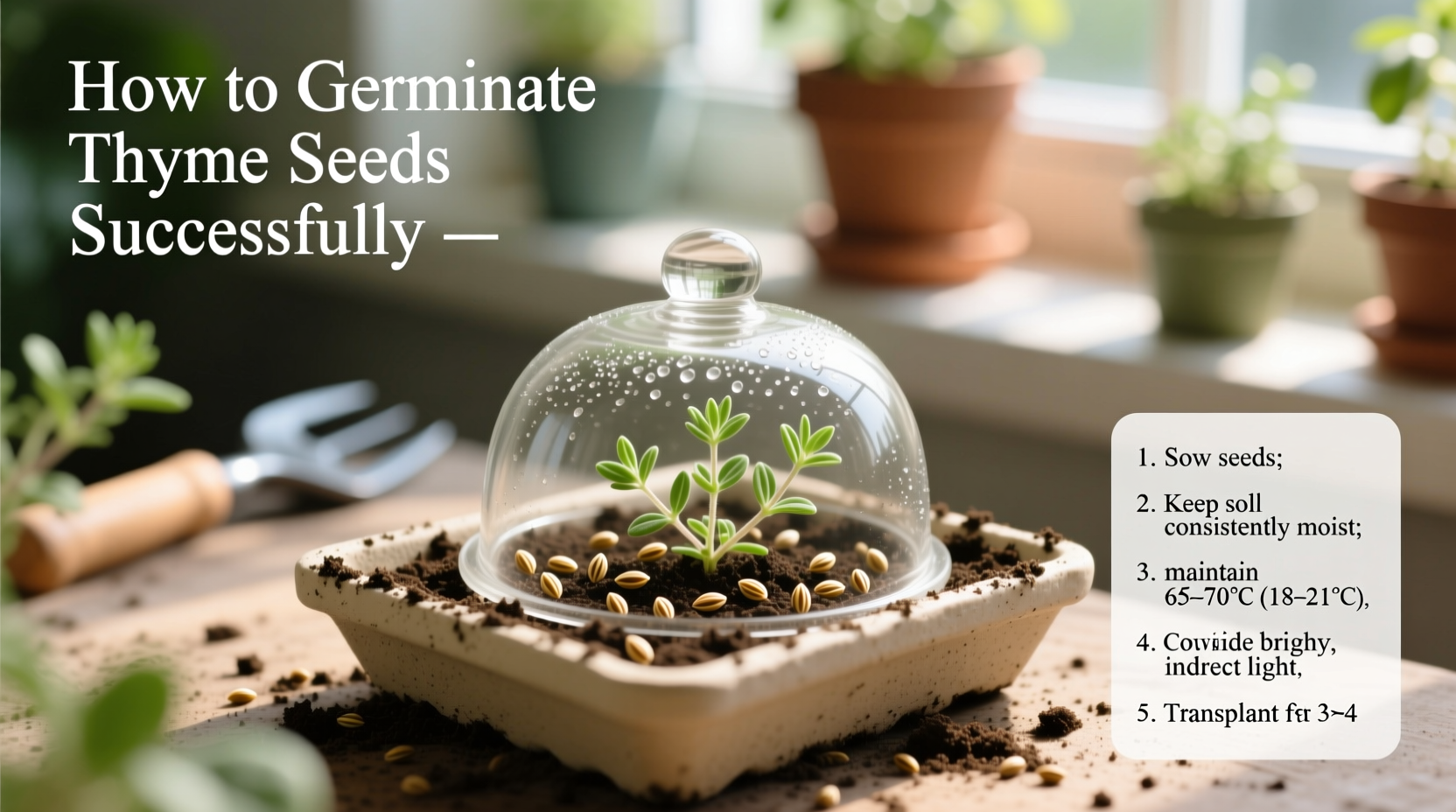
Covers and domes trap moisture around seeds. Clear plastic lids or domes create a warm, humid space. This prevents the soil surface from drying. Use transparent covers to watch seed progress. Remove covers daily to let fresh air in. Covers help maintain a gentle, moist environment.
Creating Mini Greenhouses
Mini greenhouses raise humidity and temperature. Use clear containers or plastic boxes over seed trays. This setup keeps moisture locked in the soil. Place greenhouses in a warm spot away from direct sun. Mini greenhouses offer a controlled space for seeds to thrive. They improve germination rates by stabilizing humidity.
Maintaining Airflow
Airflow prevents mold and fungal growth. Open covers or vents slightly to allow fresh air. Avoid sealing seeds in airtight containers. Good airflow balances humidity without drying seeds out. It reduces excess moisture that harms seedlings. Keep air moving gently around your seed trays for best results.
Temperature And Moisture
Temperature and moisture play a crucial role in seed germination. Seeds need warmth to activate growth and moisture to soften their coat. Without the right temperature, seeds may take longer to sprout or fail to germinate. Moisture keeps the seed coat soft and helps the embryo inside swell and break through. Balancing these two factors ensures a higher success rate for your seeds.
Warm Spots For Germination
Finding a warm spot in your home helps seeds sprout faster. Kitchen counters near appliances can be a good option. The top of the refrigerator offers steady warmth from the motor. A sunny windowsill can work if it stays warm enough day and night. Avoid cold drafts or places where temperature changes a lot.
Alternatives To Heat Mats
Heat mats are common but not the only way to warm seeds. Using the top of a refrigerator or freezer provides gentle warmth. Placing trays near heating vents gives a consistent heat source. You can also use the heat from a computer router or modem. These alternatives help save money and use household heat effectively.
Diy Heat Sources
Create a mini greenhouse with a clear plastic lid or container. This traps warmth and moisture around the seeds. An electric blanket set on low can warm seed trays gently. Another option is an insulated box with an incandescent bulb inside. These DIY methods keep seeds warm and moist for better germination.
Soil And Medium Choices
Choosing the right soil or medium is key for keeping seeds moist and helping them sprout. The soil holds water and air, two things seeds need to grow strong roots. Using the best soil or medium type can keep moisture steady without drowning seeds. Good soil also allows seeds to breathe while staying damp enough to start growing.
Different soils and mixes work better for different seed types. Some soils hold water longer, while others drain quickly. Knowing what soil or medium fits your seeds helps keep moisture balanced and boosts germination success. Here are some top choices for soil and mediums that keep seeds moist.
Best Soil Types For Moisture Retention
Loamy soil is a great choice. It holds moisture well without getting soggy. This soil has a mix of sand, silt, and clay. It drains excess water but keeps enough moisture near the seeds.
Peat-based soils also hold moisture for a long time. Peat moss traps water and releases it slowly. This helps keep the seed’s roots damp but not wet. Avoid heavy clay soils, which can hold too much water and cause seeds to rot.
Seed Starting Mixes
Seed starting mixes are light and fluffy. They allow air and water to move freely. These mixes often contain peat moss, vermiculite, and perlite. They hold moisture evenly and provide good drainage.
These mixes work well for tiny seeds that need gentle care. They reduce the chance of soil crusting, which can block seed growth. Using a seed starting mix helps maintain the right moisture level for fast germination.
Using Moisture-retentive Materials
Materials like vermiculite and coconut coir keep moisture longer than regular soil. Vermiculite holds water and air, helping roots get oxygen. Coconut coir absorbs water and slowly releases it to seeds.
Mixing these materials with soil or using them alone creates a soft, moist bed for seeds. They prevent soil from drying out quickly and keep seeds wet enough to sprout. These moisture-retentive materials make seed care easier and more effective.
Credit: plantin.alibaba.com
Monitoring Moisture Levels
Monitoring moisture levels is essential for seed germination success. Seeds need consistent dampness without being soaked. Too much water can cause rot, while too little stops growth. Checking moisture helps maintain the right balance. It also prevents wasting water and protects seeds from damage. Understanding moisture needs keeps seeds healthy and ready to sprout.
Tools For Checking Moisture
Several tools help track soil moisture easily. A moisture meter is a handy device. It measures water content directly in the soil. Insert the probe into the seedbed for a quick reading. Another option is a simple wooden stick or skewer. Push it into the soil, then pull it out. If the stick feels wet or sticky, moisture is good. Dry sticks mean it’s time to water. These tools save guesswork and improve care.
Visual And Tactile Signs
Look for signs that show if soil is moist enough. Soil that is dark and rich usually has enough water. It should feel cool to the touch. Light-colored or cracked soil means dryness. Touch the surface gently with your finger. It should feel damp, not soggy or dusty. Avoid standing water or muddy patches. Seedlings grow best in soil that holds moisture but drains well.
Adjusting Care Based On Seed Type
Different seeds need different moisture levels. Some seeds prefer very moist soil to start. Others need only light moisture to avoid rotting. Research the specific seed type before planting. Adjust watering schedules based on their needs. For example, lettuce seeds need constant moisture. Beans require less water at first. Tailoring care increases germination rates and plant health.
After Germination Care
After seeds sprout, caring for young seedlings is key to healthy plants. This stage requires careful attention to moisture and air circulation. Proper after germination care helps seedlings grow strong and resist diseases. Follow these steps to ensure your seedlings thrive.
Reducing Moisture Gradually
Keep the soil moist but not soggy after germination. Gradually reduce watering frequency to avoid overwatering. This helps seedlings develop strong roots and prevents mold growth. Let the top soil dry slightly before watering again. Avoid drenching the soil, which can harm young plants.
Removing Covers
Seedlings need fresh air to grow healthy. Remove plastic covers or lids slowly to expose seedlings to open air. Start by lifting the cover for a few hours daily. Increase the time gradually over several days. This process hardens seedlings and prevents excess moisture buildup.
Preventing Seedling Damping-off
Damping-off is a fungal disease that kills seedlings. Avoid overwatering and keep good air circulation around plants. Use clean containers and fresh soil to reduce fungal spores. Water seedlings at the base, not on leaves. Remove any weak or dying seedlings immediately to protect others.
Frequently Asked Questions
How To Keep Seeds Moist While Germinating?
Keep seeds moist by covering them with plastic wrap or a dome to trap humidity. Water soil lightly daily, avoiding overwatering. Use a spray bottle to mist soil gently. Maintain consistent dampness without sogginess for optimal germination. Remove covers once seeds sprout to prevent mold.
What Can I Use Instead Of A Heat Mat For Seeds?
Use warm spots like the top of a refrigerator, heat vents, or a sunny windowsill. DIY mini-greenhouses with clear lids also work well. Electric blankets on low or an insulated box with a light bulb can provide gentle heat. These alternatives help maintain warmth and humidity for seed germination.
Is October Too Late To Put Down Grass Seed?
October can be late for grass seed but still possible in mild climates. Use cool-season grass for better results. Keep soil moist and avoid frost damage. Plant early October for best germination.
What Can I Add To My Soil To Retain Moisture?
Add organic matter like compost, peat moss, or coconut coir to soil. Mulch with straw or wood chips to retain moisture effectively.
Conclusion
Keeping seeds moist is key to healthy germination and strong seedlings. Use gentle watering to keep soil damp, not soaked. Covering seed trays helps trap moisture and warmth. Check soil daily and water when it feels dry. Avoid letting soil dry out completely or become waterlogged.
Small steps like these improve seed sprouting success. Stay patient and consistent with moisture care. Your efforts will lead to thriving plants in no time.