
Spring is the perfect time to give your lawn a fresh start, but pesky weeds can quickly take over if you don’t act fast. If you want a lush, green lawn that stands out this season, knowing how to apply weed control correctly is key.
In this guide, you’ll learn simple, effective steps to stop weeds before they ruin your yard. Whether you’re dealing with stubborn crabgrass or early sprouts, following the right timing and methods will save you time and effort later. Ready to take control and enjoy a weed-free lawn all spring long?
Let’s dive in.
Spring Lawn Preparation
Preparing your lawn in spring sets the stage for effective weed control. Taking time to ready your grass and soil helps herbicides work better. A well-prepared lawn also grows stronger and resists weeds naturally. Follow simple steps to clear and refresh your lawn before applying any weed treatments.
Clear Debris And Thatch
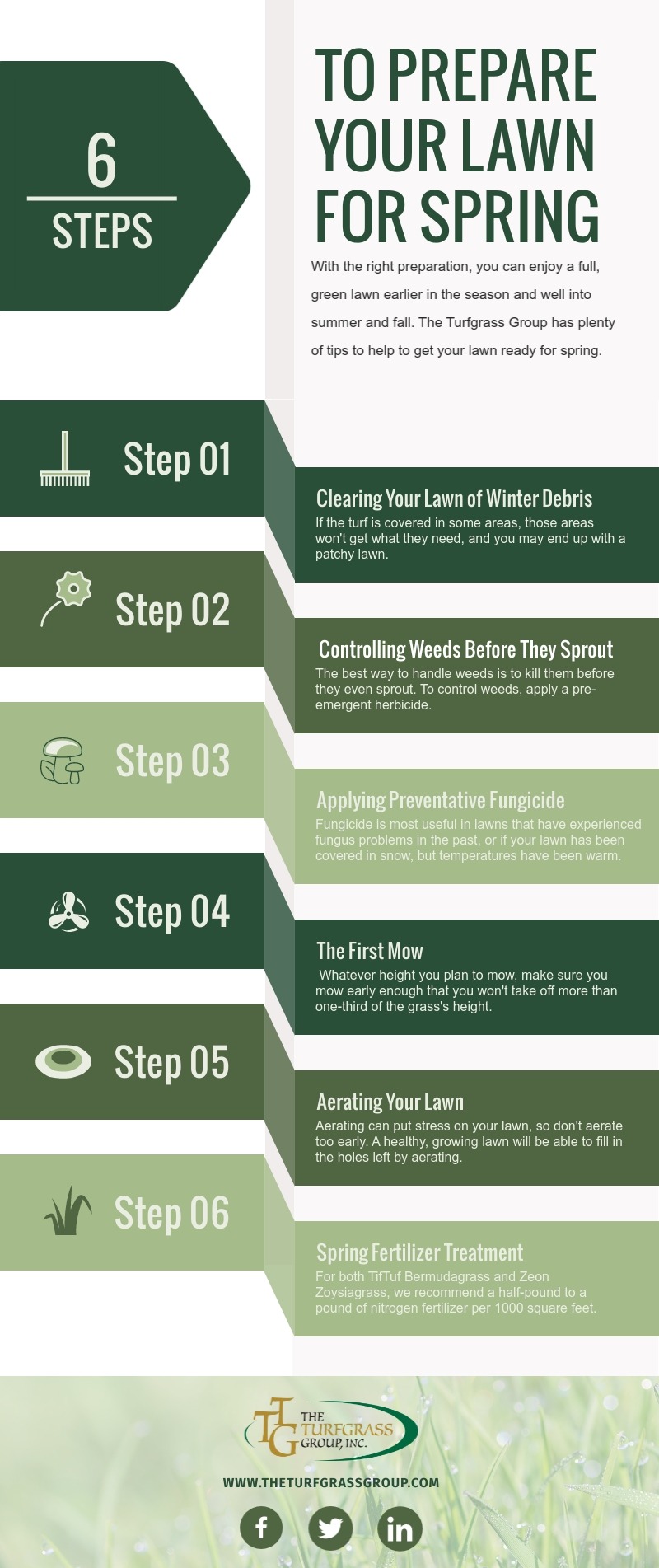
Start by removing leaves, sticks, and dead grass from the lawn surface. Debris blocks sunlight and traps moisture, creating a perfect spot for weeds. Thatch is a layer of dead grass and roots that builds up over time. Excessive thatch stops water and nutrients from reaching the soil. Use a rake or leaf blower to clear debris and thin out thatch. This cleanup helps your lawn breathe and absorb weed control products better.
Rake To Loosen Soil
After clearing debris, rake the soil lightly to break up compacted areas. Loosening the soil improves air and water flow to grass roots. This step also helps pre-emergent herbicides stick to the soil surface. Use a garden rake with metal tines for best results. Be gentle to avoid damaging healthy grass. Raking prepares the soil to absorb weed control treatments evenly and encourages new grass growth.
Choosing The Right Herbicide
Choosing the right herbicide is key to effective weed control in spring. Different herbicides target various types of weeds and growth stages. Selecting the proper product protects your lawn and stops weeds early. Understanding the difference between pre-emergent and post-emergent herbicides helps you decide when and how to apply them.
Pre-emergent Herbicides For Prevention
Pre-emergent herbicides stop weed seeds from sprouting. They create a barrier in the soil that blocks weed growth. Apply these herbicides early in spring before weeds appear. Timing matters because they do not kill existing weeds. Water the lawn after application to activate the product. This approach prevents common spring weeds like crabgrass and foxtail.
Post-emergent Herbicides For Existing Weeds
Post-emergent herbicides kill weeds that are already growing. Use them after you see weeds in your lawn. They work by targeting the leaves and roots of unwanted plants. Spot-treat areas with weeds to avoid harming your grass. Apply on calm days to prevent drift onto desirable plants. Repeat treatments may be necessary for stubborn weeds.
Timing Your Weed Control
Proper timing is key for effective weed control in spring. Applying weed control products at the right moment stops weeds before they take hold. Early spring offers the best chance to prevent weed growth and protect your lawn’s health. Understanding soil temperature and lawn activities helps you plan your treatment.
Ideal Soil Temperatures
Soil temperature guides the perfect timing for weed control. Most weeds start growing when soil warms to 55°F. Use a soil thermometer to check this temperature. Applying pre-emergent herbicides before weeds sprout is most effective. Treating too early or late reduces the product’s power. Aim for consistent soil temperatures in the 55-65°F range for best results.
Avoiding Overseeding Conflicts
Overseeding improves lawn density but can clash with weed control products. Pre-emergent herbicides block seed germination, affecting new grass seeds. Avoid applying these products if you plan to overseed. Wait until your new grass has grown strong before using weed control chemicals. This protects both your grass and prevents weeds from taking over.

Credit: www.domyown.com
Application Tips
Applying weed control correctly in spring ensures a healthier lawn all season. Careful application boosts herbicide effectiveness and protects your grass. Follow these simple tips for the best results.
Applying On Dry Soil
Always apply weed control on dry soil. Wet soil can cause the herbicide to run off. This reduces its ability to reach weed seeds. Make sure the ground is dry for better absorption. Avoid watering before applying the product.
Watering To Activate Herbicides
After applying herbicides, water your lawn gently. This helps activate the chemicals in the soil. Use about half an inch of water for best results. Avoid heavy watering that causes runoff. Proper watering improves weed control and lawn health.
Spot Treatment Strategies
Spot treatment is a smart way to control weeds without harming your whole lawn. It targets small weed patches directly. This saves time and reduces chemical use. Spot treatment works best when you find weeds early. It helps keep your grass healthy and green.
Identifying Problem Areas
Walk through your lawn and look closely for weeds. Check places where grass looks thin or damaged. Weeds often grow in bare spots or near edges. Mark these areas with flags or sticks. Early detection stops weeds from spreading fast. Focus on common spring weeds like dandelions and clover.
Safe Use Of Spot Sprays
Use spot sprays carefully to protect your lawn and plants. Follow the label instructions exactly. Wear gloves and avoid spraying on windy days. Spray only on the weeds, not on healthy grass. Keep children and pets away until the spray dries. Rinse your spray equipment after use to avoid contamination.

Credit: www.gertens.com
Post-application Lawn Care
After applying weed control to your lawn in spring, proper care is essential. Post-application lawn care helps the herbicide work effectively and supports healthy grass growth. This phase involves watching the lawn closely and making small changes to watering and mowing habits.
Monitoring Weed Growth
Check your lawn regularly for new weed growth. Some weeds may still appear after treatment. Spot-treat these with a targeted herbicide. Early removal prevents weeds from spreading. Keep track of areas with persistent weeds. This helps decide if another treatment is needed.
Adjusting Watering And Mowing
Water your lawn carefully after applying weed control. Avoid heavy watering for at least 24 hours to let the herbicide settle. After that, water deeply but less often to encourage strong roots. Mow your lawn only when the grass is dry. Set mower blades high to avoid stressing the grass. Proper watering and mowing help your lawn recover and stay healthy.
Credit: theturfgrassgroup.com
Frequently Asked Questions
What To Put On A Lawn In Spring To Kill Weeds?
Apply a pre-emergent herbicide early in spring to prevent weed seeds from germinating. Rake lawn debris first. Use post-emergent herbicides for existing weeds. Water the lawn after application to activate the product. Avoid applying pre-emergents if overseeding your lawn.
When To Put Weed Killer On Lawn In Spring?
Apply weed killer in early spring, between mid-April and mid-May, when soil temperatures reach 55°F. Use pre-emergent herbicides to prevent weed seeds from germinating. For existing weeds, apply post-emergent herbicides after weeds appear. Apply on dry soil for best absorption and effectiveness.
What Is The First Thing You Put On Your Lawn In The Spring?
The first thing to put on your lawn in spring is a pre-emergent herbicide. It prevents weed seeds from germinating. Apply it early when soil temperatures reach about 50-55°F. Rake and clear debris before application. Water the lawn afterward to activate the herbicide effectively.
Is It Better To Use Weed Killer When The Ground Is Wet Or Dry?
It is better to apply weed killer when the ground is dry. Dry soil reduces herbicide loss and improves effectiveness. Avoid spraying on wet soil to prevent dilution and runoff. Dry conditions help the weed killer adhere and absorb properly for better weed control results.
Conclusion
Applying weed control early in spring helps keep your lawn healthy. Start by removing debris and raking the soil. Use a pre-emergent herbicide before weeds grow. Water the lawn well after applying products. Treat existing weeds with post-emergent herbicides carefully.
Watch soil temperature to time your treatments right. Avoid overseeding when using pre-emergents to protect new grass. Consistent care leads to a lush, weed-free lawn all season. Stay patient and follow these steps for best results. Your lawn will thank you with vibrant, green grass.