
Crabgrass can quickly take over your lawn, turning your lush green grass into a patchy, messy yard. If you’ve noticed those scraggly, fast-growing weeds creeping in, you’re not alone—and there’s good news.
You don’t have to settle for a crabgrass-filled lawn or use harsh chemicals that might harm your grass. In this guide, you’ll discover simple, effective ways to remove crabgrass and keep your lawn healthy and vibrant. Whether you prefer natural methods or selective herbicides, you’ll learn the best tips and timing to tackle crabgrass before it spreads.
Ready to reclaim your lawn and enjoy a beautiful yard all season long? Let’s get started!
Credit: www.youtube.com
Identify Crabgrass
Identifying crabgrass early helps protect your lawn from damage. This weed grows fast and spreads quickly. Knowing what it looks like and where it grows makes removal easier. Spotting crabgrass allows you to act before it takes over your grass.
Crabgrass Appearance
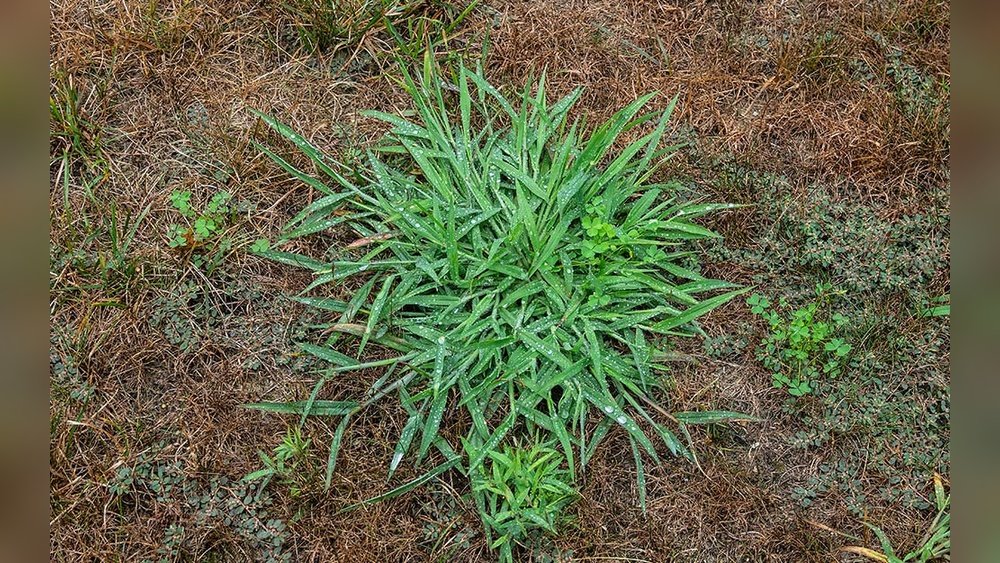
Crabgrass has wide, flat blades with a coarse texture. The leaves are light green and often have a lighter stripe down the center. It grows in low, spreading clumps that look like a small crab’s legs. The stems lie flat on the ground and branch out. In summer, crabgrass produces seed heads that look like tiny fingers.
Common Growth Areas
Crabgrass prefers sunny, bare, or thin patches in your lawn. It often appears in spots with poor soil or where grass is weak. Look near driveways, sidewalks, and garden edges. Areas with heavy foot traffic or dry soil are common places for crabgrass. Finding it early in these spots helps stop it from spreading.
Prevention Techniques
Preventing crabgrass from taking over your lawn saves time and effort later. Healthy, thick grass leaves little room for crabgrass seeds to grow. Use prevention techniques early in the season to stop crabgrass before it starts. These steps keep your lawn strong and crabgrass-free.
Early Spring Pre-emergent Herbicides
Apply pre-emergent herbicides in early spring before crabgrass seeds sprout. These products create a barrier that stops seeds from growing. Use herbicides with ingredients like prodiamine, benefin, or dithiopyr. Timing is important. Apply them when soil temperature reaches about 55°F. This usually happens in March or early April in Austin, Texas.
Do not disturb the soil after applying pre-emergents. Water the lawn lightly to activate the herbicide. Repeat application may be needed for long-lasting protection. Read product labels carefully to match herbicides with your grass type.
Lawn Maintenance Tips
Keep your lawn healthy to naturally prevent crabgrass. Mow regularly at the correct height. Taller grass shades the soil, stopping crabgrass seeds from germinating. Water deeply but less often to encourage strong roots. Aerate the lawn yearly to improve soil and root health.
Fertilize your lawn in spring and fall to promote thick, green grass. Remove weeds quickly before they set seeds. Avoid bare patches by reseeding or laying sod. Strong, dense grass crowds out crabgrass and other weeds.
Selective Herbicides
Selective herbicides target crabgrass without harming your lawn grass. They work best on crabgrass that has already sprouted. Using these herbicides helps keep your lawn green and healthy while removing the weeds. Applying them carefully ensures the best results and protects your turf.
Quinclorac-based Products
Quinclorac is a popular selective herbicide ingredient. It kills crabgrass but leaves most lawn grasses unharmed. Products like Drive or Qball contain quinclorac. For better results, mix with a surfactant or methylated seed oil. Apply during crabgrass growth for effective control.
Chelated Iron Treatments
Chelated iron herbicides use iron to kill crabgrass. Crabgrass absorbs too much iron, turning black and dying. These treatments are safe for many lawn types. They offer a natural way to control crabgrass without harsh chemicals. Repeat applications may be needed for full control.
Applying Surfactants
Surfactants help herbicides stick to crabgrass leaves. They improve herbicide absorption and effectiveness. Use surfactants with quinclorac products for best results. Follow label instructions for the correct surfactant amount. Avoid overuse to protect your lawn and environment.
Manual Removal Methods
Manual removal methods offer a natural way to control crabgrass in your lawn. These methods require time and effort but avoid chemicals. You can target crabgrass precisely without harming your grass.
Removing crabgrass by hand works best for small infestations. Early action prevents crabgrass from spreading and producing seeds. Use simple tools and steady hands to keep your lawn healthy.
Pulling Small Patches
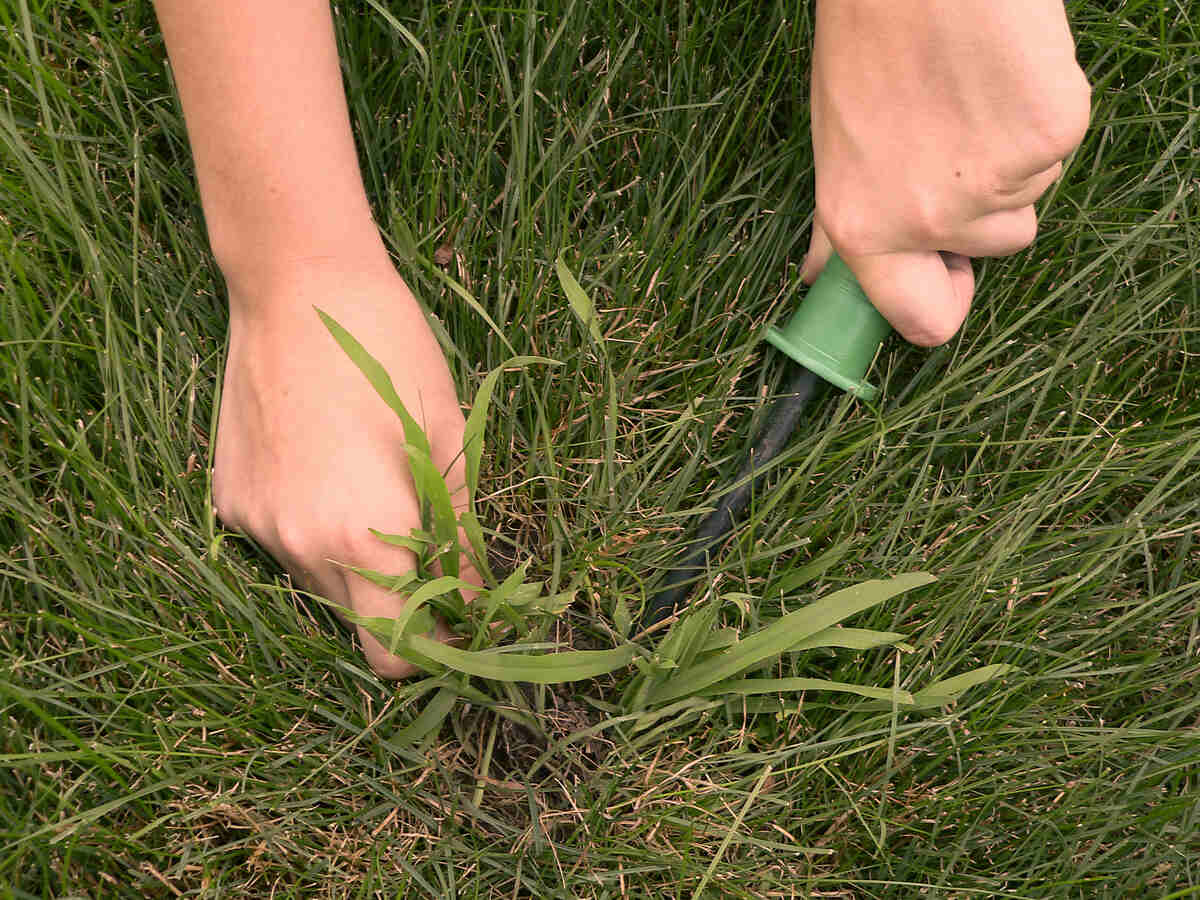
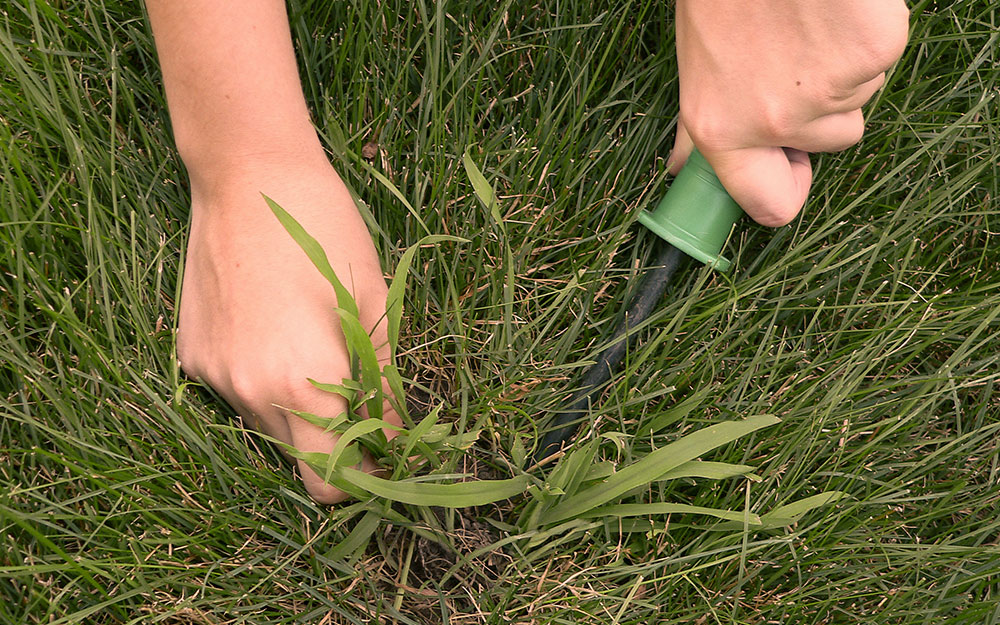
Pull crabgrass gently when the soil is moist. Moist soil loosens roots and makes pulling easier. Grab the base of the crabgrass plant near the soil.
Pull slowly to avoid breaking the stem. Remove the entire plant, including roots, to stop regrowth. Dispose of pulled crabgrass away from your lawn.
Use gloves to protect your hands. Check your lawn regularly and pull new patches early. This method suits small crabgrass areas and helps maintain lawn health.
Digging Out Roots
Digging out roots works well for larger crabgrass patches. Use a hand trowel or garden fork to dig around the plant. Loosen the soil carefully to avoid spreading seeds.
Remove the entire root system to prevent the crabgrass from growing back. Check the hole and nearby soil for leftover roots. Fill the hole with fresh soil and reseed if needed.
This method takes more effort but offers a thorough solution. It helps keep your lawn free of stubborn crabgrass clumps. Repeat as necessary to control crabgrass growth.
Timing For Treatment
Timing plays a crucial role in removing crabgrass from your lawn. Treating at the right time ensures better control and less damage to your grass. Knowing when to apply pre-emergent and post-emergent herbicides can save your lawn from crabgrass invasion. This section guides you through the best timing for effective treatment.
Best Time For Pre-emergents
Apply pre-emergent herbicides before crabgrass seeds start to grow. This usually happens in early spring when soil temperatures reach about 55°F. The key is to act before the seeds germinate. Pre-emergents create a barrier that stops crabgrass from sprouting. Use them once or twice each season for the best results.
Post-emergent Application Window
Post-emergent herbicides work on crabgrass that has already grown. Apply these when crabgrass is young and actively growing, usually late spring to early summer. Treat small patches early to prevent spread. Avoid use during extreme heat to reduce stress on your lawn. Repeat treatments may be necessary for stubborn crabgrass.
Credit: www.lawnstarter.com
Natural Alternatives
Natural alternatives offer safe, effective ways to remove crabgrass. These methods protect your lawn and the environment. They focus on stopping crabgrass without harsh chemicals. Using natural options helps maintain a healthy, green lawn.
Iron-based Herbicides
Iron-based herbicides use chelated iron to kill crabgrass. The iron causes crabgrass to turn black and dry out fast. These products are safe for many types of lawn grass. They work best on young, actively growing crabgrass. Apply on a sunny day for best results. Iron herbicides do not harm beneficial insects or soil health.
Non-chemical Strategies
Non-chemical strategies include manual and cultural controls. Pull crabgrass by hand before seeds spread. Use a hoe or weed puller to remove roots completely. Mow your lawn regularly to stop crabgrass from flowering. Keep your grass thick and healthy to block crabgrass growth. Water deeply but less often to strengthen grass roots. Aerate and fertilize your lawn to improve soil and grass health.
Common Mistakes To Avoid
Removing crabgrass from your lawn requires care and attention. Mistakes can make the problem worse or damage your grass. Avoiding common errors helps keep your lawn healthy and crabgrass-free.
Overusing Herbicides
Applying too much herbicide harms your lawn and the environment. Excess chemicals can kill grass and beneficial plants. Follow label instructions carefully. Use herbicides only as needed and in the right amount. Overuse can cause crabgrass to become resistant.
Ignoring Lawn Health
Neglecting the overall health of your lawn invites crabgrass to grow. Weak grass cannot compete with weeds. Water your lawn deeply but infrequently. Mow at the right height to strengthen grass roots. Aerate and fertilize regularly to keep soil healthy.
Credit: www.homedepot.com
Maintaining A Healthy Lawn
Maintaining a healthy lawn is the best defense against crabgrass. Strong grass prevents weeds from taking over. Focus on good care habits. Keep your lawn thick and green with regular attention. Healthy lawns recover faster from weed invasions. Follow simple steps to support your grass growth all year.
Proper Mowing Practices
Cut your grass at the right height. Taller grass shades the soil and blocks weed seeds. Avoid cutting more than one-third of the blade at once. Use a sharp mower blade for clean cuts. Mowing too short weakens grass and helps crabgrass grow. Mow regularly to keep the lawn even and healthy.
Fertilization Tips
Feed your lawn with the right nutrients. Use balanced fertilizers designed for your grass type. Apply fertilizer in early spring and fall. Avoid over-fertilizing, which can harm grass and boost weeds. Follow package instructions carefully for best results. Strong grass grows faster and crowds out crabgrass.
Watering Strategies
Water deeply but less often. This encourages deep root growth. Shallow watering weakens grass and helps weeds. Early morning is the best time to water. Avoid watering in the evening to reduce disease risk. Monitor soil moisture to keep grass healthy without overwatering.
Frequently Asked Questions
What Kills Crabgrass But Not Grass?
Use selective post-emergent herbicides with quinclorac or pre-emergent herbicides like prodiamine. Chelated iron also kills crabgrass safely. Apply early and add a surfactant for best results.
How To Get Rid Of Crabgrass In Lawn Fast?
Apply a selective post-emergent herbicide with quinclorac and a surfactant on young crabgrass. Use pre-emergent herbicides in early spring. Pull small patches manually. Follow product instructions carefully for best results without harming your lawn.
Is It Better To Pull Or Spray Crabgrass?
Pull small crabgrass patches early to remove roots completely. Spray selectively with quinclorac herbicides for larger infestations. Combining both methods improves control and protects your lawn.
How To Get Rid Of Crabgrass In September?
Apply a selective post-emergent herbicide with quinclorac and a surfactant to kill crabgrass. Pull small patches manually. Maintain lawn health to prevent regrowth.
Conclusion
Removing crabgrass takes patience and consistent care. Start early with pre-emergent herbicides before seeds sprout. Use selective post-emergent herbicides on existing crabgrass to protect your lawn. Natural options like chelated iron can also help control weeds safely. Keep your grass healthy by watering and mowing properly.
A strong lawn crowds out crabgrass naturally. Regular checks prevent crabgrass from spreading quickly. Follow these simple steps to enjoy a green, crabgrass-free lawn all season. Small efforts now lead to big results later.