
Are thistles taking over your lawn and making it look patchy and rough? You want a green, healthy lawn, but those prickly weeds keep popping up and stealing the spotlight.
The challenge is clear: how do you get rid of thistles without damaging the grass you worked so hard to grow? This guide will show you simple, effective ways to control thistles safely. You’ll learn how to protect your lawn while saying goodbye to those stubborn weeds for good.
Keep reading to discover smart, practical tips that anyone can use to keep their lawn lush and thistle-free.
Identifying Thistles
Identifying thistles early helps protect your lawn and keep grass healthy. These weeds spread quickly and take nutrients from grass. Knowing how to spot them makes control easier. Thistles have sharp leaves and spiky flowers. They often grow taller than grass, standing out in your yard.
Common Types In Lawns
Several thistle types grow in lawns. Bull thistle has large, spiny leaves and purple flowers. Canada thistle spreads through roots and has smaller flowers. Musk thistle has hairy stems and pinkish-purple blooms. Each type can crowd out grass if not removed fast.
Signs Of Infestation
Thistles appear as spiny plants with jagged leaves. Their tall, prickly stems rise above grass blades. Purple or pink flowers bloom in summer. You might see patches where grass thins or dies. Thistles often form dense clumps, blocking sunlight from grass below.

Credit: www.relentlessgardener.co.uk
Why Thistles Invade
Thistles often appear in lawns as unwelcome invaders. Understanding why they come helps in controlling them effectively. These weeds find chances to grow when conditions favor their spread. Two main reasons drive their invasion: soil problems and lawn care gaps.
Soil Conditions
Thistles thrive in poor soil. They like compacted, dry, or low-nutrient ground. Such soil weakens grass and gives thistles room to grow. Acidic or alkaline soil also encourages thistle growth. When soil is not healthy, grass struggles to compete. This allows thistles to take over quickly.
Lawn Maintenance Gaps
Inconsistent lawn care invites thistles. Skipping mowing or watering lets weeds spread seeds. Weak grass cannot block thistle seedlings. Missing regular fertilization reduces grass strength. Poor lawn maintenance creates open spaces. Thistles use these gaps to establish and grow fast.
Manual Removal Techniques
Manual removal techniques offer a natural way to control thistles without harming your grass. These methods focus on physically removing the weeds from the lawn. They require time and care but protect your turf from chemicals. Manual removal is best done early, before thistles spread seeds. Consistency is key for effective control. Below are some simple tips to help you pull out thistles safely and efficiently.
Hand Pulling Tips
Pull thistles when the soil is moist. This softens the ground and eases root removal. Grasp the thistle near the base, close to the soil. Pull slowly and steadily to avoid breaking the root. Removing the entire root prevents regrowth. Use gloves to protect your hands from sharp spines. Check the area regularly and pull any new sprouts early. Hand pulling works well for small patches of thistles. Avoid disturbing nearby grass to keep it healthy.
Using Tools Safely
Use a weeding tool or garden fork to remove stubborn thistles. Insert the tool next to the root and lift gently. Avoid cutting the root, as this encourages regrowth. Keep your tools clean to prevent spreading weeds or disease. Work carefully to avoid damaging grass roots. Remove thistles before they flower and produce seeds. Dispose of removed plants properly to stop seed spread. Using tools saves effort and protects your lawn’s health.
Organic Control Methods
Organic control methods offer safe ways to manage thistles in your lawn. These methods target weeds without harming your grass or soil. They promote a healthy lawn while reducing chemical use. Using natural solutions helps protect the environment and supports sustainable gardening.
Boiling Water Use
Pouring boiling water on thistles can kill them quickly. The heat destroys weed cells and stops growth. Avoid spilling boiling water on grass to prevent damage. Use a narrow container to target only the thistle base. Repeat treatment if new shoots appear.
Natural Herbicides
Natural herbicides use plant-based ingredients to control thistles. Products with vinegar or clove oil burn weeds without toxic chemicals. Apply on sunny days for better effect. Spray directly on thistle leaves, avoiding grass contact. Multiple applications may be needed to fully remove thistles.
Maintaining Soil Health
Healthy soil supports strong grass that crowds out thistles. Add organic compost to improve soil nutrients and texture. Aerate compacted soil to help roots grow deeply. Water lawn properly to keep grass vigorous. Regular mowing prevents thistles from flowering and spreading seeds.
Selective Chemical Options
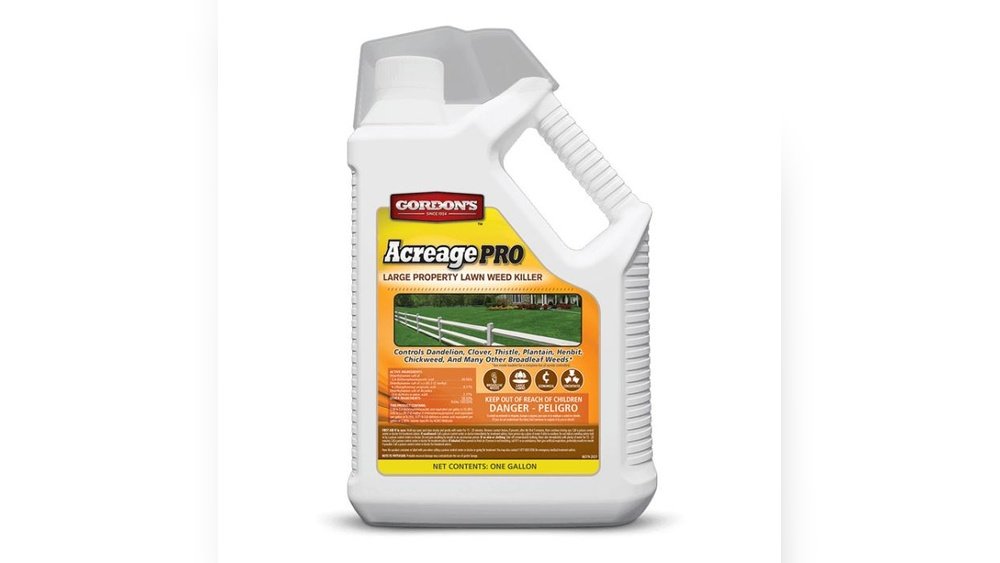
Selective chemical options help remove thistles without damaging grass. These herbicides target broadleaf weeds like thistles while leaving grass unharmed. Using selective chemicals requires care and proper choice for safety and effectiveness. Follow guidelines closely for best results and a healthy lawn.
Choosing Safe Herbicides
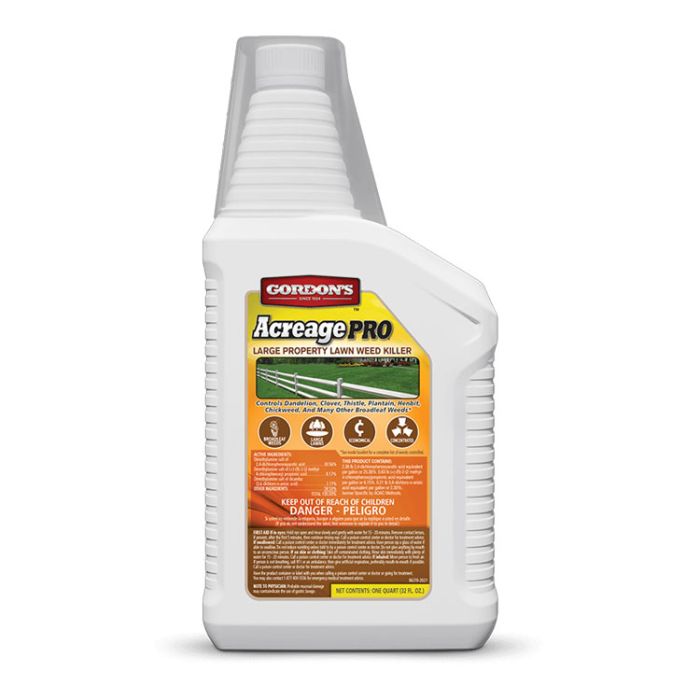
Select herbicides designed for broadleaf weed control. Look for products labeled safe for your grass type. Common active ingredients include 2,4-D, dicamba, and MCPP. Avoid non-selective herbicides that kill all plants. Always read the label before purchasing or applying any herbicide.
Timing For Application
Apply herbicides when thistles are young and actively growing. Early spring or late fall works best. Avoid application during drought or extreme heat. Treating before thistles flower improves control and reduces seed spread. Follow weather recommendations on product labels for optimal timing.
Protecting Grass During Treatment
Keep herbicide sprays focused on thistles, avoiding grass areas. Use a shield or spray wand to direct application. Water the lawn a day before treatment to reduce stress. Avoid mowing for a few days after spraying. Monitor the lawn for any signs of damage and act quickly if needed.
Credit: www.gertens.com
Preventing Future Growth
Stopping thistles from growing again is key to keeping your lawn healthy. Taking simple steps can reduce their return. Focus on nurturing grass and improving soil health. These actions create a strong lawn that resists thistle growth naturally.
Regular Lawn Care
Cut your grass regularly to keep it strong and thick. Mow at the right height to protect grass roots. Remove weeds by hand before they spread seeds. Raking up dead leaves and debris helps keep the soil clean. A well-maintained lawn leaves little room for thistles.
Improving Drainage
Thistles thrive in wet, soggy areas. Fix poor drainage by aerating the soil. Use a garden fork or aerator to create holes. This helps water drain better and air reach roots. Raised beds or adding organic matter can also improve drainage. Dry soil slows thistle growth and supports grass health.
Proper Fertilization
Feed your lawn with balanced fertilizer to boost grass growth. Healthy grass outcompetes thistles for nutrients and space. Use slow-release fertilizers to avoid burning the grass. Apply fertilizer in early spring and fall for best results. Proper feeding strengthens grass and lowers thistle chances.
Seasonal Strategies
Controlling thistles in your lawn requires a plan that changes with the seasons. Different times of the year offer unique chances to reduce thistle growth. Seasonal strategies help keep your grass safe while targeting these weeds effectively. Acting at the right time makes a big difference in results.
Follow simple steps in spring and summer to weaken thistles. These actions support a healthy lawn and limit weed spread. Staying consistent with care stops thistles from taking over.
Early Spring Actions
Early spring is the best time to stop thistles before they grow tall. Pull out young thistles by hand to prevent seed spread. Use a garden fork to loosen soil around roots for easier removal.
Apply a light feeding of fertilizer to strengthen grass. Strong grass crowds out thistles naturally. Avoid heavy fertilizer, which can help weeds too much.
Mow the lawn regularly to cut off thistle buds. Do not let thistles flower and produce seeds. This stops new plants from growing next season.
Summer Maintenance
Summer heat slows grass growth but thistles keep growing. Keep watering your lawn deeply and less often to promote strong roots. Avoid overwatering, which helps weeds thrive.
Spot-treat stubborn thistles with natural herbicides safe for grass. Always follow product instructions to protect lawn health. Pull out large thistles before they bloom to reduce seed spread.
Maintain mowing at a higher setting in summer. Taller grass shades soil and limits weed seeds from germinating. Healthy grass in summer means fewer thistles next year.

Credit: www.youtube.com
Frequently Asked Questions
How Do You Kill Thistle But Not Grass?
Use a selective broadleaf herbicide targeting thistles, applied carefully to avoid grass contact. Hand-pull young thistles before flowering. Maintain healthy, dense grass to outcompete thistles naturally. Repeat treatments during active growth for best results.
Why Are Thistles Growing In My Lawn?
Thistles grow in lawns due to poor soil, compacted ground, or disturbed areas. They thrive in sunny, nutrient-poor spots.
How Do You Control Thistles Organically?
Control thistles organically by hand-pulling before seed sets. Use mulching to suppress growth. Apply boiling water carefully to kill thistles, avoiding grass. Maintain healthy lawn to outcompete weeds. Repeat regularly for best results.
When’s The Best Time To Spray Thistles?
Spray thistles in early spring or summer when actively growing, but before they flower, for best control results.
Conclusion
Controlling thistles takes patience and care. Use gentle methods to protect your grass. Regularly remove young thistles before they spread seeds. Keep your lawn healthy to crowd out weeds naturally. Avoid harsh chemicals that harm grass and soil. A strong lawn resists thistle growth better.
Small, consistent efforts bring the best results. Stay vigilant and act early each season. Your lawn will stay green and weed-free. Simple steps make a big difference over time.