
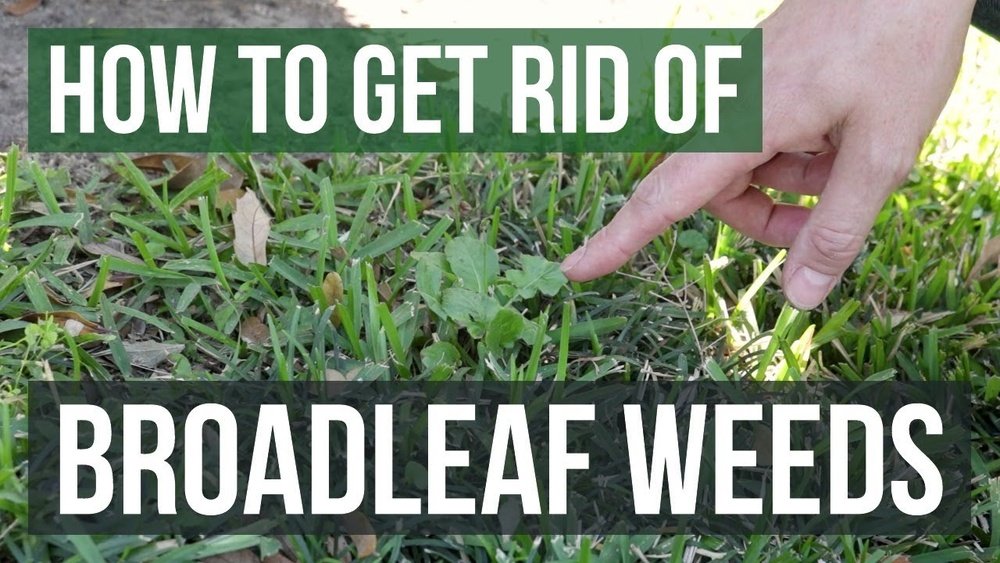
Are broadleaf weeds taking over your garden and ruining its beauty? You’re not alone, and the good news is, you can take control.
These pesky plants spread quickly, compete with your flowers and vegetables, and make your garden look untidy. But don’t worry—getting rid of broadleaf weeds doesn’t have to be a frustrating battle. In this guide, you’ll discover simple, effective ways to identify and eliminate these stubborn invaders.
Keep reading to learn how to protect your garden and enjoy a lush, weed-free space all season long.
Credit: solvepestproblems.oregonstate.edu
Broadleaf Weed Basics
Broadleaf weeds are common garden invaders. They have wide, flat leaves unlike grass. These weeds can quickly spread and take over your garden beds and lawn. Understanding their nature helps in controlling them effectively.
Broadleaf weeds grow fast and compete with your plants for water and nutrients. They often have deep roots, making them hard to remove. Early identification and removal keep your garden healthy and beautiful.
Common Broadleaf Weeds
Some broadleaf weeds appear regularly in gardens. Dandelions have bright yellow flowers and jagged leaves. Clover shows small green leaves in groups of three. Plantain has broad, oval leaves with visible veins. Chickweed grows low with tiny white flowers. These weeds are tough and spread quickly.
How They Affect Your Garden
Broadleaf weeds steal nutrients and water from your plants. They block sunlight, which slows down garden growth. Weeds can crowd out young seedlings and stop them from growing. Their roots compete underground, weakening your plants. Left unchecked, they reduce your garden’s beauty and health.
Manual Removal Techniques
Manual removal techniques offer a natural way to control broadleaf weeds in your garden. These methods avoid chemicals and protect your soil and plants. Removing weeds by hand or with tools can be very effective, especially for small infestations. Consistent effort helps keep your garden healthy and weed-free.
Hand Pulling Tips
Hand pulling is simple and requires no special equipment. Grasp the weed at the base near the soil. Pull slowly and firmly to remove roots completely. Removing the entire root prevents the weed from growing back. It is best to pull weeds after watering or rain when soil is soft. Wearing gloves protects your hands from dirt and possible irritants. Dispose of pulled weeds away from your garden to avoid reseeding.
Using Gardening Tools
Gardening tools make weed removal easier and less tiring. Use a hand fork or weeding tool to loosen soil around the weed. This helps remove deep roots without breaking them. A hoe can cut weeds at the soil surface before pulling them out. Choose tools that fit your hand and garden size. Clean tools after use to prevent spreading weed seeds or diseases. Tools help reach weeds in tight spaces or dense soil.
Chemical Control Methods
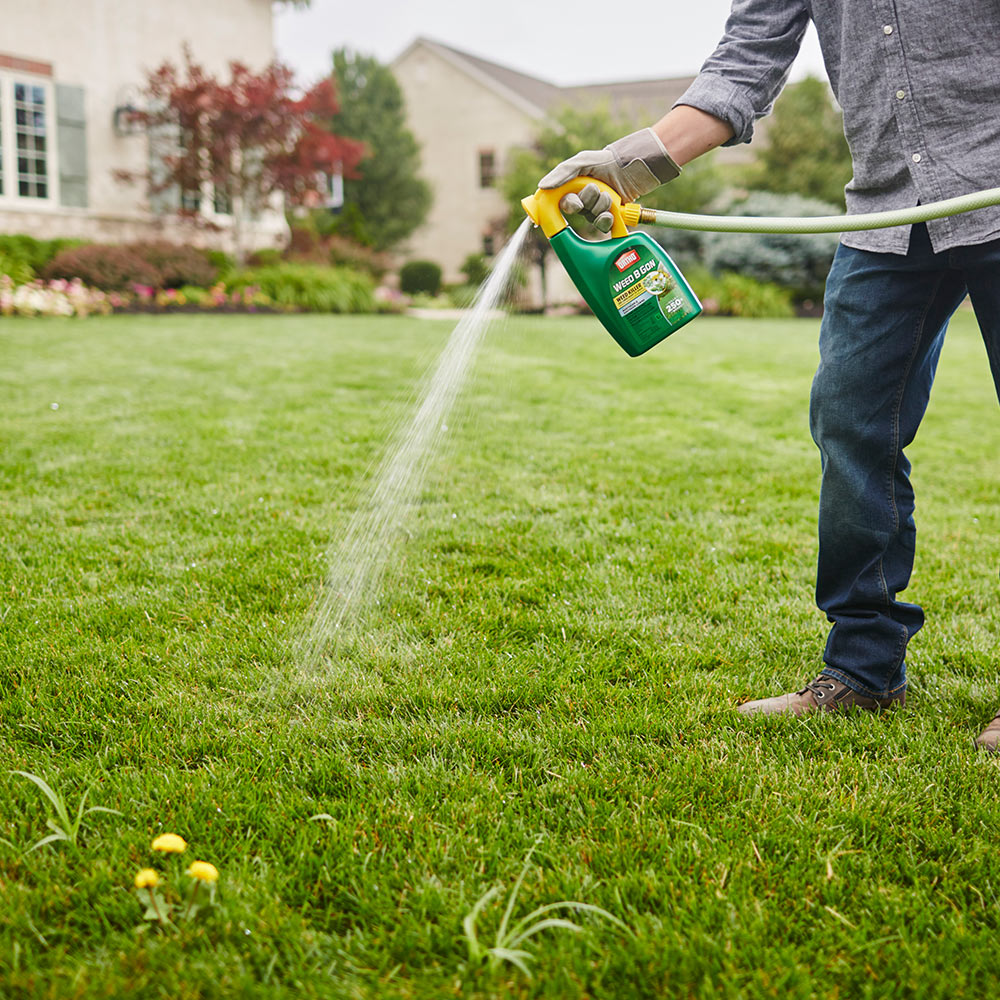
Chemical control methods offer an effective way to remove broadleaf weeds from your garden. These methods use herbicides that target unwanted plants without harming your garden’s other vegetation. Using chemicals requires knowledge about the right products and proper application. This ensures good results and avoids damage to your plants.
Selective Herbicides
Selective herbicides kill broadleaf weeds but leave grass and other plants unharmed. They work by disrupting weed growth processes. Choose a herbicide designed for the specific weeds in your garden. Always read the label to confirm it targets broadleaf weeds. This helps protect your garden’s health and beauty.
Timing For Application
Apply herbicides when weeds are actively growing. Early spring or fall is often best for treatment. Weeds absorb chemicals more easily during these times. Avoid spraying during extreme heat or drought to prevent stress on plants. Follow the product instructions carefully for timing and frequency.
Safety Precautions
Wear gloves and protective clothing when handling herbicides. Keep children and pets away from treated areas until safe. Store chemicals in a secure, dry place out of reach. Avoid spraying on windy days to prevent drift onto other plants. Always follow the safety instructions on the herbicide label.
Natural Remedies
Natural remedies offer safe and eco-friendly ways to remove broadleaf weeds from your garden. These methods avoid harsh chemicals that can harm your plants and soil. Using natural solutions helps maintain a healthy garden environment. You can try simple ingredients found at home to control weeds effectively.
Vinegar And Soap Solutions
Mix white vinegar with a few drops of liquid soap for a powerful weed killer. The vinegar dries out the leaves, while the soap helps the solution stick better. Spray the mixture directly on broadleaf weeds on a sunny day. Avoid spraying on plants you want to keep, as vinegar can harm them too.
Repeat the application every few days until the weeds wilt and die. This natural solution works best on young, small weeds. It is an affordable and easy way to reduce weed growth without using chemicals.
Mulching Benefits
Mulching your garden beds helps stop broadleaf weeds from growing. Spread a thick layer of organic mulch like wood chips, straw, or leaves over the soil. Mulch blocks sunlight, preventing weed seeds from sprouting.
It also keeps the soil moist and improves its quality as it breaks down. Mulching reduces the need for frequent weeding and protects your plants. Apply mulch around your garden plants but keep it away from their stems to avoid rot.
Preventive Strategies
Preventing broadleaf weeds in your garden starts with smart strategies. These methods stop weeds before they grow. They save time and protect your plants. Focus on strengthening your lawn and soil. Healthy grass and soil keep weeds out naturally.
Proper Lawn Maintenance
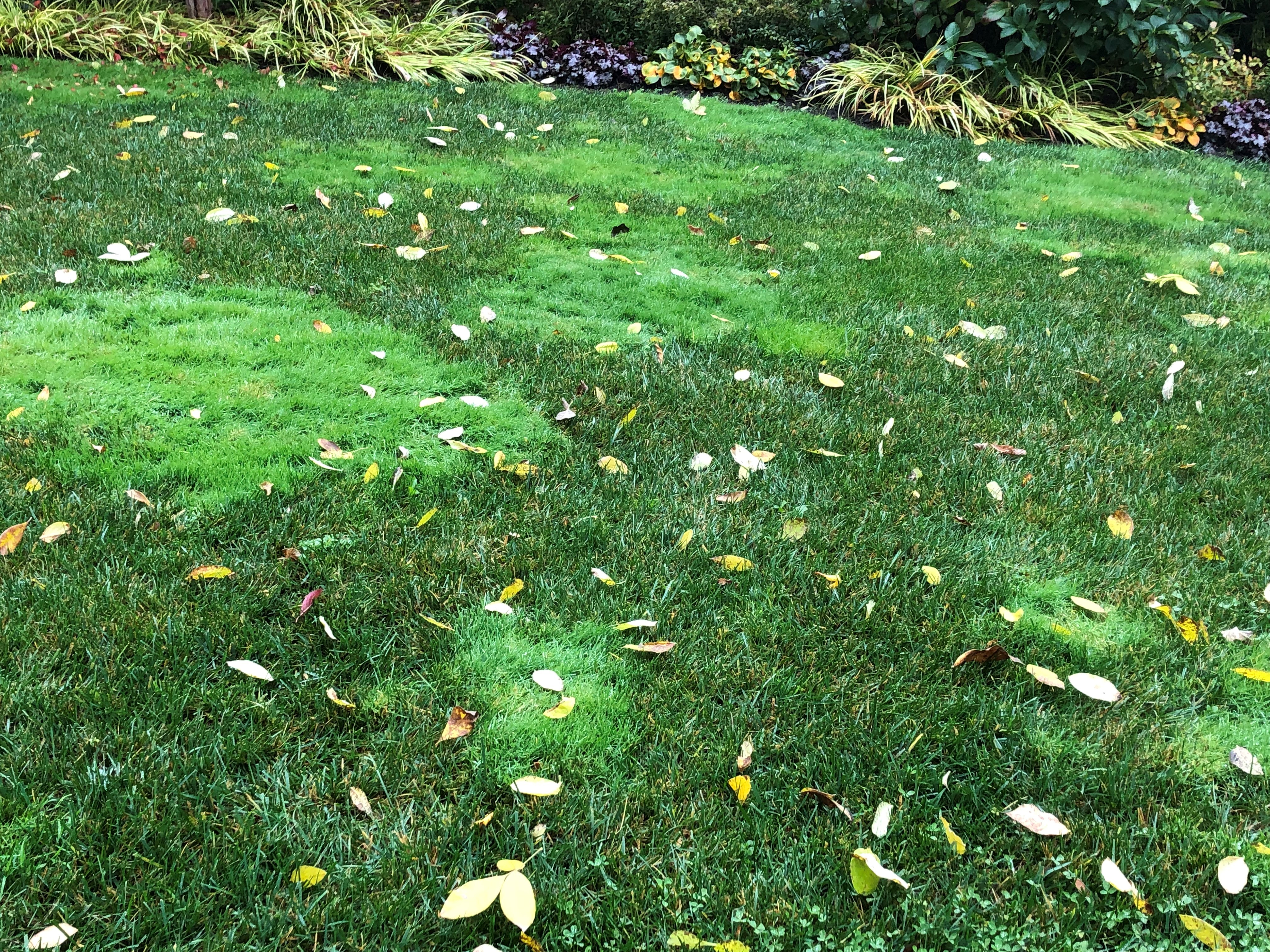
Mow your lawn regularly to keep grass healthy and thick. Thick grass blocks sunlight from reaching weed seeds. Water deeply but less often to encourage strong roots. Remove clippings to avoid spreading weed seeds. Aerate your lawn to improve air and water flow. Fertilize based on your lawn’s needs to keep it strong. Avoid over-fertilizing, which can help weeds grow.
Soil Health Improvement
Test your soil to know its pH and nutrient levels. Add lime or sulfur to balance pH if needed. Healthy soil supports strong grass that crowds out weeds. Use organic compost to add nutrients and improve soil texture. Avoid compacted soil; it makes it hard for grass roots to grow. Mulch garden beds to prevent weed seeds from sprouting. Good soil reduces weed growth and helps plants thrive.
Credit: www.homedepot.com
Seasonal Weed Control
Seasonal weed control is crucial for keeping broadleaf weeds from taking over your garden. Different seasons affect weed growth and treatment success. Planning your weed control by season helps protect your plants and soil.
Fall is a key time to focus on weed control. Weeds store nutrients in their roots during this season. Treating weeds now can stop them before winter. Knowing how to avoid frost damage during treatment makes your efforts more effective.
Fall Treatment Advantages
Fall treatments target weeds while they prepare for winter. Herbicides applied in fall move down to the roots. This kills weeds deeply and stops them from growing back. Cooler temperatures slow weed growth but do not stop herbicide action. Fall treatments reduce weed numbers for the next spring. Early fall is best before frost arrives. This timing ensures better absorption and results.
Avoiding Frost Damage
Frost can harm weed leaves and reduce herbicide uptake. Damaged leaves absorb less treatment, making it less effective. Avoid spraying after the first hard freeze. Yellowing or frost-bitten leaves signal poor treatment times. Check weather forecasts before applying herbicides. Use products labeled for cool weather to protect your lawn. Waiting for warm, frost-free days improves weed control success.
Lawn Care Tips
Proper lawn care helps control broadleaf weeds naturally. Healthy grass grows thick and crowds out weeds. Follow simple lawn care tips to keep your lawn strong and weed-free.
These tips focus on mowing and fertilizing at the right times. Both practices improve grass health and reduce weed problems.
Mowing Practices
Keep your mower blades sharp for clean cuts. Cut grass at the right height, usually 2.5 to 3 inches. Taller grass shades soil and stops weed seeds from sprouting. Avoid cutting more than one-third of the grass height at once. Mowing too short weakens grass and lets weeds grow.
Fertilization Timing
Fertilize your lawn during active growth periods. In Austin, Texas, early spring and fall are ideal times. Use a slow-release fertilizer to feed grass steadily. Avoid fertilizing in extreme heat to prevent stress. Proper fertilization boosts grass strength and helps it compete with weeds.

Credit: www.youtube.com
Frequently Asked Questions
What Will Kill Broadleaf Weeds But Not Grass?
Selective herbicides like 2,4-D, dicamba, and MCPP kill broadleaf weeds without harming grass. Apply during active weed growth for best results.
Is October Too Late To Spray For Weeds?
October is not too late to spray for weeds. It’s an ideal time as weeds absorb herbicides well before winter. Stop spraying after the first hard freeze or when leaves yellow to ensure effectiveness. Always follow herbicide label instructions for timing and temperature.
What Is The Best Thing To Kill Broadleaf Weeds?
The best way to kill broadleaf weeds is using selective herbicides in fall. Apply products containing 2,4-D, dicamba, or MCPP for effective control. Follow label instructions carefully to protect grass while targeting weeds. Consistent lawn care and proper timing improve results.
Can You Kill Broadleaf Weeds In The Fall?
Yes, fall is the best time to kill broadleaf weeds. Apply herbicides before the first frost for effective control.
Conclusion
Broadleaf weeds can harm your garden’s health and beauty. Regular care and early action keep them under control. Use safe removal methods and healthy lawn practices. Watch your garden often to spot weeds quickly. A clean, green garden is worth the effort.
Stay patient and consistent for the best results. Your garden will thrive without broadleaf weeds.