
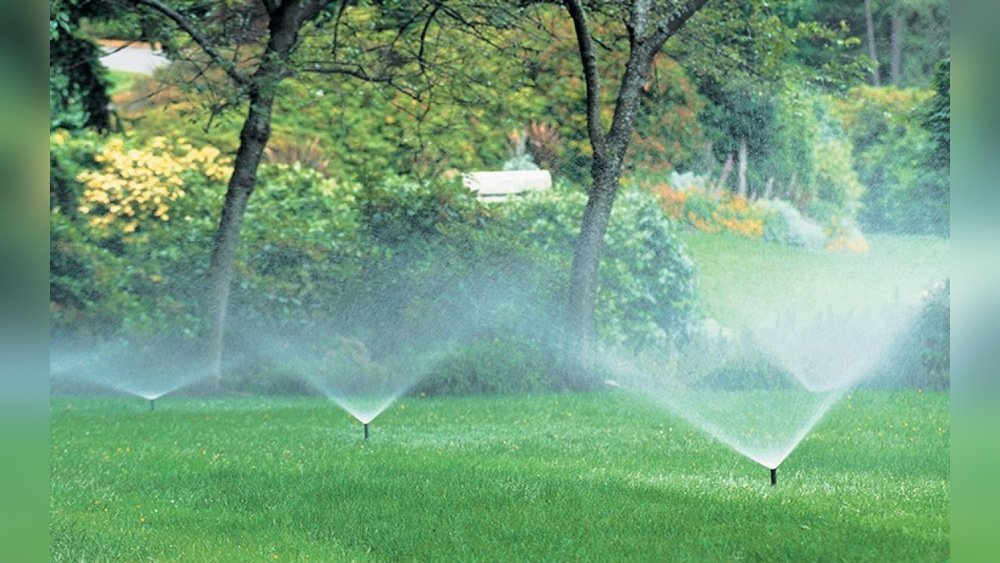
Keeping your lawn green and healthy can feel like a constant challenge. You want to water just the right amount—enough to nourish your grass but not so much that you waste water or encourage weeds.
That’s where a smart watering system comes in. Imagine a system that adjusts watering based on weather, soil moisture, and your lawn’s needs, saving you time, money, and effort. If you’ve been wondering how to use a smart watering system for your lawn, this guide will walk you through everything you need to know.
By the end, you’ll be ready to make your lawn thrive with less hassle and more efficiency. Ready to get started? Let’s dive in!
Credit: rachio.com
Benefits Of Smart Watering
Smart watering systems offer many benefits for your lawn. They help save water while keeping grass healthy and green. These systems use sensors and weather data to water the lawn only when needed. This precise watering supports lawn health and reduces waste. Below are some key benefits of using a smart watering system.
Encouraging Deep Root Growth
Smart watering encourages grass roots to grow deep into the soil. Deep roots help the lawn survive dry periods better. The system waters less often but more deeply. This makes roots reach down for moisture, building a strong and healthy lawn.
Reducing Water Runoff
Water runoff wastes water and can cause soil erosion. Smart watering controls the amount and timing of water. It applies water slowly to let soil absorb it fully. This reduces runoff and keeps water where the grass needs it most.
Preventing Lawn Diseases
Overwatering can cause lawn diseases like fungus and mold. Smart watering avoids too much surface moisture by watering less frequently. This helps keep the grass dry and healthy. A dry lawn surface reduces the chance of disease growth.
How Smart Systems Work
Smart watering systems use technology to save water and keep lawns healthy. They adjust watering based on weather and soil needs. These systems reduce waste and promote strong grass growth. Understanding how they work helps you get the best results for your lawn.
Adjusting Water Frequency By Season
Smart systems change watering schedules with the seasons. They water less in spring and fall, about once a week. In hot summer months, watering increases to up to three times a week. This adjustment matches the lawn’s changing water needs. It helps avoid overwatering or underwatering.
Using Sensors For Soil And Weather
Sensors check soil moisture and local weather conditions. If rain is predicted, the system skips watering. Soil sensors measure how wet the ground is. The system waters only when the soil is dry. This prevents water waste and keeps the lawn healthy.
Automation And Remote Control
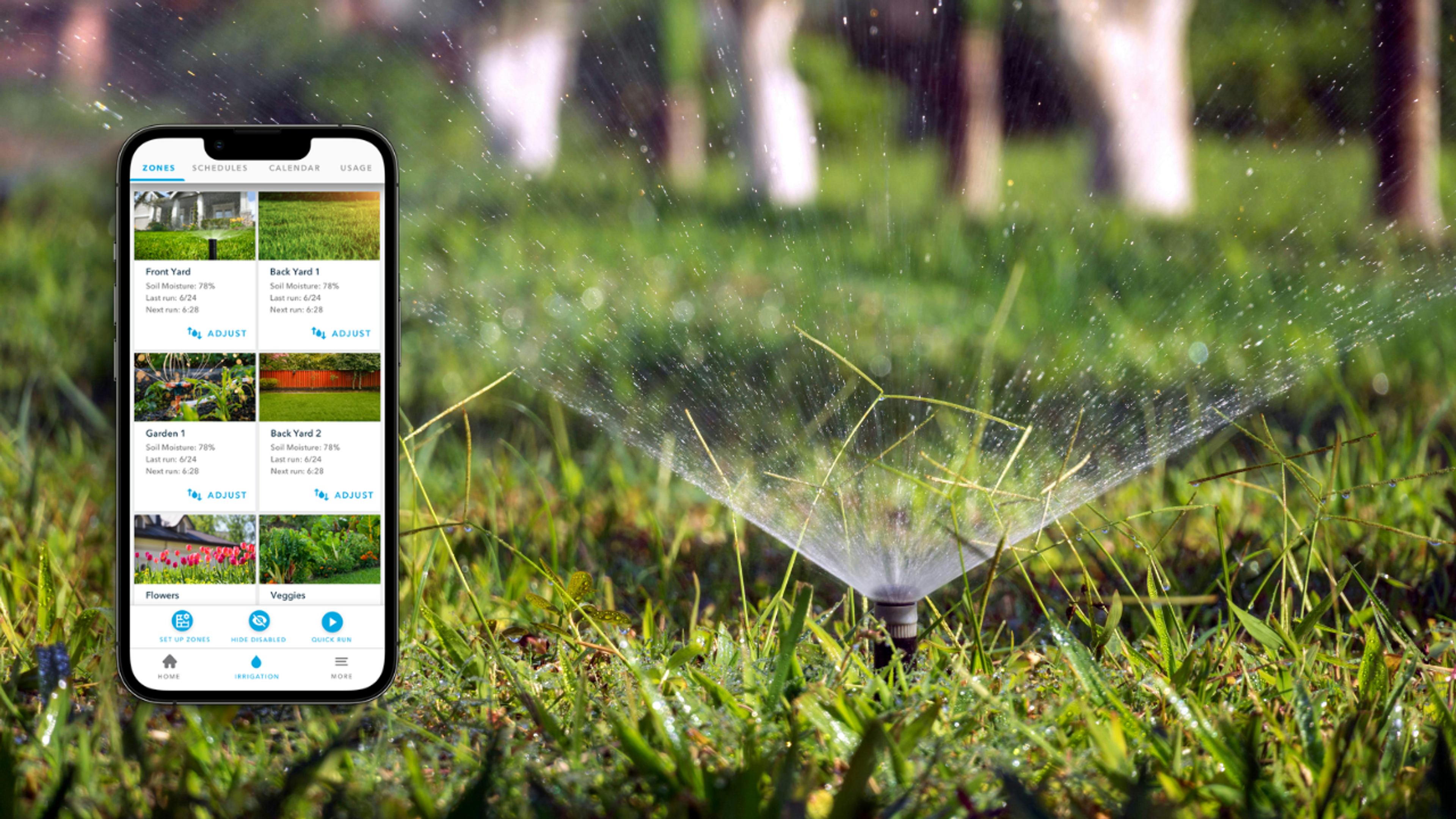
Smart watering systems run automatically based on set rules. You can control them using a smartphone app. This lets you change schedules anytime from anywhere. Automation saves time and ensures your lawn gets the right water amount. Remote control adds convenience and flexibility.
Installation Tips
Installing a smart watering system improves lawn care and saves water. Follow simple steps to ensure a smooth setup. Proper installation helps the system work efficiently and avoid problems later. Here are some key tips to guide you through the process.
Choosing The Right System
Select a system that fits your lawn size and shape. Consider weather sensors and soil moisture monitors. Look for easy programming and smartphone control. Check for compatibility with your existing irrigation setup. Choose a model with good customer reviews and support.
Preparing Your Lawn And Soil
Clear the lawn area before installation. Remove rocks, sticks, and debris from the soil. Test soil type to adjust watering schedules later. Mark sprinkler head locations for even coverage. Ensure the lawn surface is level for better water distribution.
Avoiding Digging And Damage
Use a soil probe or wire locator to find underground utilities. Plan routes to avoid cables, pipes, and roots. Hand dig small trenches to prevent damage. Use trenchless installation tools if possible. Work carefully to protect your lawn and plants during setup.

Credit: www.yourgreenpal.com
Watering Techniques
Watering techniques play a vital role in maintaining a healthy lawn using a smart watering system. Proper methods ensure water reaches the roots effectively, promoting strong growth and conserving water. Adjusting your watering approach based on soil type and timing boosts the benefits of your smart system.
Cycle And Soak Method
The cycle and soak method divides watering into short sessions. This prevents water runoff“>water runoff and allows it to soak deep into the soil. For example, instead of watering for 15 minutes straight, water for 5 minutes, pause for 30 minutes, then repeat. This technique is helpful on slopes and clay soils where water absorbs slowly.
Best Time To Water
Water your lawn early in the morning, between 4 a.m. and 9 a.m. Cooler temperatures reduce evaporation. Watering in the morning also helps grass dry quickly, lowering disease risk. Avoid watering in the middle of the day or late evening to save water and protect your lawn.
Handling Different Soil Types
Sandy soil drains water quickly and needs shorter, more frequent watering. Clay soil holds water longer but absorbs it slowly. Use the cycle and soak method for clay soils to avoid puddles. Loamy soil absorbs water well and requires balanced watering. Adjust your smart system settings to match your soil type for best results.
Maintenance And Troubleshooting
Maintaining your smart watering system ensures it works well all season. Regular care helps avoid common issues. Troubleshooting keeps your lawn healthy and saves water. A little effort keeps the system efficient and reliable.
Regular System Checks
Check your system at least once a month. Inspect sprinklers for damage or blockages. Make sure all zones turn on and off properly. Replace worn or broken parts immediately. Verify the controller settings match your lawn’s needs. Test the rain sensor to ensure it is working.
Preventing Clogs And Leaks
Clean sprinkler heads regularly to prevent clogs. Remove dirt, grass, and debris around nozzles. Check pipes and hoses for cracks or leaks. Fix leaks quickly to avoid water waste. Use filters in the system to stop debris from entering. Keep valves free of dirt for smooth operation.
Adjusting Settings For Efficiency
Change watering schedules with the seasons. Water less during rainy months and more in dry periods. Set watering times early in the morning to reduce evaporation. Use the system’s weather data feature if available. Adjust run times to avoid overwatering or underwatering. Fine-tune zones based on lawn size and plant type.

Credit: www.rainbird.com
Common Challenges
Using a smart watering system for your lawn offers many benefits. Yet, some challenges come with it. Understanding these common issues helps you prepare better. You can avoid surprises and keep your lawn healthy with proper care.
Cost Considerations
Smart watering systems can be expensive to buy. Installation costs add to the total price. Some systems need professional help to set up. Ongoing costs include electricity and water bills. Budgeting for these expenses is important before buying.
System Reliability Issues
Smart systems rely on sensors and Wi-Fi. Connection problems may cause the system to fail. Weather sensors might not always detect changes correctly. Software bugs can disrupt watering schedules. Regular checks are needed to ensure the system works well.
Managing Increased Maintenance
Smart watering systems need more care than traditional ones. Sensors and valves require cleaning to avoid blockages. Software updates should be installed on time. Parts may wear out and need replacing. Maintenance keeps the system running smoothly and saves water.
Frequently Asked Questions
What Are The Disadvantages Of A Smart Irrigation System?
Smart irrigation systems can be costly to buy and install. They require regular maintenance and occasional technical troubleshooting. Incorrect setup may cause inefficient watering. Connectivity issues can disrupt operation. Some systems may lack flexibility for unique garden needs.
How Many Minutes Should I Water My Lawn With A Sprinkler System?
Water your lawn 15-30 minutes per zone, 2-3 times weekly. Use “cycle and soak” to prevent runoff and promote deep roots. Water early morning to reduce evaporation. Adjust timing based on soil type, weather, and season for best results.
What Is The 1/2/3/2:1 Watering Method?
The 1/2/3/2:1 watering method uses cycles of 1, 2, 3, then 2 minutes with 1-minute breaks. It prevents runoff and promotes deep soil absorption.
What Is The 30/30 Rule For Irrigation?
The 30/30 rule for irrigation means watering for 30 minutes, then waiting 30 minutes before watering again. This prevents runoff and improves soil absorption.
Conclusion
Using a smart watering system saves water and keeps your lawn healthy. It waters your grass deeply and at the best times of day. This helps roots grow strong and prevents lawn diseases. Simple steps like setting correct schedules and using cycle and soak improve results.
Regular system checks ensure everything works well. Enjoy a greener lawn with less effort and water waste. Smart watering makes lawn care easier and more efficient for any homeowner.