
Are you tired of watching your water bill climb every month while trying to keep your garden lush and green? What if you could save water effortlessly, reduce waste, and still have a thriving yard?
Using an automatic irrigation timer is the smart solution that puts you in full control of your watering schedule. With just a few simple adjustments, you can stop overwatering, prevent runoff, and make every drop count. You’ll discover how to use an automatic irrigation timer to save water, protect your plants, and lower your utility costs—all without extra work on your part.
Keep reading to unlock easy, practical tips that make watering your garden both efficient and eco-friendly.

Credit: bell-coaching.com
Benefits Of Automatic Irrigation Timers
Automatic irrigation timers offer many benefits for gardens and lawns. They help manage water use efficiently. Using these devices can reduce waste and improve watering routines. They also support healthier plants and save time for gardeners.
Water Conservation Advantages
Automatic timers deliver water only when plants need it. They avoid overwatering, which wastes water and harms plants. Timers can be set to water early morning or late evening. This timing reduces evaporation and saves more water. Using a timer helps protect local water resources.
Time And Effort Savings
Timers remove the need to water plants manually. Set the schedule once and let the system run itself. This saves hours each week and reduces effort. Gardeners can focus on other tasks or enjoy free time. It also ensures watering happens even during busy days or vacations.
Improved Plant Health
Consistent watering helps plants grow strong and healthy. Timers deliver water evenly and at the right times. This avoids stress caused by too much or too little water. Healthy plants resist pests and diseases better. Overall, automatic irrigation promotes vibrant gardens and lawns.
Choosing The Right Timer
Choosing the right automatic irrigation timer is key to saving water effectively. The timer controls watering times and duration. Picking a suitable timer helps avoid overwatering and wastage. It also fits your irrigation system and meets your garden’s needs. Consider several factors before buying an irrigation timer.
Types Of Irrigation Timers
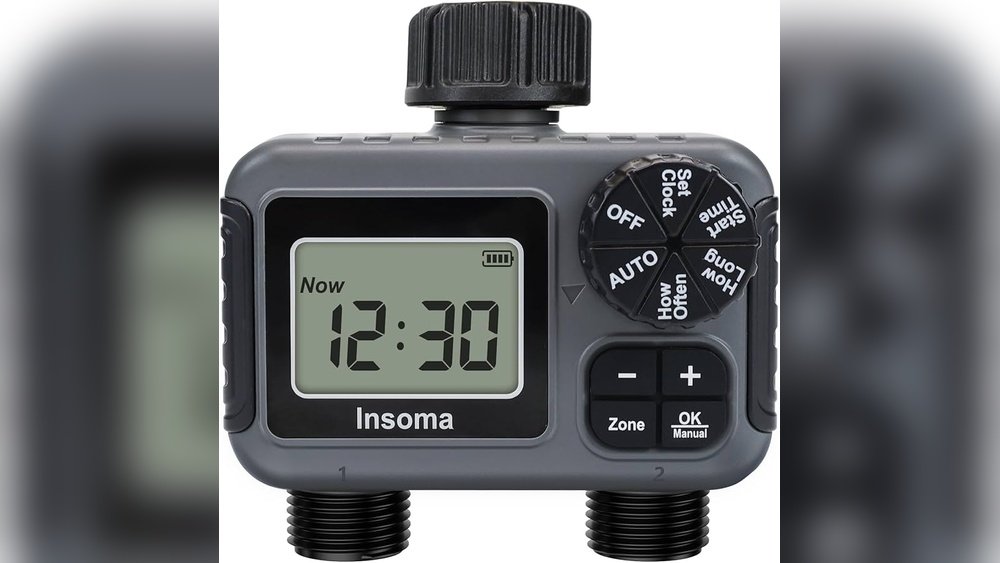
Mechanical timers use simple dials and are easy to set. They are affordable but offer limited options. Digital timers allow precise programming of watering schedules. They often feature multiple zones for different plants. Battery-powered timers work well in areas without electricity. Wi-Fi timers connect to your phone for remote control. Each type fits different gardens and budgets.
Compatibility With Irrigation Systems
Check if the timer matches your irrigation system type. Some timers work only with drip systems or sprinkler heads. Others support both types and multiple zones. Ensure the timer’s valve connections fit your pipes. Also, confirm if it supports your system’s water pressure. Proper compatibility ensures smooth operation without leaks.
Smart Features To Consider
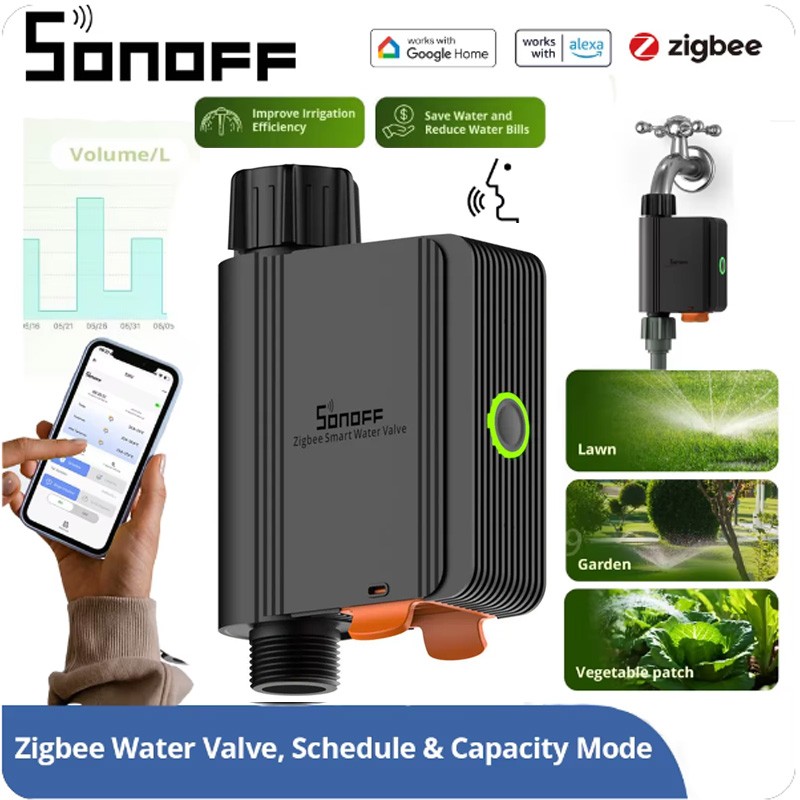
Smart timers adjust watering based on weather data. They pause watering during rain or freeze conditions. Some connect to soil moisture sensors for precise watering. Look for timers with easy-to-use apps or displays. Features like rain delay and seasonal adjustments save more water. These smart functions make watering efficient and simple.
Setting Up Your Irrigation Timer
Setting up your irrigation timer correctly is key to saving water and keeping your garden healthy. A well-installed timer controls watering times precisely. It prevents overwatering and cuts down water waste. Follow simple steps to ensure your timer runs efficiently.
Installing The Timer Correctly
Choose a location near your water source for easy connection. Attach the timer to the faucet or irrigation system securely. Use plumber’s tape to avoid leaks at the joints. Ensure the timer is protected from extreme weather. Check the manufacturer’s instructions for specific setup details. Test the timer to confirm it powers on and connects properly.
Programming Watering Schedules
Set watering times based on plant needs and soil type. Program the timer to water early in the morning or late evening. This reduces evaporation and saves water. Adjust how long each zone waters to avoid runoff. Use shorter, more frequent cycles for sandy soil. Keep the schedule simple to avoid confusion and errors.
Adjusting For Seasonal Changes
Change the watering schedule as seasons shift. Water less in cooler, wetter months to save water. Increase watering during hot, dry periods to protect plants. Many timers have manual override options for quick changes. Check your timer regularly to update settings. Seasonal adjustments keep your garden healthy and water use low.
Watering Techniques For Efficiency
Efficient watering techniques help save water and keep plants healthy. Using an automatic irrigation timer allows precise control over watering schedules. Adopting smart watering methods reduces water waste and promotes strong root growth. Below are key techniques to maximize water efficiency in your garden or lawn.
Cycle And Soak Method
The cycle and soak method splits watering into short intervals. Water runs for a few minutes, then pauses to soak into the soil. This prevents runoff and lets water reach deeper roots. Repeating cycles ensures the soil absorbs water fully. This method is ideal for slopes and compacted soil.
Using Drip Irrigation
Drip irrigation delivers water directly to plant roots slowly. It reduces evaporation and runoff compared to sprinklers. This system uses less water and improves plant health. Automatic timers control drip irrigation to water only when needed. It suits flower beds, vegetable gardens, and shrubs.
Avoiding Overwatering
Overwatering wastes water and harms plants. Use soil moisture sensors or check soil before watering. Water only when the soil feels dry below the surface. Automatic irrigation timers help by setting correct watering times. Adjust schedules seasonally to match plant needs and weather changes.
Monitoring And Maintenance
Monitoring and maintaining your automatic irrigation timer is essential for saving water effectively. Regular checks keep the system running smoothly and prevent water waste. Small issues can cause big problems if ignored. Proper care ensures your garden gets just the right amount of water.
Checking For System Leaks
Leaks waste water and increase your bills. Inspect pipes, valves, and sprinkler heads often. Look for wet spots or puddles near the irrigation system. Repair or replace broken parts immediately. A tight, leak-free system uses water efficiently and saves you money.
Calibrating Flow Rates
Flow rate affects how much water your plants receive. Measure the flow using a bucket and stopwatch. Compare it to the timer’s settings. Adjust the flow to match plant needs and soil type. Proper calibration prevents overwatering and conserves water.
Updating Timer Settings Regularly
Seasons change and so do watering needs. Adjust your timer settings to match weather and plant growth. Set watering times early in the morning or late at night to reduce evaporation. Regular updates keep water usage low and your garden healthy.
Credit: newenglanduniform.net
Common Mistakes To Avoid
Using an automatic irrigation timer can greatly reduce water waste. Avoiding common mistakes helps make the system efficient. Mistakes often cause more water use, not less. Learn the key errors to prevent for better results.
Watering During Rainfall
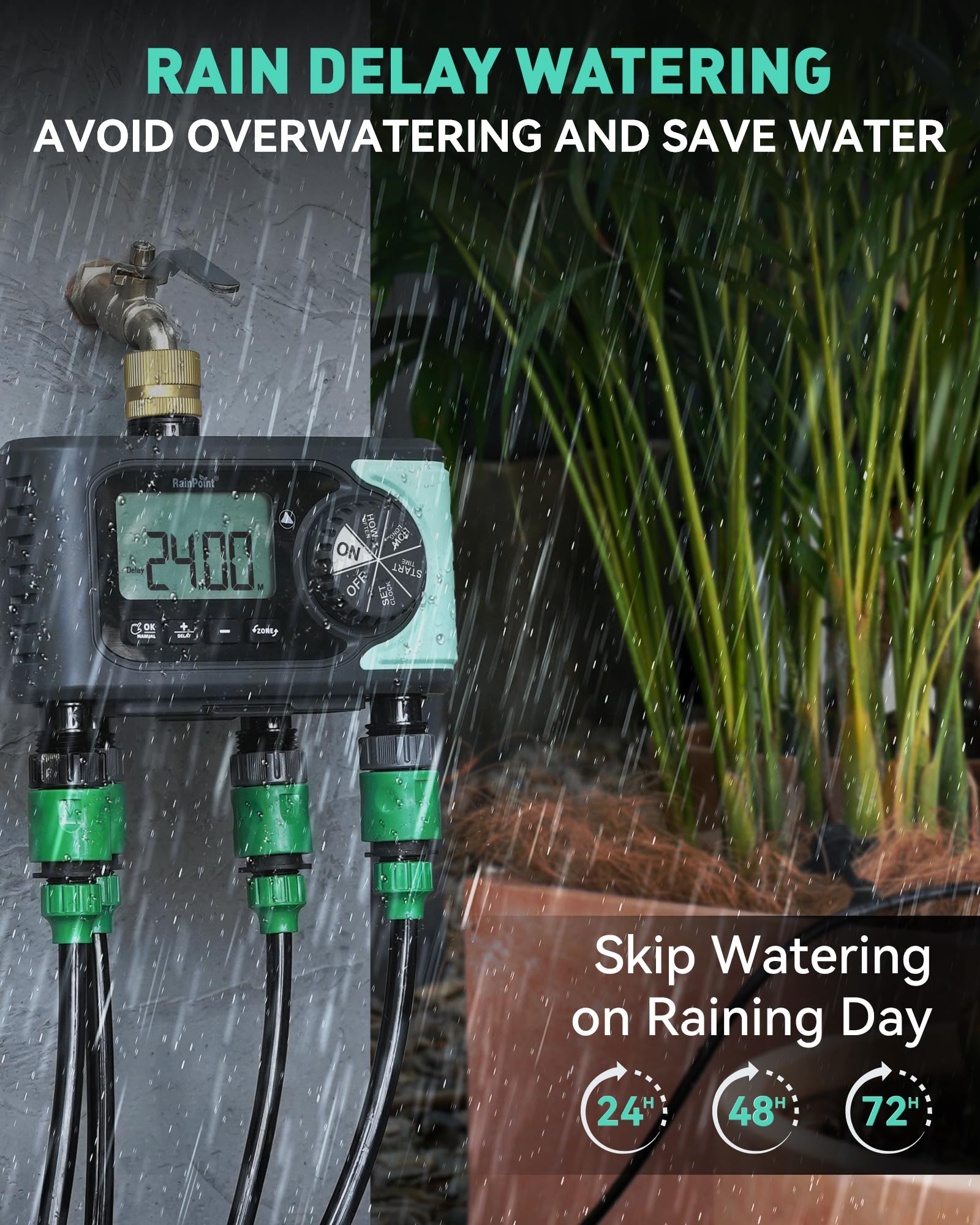
Watering plants while it rains wastes water and energy. Automatic timers may not detect rain by default. This leads to unnecessary watering. Use a rain sensor or smart timer that pauses watering during rainfall. This stops overwatering and saves water.
Ignoring Soil Moisture Levels
Soil moisture varies by location and season. Timers set for fixed schedules may water when soil is already wet. This causes water runoff and plant stress. Check soil moisture regularly. Adjust timer settings based on soil dryness, not just time of day.
Neglecting Initial Adjustments
Many users forget to set the timer correctly at first. Factory settings often do not fit your garden’s needs. Set watering duration and frequency based on plant types and weather. Make small changes and observe plant health. Proper setup prevents water waste and promotes growth.
Additional Water Saving Tips
Using an automatic irrigation timer helps control watering schedules. Adding extra water-saving methods improves garden health and reduces waste. These tips work well with timers to save even more water.
Mulching To Retain Soil Moisture
Mulching covers soil with a layer of organic material. It holds moisture in the ground for longer. Mulch also stops weeds that steal water from plants. Spread mulch around plants to keep the soil cool and moist. This means your irrigation timer can water less often.
Choosing Drought-tolerant Plants
Drought-tolerant plants need less water to grow. They survive dry periods better than other plants. Select native or desert plants for your garden. These plants reduce the need for frequent watering. Using them with an irrigation timer saves water and keeps your garden healthy.
Using Rain Sensors And Weather Data
Rain sensors stop irrigation timers during rain. They prevent watering when nature provides enough water. Weather data adjusts watering based on temperature and humidity. This smart use of information avoids overwatering. Connect sensors and data tools to your timer for best results.
Credit: www.leclosdesprinces.com
Frequently Asked Questions
How Much Water Is 20 Minutes Of Sprinkler?
A typical sprinkler uses about 1,000 gallons per hour. In 20 minutes, it consumes roughly 330 gallons of water.
What Is The 30/30 Rule For Irrigation?
The 30/30 rule for irrigation means watering for 30 minutes, then pausing for 30 minutes. This prevents runoff and helps water absorb deeply.
Do Sprinkler Timers Waste Water?
Sprinkler timers save water by controlling watering schedules and durations precisely. Incorrect settings or ignoring weather changes can cause water waste. Regularly adjust timers based on weather and plant needs to avoid overwatering and conserve water effectively.
What Are The Disadvantages Of Auto Watering?
Auto watering can cause overwatering, system malfunctions, uneven water distribution, dependency on power, and higher initial costs.
Conclusion
Using an automatic irrigation timer helps you save water every day. It controls watering times and avoids waste. You can set it to water only when needed. This tool supports healthy plants and reduces water bills. Simple steps lead to better water use in your garden.
Start saving water and enjoy a greener yard today.