
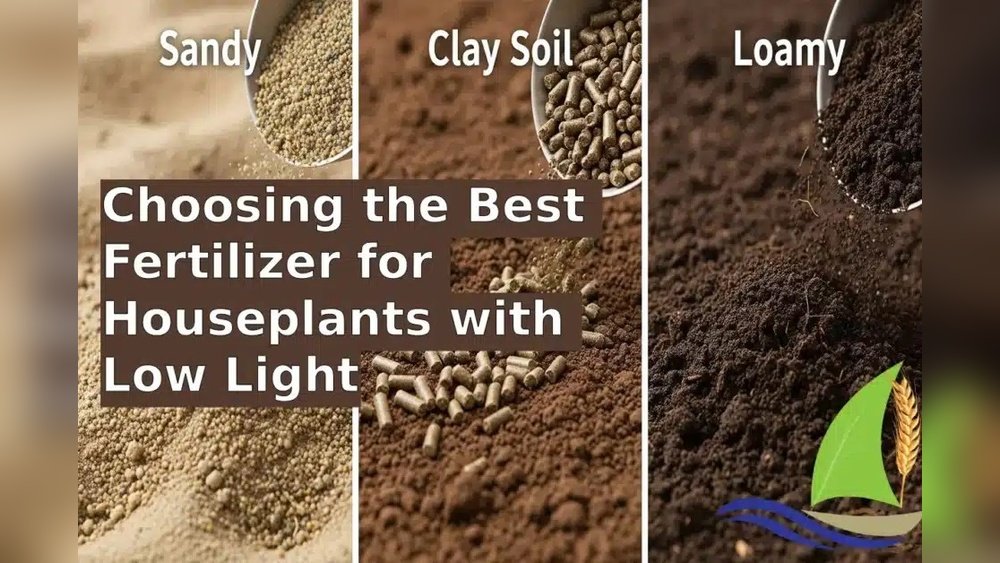
Are you struggling to get your plants to thrive in heavy clay soil? Choosing the right fertilizer can make all the difference.
Clay soil holds water and nutrients tightly, but it can also trap them away from your plants’ roots. If you want healthier, stronger plants and a garden that flourishes, you need to understand how to pick the best fertilizer for clay soil.
Keep reading, and you’ll discover simple, effective tips that will transform your gardening results. Your plants will thank you!
Credit: www.provenwinners.com
Characteristics Of Clay Soil
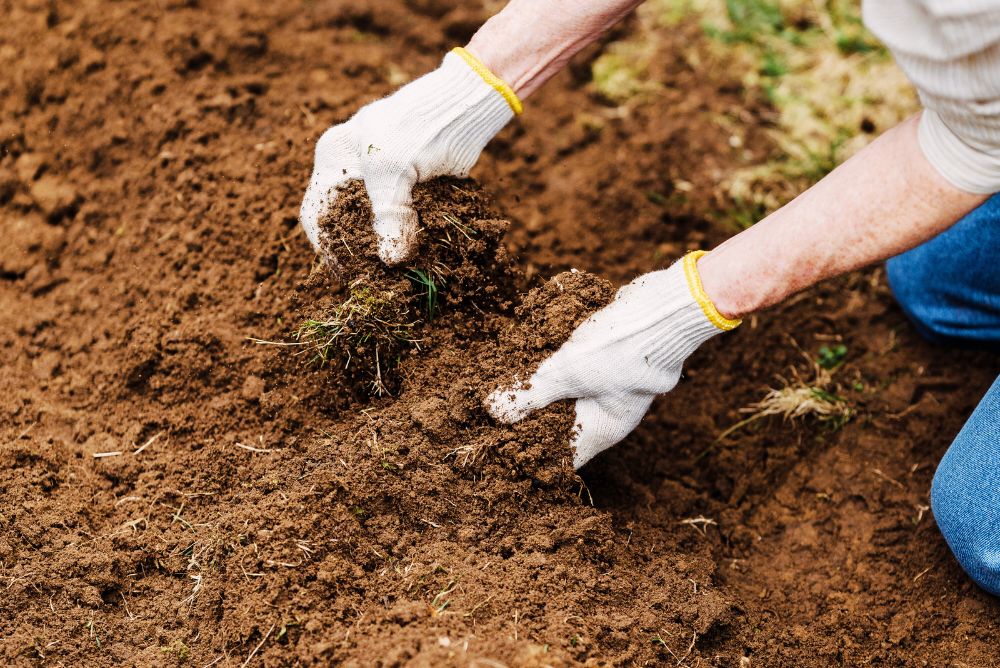
Clay soil has unique traits that affect plant growth and fertilizer choice. Understanding these traits helps in picking the right fertilizer. Clay soil feels dense and heavy. It holds water and nutrients differently than sandy or loamy soil. These traits shape how plants grow and how fertilizers work in clay soil.
Texture And Composition
Clay soil has very fine particles packed tightly together. This tight packing makes the soil feel smooth and sticky when wet. It can be hard to dig or work with clay soil. The small particles create fewer air spaces, limiting root movement and air flow.
Water Retention And Drainage
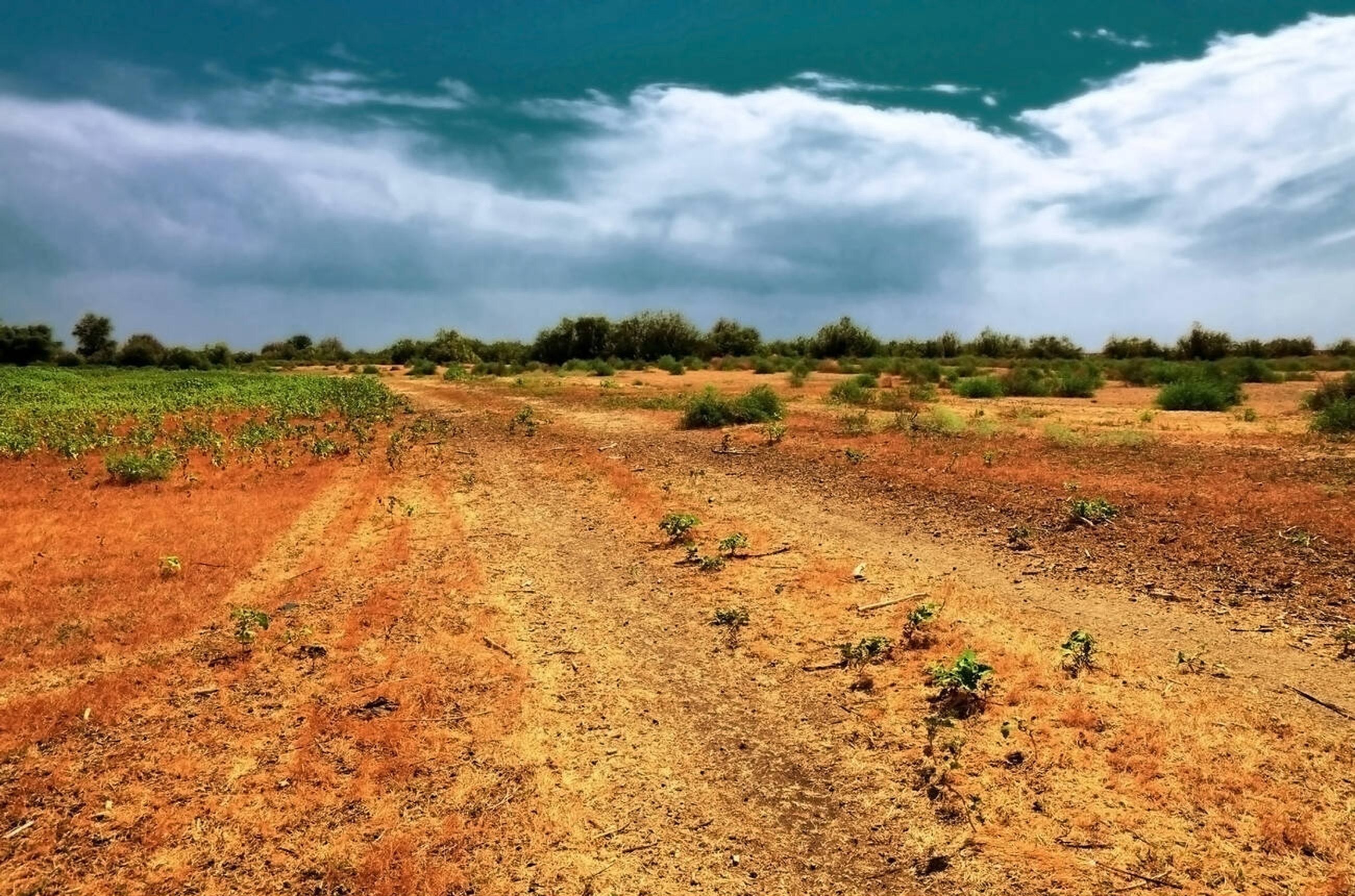
Clay soil holds water for a long time. It drains slowly because of its dense structure. Water can stay too long, causing roots to rot. But during dry times, clay soil can crack and harden, making it tough for plants to get water.
Nutrient Holding Capacity
Clay soil keeps many nutrients well. Its particles attract and hold important minerals. This means fertilizers stay longer in the soil. Plants can absorb these nutrients over time. Still, some nutrients may become trapped and unavailable to plants.
Credit: lawnsynergy.com
Challenges Of Growing Plants In Clay Soil
Clay soil can be tough for plants. It holds water and nutrients well but has many problems. These problems affect how plants grow and stay healthy. Understanding these challenges helps in choosing the right fertilizer and care.
Poor Aeration
Clay soil has tiny particles packed tightly. This packing stops air from moving freely. Roots need oxygen to breathe and grow. Without enough air, roots can suffocate and die. Plants may look weak or wilted even after watering.
Compaction Issues
Clay soil compacts easily under weight. Walking or heavy rain can press the soil down hard. Compacted soil becomes dense and hard. Water struggles to soak in and drains slowly. Plants may suffer from waterlogging or drought stress.
Root Growth Limitations
Thick clay soil is hard for roots to push through. Roots may grow shallow or twist around. This limits how much water and nutrients roots can absorb. Plants with weak roots have trouble standing tall and growing strong.
Types Of Fertilizers Suitable For Clay Soil
Clay soil is dense and holds water tightly. Choosing the right fertilizer helps plants grow strong in this soil type. Different fertilizers work well with clay soil. Understanding these types helps you pick the best one for your garden.
Organic Fertilizers
Organic fertilizers improve soil structure slowly. They add nutrients and increase beneficial microbes. Compost, manure, and bone meal are common organic options. These fertilizers help clay soil drain better over time. They also release nutrients gently, avoiding plant stress.
Chemical Fertilizers
Chemical fertilizers provide nutrients quickly to plants. They come in powder, liquid, or granule form. These fertilizers boost nitrogen, phosphorus, and potassium levels fast. Use them carefully to avoid nutrient overload in clay soil. Balanced formulas work best for most plants.
Slow-release Options
Slow-release fertilizers feed plants over weeks or months. They reduce the risk of burning plant roots. These fertilizers suit clay soil by providing steady nutrients. Coated granules or organic pellets are typical slow-release forms. They help maintain nutrient levels for longer.
Key Nutrients Needed In Clay Soil
Clay soil holds nutrients tightly, but plants still need certain key nutrients to grow well. Knowing these nutrients helps pick the best fertilizer. Nutrients in clay soil support strong roots and healthy leaves. They also help plants resist disease and stress. Focus on the main nutrients first. These include nitrogen, phosphorus, and potassium. Micronutrients play a small, yet vital role too.
Nitrogen
Nitrogen is essential for leaf and stem growth. It helps plants make chlorophyll, which is needed for photosynthesis. Clay soil often holds nitrogen well but it may not always be available to plants. Fertilizers with nitrogen boost green, leafy growth. Choose fertilizers that release nitrogen slowly for best results.
Phosphorus
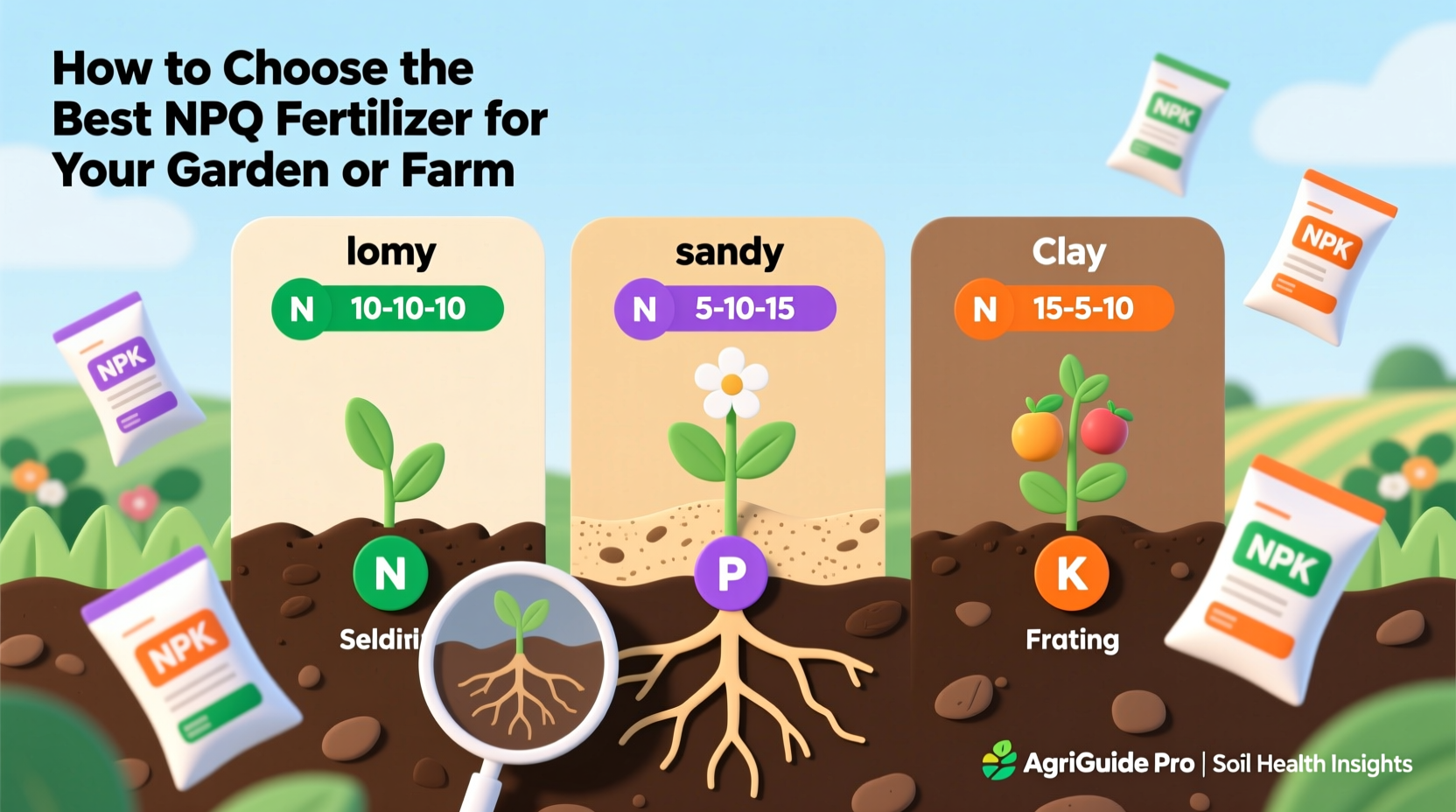
Phosphorus supports root development and flower production. It helps plants store and use energy. Clay soil can sometimes lock phosphorus, making it hard for plants to absorb. Adding phosphorus-rich fertilizer improves root strength and plant energy. Look for fertilizers labeled with a high middle number in the N-P-K ratio.
Potassium
Potassium improves overall plant health and disease resistance. It helps regulate water use and nutrient movement inside the plant. Clay soil usually contains potassium but not always enough. Fertilizers with potassium help plants survive drought and cold. A high last number in the N-P-K ratio shows potassium content.
Micronutrients
Micronutrients include iron, zinc, manganese, and copper. Plants need these in small amounts for enzyme function and growth. Clay soil sometimes lacks these trace elements. Fertilizers with added micronutrients support strong plant health. Using a balanced fertilizer with micronutrients prevents hidden deficiencies.
Soil Testing Before Fertilizing
Soil testing is the first step before adding fertilizer to clay soil. It helps you understand the soil’s condition. Testing shows the pH level and nutrient content. This knowledge prevents over-fertilizing or missing nutrients. Healthy soil means healthier plants and better growth. Here is how to test soil and use the results to choose the right fertilizer.
How To Test Soil Ph
Soil pH measures how acidic or alkaline the soil is. Use a soil pH test kit or a digital meter. Take samples from different parts of your garden. Mix the samples for a more accurate reading. Follow the test kit instructions carefully. Ideal pH for clay soil is usually between 6.0 and 7.0. Knowing pH helps select fertilizers that work best.
Interpreting Nutrient Levels
Soil tests show levels of nitrogen, phosphorus, and potassium. These are key nutrients for plant growth. Low nitrogen means plants may grow slowly. Low phosphorus affects root development. Low potassium reduces disease resistance. Test results often include other nutrients like calcium and magnesium. Understanding these levels guides your fertilizer choice. Avoid guessing nutrient needs to save time and money.
Adjusting Fertilizer Based On Results
Match fertilizer types to the soil’s needs. Use nitrogen-rich fertilizer if nitrogen is low. Add phosphorus for better roots if needed. If potassium is low, choose fertilizer with potassium. For acidic soil, add lime to raise pH. For alkaline soil, add sulfur to lower pH. Adjust amounts based on test recommendations. This approach helps clay soil become fertile and productive.
Applying Fertilizer To Clay Soil
Applying fertilizer to clay soil needs care and attention. Clay soil holds nutrients well but can become compacted. This affects how plants absorb fertilizer. Proper application helps plants grow strong and healthy. It also prevents nutrient loss and soil damage.
Timing And Frequency
Apply fertilizer in early spring before plants start growing. This gives nutrients time to soak into the soil. Avoid fertilizing late in the season. Plants may not use nutrients well then. For best results, fertilize every 6 to 8 weeks during the growing season. Adjust frequency based on plant needs and soil tests.
Proper Application Techniques
Spread fertilizer evenly across the soil surface. Use a spreader for large areas to avoid clumps. Lightly work fertilizer into the top layer of soil. This helps nutrients reach plant roots quickly. Water the soil after applying fertilizer. Water helps nutrients dissolve and move into the soil.
Avoiding Over-fertilization
Too much fertilizer can harm plants and soil. Clay soil holds nutrients, so over-fertilizing leads to buildup. This can burn roots and reduce plant growth. Always follow label instructions for amounts. Test soil regularly to know what nutrients are needed. Use slow-release fertilizers to prevent nutrient overload.
Improving Clay Soil With Amendments
Clay soil can be hard and dense. It holds water but can stop air and roots from moving well. Improving clay soil helps plants grow better. Using the right amendments changes the soil’s texture and health. This makes it easier for roots to spread and take up nutrients.
Adding Organic Matter
Organic matter like compost, leaves, or manure breaks up clay soil. It adds tiny pockets for air and water. This helps roots breathe and grow deep. Organic matter also feeds helpful soil microbes. These microbes make nutrients easier for plants to use.
Spread a layer of organic matter on the soil surface. Mix it gently into the top few inches. Do this each year to keep the soil loose and healthy.
Using Gypsum
Gypsum is a natural mineral that improves clay soil. It helps break apart heavy clay particles. This creates space for air, water, and roots. Gypsum also reduces soil salt levels, which can harm plants.
Apply gypsum by spreading it on the soil and watering it in. It works best in soils with lots of sodium. Use the right amount for your garden size to avoid waste.
Mulching Benefits
Mulching covers soil with a layer of materials like straw or wood chips. It protects clay soil from hard rain and sun. Mulch keeps soil moist longer and stops weeds from growing.
Mulch also slowly adds organic matter as it breaks down. This improves soil texture over time. Apply mulch around plants but keep it away from stems to prevent rot.
Credit: plantin.alibaba.com
Expert Tips For Long-term Soil Health
Maintaining healthy clay soil takes time and care. Experts suggest using smart methods to keep soil rich and strong. These tips help plants grow better and avoid common problems in clay soil.
Healthy soil supports roots and keeps water balanced. It also helps nutrients reach plants easily. Use these expert tips for long-term soil health.
Crop Rotation
Crop rotation means changing the plants grown in a spot each season. Different crops use and add different nutrients. This prevents soil from losing important minerals. It also stops pests and diseases from building up. Rotate crops to keep clay soil balanced and fertile.
Cover Crops
Cover crops protect soil during off-seasons. They prevent erosion and add organic matter. Plants like clover or rye grow quickly and improve soil texture. Cover crops help clay soil stay loose and drain better. They also feed helpful microbes that support plant growth.
Regular Soil Monitoring
Check soil health often with simple tests. Test soil pH and nutrient levels every few months. This shows what the soil needs to stay healthy. Adjust fertilizers based on test results. Monitoring soil helps avoid overuse or lack of nutrients. It keeps clay soil in good shape for years.
Frequently Asked Questions
What Type Of Fertilizer Works Best For Clay Soil?
Balanced fertilizers with nitrogen, phosphorus, and potassium suit clay soil. Organic options like compost improve texture and nutrient retention effectively.
How Often Should I Fertilize Clay Soil Plants?
Fertilize clay soil plants every 6 to 8 weeks during growing season. Avoid over-fertilizing as it can cause nutrient build-up and harm roots.
Can Organic Fertilizers Improve Clay Soil Quality?
Yes, organic fertilizers enhance clay soil by adding nutrients and improving structure. They boost microbial activity, increasing soil fertility and water drainage.
Should I Test Clay Soil Before Fertilizing?
Testing clay soil before fertilizing helps identify nutrient deficiencies. It ensures you apply the right fertilizer type and quantity for optimal plant growth.
Conclusion
Choosing the right fertilizer helps clay soil stay healthy and strong. Balanced nutrients improve plant growth and soil texture. Test your soil first to know what it needs. Use fertilizers that drain well and avoid waterlogging. Organic options often work best for clay soil’s heavy nature.
Regular feeding keeps plants happy through seasons. Small steps lead to big garden success. Keep learning and adjusting as your soil changes. Healthy soil means thriving plants and a beautiful garden.