
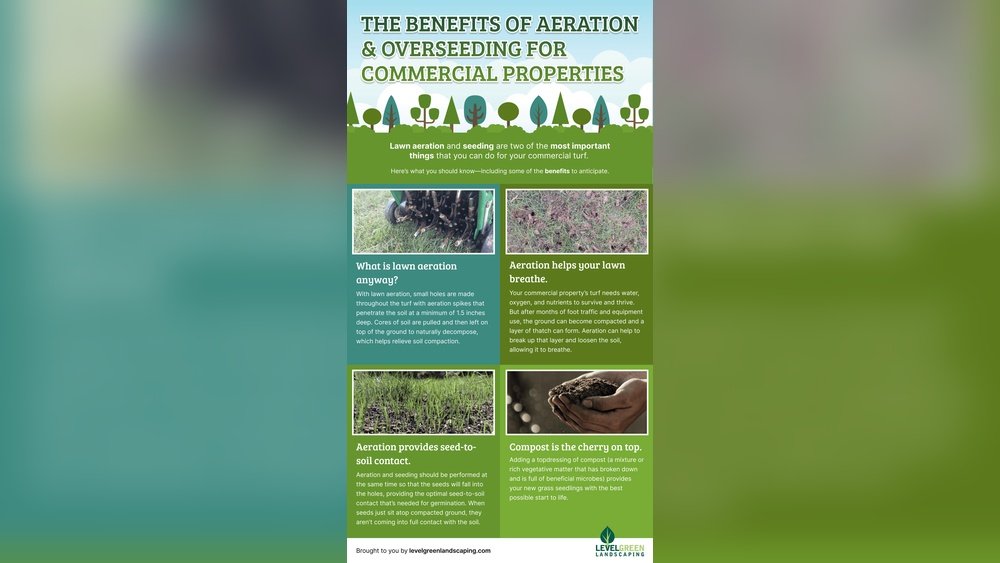
If you want a lush, green lawn that turns heads, you need to start with a strong foundation. Aerating your lawn before overseeding is one of the smartest steps you can take to boost seed germination and create healthier grass.
By creating tiny holes in your soil, you open the door for air, water, and nutrients to reach deep roots, giving new seeds the perfect environment to grow. In this guide, you’ll learn exactly how to aerate your lawn effectively and why this simple step can make all the difference in achieving the vibrant yard you’ve been dreaming of.
Ready to transform your lawn? Keep reading to discover the secrets to better seed germination through proper aeration.
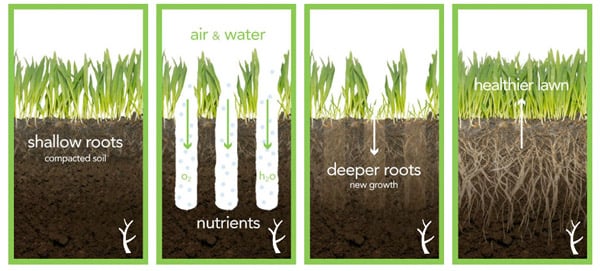
Credit: blog.lushlawn.com
Benefits Of Aeration Before Overseeding
Preparing your lawn for aeration sets the stage for successful overseeding. This step helps seeds reach the soil and grow strong roots. Proper preparation improves soil condition and allows better air, water, and nutrient flow.
Start by making your lawn easy to work with. Clear obstacles and ensure the grass is ready for aeration tools. Follow these simple tips for a smooth aeration process and better seed germination.
Mowing And Watering Tips
Mow your lawn shorter than usual before aeration. Cut grass to about 2 to 2.5 inches. This height helps the aerator reach the soil easily. Avoid mowing too short to prevent stress on grass.
Water your lawn deeply one or two days before aeration. Moist soil is easier to penetrate. Avoid watering on the day of aeration to keep soil firm, not muddy.
Clearing Debris And Thatch
Remove leaves, sticks, and other debris from your lawn. These block aeration tools and reduce effectiveness. Use a rake or leaf blower for cleanup.
Check for thatch, a layer of dead grass and roots on the soil surface. If thicker than half an inch, dethatch before aeration. Thatch prevents seeds and nutrients from reaching soil.
Marking Obstacles
Walk your lawn and mark hidden obstacles like sprinkler heads, rocks, and wires. Use flags or stakes to mark these spots clearly. This step protects your tools and prevents damage.
Marking helps you avoid uneven aeration and keeps the process safe. It also saves time and prevents costly repairs.

Credit: www.getlawnbright.com

Credit: growingreen.com
Frequently Asked Questions
Should You Aerate Your Lawn Before Overseeding?
Aerate your lawn before overseeding to improve soil aeration and seed-to-soil contact. This boosts seed germination and root growth. Perform aeration during early fall for best results. Avoid aerating too late, as cold weather can hinder seed development and lawn recovery.
Is October Too Late To Aerate And Seed?
October is usually late for overseeding cool-season grasses; seedlings may not root well before frost. Aerate in early fall instead. Warm-season grasses should be seeded in early summer, not fall. If missed, wait until spring for better overseeding success.
How To Aerate A Lawn For Seeding?
Aerate your lawn using a core aerator to remove soil plugs. Do this in early fall for cool-season grasses. Spread seed evenly after aeration. Water regularly to promote seed germination and root growth. Avoid aerating during extreme heat or drought for best results.
Can I Do Aeration In The Fall?
Aerate your lawn in early fall for best results. Aeration improves soil health and supports overseeding. Avoid late fall aeration, as seedlings may not establish before frost. Warm-season grasses should aerate in early summer, not fall. Proper timing ensures a healthier, greener lawn.
Conclusion
Aerating your lawn before overseeding helps seeds grow stronger roots. It improves soil air, water, and nutrient flow. This creates a better environment for seed germination. Make sure to aerate at the right time for your grass type. Avoid aerating when the soil is too wet or dry.
With proper aeration, overseeding results improve greatly. Your lawn will look healthier and fuller soon. Give your grass the best start by aerating first. This simple step makes a big difference in lawn care success.