
Are you ready to take your yard work to the next level? Operating a cordless trimmer efficiently isn’t just about cutting grass—it’s about saving time, boosting safety, and getting professional-looking results every time.
Whether you’re a beginner or have some experience, knowing the right techniques can make your trimming tasks easier and more enjoyable. In this guide, you’ll discover simple tips and tricks that help you handle your cordless trimmer like a pro, protect your equipment, and keep your lawn looking sharp.
Keep reading, and you’ll learn how to work smarter—not harder—with your cordless trimmer.
Choosing The Right Cordless Trimmer
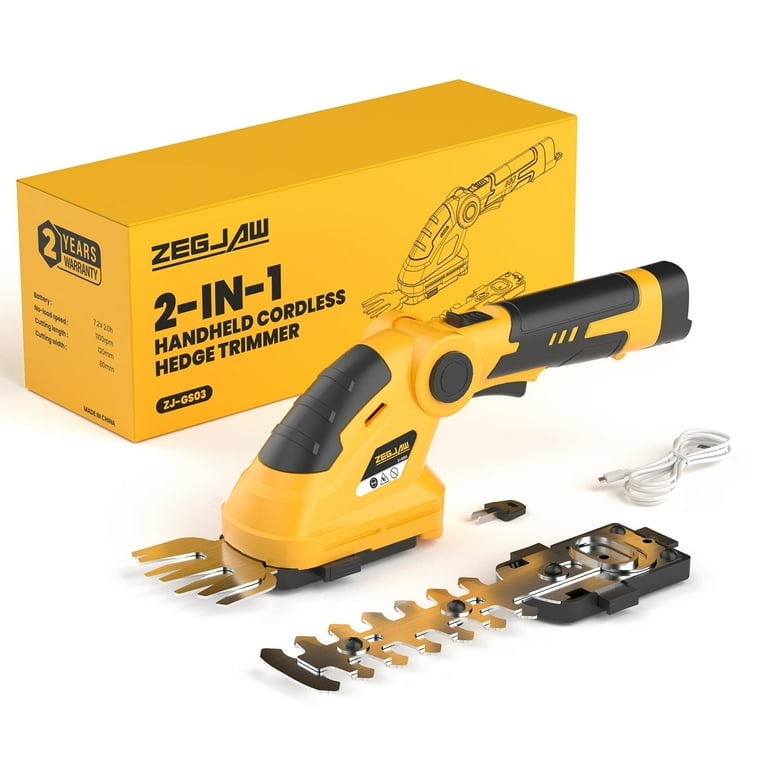
Choosing the right cordless trimmer is essential for easy and effective trimming. The perfect tool saves time and effort. It also gives neat and clean results. Several factors help you pick the best trimmer for your needs.
Battery Types And Runtime
Cordless trimmers use different battery types. Lithium-ion batteries are common. They charge fast and last longer. Nickel-cadmium batteries are heavier and have shorter life. Check the runtime before buying. A longer runtime means less charging breaks. This keeps your work smooth and uninterrupted.
Power And Cutting Width
Power affects how well the trimmer cuts thick grass. Higher power suits tough jobs. Cutting width determines how wide an area you trim at once. A wider cutting width covers more ground quickly. Choose power and width based on your lawn size and grass type.
Ergonomic Features
Comfort matters during trimming. Look for lightweight models to reduce arm strain. Adjustable handles help fit your height and grip style. A balanced trimmer is easier to control. These features make trimming less tiring and more precise.
Credit: www.walmart.com
Preparing Your Trimmer For Use
Preparing your cordless trimmer before use ensures smooth operation and extends its life. Taking a few simple steps helps avoid interruptions and keeps your trimming task efficient. Proper preparation also improves safety and performance.
Charging The Battery Properly
Start by fully charging the battery. Use the charger that came with your trimmer. Connect the charger to a power outlet and insert the battery. Charging times vary, so check the manual for exact details.
Do not overcharge or leave the battery plugged in for too long. Remove the battery once fully charged to prevent damage. Always store the battery in a cool, dry place when not in use.
Inspecting And Replacing Trimmer Line
Check the trimmer line before each use. Look for wear or breakage and replace if necessary. Using the right line thickness is important for your model.
To replace the line, remove the spool cover, take out the old line, and insert the new one. Wind the line evenly and replace the cover securely. A well-maintained line cuts grass cleanly and efficiently.
Adjusting The Guard And Handle
Adjust the guard to protect yourself from debris. Make sure it is firmly attached and positioned correctly. The guard helps keep grass clippings and stones away from your body.
Set the handle at a comfortable height. Most trimmers allow handle adjustments to fit your arm length. A good grip reduces fatigue and gives better control during trimming.
Techniques For Efficient Trimming
Efficient trimming with a cordless trimmer requires proper techniques. These methods save battery power and improve results. Using the right grip, movement, and height control makes trimming easier and neater.
Optimal Holding And Movement
Hold the trimmer firmly but not too tight. A relaxed grip reduces fatigue and allows smooth control. Keep your arms slightly bent for better maneuverability. Move the trimmer in a steady, sweeping motion. Avoid jerky or fast movements to prevent uneven cuts. Let the trimmer glide close to the grass for a clean trim.
Trimming Around Obstacles
Approach obstacles slowly and carefully. Use the tip of the trimmer to cut near edges without damaging plants or structures. Adjust your angle to reach tight spots. Move the trimmer around objects in small, controlled strokes. This technique protects both the trimmer and surrounding items.
Maintaining Consistent Cutting Height
Set the cutting height before starting your work. Keep the trimmer at a consistent distance from the ground. Use the trimmer’s guard or wheels if it has them to help maintain height. Check your progress regularly and adjust the height if needed. Consistent height results in a tidy, even lawn appearance.

Credit: tools.mighty-seven.com
Safety Practices During Operation
Operating a cordless trimmer safely protects you and others nearby. Safety practices reduce risks of injury and damage. Follow these simple tips to work confidently and avoid accidents.
Wearing Protective Gear
Always wear safety glasses to protect your eyes from debris. Use gloves to shield your hands from cuts and blisters. Wear long pants and closed shoes to guard your legs and feet. Ear protection helps reduce noise from the trimmer’s motor. Proper gear keeps you safe and comfortable during work.
Managing Flying Debris
Flying debris can cause serious injuries. Clear the work area of stones, sticks, and other loose items. Hold the trimmer at the correct angle to control debris direction. Avoid trimming near people, pets, or fragile objects. Stay alert to sudden movements of grass or branches that can throw debris.
Avoiding Common Hazards
Keep the trimmer away from water to prevent electric shock. Do not operate the trimmer on unstable or slippery surfaces. Turn off the trimmer before making adjustments or clearing jams. Watch out for hidden wires, pipes, or garden hoses. Follow manufacturer instructions to avoid damage and injury.
Maintenance For Longevity
Maintaining a cordless trimmer is key to keeping it in top shape. Proper care helps the trimmer last longer and work efficiently. Regular maintenance prevents damage and costly repairs. Following simple steps extends the life of your tool and ensures smooth operation every time.
Cleaning The Trimmer Head
Remove grass clippings and dirt after each use. Use a brush or cloth to wipe the head clean. Avoid water on electrical parts. Clean blades or string areas carefully to prevent buildup. A clean trimmer head cuts better and reduces wear.
Checking For Wear And Tear
Inspect blades or trimming lines regularly. Look for cracks, dullness, or breakage. Replace damaged parts quickly to avoid stress on the motor. Check screws and fasteners to ensure they are tight. Early detection of issues saves money and time.
Storing The Trimmer Correctly
Store the trimmer in a dry, cool place. Avoid leaving it outside or in damp areas. Remove the battery before storage to preserve battery life. Hang or place the trimmer on a stable surface. Proper storage protects the tool from rust and damage.
Credit: www.gustharts.com
When And Why To Remove The Guard
Removing the guard from a cordless trimmer can improve your work in certain tasks. It allows better control and access to hard-to-reach areas. Knowing when and why to remove the guard helps you use the trimmer effectively and safely.
Use guard removal only for specific tasks like detailed edging or trimming tight spots. It is not suitable for general trimming or heavy grass cutting. Always understand the benefits and risks before deciding to remove the guard.
Advantages Of Removing The Guard
Removing the guard gives better visibility of the trimming line. This helps create clean, precise edges around lawns and flower beds. It also allows the trimmer head to fit into narrow spaces.
Without the guard, you can use longer trimming lines. This covers a wider area faster and reduces the need to reload the line often. The trimmer also feels lighter, improving comfort during extended use.
Risks And Safety Concerns
Removing the guard exposes you to flying debris like stones and grass clippings. This can cause injuries to your eyes and skin. The guard also protects the trimmer’s engine from damage caused by grass buildup.
Operating the trimmer without the guard increases the risk of damaging nearby objects. It can also lead to faster wear and tear on the equipment. Many manufacturers warn against removing the guard as it may void warranties.
Safer Alternatives To Guard Removal
Use a trimmer with an adjustable guard that moves to fit tight spaces. This keeps protection while allowing better access. Another option is to switch to a smaller trimmer head for detailed work.
Wear proper safety gear like goggles and long pants to reduce injury risk. Maintain your trimmer regularly to keep it running smoothly without removing safety parts. These steps help you work efficiently and stay safe.
Troubleshooting Common Issues
Troubleshooting common issues helps keep your cordless trimmer running smoothly. Small problems can stop your work and waste time. Knowing simple fixes saves effort and money. This section covers three frequent issues and how to solve them quickly.
Battery Not Holding Charge
Check if the battery is fully charged before use. Batteries lose capacity over time, especially if left unused. Store batteries in a cool, dry place to extend life. Clean battery contacts with a dry cloth to ensure good connection. Replace the battery if it drains too fast or won’t charge.
Line Feeding Problems
Inspect the trimmer line for proper installation and length. Remove tangled or broken lines from the spool carefully. Use the correct line size recommended by the manufacturer. Avoid hitting hard surfaces that can break the line. Reload the spool if the line does not feed smoothly.
Motor Overheating
Allow the trimmer to rest after long use to prevent overheating. Clean debris around the motor vents to keep air flowing. Use the trimmer at the recommended speed and avoid heavy loads. If the motor becomes too hot, switch off and wait until it cools. Persistent overheating may need professional service.
Frequently Asked Questions
How To Use A Trimmer Effectively?
Hold the trimmer firmly and move it smoothly along the desired area. Keep blades clean and sharp. Adjust guard and line length for safety and precision. Trim against hair or grass growth direction for even results. Regularly maintain your trimmer for efficient performance.
How Can I Make My String Trimmer Work Better?
Keep the trimmer clean by removing grass buildup regularly. Replace worn strings and sharpen blades. Use the correct string type and maintain proper engine tuning. Store it in a dry place and follow the manufacturer’s maintenance schedule for optimal performance.
Why Do Landscapers Remove Trimmer Guards?
Landscapers remove trimmer guards for better visibility, access tight spots, use longer string, and reduce tool weight, enhancing precision but increasing safety risks.
How To Use A String Trimmer Like A Pro?
Hold the trimmer firmly with both hands. Keep the cutting head parallel to the ground. Move it in smooth, sweeping motions. Avoid hitting hard surfaces. Regularly clean and replace the trimmer line for best results. Wear safety gear to protect yourself.
Conclusion
Operating a cordless trimmer efficiently takes practice and care. Keep the battery charged for uninterrupted work. Hold the trimmer firmly and move it smoothly along edges. Clean the trimmer regularly to avoid buildup and damage. Use the right trimming line and replace it when worn out.
Always follow safety rules to protect yourself and others. With these simple tips, your trimming tasks will be easier and faster. Enjoy a neat and well-maintained yard with less effort.