
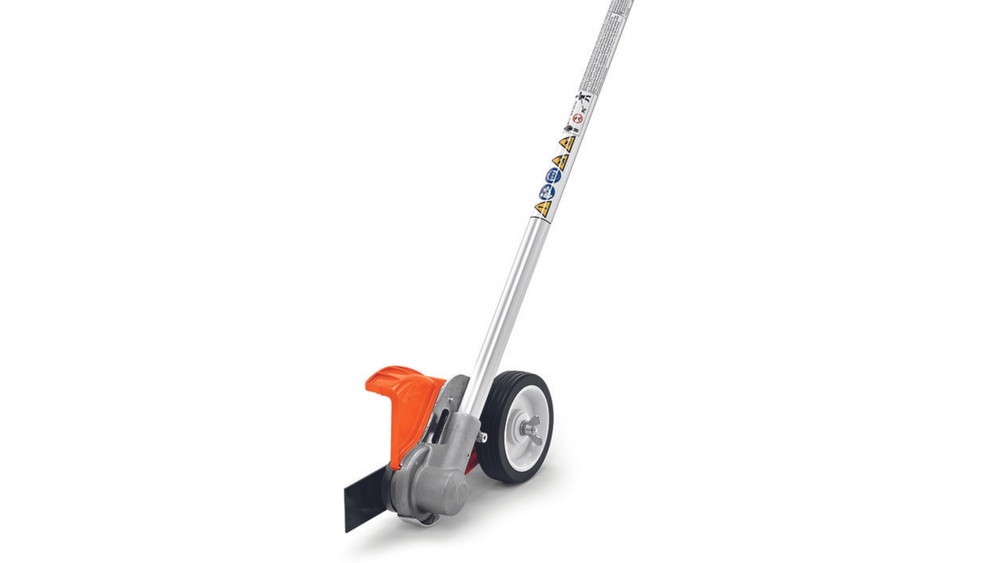
When it comes to landscaping, the right edging can transform your yard from ordinary to stunning. But with so many edger options out there, how do you pick the best one for your landscaping jobs?
Whether you’re working on a small garden or a sprawling lawn, choosing the right tool makes all the difference in creating clean, sharp lines that stand out. In this guide, you’ll discover exactly what to look for in an edger, avoid common mistakes, and learn how to get professional results every time.
Ready to upgrade your landscaping game? Keep reading to find the perfect edger that fits your needs and brings your outdoor space to life.
Types Of Lawn Edgers
Choosing the right lawn edger starts with understanding the different types available. Each type suits specific landscaping needs and yard sizes. Knowing these options helps you pick the best tool for clean, sharp edges around your lawn.
Manual Edgers
Manual edgers are simple tools with a sharp blade or wheel. They need physical effort to cut grass edges. These edgers work well for small yards or tight spaces. They are quiet and require no fuel or electricity. Manual edgers offer precise control but can be tiring for large areas.
Electric Edgers
Electric edgers run on power cords or batteries. They are lighter and easier to use than gas models. These edgers suit medium-sized lawns and offer clean, straight edges. Electric models produce less noise and no exhaust fumes. Cordless versions provide more freedom but need charged batteries.
Gas-powered Edgers
Gas-powered edgers deliver strong cutting power for large yards. They handle thick grass and tough soil easily. These edgers are heavier and louder than electric or manual types. They require regular maintenance like fuel refills and engine checks. Gas edgers work best for big landscaping jobs.
String Trimmers Vs Edgers
String trimmers trim grass and weeds but don’t create sharp edges. Edgers cut clean lines along sidewalks and flower beds. Some string trimmers come with edging attachments but lack the precision of dedicated edgers. Choose an edger for neat borders and a string trimmer for general trimming tasks.
Matching Edgers To Yard Size
Choosing the right edger depends a lot on your yard size. Different yards need different tools for the best results. Picking an edger that matches your yard size saves time and effort. It also ensures cleaner, sharper edges around your lawn and garden beds.
Small Yards
Small yards need simple, lightweight edgers. Manual or electric edgers work well here. These tools are easy to handle and store. They offer enough power to edge small lawns neatly. Small yards do not require heavy, gas-powered machines. A compact edger helps you finish quickly without fatigue.
Medium Yards
Medium yards benefit from cordless or gas-powered edgers. These have more power for thicker grass and longer edges. They cover more ground without needing frequent breaks. Medium-sized edgers balance weight and strength for comfort and efficiency. They handle curves and corners better than small models.
Large Yards
Large yards need heavy-duty, gas-powered edgers. These machines run longer and cut through tough grass easily. They reduce the time needed for big landscaping jobs. Large edgers often have wider blades to cover more area with each pass. They are built for frequent use and larger projects.
Evaluating Yard Layout
Evaluating your yard layout is essential before choosing the right edger for landscaping jobs. The shape and features of your yard influence which tool fits best. A well-planned yard layout check saves time and improves results. This section breaks down key aspects to consider in your yard.
Handling Curves And Corners
Curves and corners need special attention for clean edges. Some edgers handle curves better than others. Look for models with flexible blades or adjustable angles. Smaller, lighter edgers help navigate tight spaces easily. Sharp turns require precision to avoid damaging plants or lawn. Choose an edger that offers control and smooth operation.
Dealing With Landscape Features
Yards often have trees, flower beds, or pathways. Edging around these requires careful maneuvering. Select an edger that can work close to these features without harm. Some edgers come with attachments for trimming near obstacles. Consider the size and shape of your landscape features. This helps prevent accidental damage and keeps edges neat.
Considering Drainage
Proper drainage affects how you edge your yard. Water flow should not be blocked or redirected by edging. Choose an edger that allows for installing edges without disturbing drainage paths. Some edgers create deeper cuts that may interfere with water flow. Plan edges that guide water away from foundations and low spots. This helps avoid water pooling and soil erosion.

Credit: stafettmaran.se
Common Edging Mistakes
Common mistakes can ruin even the best landscaping plans. Edging defines your garden beds and lawn borders. Mistakes in edging can cause uneven lines and fast wear. Avoid these errors for a clean, long-lasting edge.
Skipping Site Preparation
Starting without clearing debris harms the edge. Roots, rocks, and old materials block proper placement. Uneven soil leads to crooked edges and poor fit. Level the ground and remove obstacles first.
Using Low-quality Materials
Cheap materials break or warp quickly. Plastic edges may crack in hot sun. Thin metal can bend easily. Invest in sturdy materials for durability and a neat look.
Improper Installation Depth
Edges set too shallow will move or tip over. Deep installation holds edges firm and straight. Dig trenches deep enough for half the edge height.
Ignoring Drainage Needs
Water can pool behind edges if you ignore drainage. Standing water damages plants and edges. Plan slopes and gaps to let water flow freely.
Poor Maintenance Practices
Neglect makes edges look messy and worn out. Trim grass regularly and check for shifting parts. Repair or replace damaged sections quickly to keep edges sharp.
Essential Preparation Steps
Preparing your landscaping site properly ensures a smooth edging job. Essential preparation steps help create clear, precise edges that last longer. Taking time to prepare the area saves effort and improves results. Follow these simple steps before choosing and using your edger.
Clearing Debris
Remove sticks, leaves, rocks, and any other debris from the area. Debris can block the edger and cause uneven cuts. Clearing the surface also helps you see the natural shape of the lawn or garden bed. This step prevents damage to the edger blade and improves safety.
Leveling Soil
Check the soil for bumps and holes. Use a rake to smooth out uneven spots. Level soil allows the edger to run straight and clean. Uneven ground can cause the edging line to look jagged or sloppy. Proper leveling also helps prevent water pooling near the edge.
Sketching Designs
Draw the edging layout on paper or mark it directly on the ground. Sketching helps plan curves, corners, and straight lines clearly. It guides you in cutting precise edges and prevents mistakes. Marking the design with spray paint or stakes makes the process easier.
Checking Local Regulations
Verify any local rules about landscaping changes on your property. Some areas have restrictions on edging styles or materials. Follow regulations to avoid fines or having to redo work. Checking early saves time and ensures your project is approved.
Credit: www.mainstreetmower.com
Installation Tips
Installing the right edger takes care and precision. Proper installation ensures clean lines and long-lasting results. Follow these tips to set your edging firmly and neatly for any landscaping job.
Digging Deep And Leveling
Start by digging a trench for the edger. Make it deep enough to hold the edging securely. Level the trench bottom using a small tool or your hands. This step prevents the edging from shifting over time. A flat base helps maintain a straight and tidy edge.
Securing Edging Properly
Use stakes or spikes to hold the edging in place. Push them into the soil at regular intervals. Make sure the edging fits tightly in the trench before securing it. This method stops movement caused by weather or lawn care activities. Proper securing keeps your landscape looking sharp.
Maintaining Straight And Curved Lines
Use a string line or garden hose to guide straight edges. For curves, bend flexible edging materials slowly and carefully. Avoid sharp bends that can break or crack the material. Smooth curves look natural and enhance your yard’s appeal. Take your time to shape the edging correctly.
Avoiding Material Overuse
Measure your area carefully before cutting any material. Avoid buying too much edging to reduce waste and cost. Cut pieces to fit snugly, minimizing gaps and overlaps. Overuse can cause uneven edges and extra work. Efficient material use keeps the project neat and budget-friendly.
Maintenance Best Practices
Maintaining your landscape edging is key to keeping your yard neat and tidy. Proper care extends the life of your edger and ensures clean, sharp lines. Regular maintenance helps avoid costly repairs and replacements. Follow these best practices to keep your edging in top shape.
Regular Trimming
Trim grass and weeds along the edging often. This prevents overgrowth that hides the edge and makes the yard look messy. Use a string trimmer or hand shears for precise cutting. Keeping the edge clear improves the overall appearance and health of your lawn.
Inspecting For Shifts
Check your edging regularly for any movement or gaps. Soil settling or weather changes can cause the edging to shift. Look for uneven spots or cracks that affect the line’s straightness. Early detection helps you fix problems before they get worse.
Adjusting For Soil Movement
Soil can move due to rain or temperature changes. Adjust your edging to stay level and aligned. Remove any soil buildup that pushes the edging up or causes tilting. Secure loose sections by pressing them back into place or adding stakes if needed.
Proper Concrete Curing
If your edging includes concrete, allow enough time for it to cure properly. Avoid heavy traffic or planting near the concrete until it hardens. Proper curing prevents cracks and weak spots that shorten the edging’s life. Follow manufacturer guidelines for best results.
Choosing Quality Materials
Choosing quality materials is essential for any landscaping job. The right materials ensure your edger lasts long and performs well. They also help maintain a clean and attractive edge around your lawn or garden. Poor materials can break down quickly and cause more work later.
Focus on materials that withstand weather and soil conditions. The type of material affects durability, maintenance, and overall cost. Understanding these factors helps you pick the best edger for your needs.
Durability Factors
Durability depends on how well materials resist rust, rot, and wear. Metal edgers often last longer than plastic ones. Steel offers strong resistance to bending and breaking. Aluminum is lighter but can dent or warp over time. Plastic is cheap but may crack in cold weather.
Check if the materials have protective coatings. Powder-coated steel resists rust better. UV-resistant plastics do not fade or weaken under sunlight. Strong materials reduce the need for repairs or replacements.
Material Types
Common edger materials include steel, aluminum, plastic, and composite. Steel is heavy but very tough. Aluminum is lightweight and easier to handle. Plastic is affordable and good for light work. Composite blends offer a balance of strength and flexibility.
Choose based on your yard size and soil type. Rocky or hard soil needs stronger metal edgers. Soft soil may allow lighter materials to work well. Each material suits different landscaping tasks.
Cost Vs Longevity
Higher quality materials cost more upfront. Steel or composite edgers often cost more than plastic. Spending more can save money over time. Long-lasting materials mean fewer replacements.
Cheap materials may seem good at first. They wear out fast and need frequent fixes. Consider how often you will use the edger. Frequent use calls for better materials. Occasional use may allow budget options.
Expert Tips For Perfect Edging
Perfect edging gives any landscape a clean, professional look. It defines spaces and keeps grass or mulch neat. To achieve this, some expert tips will help you use your edger better. Follow these simple steps to get sharp, straight edges every time.
Measure Twice, Cut Once
Accurate measuring saves time and materials. Mark your edging lines clearly before cutting. Check measurements carefully to avoid mistakes. This practice prevents uneven edges and wasted effort. Take your time to ensure a neat layout.
Follow Manufacturer Guidelines
Read the instructions that come with your edger. Each model has specific rules for safe use and best results. Using the tool as recommended extends its life and improves performance. Avoid shortcuts that can cause damage or injury.
Invest In Reliable Tools
Choose edgers made from strong, durable materials. Reliable tools cut cleanly and work smoothly. They reduce frustration and make your job easier. Spending a bit more on quality pays off with better results and longer use.
Maintain Consistent Upkeep
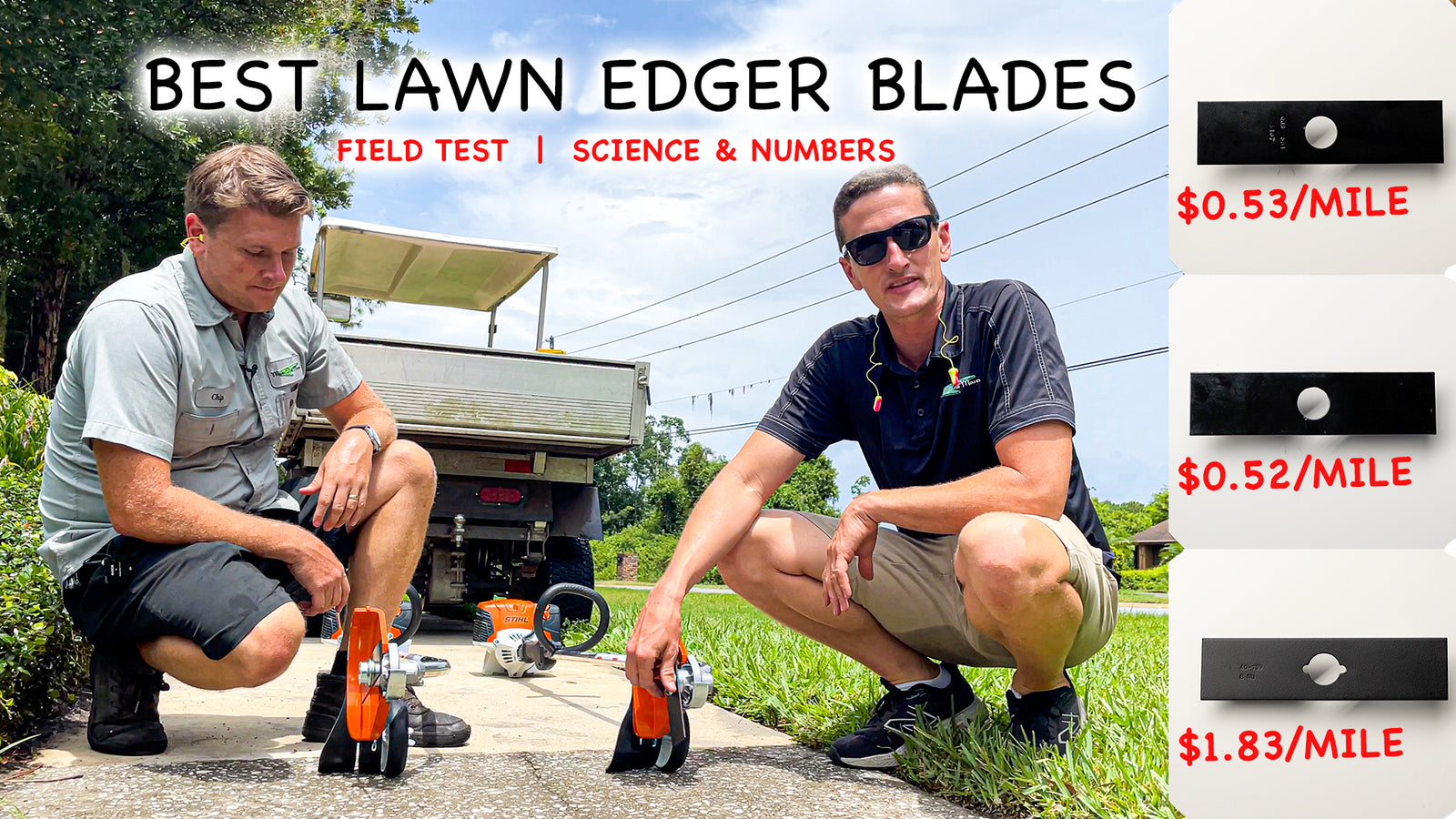
Keep your edger sharp and clean for top performance. Regularly check and replace blades if needed. Remove dirt and debris after each use. Proper upkeep ensures smooth cutting and prevents breakdowns during important jobs.

Credit: www.prestonlawn.com
Frequently Asked Questions
How Do I Choose The Right Lawn Edger?
Choose a lawn edger based on yard size, terrain, and power source. Small yards suit manual or electric models; large yards need gas-powered ones. Consider ease of use, maintenance, and budget to find the best fit for your landscaping needs.
What Are Common Mistakes When Edging?
Common edging mistakes include skipping site prep, using cheap materials, poor planning, shallow or uneven installation, ignoring drainage, and neglecting maintenance. These errors cause uneven, shifting, or failing edges and messy landscapes. Proper preparation, quality materials, and regular upkeep ensure clean, lasting edges.
What Kind Of Edging Do Landscapers Use?
Landscapers use plastic, metal, stone, and concrete edging for durability and clean lines. Choice depends on style and budget.
What Is The Best Edger For Landscaping?
The best edger for landscaping depends on yard size and complexity. Manual or electric suits small yards; gas-powered fits large areas. Choose based on landscape features and ease of use for precise, clean edges.
Conclusion
Choosing the right edger makes landscaping easier and neater. Consider yard size, shape, and your budget first. Manual, electric, or gas models suit different needs. Prepare your site well to avoid common mistakes. Use quality materials and install edges deep and straight.
Plan curves carefully and maintain your edges regularly. Good tools and proper use improve results a lot. With the right edger, your lawn will look tidy and fresh every time. Take time to pick wisely, and enjoy a beautiful yard.