
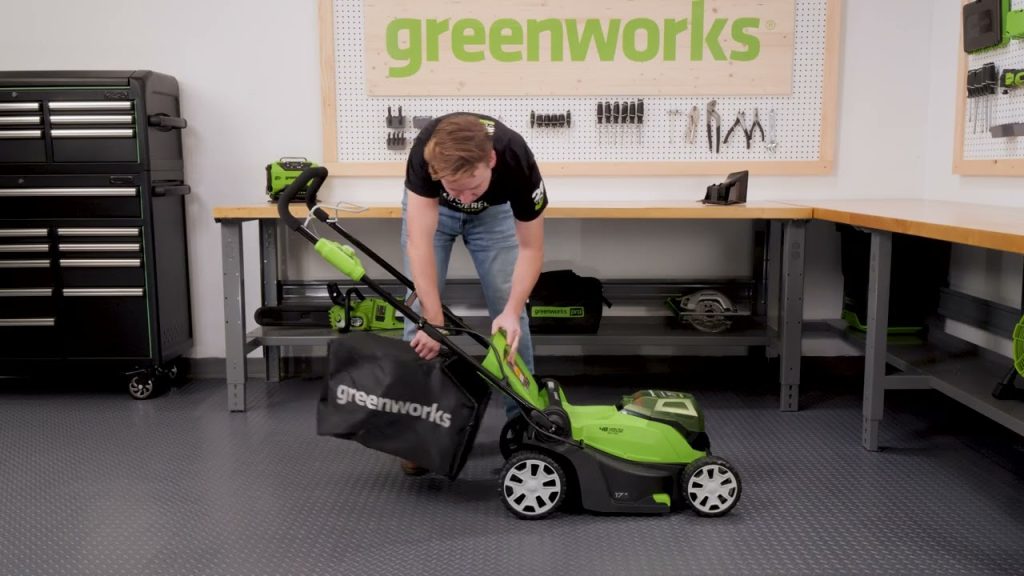
Remove your lawn mower’s bag, attach it securely to your mower, and adjust settings to bag clippings.
Bagging grass clippings can make your lawn look neat and clean while reducing the spread of unwanted seeds. By learning how to effectively use a lawn mower to bag grass clippings, you can improve your lawn’s appearance and health. This detailed guide will provide you with expert insights, practical examples, and step-by-step instructions to master the art of bagging grass clippings with ease.
Preparing Your Lawn Mower for Bagging
Before you start, ensure your lawn mower is ready:
- Check the Bag: Make sure the collection bag is in good condition and free of tears.
- Attach the Bag: Securely attach the bag to the mower. Most bags simply clip or slide onto a rear or side chute.
- Adjust the Mower Settings: Use the mulching or bagging setting. This controls how clippings are handled.
- Sharpen the Blades: Sharp blades ensure clean cuts, making it easier to bag grass effectively.
Step-by-Step Guide to Bagging Grass Clippings
Follow these steps to perfectly bag your lawn clippings:
- Start with a Dry Lawn: Wet grass is heavy and can clog the bag.
- Set the Right Height: Avoid cutting more than one-third of the grass height to prevent stress on your lawn.
- Overlap Passes: Overlap your mowing passes by a few inches to ensure no grass is missed.
- Empty the Bag Frequently: This prevents clogs and maintains efficiency.
Maintenance Tips for Optimal Performance
Ensuring your mower remains efficient involves:
- Regularly Clean the Bag: Shake out and rinse the bag after use to prevent mold and odors.
- Inspect the Chute: Check for blockages regularly.
- Lubricate Moving Parts: This will extend the life of your mower.
- Store Properly: Keep your mower in a dry, sheltered place when not in use.
Advantages of Bagging Grass Clippings
Bagging isn’t just about aesthetics:
- Prevents Thatch Build-Up: Minimizes the layer of dead grass on your lawn.
- Reduces Weed Spread: Removes seeds that may regrow.
- Enhances Lawn Health: Fewer clippings mean less competition for nutrients.
Common Mistakes and How to Avoid Them
Avoid these pitfalls when bagging grass clippings:
- Ignoring Lawn Conditions: Wet or overly long grass complicates bagging.
- Infrequent Bag Emptying: Leads to heavy bags and reduced efficiency.
- Wrong Mower Settings: Always ensure you’re on the right setting for bagging.
Frequently Asked Questions About Bagging Grass Clippings
What types of mowers are best for bagging?
Both gas and electric mowers work well. Ensure the model has a compatible bag attachment.
Can I bag clippings immediately after rain?
It's best to wait until the grass dries to prevent clogs and heavy bags.
How often should I mow when bagging?
Weekly mowing is ideal, as it maintains a manageable grass length.
Is bagging better than mulching?
Bagging is preferred for reducing seed spread, while mulching contributes to natural fertilization.
How do I know if my bag is too full?
If the mower struggles to cut or discharges unevenly, it’s time to empty the bag.
Conclusion
Bagging grass clippings can transform your lawn with minimal effort. By preparing your lawn mower properly and maintaining it regularly, you enhance both your lawn’s appearance and its health. Start applying these tips to achieve a pristine lawn and experiment with your mower settings to find what works best. Share your experiences or questions in the comments below, and consider subscribing for more lawn care tips!