
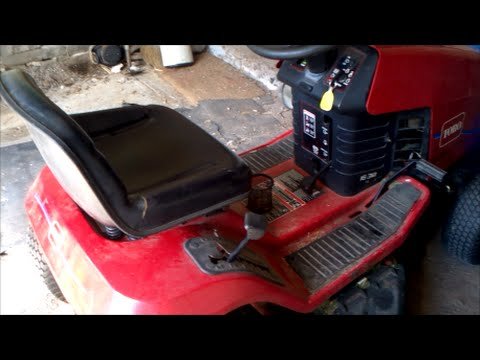
Most lawn mowers won't start because of fuel issues, spark plug problems, or a clogged filter.
When your lawn mower decides not to start, it’s frustrating, isn't it? But don’t worry, troubleshooting these issues is often straightforward and can save you from unnecessary stress. With a little bit of knowledge, you can quickly identify the reasons behind your lawn mower’s stubborn behavior. This guide will empower you with the expertise needed to tackle common problems, turning you into the go-to problem solver for lawn mower issues. Let’s dive into the practical steps and insights that will have your grass-cutting companion running smoothly again.
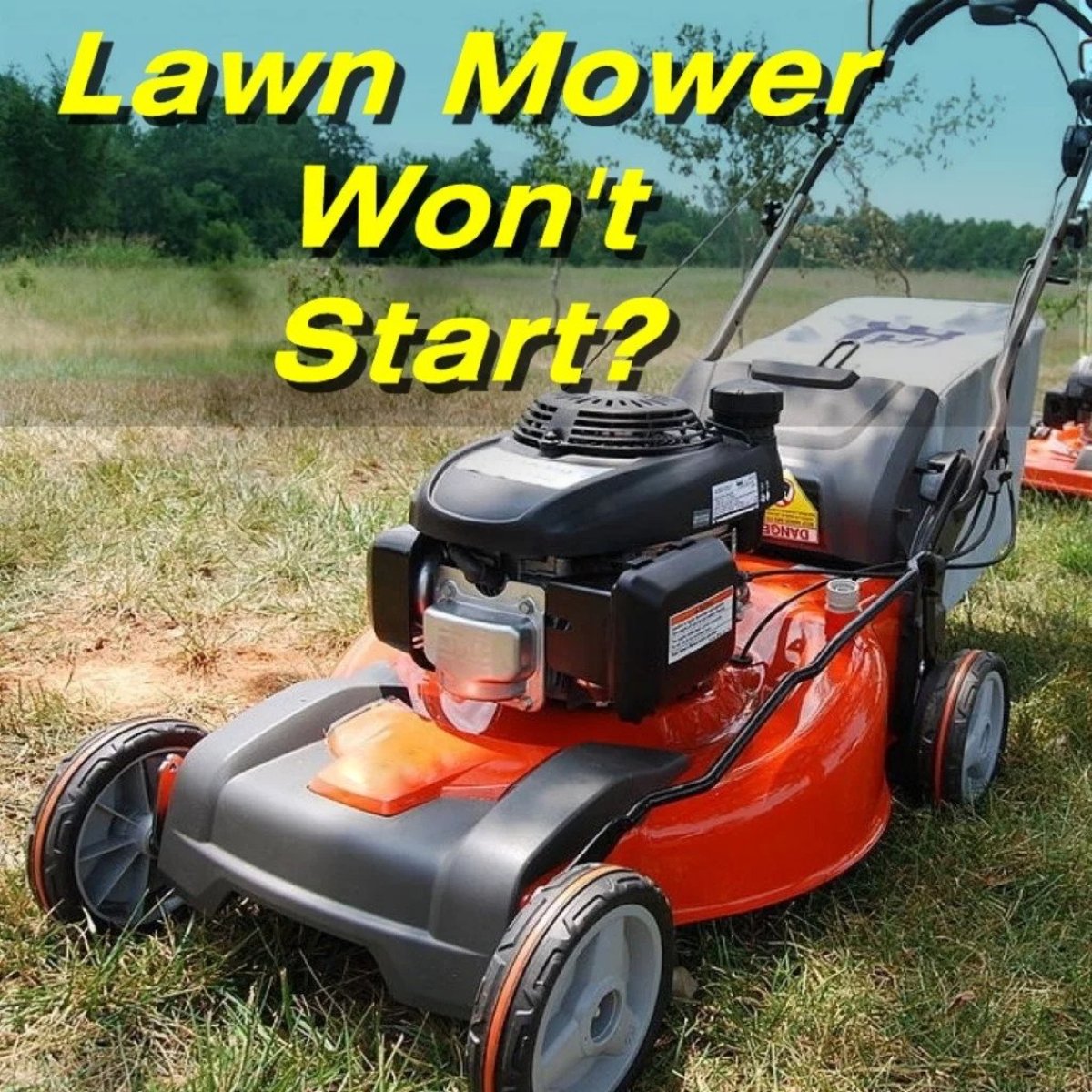
Common Reasons Your Lawn Mower Won’t Start
Understanding why your lawn mower won’t start is the first step in fixing it. Let’s explore the most common culprits and what you can do about them.
Check the Fuel
- Old or Stale Gasoline: Gasoline loses its potency over time, leading to starting problems. Replace old fuel with fresh, high-quality gasoline.
- Empty Tank: Double-check that your lawn mower has enough gas. It might sound simple, but it’s often overlooked.
Inspect the Spark Plug
- Worn or Dirty Spark Plug: A faulty spark plug can prevent the engine from igniting. Remove the spark plug and check for dirt or wear. Clean or replace it if necessary.
- Loose Connection: Ensure the spark plug is securely connected. A loose connection won’t transmit the spark properly.
Air Filter Problems
- Clogged Air Filter: A dirty air filter restricts airflow, causing the engine to struggle. Remove the filter and clean it, or replace it if it’s too dirty.
Carburetor Issues
- Carburetor Clogs: Old fuel can leave residues, clogging the carburetor. Clean the carburetor using a cleaner spray to ensure proper fuel flow.
Safety Switches and Cables
- Faulty Safety Switch: Modern mowers come with safety switches that prevent starting if certain conditions aren’t met. Ensure all switches are functioning correctly.
- Damaged Cables: Inspect the cables for cuts or breaks. Damaged cables need to be replaced to restore functionality.

Troubleshooting Steps
Here’s a step-by-step guide to diagnose the issue effectively:
-
Check Fuel Level and Quality
- Inspect the fuel tank for sufficient and fresh gasoline.
-
Examine the Spark Plug
- Remove the spark plug, clean it, and test by attaching the plug wire and grounding it to the engine block to see if it sparks.
-
Clear the Air Filter
- Locate the air filter, inspect it for dirt, and clean or replace it if needed.
-
Clear the Carburetor
- Use a carburetor cleaner to remove deposits that might be blocking fuel flow.
-
Verify Safety Switches
- Check all safety switches and ensure they engage properly.
-
Inspect Cables and Wires for Damage
- Look for visual signs of wear and tear. Replace damaged components.

Regular Maintenance Tips
Preventive maintenance goes a long way in ensuring your lawn mower starts every time:
- Change Oil Regularly: Follow the manufacturer’s instructions to change the oil, keeping the engine running smoothly.
- Schedule Annual Tune-Ups: Have a professional check-up at least once a year.
- Storage Practices: Store your lawn mower in a dry, sheltered place and use a fuel stabilizer during the off-season.
Keeping up with these practices will minimize unexpected issues and promote longevity.
Frequently Asked Questions of How to Troubleshoot a Lawn Mower That Won't Start
What should I do if my lawn mower won't start after winter storage?
Check for stale fuel, a dead battery, and other issues like corrosion that may have occurred during storage. Refresh the gas and inspect the battery.
How do I know if the spark plug is bad?
Remove and inspect the spark plug for cracks or heavy deposits. If it’s severely worn or dirty, replacing it is a good idea.
Is it safe to use starting fluid on my lawn mower?
While starting fluid can be helpful, it should be used sparingly and only according to the manufacturer’s instructions to prevent engine damage.
Why does my lawn mower stall right after starting?
Possible reasons include a clogged carburetor, dirty air filter, or issues with the fuel system. Check and clean these components.
How often should I change the air filter?
The air filter should be checked regularly and replaced after every 25 hours of use or annually, whichever comes first.
Conclusion
Navigating the world of lawn mower troubleshooting doesn’t have to be daunting. By understanding the common issues and following methodical steps, you can resolve most problems with ease. Armed with these insights and tips, ensure your lawn mower is in top condition and ready for any lawn challenge. Feel free to explore more resources or share your experiences and questions in the comments below. Stay proactive, and happy mowing!