
Toro Super Recycler or EGO Select Cut with high lift blade bag best.
If you want clean, crisp lawns, bagging matters. I test mowers in real yards, from wet spring growth to heavy fall leaves. This guide breaks down what is the best mower for bagging“>best mower for bagging, why airflow beats horsepower, and which models excel in real use. Read on to choose with confidence and avoid costly mistakes.
What is the best mower for bagging? The core idea
The best mower for bagging moves a lot of air, not just the blade. Strong suction lifts grass upright and pushes clippings far into the bag. That is what keeps the chute clear and the bag full.
When people ask what is the best mower for bagging, I look at deck shape, blade lift, and sealed airflow. A light, rigid bag and a smooth chute help, too. Power matters, but smart design wins most days.

The factors that decide bagging performance
You can spot a good bagging mower by how it handles airflow and friction. Here is what to check before you buy.
Deck and airflow path
A deep, smooth deck builds a vacuum under the blade. Curved baffles guide clippings to the chute. Fewer sharp turns mean fewer clogs.
Blade type and lift
High lift blades pull grass up and fling it back. Some battery mowers offer a high lift or bagging blade. That swap alone can change the game.
Power and blade tip speed
Engines and motors must hold speed in thick grass. Most decks target a blade tip speed near regulatory limits. The key is how well the mower keeps that speed under load.
Bag, chute, and seals
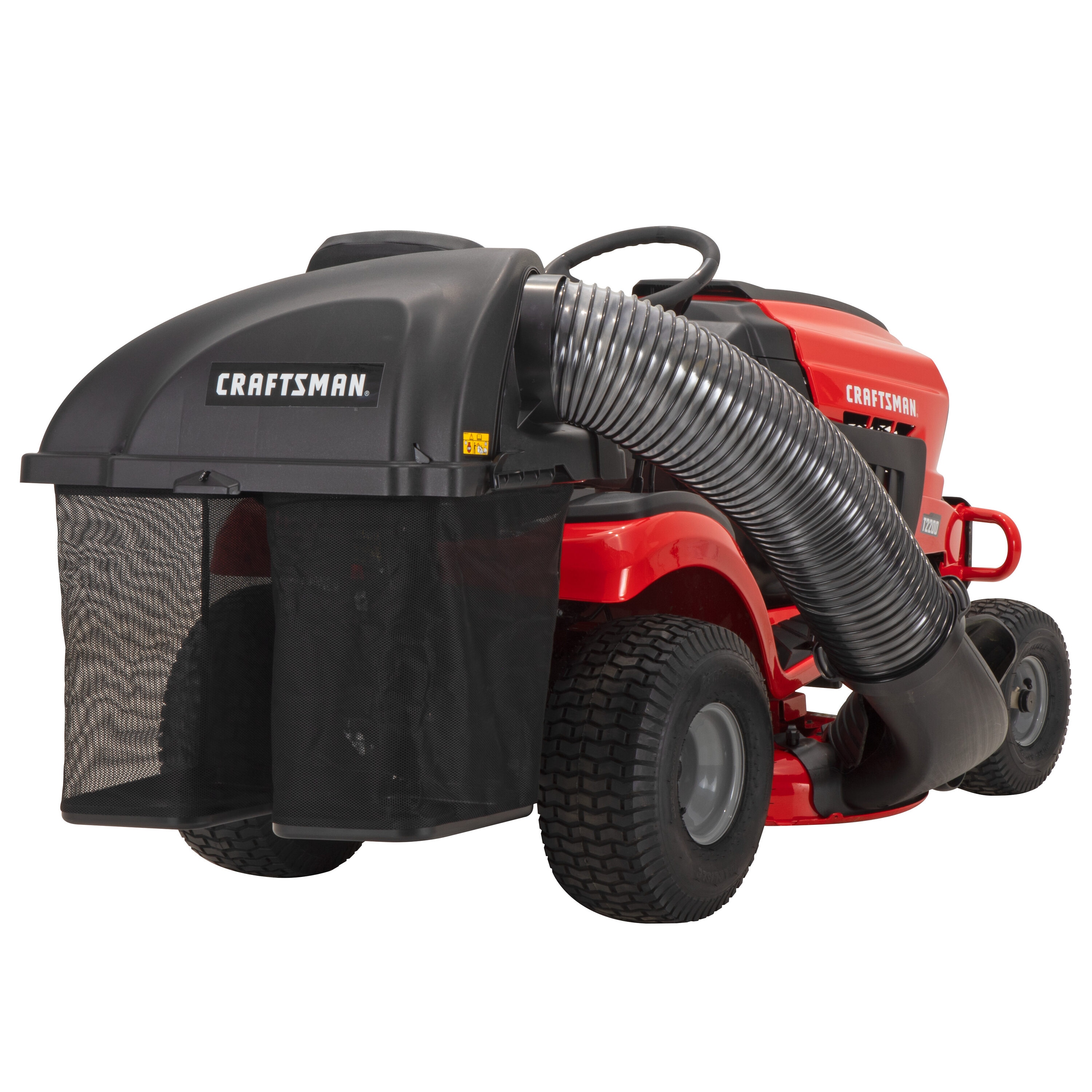
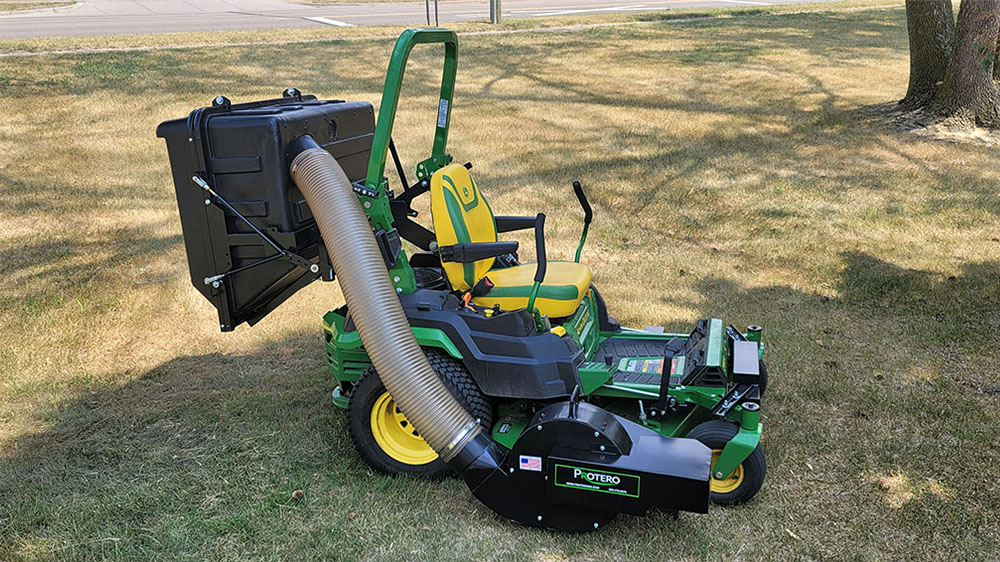
A large, vented bag fills fast and breathes well. A sealed deck-to-chute joint keeps air from leaking. A powered or turbo bagger on big mowers adds a fan for strong flow.
Grass, moisture, and height
Wet clippings are heavy and sticky. Tall grass makes big clumps. If you often mow wet or tall, choose more power, a wider chute, and the most lift you can run.
Practical checklist you can use at the store:
- Look for a deep deck and a short, straight chute.
- Ask for a high lift or bagging blade option.
- Check bag capacity and how easy it snaps on.
- Inspect seals around the chute and deck port.
- Confirm support for a powered bagger on tractors or zero turns.
If you want what is the best mower for bagging in hard conditions, match your mower to your lawn and your season.
Best picks by lawn size and power type
I group the best bagging choices by yard size and use. This makes it simple to decide.
Small yards up to 0.25 acre
Best battery: EGO Select Cut LM2135SP with the high lift blade. It has strong airflow for a cordless unit and a big, rigid bag. It shines in weekly cuts and light leaves.
Best gas: Toro Super Recycler 21 inch. The cast deck makes great suction and the bag fills even with damp clippings. It is a top answer when people ask what is the best mower for bagging in small lots.
Medium yards 0.25 to 0.5 acre
Best gas self-propelled: Toro Super Recycler or a quality commercial 21 inch like Exmark’s pro 21. They keep speed under load and resist clogging. Snapper Hi-Vac is also a classic bagger thanks to its vacuum-style deck.
Best battery if you want quiet: EGO Select Cut XP with high lift blade. Use two batteries on hand for back-to-back cuts.
Large yards 0.5 to 2 acres
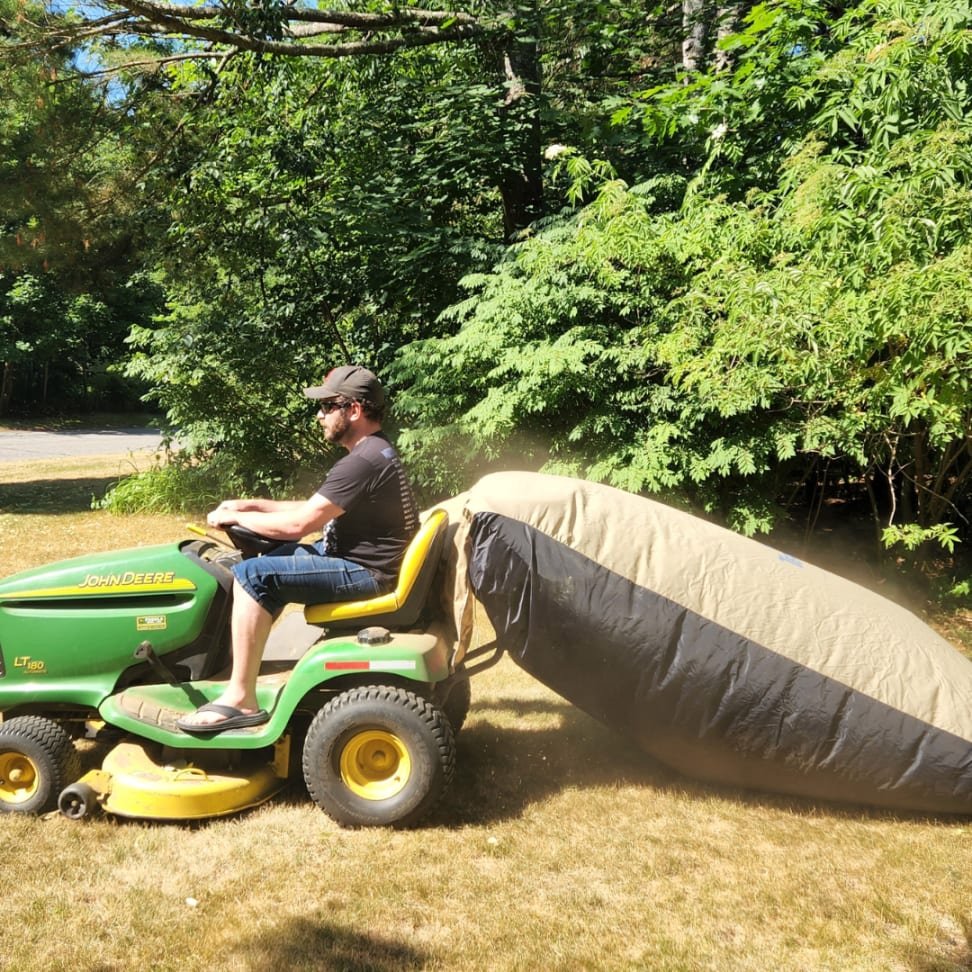
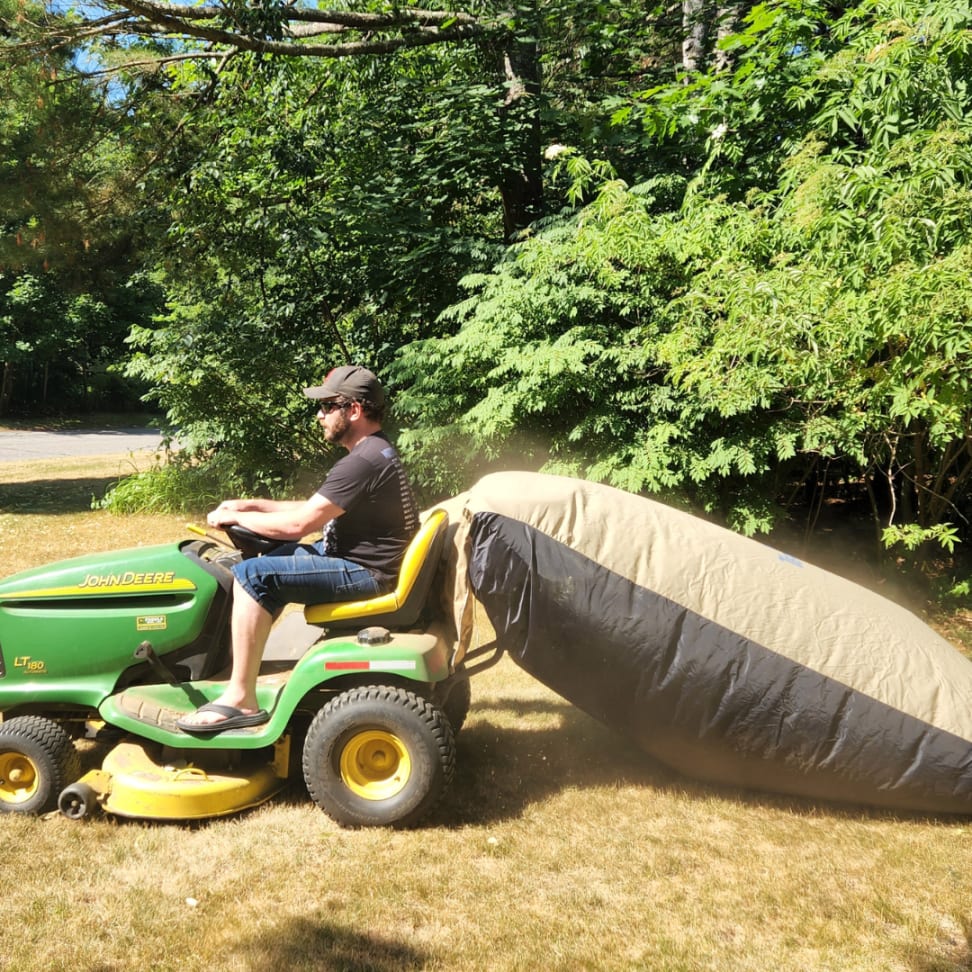
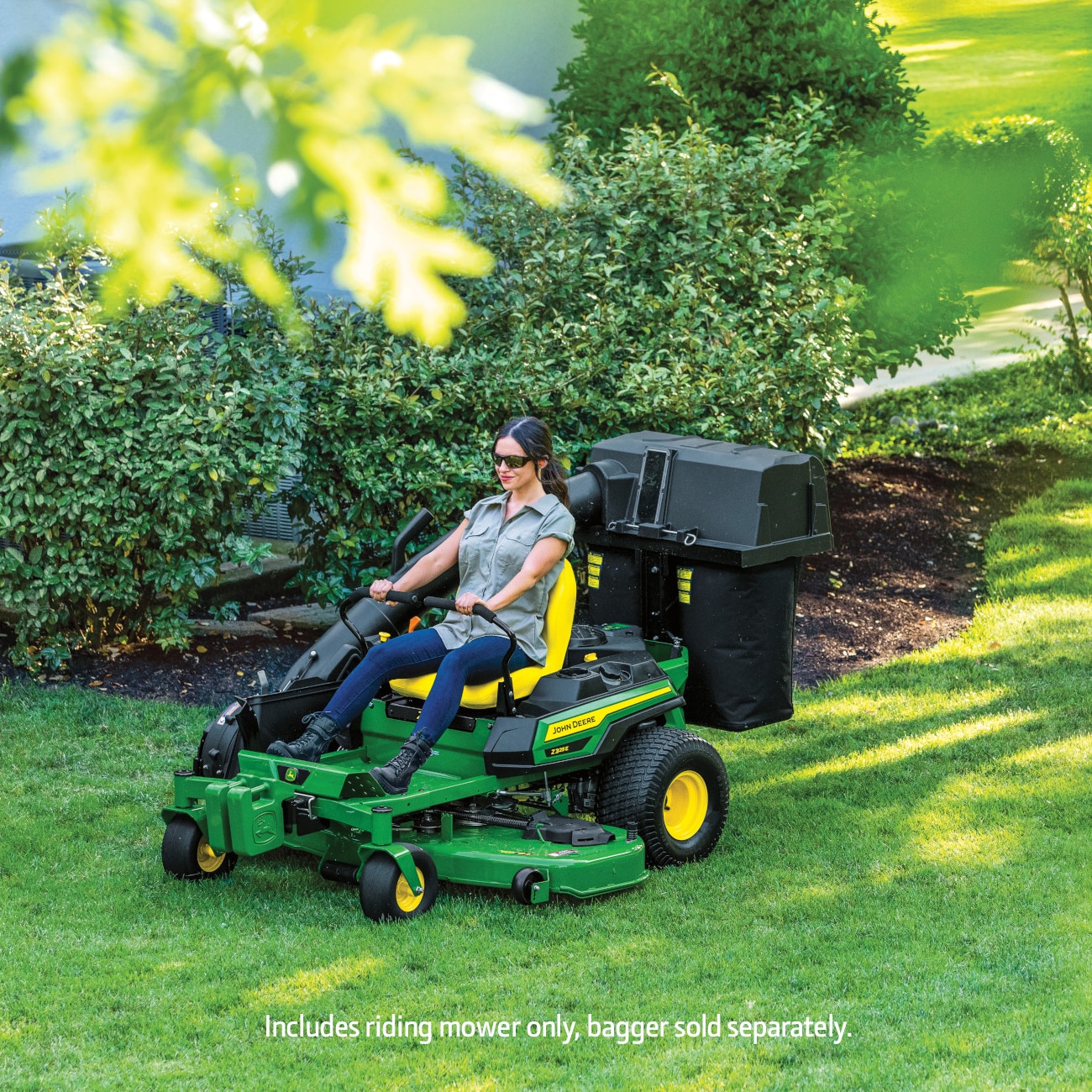
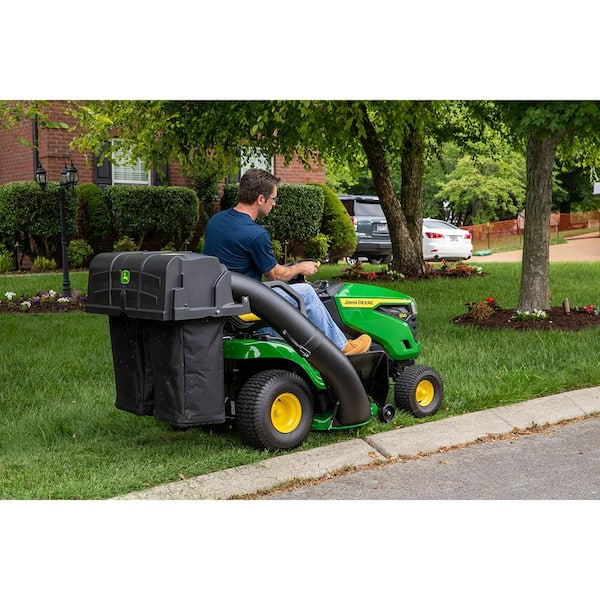
Best lawn tractor with bagger: John Deere 100 or 200 Series with Power Flow bagger, Cub Cadet XT1 with twin or triple bagger. Fan-assisted systems keep the chute clear and pack the bags tight. This is what I suggest when asked what is the best mower for bagging on big lawns.
Complex lawns and heavy fall leaves
Best zero turn with powered bagger: Toro TimeCutter or Titan with a turbo bagger, Ariens or Exmark with a belt-driven blower kit. The powered impeller is the secret. It turns leaves into neat, dense loads.
Wet, lush, or fast-growing turf
Pick a gas mower with more torque and a high lift blade. Use a larger chute and the shortest, straightest path you can. This combo answers what is the best mower for bagging when rain is common.
Tip on availability: Models shift each year. Match the deck style and bagger kit first. Then pick the trim level you prefer.
Saying it plain: what is the best mower for bagging depends on airflow, not just engine size.
Hands-on notes from the field
My fall cleanup test is rough. I mow damp maple leaves after a light dew. The EGO Select Cut with the high lift blade packs the bag well for a battery unit. It will still slow if I push too fast in wet spots.
The Toro Super Recycler shrugs at the same pass. The deck makes a tight vacuum, so clippings and leaves shoot deep into the bag. On large lots, a Deere with a Power Flow bagger does not clog even when the chute is long. Fan assist makes the difference there.
From years of tests, what is the best mower for bagging comes down to deck vacuum, then blade lift, then power. If those three are right, bagging is easy.
Setup tips to make any mower bag like a pro
You can boost bagging with a few simple steps.
- Install a true high lift or bagging blade. Keep it sharp.
- Clean the deck and chute each use. Dry grass flies better.
- Mow when grass is dry. If it is wet, raise the deck one notch.
- Slow your ground speed in heavy spots. Let suction do the work.
- Overlap each pass by one third. This keeps the chute clear.
- Empty the bag before it is overfull. Airflow needs room to breathe.
- Check bag fabric. If it is clogged with dust, wash and let it dry.
- Seal any air leaks at the chute joint with fresh gaskets.
Follow these and you may change your view on what is the best mower for bagging. Many “okay” mowers become great with the right blade and habits.
Cost, maintenance, and ownership
Great bagging is not only about day one. It is also about living with the machine.
- Blades need sharpening every 20 to 25 hours. High lift blades dull faster on sandy soil.
- Bags and chutes wear. Budget for a new bag every few seasons if you mow often.
- Engines and motors must keep RPM. Fresh filters and clean batteries help hold speed.
- Powered baggers add belts and a blower. Plan light service before fall leaf season.
- Storage matters. Keep bags dry and off the floor to prevent mildew and tears.
If you want to know what is the best mower for bagging over years, pick a model with easy parts support and a proven bagger kit.

How I test bagging and how you can compare
I use a simple, fair method.
- I weigh an empty bag.
- I mow a marked 1,000 square foot area.
- I weigh the full bag and note time and clogs.
- I repeat on dry grass, wet grass, and dry leaves.
You can try a smaller version at home. It will tell you more than any spec sheet. When friends ask what is the best mower for bagging, I share these results. Real numbers beat guesses.
Quick buyer checklist:
- Does it offer a high lift blade?
- Is the deck deep and smooth?
- Is the bag large and easy to dump?
- Is there a powered bagger for big decks?
- Can you get parts fast near you?
Frequently Asked Questions of what is the best mower for bagging
What is the best mower for bagging if I have many leaves?
Choose a mower with a powered bagger. Zero turns and tractors with fan assist keep chutes clear and pack leaves tight.
Is battery good enough for heavy bagging?
Yes, if you use a high lift blade and fresh, high output packs. For wet or tall grass, gas still holds an edge.
What deck size is best for bagging?
For walk-behind units, 21 inches gives strong suction and easy handling. For big yards, a 42 to 54 inch deck with a powered bagger works well.
How often should I empty the bag?
Do not overfill. Stop when airflow drops or clippings back up in the chute. Frequent dumps keep suction strong.
What is the best mower for bagging wet grass?
Pick a gas self-propelled with a deep deck, high lift blade, and a wide chute. Go slow and raise the deck one notch.
Does a high lift blade really help?
Yes. It lifts the grass and pushes clippings deep into the bag. It is the fastest low-cost upgrade you can make.
What is the best mower for bagging on a small budget?
A solid used Toro Super Recycler or a Snapper Hi-Vac can be a smart buy. Focus on deck shape and a fresh bag.
Conclusion
Bagging comes down to airflow and control. Match a deep deck, a high lift blade, and the right bagger kit to your yard, and you will get clean lines and a tidy finish. If you still wonder what is the best mower for bagging, use the checklist here, try a blade swap, and test on a small plot.
Ready to dial in your setup? Pick one of the proven options above, apply the setup tips, and share your results. Subscribe for more field-tested guides, or leave a comment with your lawn size and goals for a tailored pick.