
Last updated: October 2026 · Written by the LawnVibe editorial team.
Learning how to edge a lawn with a spade gives you a crisp, natural border between grass and flower beds without plastic or metal edging. Mark your line, push a sharp spade straight down 3 to 4 inches along the lawn side, then angle the blade from the bed side to cut a small V-shaped trench and lift out the wedge of turf and soil. Re-cut the edge every few weeks in the growing season and it will stay sharp all year.
These steps follow standard landscaping and horticultural practice, including advice from organizations such as the Royal Horticultural Society. A sharp spade makes all the difference; see our guide to the best garden spade for tools that cut cleanly.
Why Edge a Lawn With a Spade?
A spade-cut edge, sometimes called a natural, English or trench edge, costs nothing beyond the tool, looks tidy and makes mowing and trimming easier. The small trench creates a physical gap that slows grass runners and keeps mulch in the bed. Unlike installed edging, it can be reshaped whenever you change your bed design.
Tools You Need
You need a sharp flat garden spade or a half-moon edger, a garden hose or string and stakes for marking lines, a bucket or wheelbarrow for removed turf, grass shears or a string trimmer for tidying and mulch for finishing the bed. A border spade gives more control around tight curves. If you prefer a dedicated tool, compare options in our guide to the best manual lawn edger.
Step 1: Choose the Right Time
Edge when the soil is moist but not soggy, typically a day or two after rain or watering. Dry, hard soil is difficult to cut, and very wet soil smears and crumbles. Spring and early autumn are ideal.
Step 2: Mark the Edge Line
For straight edges, run a string between two stakes. For curves, lay a garden hose in the shape you want and adjust until it looks right from different angles, including from the house windows. Smooth, sweeping curves are easier to mow than tight wiggles.
Step 3: Cut the Vertical Edge
Stand on the lawn side facing the bed. Place the spade blade along the line with the flat back of the blade facing the lawn. Push straight down with your foot to about 3 to 4 inches deep. Move along the line, overlapping each cut slightly so the edge is continuous. Keep the blade vertical to create a clean wall on the lawn side.
Step 4: Cut the Angled Bed Side
Move to the bed side. Push the spade in at an angle about 3 to 4 inches back from the vertical cut, angling toward the bottom of the first cut. This creates a V-shaped trench.
Step 5: Remove the Wedge
Lever out the wedge of turf and soil. Shake loose soil back into the bed and remove grass roots to the compost or a bucket. Turf pieces can be composted upside down or used to patch bare spots elsewhere.
Step 6: Tidy and Mulch
Trim any overhanging grass along the edge with shears. Rake the bed side smooth so the trench slopes gently, and add mulch up to, but not overflowing, the trench. The gap between mulch and lawn keeps the line crisp.
Maintaining a Spade Edge
Re-cut the vertical edge lightly every few weeks to a couple of months during the growing season, shaving off just the grass that has crept in. Use long-handled edging shears or a string trimmer held vertically between re-cuts. Our guide on how to edge a lawn with a string trimmer explains that method. Each time, the job takes far less effort than the first cut.
Spade vs Half-Moon Edger
A half-moon edger has a semicircular blade designed specifically for edging. Its curved edge rocks easily around curves and gives clean cuts. A flat spade does the same job, is more versatile for other garden tasks and makes better straight edges. Many gardeners use a spade they already own and only buy an edger if they edge large areas. See our spade vs shovel guide for more on blade shapes.
Edging Along Paths and Patios
Next to hard surfaces, a spade is less useful because there is no soil to cut on the far side. Instead, cut a straight vertical edge along the lawn and keep grass from creeping over the paving with regular trimming, or use a powered edger designed for sidewalks.
Spade Edge vs Installed Edging
| Feature | Spade-Cut Edge | Installed Edging (plastic, metal, stone) |
|---|---|---|
| Cost | Free with a spade | Material cost plus installation |
| Look | Natural, informal or classic | Defined, can be decorative |
| Maintenance | Re-cut every few weeks | Occasional realignment |
| Flexibility | Easy to reshape beds | Harder to change |
| Grass control | Good with regular re-cutting | Good if installed deep enough |
| Mowing | May need trimming | Mower strips allow mowing over the edge |
Many gardeners start with a spade edge and add metal or stone edging later in high-traffic areas.
How Grass Type Affects Edging
Grasses that spread by runners, such as Bermuda, zoysia, St. Augustine and Kentucky bluegrass, creep into beds faster and need more frequent re-cutting. Bunch-type grasses like tall fescue and perennial ryegrass spread more slowly, so edges stay crisp longer. If you have an aggressive spreading grass, cut a slightly deeper vertical edge and re-cut more often, or consider a physical edging barrier.
Sharpen Your Spade First
A sharp spade cuts turf and roots cleanly instead of tearing them, which saves effort and leaves a neater line. Before a big edging job, file the cutting edge with a mill file, holding the file at a shallow angle and stroking toward the edge. Clean soil off the blade between sections so it keeps slicing easily.
Designing Better Bed Shapes
Edging is a chance to improve your garden layout. Broad, flowing curves look natural and are easy to mow around. Straight lines suit formal gardens and modern homes. Make beds wide enough for plants to fill out, and avoid narrow strips of lawn that are hard to mow. Before cutting, view the marked line from several angles and from upstairs windows if possible.
Creating a New Bed With a Spade Edge
To create a new bed, mark the outline, cut the edge as described, then slice under the turf inside the bed in strips with the spade held nearly flat. Roll up the strips and remove them, or smother the grass with cardboard and mulch for a no-dig approach. Loosen and enrich the soil before planting.
Ergonomic Tips for Edging
Edging involves many repeated cuts, so pace yourself. Use the spade tread and your body weight instead of jabbing with your arms, keep your back straight and switch your leading foot regularly. Kneeling pads help when tidying edges with hand shears. Work in sections and take breaks.
Seasonal Edging Schedule
In early spring, do the main re-cut to reset edges after winter. Through late spring and summer, lightly trim every few weeks, more often for spreading grasses. In early autumn, do another thorough re-cut as growth slows, which keeps beds tidy through winter. Avoid major edging during drought, when grass is stressed and soil is hard.
Edging Next to Gravel and Mulch Beds
For gravel beds, a deeper, cleaner vertical edge helps keep stones out of the lawn, and some gardeners install a hidden barrier just below the turf line. For mulch beds, keep mulch slightly below the lawn level so the trench shows a clear line and mulch does not wash onto the grass.
How Long Does Edging Take?
The first cut of a new edge is the slowest. Expect to edge roughly a few dozen feet of new bed edge in an hour, depending on soil, grass density and your fitness. Maintenance re-cuts are much faster, since you are only shaving off a thin strip of new growth. Many gardeners find they can refresh all their edges in a short session once the original line is established.
Dealing With Roots and Stones
Near trees and shrubs, you may hit roots when cutting an edge. Small roots can be sliced with a sharp spade, but avoid cutting large structural roots of trees, which can harm the tree. Shift the edge line slightly if needed. If you hit stones, lever them out with the spade tip or a hand fork rather than forcing the blade, which can bend it.
Keeping Pets and Children Safe
A V-trench edge is shallow, but it can still trip small children or older visitors if it is too deep or wide. Keep the trench modest, around 3 to 4 inches deep and a similar width, and fill it partially with mulch where people walk across. Store the spade away after use rather than leaving it lying on the lawn.
What to Do With Removed Turf
The wedges of turf you remove are valuable. Shake off loose soil back into the bed, then compost the turf upside down in a pile, where it breaks down into rich loam over time. Healthy pieces can also patch thin or bare spots in the lawn; press them firmly into loosened soil and water well.
Finishing Touches for a Professional Look
After cutting and mulching, mow the lawn and run a string trimmer or shears along the edge for a crisp finish. Blow or sweep clippings off paths. For extra definition, top up the mulch to a consistent depth and keep plants trimmed back from the edge so foliage does not spill over and hide the line.
Edging in Shady Areas
Grass in shade often grows thinner and slower, so edges stay crisp longer but can look ragged where grass is sparse. Cut the edge where the turf is healthiest, and consider extending the bed into areas where grass struggles rather than fighting to keep thin lawn.
When to Call a Landscaper
For very long edges, heavy clay or large redesigns, a landscaper with a powered bed edger can cut new lines quickly. You can then maintain them yourself with a spade.
A Quick Edging Checklist
Sharpen the spade, mark the line, cut vertically on the lawn side, angle in from the bed side, remove the wedge, trim, mulch and repeat lightly every few weeks.
Tools for Spade Edging
These tools help you cut and keep crisp edges. Details come from Amazon listings; we have not hands-on tested them.
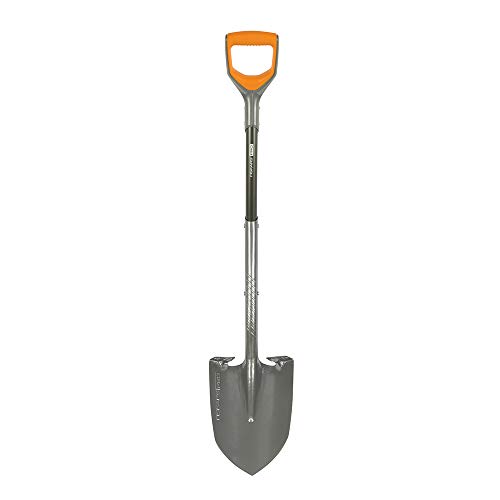
Fiskars 44-Inch Pro Garden Spade
Best for: Everyday digging in most soils
A heavy-gauge steel spade with a sharpened edge and an aluminum D-handle that Fiskars designs for digging and prying without separation.
- Sharpened edge bites into soil
- Strong D-handle
- Widely available
- Heavier than stainless border spades

AMES Tempered Steel Garden Spade, 43-Inch
Best for: Flower beds and light digging
A tempered steel spade with an arched blade for cutting sod and a poly D-grip.
- Affordable
- Arched blade for edging
- Lighter-duty construction

Colwelt Saw-Tooth Half-Moon Lawn Edger with T-Grip
Best for: Cutting curves and long edges
A half-moon edger with a saw-tooth blade and T-grip designed for edging lawns.
- Made for edging
- Rocks easily around curves
- Single-purpose tool

Fiskars Long-Handled Edging Shears
Best for: Trimming between re-cuts
Long-handled shears for trimming lawn edges without bending.
- Long reach
- Saves your back
- Slower than a string trimmer

Corona Handheld Garden Tool Sharpener
Best for: Keeping the spade edge sharp
A handheld sharpener for garden tool blades.
- Compact
- Easy to use
- Small for heavily damaged edges
Find the right digging tool in our best garden spade guide.
Common Mistakes When Edging With a Spade
Common mistakes include using a dull spade, cutting when soil is too dry or wet, angling the lawn-side cut so the edge slopes and crumbles, making the trench too deep and wide so it becomes a trip hazard, overfilling the trench with mulch and waiting too long between re-cuts.
Final Thoughts on How to Edge a Lawn With a Spade
A spade-cut edge is one of the simplest ways to make a garden look finished. Mark the line, cut straight down on the lawn side, angle in from the bed side, lift out the wedge and mulch. Re-cut regularly and keep your spade sharp. For a spade that slices cleanly, see our best garden spade picks.
More Questions People Ask
What is the easiest way to edge a lawn by hand?
A sharp half-moon edger or flat spade along a string or hose line is the easiest manual method. Re-cutting regularly keeps the job quick.
How do you keep grass from growing into flower beds?
Maintain a V-trench edge, re-cut it regularly, or install a physical edging barrier deep enough to block runners.
Should a lawn edge be straight or curved?
Either works. Gentle curves look natural and are easy to mow; straight edges suit formal designs.
Do I need to edge every time I mow?
No. Trim with shears or a trimmer as needed when mowing, and re-cut with a spade every few weeks.
Frequently Asked Questions
Can you edge a lawn with a regular spade?
Yes. A sharp, flat garden spade cuts clean lawn edges. A half-moon edger is designed for the job and makes curves easier, but a spade works well.
How deep should a lawn edge be?
Many gardeners cut the vertical edge about 3 to 4 inches deep, with a sloping V-shaped trench toward the bed. Deeper edges slow grass from creeping in.
How often should I re-cut a spade edge?
Every few weeks to a couple of months during the growing season, depending on how quickly your grass spreads.
When is the best time to edge a lawn?
Spring and early autumn, when soil is moist and grass is actively growing, are ideal. Avoid cutting edges in very dry or waterlogged soil.
Should I edge before or after mowing?
Many people cut the edge first and mow afterward to pick up clippings, then trim any stray grass with shears.