
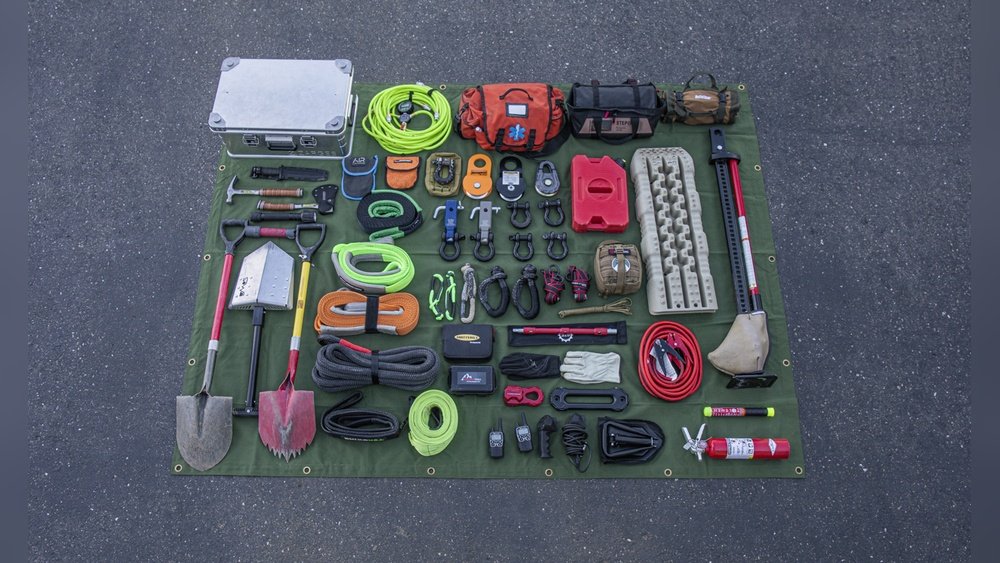
Every Jeep owner knows the thrill of exploring off-road trails, climbing rocky hills, or crossing muddy paths. But with adventure comes risk. Even experienced drivers can get stuck in mud, sand, or snow. That’s why a Jeep recovery kit isn’t just a nice-to-have—it’s essential. A well-prepared kit can mean the difference between a quick rescue and spending hours (or even overnight) stranded in a remote area. If you want to enjoy your Jeep to the fullest and stay safe, knowing exactly what should be in your recovery kit is crucial.
This guide breaks down the essentials, explains why each item matters, and offers practical tips for building your own kit. Whether you’re a weekend warrior or a seasoned overlander, you’ll get clear advice on picking the right gear, packing it efficiently, and using it safely.
Plus, you’ll find non-obvious insights and real-world examples to help you avoid common mistakes.
Why A Jeep Recovery Kit Matters
Getting stuck off-road is not just inconvenient; it can be dangerous, especially in remote locations or bad weather. Even small obstacles can halt your progress if you’re not ready. A Jeep recovery kit gives you the tools to handle many types of situations, from a simple mud bog to a steep, rocky climb.
Beyond safety, having the right gear builds confidence. You can travel further and tackle tougher trails when you know you’re prepared. And if you drive with friends, your kit can help others too. Many off-roaders find that sharing recovery gear builds trust and community on the trail.
Surprisingly, many beginners overlook essential items, pack the wrong equipment, or forget to maintain their gear. A good kit isn’t just about having stuff—it’s about having the right stuff, knowing how to use it, and keeping it ready for action.
Key Elements Of A Jeep Recovery Kit
Let’s look at the core items every Jeep owner should consider. Each serves a unique purpose and can help in different scenarios.
1. Recovery Straps
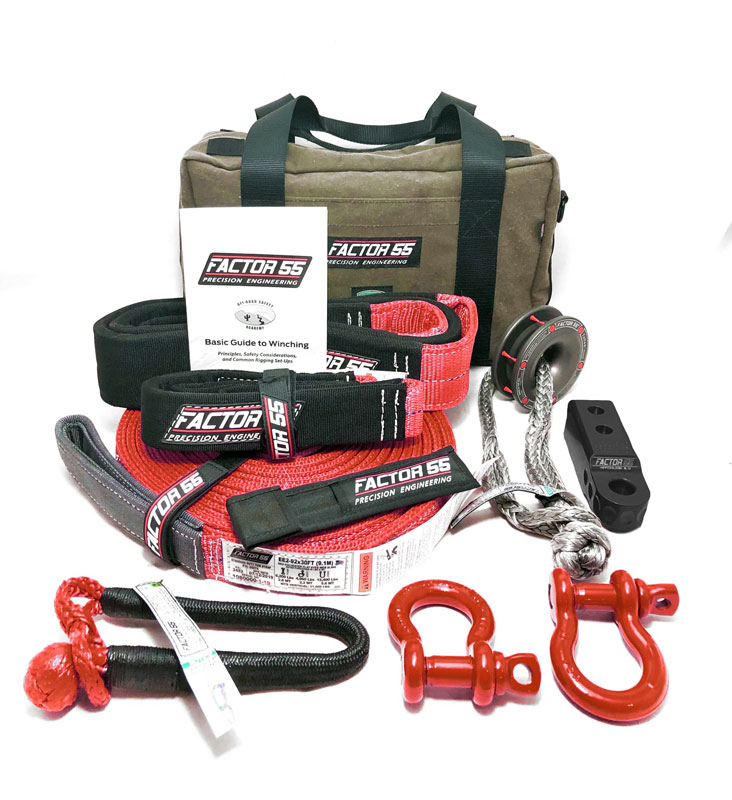
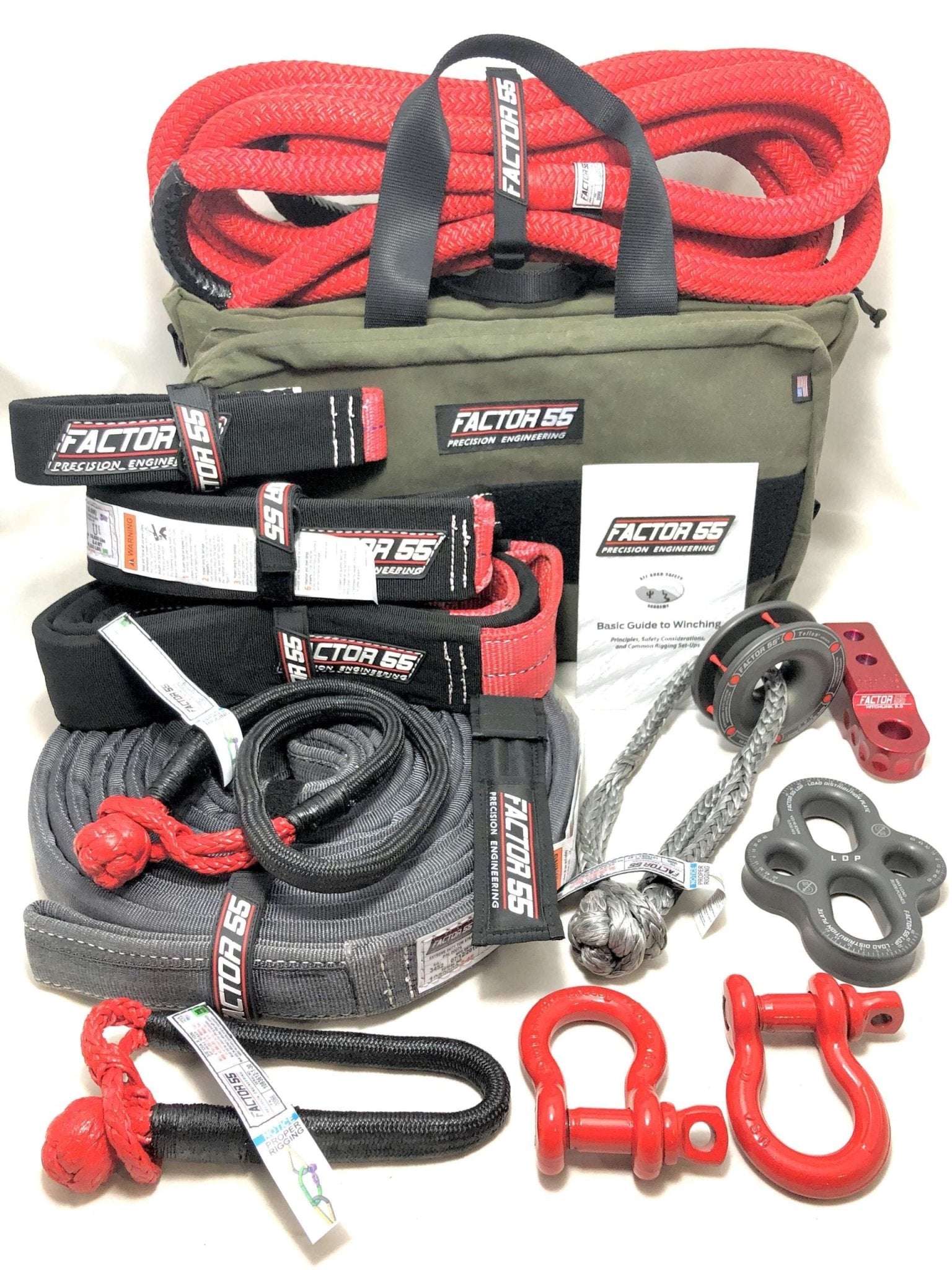
Recovery straps are strong nylon straps used to pull a stuck vehicle. They’re different from towing straps, which aren’t designed for the shock loads of off-road recovery.
- Kinetic recovery straps stretch and store energy, making them better for “snatching” vehicles out of mud or sand.
- Static recovery straps don’t stretch much and are safer for controlled pulls.
Most experts recommend a 20-30 foot strap rated at 2-3 times your Jeep’s weight. For example, a 20,000 lb breaking strength is ideal for most Wranglers.
2. D-shackles (bow Shackles)
D-shackles, also called bow shackles, connect straps or winch lines to recovery points. Choose shackles rated for off-road use—at least 3/4” size with a working load limit of 4.75 tons or more.
Avoid cheap shackles from hardware stores; they often aren’t rated for vehicle recovery and can break under load.
3. Winch (and Accessories)
A winch is a powerful tool for self-recovery. Electric winches (typically 8,000–12,000 lb capacity) are popular for Jeeps. But a winch alone isn’t enough—you need the right accessories:
- Winch line dampener: Absorbs energy if the line snaps.
- Snatch block: Doubles your pulling power or changes the direction of pull.
- Winch gloves: Protect your hands from cable burns and frays.
- Remote control: Lets you operate the winch safely from a distance.
Pro tip: Synthetic winch ropes are lighter and safer than steel cables, but they need protection from sharp edges.
4. Traction Boards
Traction boards (like Maxtrax or TRED) are lightweight platforms you wedge under tires to regain traction in sand, mud, or snow. They’re easy to use, work without help from another vehicle, and double as shovels in a pinch.
High-quality boards are expensive but more durable; cheap versions can crack or melt under spinning tires.
5. Shovel
A strong shovel is a must. Digging around tires, clearing mud, or building ramps for traction often solves problems faster than pulling.
Look for a compact, folding shovel with a reinforced blade. Some off-roaders prefer full-size shovels for tough terrain.
6. Tire Repair Kit
Off-road trails are tough on tires. A tire repair kit lets you fix punctures (like nails or thorns) without removing the tire. Most kits include:
- Tire plugs
- Insertion tool
- Lubricant
- Valve cores and caps
A small air compressor (discussed below) is the perfect companion, so you can re-inflate after a repair.
7. Air Compressor
An air compressor is vital for adjusting tire pressure. Lowering (“airing down”) increases traction on soft surfaces, but you need to re-inflate for pavement driving.
Portable 12V compressors are easy to store. Make sure yours can handle the size of your Jeep’s tires. Aim for at least 2. 0 CFM (cubic feet per minute) output.
8. Hi-lift Jack Or Bottle Jack
A Hi-Lift jack can raise your Jeep to free it from obstacles or change a tire. It works in places a regular jack can’t, but it requires skill and caution.
Some prefer a bottle jack for safety and stability on flat surfaces. Either way, always use jacks carefully—improper use can cause serious injury.
9. Gloves
Heavy-duty gloves protect your hands when handling straps, winch lines, or sharp objects. Choose a pair with reinforced palms and snug fit for the best control.
10. Recovery Damper
A recovery damper is a weighted blanket you drape over winch lines or straps. If a line snaps, the damper absorbs energy and reduces the risk of flying debris.
Some off-roaders use a floor mat or heavy jacket as a substitute, but purpose-built dampers are more effective and visible.
11. Flashlight Or Headlamp
Recovery often happens in low light. A flashlight or headlamp helps you see and be seen. LED models are bright, last longer, and survive rough conditions.
12. Tree Saver Strap
When winching from a tree, a tree saver strap wraps around the trunk to protect the bark and your winch line. Look for wide, flat straps rated for 20,000 lbs or more.
13. Basic Tool Kit
A tool kit with sockets, wrenches, screwdrivers, and pliers lets you fix common problems on the trail. Add spare fuses, duct tape, and zip ties for quick fixes.
14. First Aid Kit
Injuries can happen anytime. A first aid kit should include bandages, antiseptic, pain relievers, and a tourniquet. Customize it for your group and keep it accessible.
15. Emergency Blanket Or Poncho
Weather can change fast. An emergency blanket or poncho keeps you warm and dry if you’re stuck for hours.
Comparison: Essential Vs. Advanced Recovery Gear
To help you prioritize, here’s a simple overview of essential items every Jeep should carry, and advanced gear for tougher trails.
| Gear Type | Essential | Advanced |
|---|---|---|
| Recovery Strap | ✔️ | |
| D-Shackles | ✔️ | |
| Winch | ✔️ | |
| Traction Boards | ✔️ | |
| Shovel | ✔️ | |
| Tire Repair Kit | ✔️ | |
| Air Compressor | ✔️ | |
| Hi-Lift Jack | ✔️ | |
| Recovery Damper | ✔️ | |
| Tree Saver Strap | ✔️ | |
| First Aid Kit | ✔️ | |
| Tool Kit | ✔️ |
How To Choose The Best Recovery Gear
Not all gear is created equal. Here’s what to consider when shopping for your Jeep recovery kit.
Rated Strength
Always check the breaking strength or working load limit (WLL) of straps, shackles, and winches. Your recovery gear should be rated at least twice your vehicle’s weight. For example, a 4,500 lb Jeep should have 9,000 lb minimum-rated gear.
Material Quality
Look for nylon (for kinetic straps) or polyester (for static straps) with reinforced stitching. For shackles, use forged steel with clear load ratings stamped on the body.
Compatibility
Make sure your gear fits your Jeep’s recovery points and matches the size of your winch hook or shackle pins. Some factory hooks are too small for certain shackles.
Storage
Compact, organized storage means you’ll actually use your kit. Many off-roaders use dedicated recovery bags with labeled pockets. Avoid loose straps or tools rolling around in your cargo area—they’re hard to find in an emergency.
Weather Resistance
Recovery gear gets wet, muddy, and exposed to UV rays. Choose items with rust-resistant coatings, synthetic ropes, and water-resistant storage. Clean and dry your gear after each trip to extend its life.
Price Vs. Value
Cheap gear can fail when you need it most. Invest in well-reviewed brands with good warranties. Remember, your safety (and your Jeep) is worth the extra cost.
Credit: agileoffroad.com
Common Mistakes When Building A Recovery Kit
Many beginners make errors that reduce the usefulness or safety of their kits. Here are the top mistakes to avoid:
- Mixing Towing Straps and Recovery Straps: Towing straps are not designed for the shock loads of off-road recovery. Always use kinetic or static recovery straps for stuck vehicles.
- Ignoring Load Ratings: Just because a strap or shackle “looks strong” doesn’t mean it’s rated for recovery. Always check the label or manufacturer’s information.
- Storing Gear Improperly: Wet, muddy, or tangled gear is hard to use and can degrade quickly. Wash, dry, and store each item after every trip.
- Forgetting Training: Gear is useless if you don’t know how to use it. Practice using your winch, jack, and straps in a safe place before you need them.
- Relying on Factory Recovery Points: Many stock bumpers aren’t strong enough for serious recovery. Upgrade to reinforced hooks or aftermarket bumpers with built-in recovery points.
- Overpacking: Bringing too much gear can be as bad as too little. Focus on essentials for your type of trail and group size.
Real-world Example: A Muddy Recovery Gone Wrong
Imagine you’re deep in the woods after a heavy rain. Your Jeep slides into a deep mud hole and sinks up to the axles. You pull out your recovery strap—but realize it’s a cheap towing strap from the hardware store.
The first pull, it snaps, whipping back dangerously.
Luckily, your friend’s Jeep has a proper kinetic strap and rated shackles. With the right gear, they pull you out safely in minutes.
This story shows two things: One, using the wrong gear can be dangerous. Two, the right kit (plus a little teamwork) makes all the difference.
Packing Your Recovery Kit: Organization Tips
A recovery kit is only useful if you can reach the right item fast. Here’s how to pack efficiently:
- Use a dedicated bag or box: Keep all recovery gear together. Many companies sell rugged recovery bags with reinforced seams and waterproof linings.
- Label pockets: Mark pockets or use color-coded bags for straps, shackles, and tools.
- Pack by frequency: Put the most-used items (straps, shackles, gloves) on top for quick access.
- Secure heavy gear: Store metal items low and against the seatback to prevent them from flying forward in a crash or sudden stop.
- Check before each trip: Make sure everything is clean, dry, and ready. Replace any worn or damaged items right away.
Jeep Recovery Kit Cost Comparison
The price of recovery gear varies widely. Here’s a general comparison of costs for key items:
| Item | Low-End Price | High-End Price |
|---|---|---|
| Kinetic Recovery Strap | $40 | $120 |
| D-Shackles (Pair) | $25 | $60 |
| Winch (8,000-12,000 lbs) | $300 | $1,200 |
| Traction Boards (Pair) | $60 | $300 |
| Shovel | $15 | $60 |
| Tire Repair Kit | $15 | $40 |
| Air Compressor | $40 | $200 |
| Hi-Lift Jack | $60 | $120 |
| Recovery Damper | $20 | $60 |
| Tree Saver Strap | $25 | $60 |
| First Aid Kit | $20 | $80 |
| Tool Kit | $30 | $150 |
Insight: If you’re on a budget, start with the essentials (strap, shackles, shovel, tire kit, gloves). Upgrade to a winch, traction boards, and advanced accessories as you tackle harder trails.

Credit: www.factor55.com
Safety Tips: Using Recovery Gear Correctly
Safety is the top priority during vehicle recovery. Here are proven tips to keep everyone safe:
- Clear the area: Only essential people should be near the recovery operation. Bystanders should stand far away and never in line with straps or cables.
- Use rated recovery points: Only attach straps or winch lines to manufacturer-rated points or aftermarket recovery hooks. Never use bumpers, tow balls, or suspension parts—they can break.
- Drape a damper: Always place a damper or heavy jacket over winch lines or straps under tension.
- Double-check connections: Make sure shackles are fully screwed in but not overtightened. Remove loose objects from the recovery area.
- Communicate clearly: Use hand signals or radios. Agree on the plan before starting.
- Go slow: Gentle, steady pulls are safer and more effective than jerking or sudden movements.
- Watch for wear: Check all gear for fraying, rust, or damage before each use. Replace anything questionable.
Non-obvious tip: Practice “dry runs” in a safe area before you need to use your kit for real. This builds confidence and helps your group work as a team.
Weather And Terrain Considerations
Different environments need different priorities. Here’s how to adapt your kit:
- Mud: Bring extra traction boards, a strong shovel, and a kinetic strap for quick snatch recoveries.
- Sand: Air compressor (for airing down tires) and wide traction boards are must-haves.
- Snow: Add a folding snow shovel, tire chains, and a thermal blanket for warmth.
- Rocks: Carry a Hi-Lift jack, tree saver strap, and gloves to protect your hands from sharp rocks.
- Water crossings: Waterproof storage bags and synthetic winch line reduce the risk of water damage.
Insight: Local off-road clubs or online forums often share trail-specific gear recommendations. Check before you go.
Group Vs. Solo Jeep Recovery Kits
If you usually travel with others, you can split some gear across vehicles (for example, not every Jeep needs a winch if you always ride in a group). But certain items should be in every Jeep:
- Recovery strap and shackles
- Basic tool kit
- Tire repair kit
- First aid kit
- Flashlight
When solo, carry everything yourself—including a winch, traction boards, air compressor, and extra food and water.
Keeping Your Kit Ready: Maintenance And Inspection
Recovery gear needs regular care. Here’s how to keep it reliable:
- Clean after use: Wash mud, grit, and sand off straps, boards, and tools.
- Dry completely: Store gear only when dry to prevent mold and rust.
- Inspect for damage: Look for frayed straps, bent shackles, or cracked boards. Replace anything worn or questionable.
- Check expiration dates: First aid supplies and emergency gear (like flares or blankets) can expire.
- Recharge batteries: Keep flashlights and radios charged before every trip.
Regular inspection is especially important after a tough recovery. One hidden tear or crack can lead to failure next time.
Environmental Responsibility
Off-roaders must protect nature as they play. Here’s how your recovery kit can help:
- Use tree saver straps to avoid hurting living trees.
- Pick up trash and pack out all waste—including used tire plugs or broken gear.
- Stay on marked trails to reduce erosion and protect habitats.
- Fix fluid leaks immediately using your tool kit to prevent pollution.
Many parks and trails require certain recovery gear. Carrying the right kit shows respect for the land and keeps trails open for everyone.
Jeep Recovery Kit For Beginners: Starter List
If you’re new to off-roading, start with these basics:
- 20-30 ft kinetic recovery strap (20,000 lb rating)
- Two 3/4” D-shackles (4.75 ton rating)
- Compact shovel
- Tire repair kit
- Portable air compressor
- Heavy-duty gloves
- Basic tool kit
- First aid kit
- LED flashlight or headlamp
- Recovery gear bag
Add traction boards, a winch, and advanced gear as you build experience.
Expert Tips For Efficient Recoveries
- Scout obstacles first: Before driving into mud, sand, or snow, check with a stick or walk ahead.
- Use your Jeep’s momentum: If you feel stuck, try gently rocking back and forth before breaking out the recovery gear.
- Work as a team: Assign roles—one driver, one spotter, one person handling gear.
- Document tough recoveries: Take notes or photos to learn and improve your kit for next time.
Where To Learn More
Consider joining a local off-road club or taking a recovery class. Hands-on practice is the best way to learn. Many online communities (like Jeep forums or Overland Bound) offer gear reviews, trail reports, and training videos.
For official safety standards, check the Society of Automotive Engineers (SAE) guidelines on off-road recovery.
Credit: www.offroadindustries.com.au
Frequently Asked Questions
What’s The Difference Between A Recovery Strap And A Tow Strap?
A recovery strap (especially a kinetic type) is designed to stretch and store energy, making it ideal for pulling stuck vehicles out of mud or sand. A tow strap is usually static, not meant for shock loads, and is better for towing a free-rolling vehicle on flat ground.
Do I Need A Winch For My Jeep?
A winch is very helpful for solo travel and tough trails but isn’t always necessary for beginners or group trips. Start with basic recovery gear and add a winch as you gain experience and tackle harder trails.
How Often Should I Inspect My Recovery Gear?
Check all gear before and after every trip. Look for fraying, rust, cracks, or missing labels. Replace any gear that shows signs of wear or damage—don’t risk failure during a recovery.
Can I Use Factory Tow Points For Recovery?
Some factory tow points are strong enough, but many are not rated for serious recovery. Check your owner’s manual or upgrade to aftermarket recovery points for safe operation.
What Should I Do If I Get Stuck And Don’t Have Recovery Gear?
Stay calm. Try rocking the Jeep gently or digging around the tires. Use floor mats for traction. Call for help if you have cell service. This is why carrying a basic recovery kit is so important for every off-road trip.
Building the right Jeep recovery kit is an investment in safety, adventure, and fun. Start with the essentials, practice using your gear, and add advanced tools as your confidence grows. With the right kit—and a little know-how—you’ll tackle any trail with peace of mind.