
Every Jeep owner knows the thrill of adventure doesn’t stop when the sun goes down. Whether you’re exploring trails, camping in the wild, or just want your vehicle to stand out, adding a light bar is a popular upgrade. But to get the most from your lights, choosing the right light bar mount is just as important as picking the light itself. The wrong mount can lead to vibration, poor lighting angle, or even damage to your Jeep. With so many options and factors, it’s easy to feel lost. This guide will help you confidently select the best light bar mount for your Jeep, covering what truly matters, common mistakes, real-world examples, and expert tips most beginners miss.
Why Light Bars Need The Right Mount
A light bar is only as good as its mounting system. The mount secures the light in place, absorbs shocks, and positions the beam correctly. If the mount is weak or a poor fit, your light bar may shake, point in the wrong direction, or even fall off. This isn’t just annoying—it can be dangerous if you rely on your lights for night off-roading. The right mount also protects your Jeep’s body from scratches and damage, and it keeps your setup looking clean and professional.
Mounts come in many types and sizes, each with their own pros and cons. Your choice will affect not only the look of your Jeep, but also safety, performance, and the lifespan of your light bar.
Types Of Light Bar Mounts For Jeep
Understanding the main types of light bar mounts is the first step. Here are the most common options:
- Roof mounts – These sit above the windshield, giving a broad, high beam spread. They’re great for lighting up trails but can cause wind noise if not installed properly.
- Hood mounts – Placed at the base of the windshield, hood mounts are less exposed to branches and rocks. They offer a lower profile but may cast shadows from the hood.
- Bumper mounts – These position the light bar at the front bumper, ideal for focused, long-range beams. They’re easy to install and often use existing holes.
- A-pillar mounts – Also called ditch or cowl mounts, these attach near the side mirrors. They’re perfect for side lighting and add style.
- Grille mounts – Hidden inside or just behind the grille, these mounts are great for stealthy looks and protection but require precise fitting.
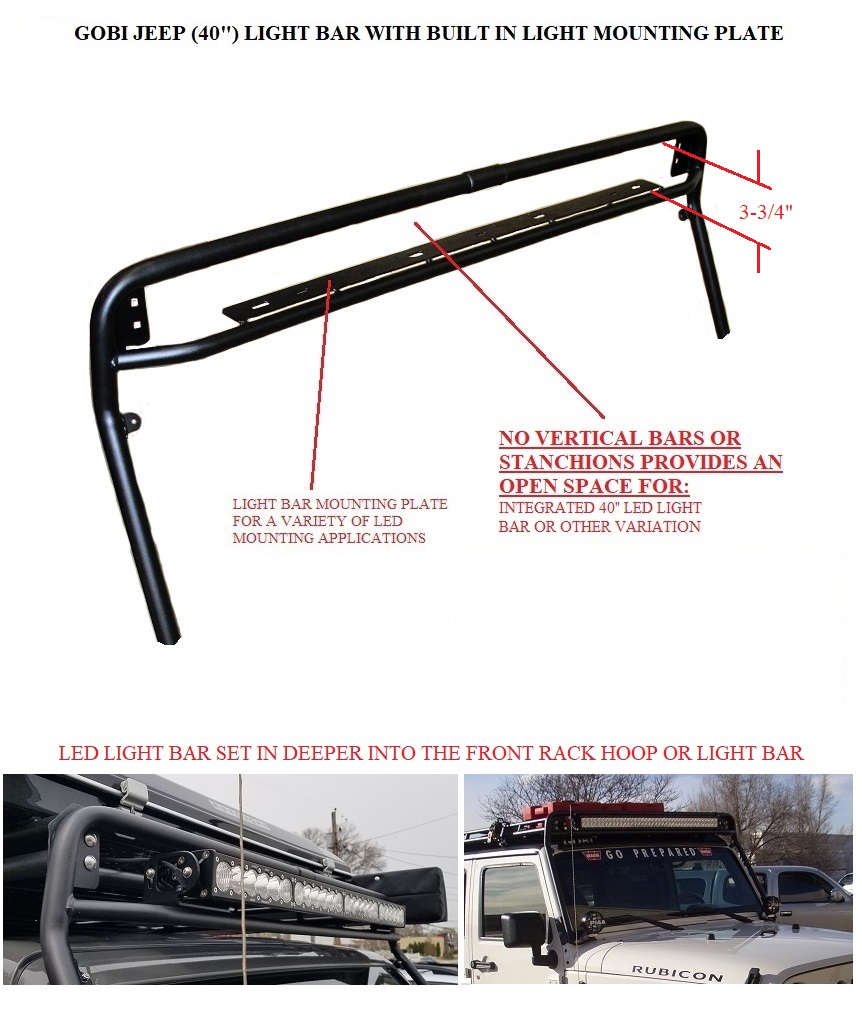
- Custom mounts – Some Jeep owners create or buy custom mounts for unique needs, like roof racks, roll cages, or rear lighting.
Each mount type changes the lighting angle, coverage, and style. The “best” choice depends on how you use your Jeep and what you want your light bar to do.

Credit: www.kchilites.com
How To Match Mounts To Your Jeep Model
Not all Jeeps are built the same. Even small differences between models or years can change which mounts fit. Here’s how to match a mount to your Jeep:
- Identify your Jeep model and year. A mount made for a Wrangler JK may not fit a JL or Gladiator.
- Check for factory mounting points. Some Jeeps have pre-drilled holes or slots for light bars. Using these is easier and avoids drilling.
- Measure your light bar and mounting space. Record the length, width, and mounting hole distance. Compare these to the mount specs.
- Look for “vehicle-specific” mounts. These are designed to fit your Jeep’s shape and mounting spots.
- Consider aftermarket parts. If you have an aftermarket bumper, rack, or hood, make sure the mount is compatible.
Pro tip: Some universal mounts promise to fit any Jeep, but often require extra work or don’t sit flush. When possible, use a mount designed for your exact Jeep model and year.
Comparing Mount Materials: Strength, Weight, And Durability
The material of your light bar mount affects more than just looks. It determines how well the mount holds up to off-road abuse, weather, and the weight of the light bar. Here’s a quick comparison:
| Material | Strength | Weight | Corrosion Resistance | Cost |
|---|---|---|---|---|
| Steel | High | Heavy | Moderate (needs coating) | $$ |
| Aluminum | Medium | Light | High | $$$ |
| Stainless Steel | High | Medium | Very High | $$$$ |
| Plastic/Composite | Low | Very Light | High | $ |
- Steel mounts are tough and strong but can rust if not painted or coated. They’re good for heavy lights and rough conditions.
- Aluminum mounts are lighter and resist rust, but they can bend under heavy loads. They’re popular for most uses.
- Stainless steel is the most rust-proof but often more expensive.
- Plastic or composite mounts are lightweight and cheap but not as strong—best for smaller lights or casual use.
Non-obvious insight: Cheap plastic mounts can crack in extreme cold or UV light over time. If you live in a harsh climate, invest in metal.
Fixed Vs. Adjustable Mounts: Which To Choose?
Mounts come in two main designs: fixed and adjustable.
- Fixed mounts – These hold the light bar in one set position. They’re stronger and simpler but don’t allow you to change the angle after installation.
- Adjustable mounts – These let you tilt or rotate the light bar for the perfect beam angle. They’re handy if you want to fine-tune your lighting or swap light bars later.
Which is better? If you know exactly where you want your light and don’t plan to change it, fixed mounts are reliable and rattle less. If you’re not sure or want to experiment with angles, adjustable mounts give you more control.
A common mistake: Owners buy fixed mounts, then regret not being able to adjust the beam for different trails or weather. Think ahead about how you’ll use your lights.
Single Row Vs. Dual Row Light Bars: Impact On Mount Selection
The size and shape of your light bar affect which mounts fit. The main difference is between single row and dual row light bars:
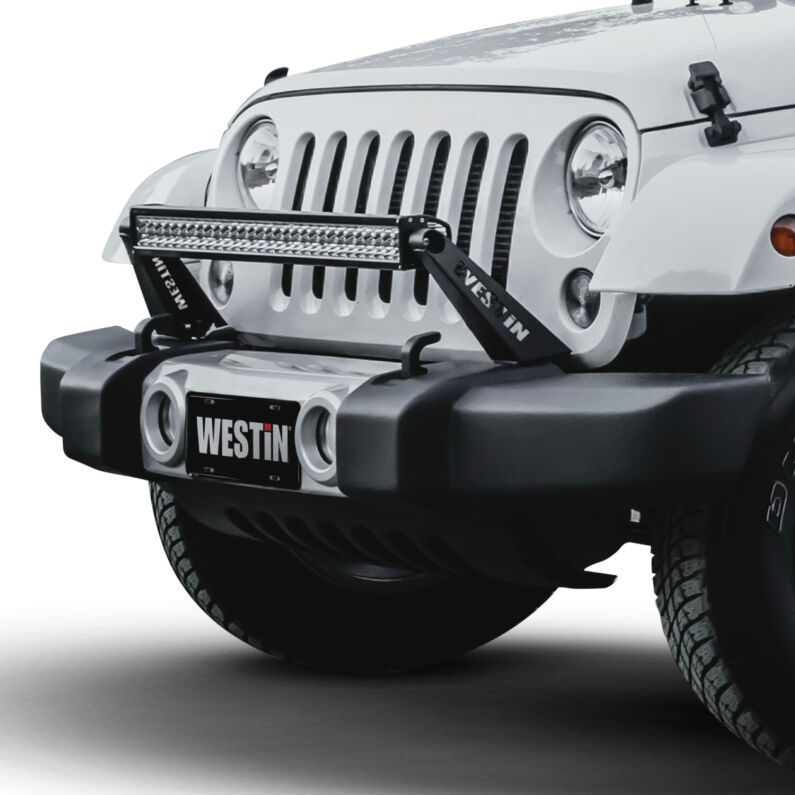
- Single row bars are slimmer and lighter. They need less space and can fit in tighter spots, like the hood or grille.
- Dual row bars are taller, heavier, and usually brighter. They need bigger, stronger mounts and more clearance.
Before buying, check your mount’s opening or clamp size. Some are only made for single row bars. Mounts with a “universal” label may not fit thicker dual row bars without spacers.
Expert tip: Always measure the height and width of your light bar, not just the length. The wrong fit can stress the mount or block part of the beam.
Credit: www.westinautomotive.com
Ease Of Installation: What To Look For
Not all mounts are easy to install. Some require drilling, cutting, or removing body panels. Others bolt on in minutes. Here’s what to check:
- Bolt-on vs. drill-on. Bolt-on mounts use factory holes—no drilling, less risk. Drill-on mounts may offer more placement options but are permanent.
- Included hardware. Quality mounts come with all bolts, washers, and rubber gaskets.
- Instructions and support. Look for mounts with clear instructions and online videos.
- One-person vs. two-person install. Long roof bars or custom mounts may need two people to align and hold in place.
If you’re not handy, pick a mount designed for easy installation. Save custom work for experienced hands.
Jeep Model Fitment: Quick Reference
Different Jeep models need different mounts. Here’s a quick fitment guide:
| Jeep Model | Popular Mount Locations | Key Fitment Notes |
|---|---|---|
| Wrangler JK (2007–2018) | Windshield, Hood, Bumper | Many bolt-on options, watch for antenna clearance |
| Wrangler JL (2018+) | Windshield, Hood, A-pillar | Some mounts need spacers due to body shape |
| Gladiator JT (2020+) | Roof, Bumper, Grille | Roof rack mounts often differ from Wrangler |
| Cherokee XJ, Grand Cherokee | Bumper, Grille | Limited roof options, check hood thickness |
| Renegade, Compass | Roof, Bumper | Smaller mounts, watch weight limits |
Weather Resistance: Protecting Your Mount And Jeep
Jeep owners love adventure, but mud, rain, snow, and salt can destroy weak mounts. Here’s how to choose a weather-resistant mount:
- Look for powder-coated or anodized finishes. These coatings seal the metal and prevent rust.
- Check for stainless hardware. Cheap bolts can rust and stain your paint.
- Rubber gaskets. Quality mounts include rubber pads to seal out water and protect your Jeep’s paint.
- UV resistance. If you live in a sunny area, make sure plastic parts won’t fade or crack.
Non-obvious insight: Even “stainless” bolts can rust if they’re low quality. If you see rust after a few months, swap them for marine-grade stainless.
How Vibration And Noise Affect Light Bar Mounts
On rough trails, vibration is a real enemy. It can loosen bolts, crack mounts, or make your light bar buzz. Here’s how to prevent it:
- Choose mounts with built-in vibration dampers (rubber pads or bushings).
- Tighten all bolts to the recommended torque (don’t overtighten—this can strip threads).
- Use threadlocker (like Loctite) on bolts for extra security.
- Test for noise after installation. If you hear whistling or buzzing, adjust the angle or add foam tape.
Example: Roof mounts are most likely to cause wind noise. Low-profile designs with rubber seals help reduce this problem.
Matching Mounts To Light Bar Length And Power
A common beginner mistake is picking a mount that’s too short or weak for the size of their light bar. Here’s how to match them:
- Short bars (up to 20 inches) can use lighter mounts and fit in more places.
- Long bars (30–50 inches) need strong, multi-point mounts to prevent sagging.
- High-power bars are heavier and may need steel or stainless mounts.
Tip: Always check the weight rating of the mount and compare it to your light bar’s specs. If the mount flexes when you push on it, it’s too weak.
Design And Style: Keeping Your Jeep Looking Good
You want your Jeep to look tough, not like a science project. Here’s how to keep your light bar mount looking sharp:
- Color match. Many mounts come in black, but some offer silver or custom colors.
- Low profile. Mounts that hug the body look cleaner and are less likely to snag on branches.
- Integrated mounts. Some bumpers or racks include built-in light bar mounts—less clutter, more strength.
- Hidden wiring channels. These keep wires out of sight for a professional finish.
Remember, a neat, factory-style install can boost resale value and reduce the risk of theft.
Legal Considerations: Stay Street Legal
Light bars are powerful, but not always legal on public roads. Before you buy a mount, check these points:
- State laws. Some states only allow light bars if they’re covered on the street.
- Beam angle. Laws may require lights to aim below a certain height.
- Switch wiring. Some areas need a separate switch for off-road lights.
- Mount location. Roof or high mounts are more visible to police and more likely to be ticketed.
You can check the latest rules for your state at the official NHTSA Headlights Information page.
Expert tip: Removable covers are cheap and can keep you out of trouble when driving in town.
Cost Vs. Quality: Finding The Right Value
Like most Jeep parts, light bar mounts range from budget to premium. What’s worth paying for?
- Under $30: Basic steel or plastic mounts, often universal. Good for small bars, but may need extra work to fit.
- $30–$100: Vehicle-specific, powder-coated steel or aluminum, usually bolt-on, include hardware.
- $100 and up: Heavy-duty, stainless, or custom mounts. Often adjustable, with integrated wiring channels.
Data: In a 2023 survey of Jeep owners, 61% said they replaced their first mount within two years, mainly due to rust or poor fit. Spending a bit more upfront can save money and hassle later.
Real-world Examples: Mounts That Work
Let’s look at two real-world setups:
- Jeep Wrangler JK with 50-inch dual row light bar: Owner chose a powder-coated steel windshield mount, bolt-on, with rubber pads. No drilling, fits factory holes. After two years, still no rust or vibration.
- Jeep Gladiator with 20-inch single row light bar on bumper: Used an aluminum bumper mount with adjustable tilt. Light bar stays put even after rocky trails. Wiring hidden behind grille for clean look.
What they did right: Matched the mount to the Jeep model, light bar size, and driving style. Used weather-resistant materials and factory mounting points.
Common Mistakes To Avoid
Many Jeep owners make avoidable mistakes when choosing a light bar mount. Here are the most common:
- Ignoring the Jeep model/year – Even small changes in body shape can ruin fitment.
- Choosing universal mounts without checking hole spacing or bar thickness.
- Skipping weather protection – Bare steel will rust quickly in rain or snow.
- Buying fixed mounts and later wishing for angle adjustment.
- Not checking legal rules – Getting ticketed for an illegal setup is no fun.
- Forgetting weight limits – Heavy bars need strong, multi-point mounts.
Before buying, always double-check compatibility and reviews from other Jeep owners with your model.
Step-by-step: How To Choose The Right Light Bar Mount
Here’s a simple process to follow:
- Decide where you want the light bar (roof, hood, bumper, etc. ).
- Measure the mounting space and your light bar (length, width, hole spacing).
- Check your Jeep’s model/year for fitment.
- Pick a mount material (steel, aluminum, etc.) Based on your climate and use.
- Choose fixed or adjustable based on your lighting needs.
- Verify weather resistance (coating, hardware, gaskets).
- Read reviews and check photos from other Jeep owners.
- Consider legal requirements for your state.
- Buy from a reputable brand with good support.
- Test fit before full installation. Make sure everything lines up before tightening bolts.
Installation Tips For A Secure, Clean Finish
Once you’ve picked your mount, smart installation makes all the difference:
- Dry fit first. Check alignment and clearance before tightening.
- Use anti-seize or threadlocker on bolts to prevent loosening.
- Route wiring carefully. Use zip ties and keep wires away from sharp edges.
- Check for leaks. If mounting to the roof or hood, seal around holes with silicone.
- Torque bolts to spec. Too tight can strip threads, too loose can vibrate loose.
- Test the lights before finishing. Make sure the beam is aimed right and there’s no flicker.
Pro tip: After your first trail run, re-check all bolts. Off-road vibration can loosen even tight hardware.
Maintenance And Longevity
A quality mount should last as long as your Jeep, but it pays to do simple maintenance:
- Rinse off mud and salt after off-roading.
- Inspect for rust or cracks every few months.
- Re-tighten bolts at least twice a year.
- Touch up scratched paint on steel mounts to stop rust.
If you see wobble or hear noise, fix it right away before it gets worse.
When To Upgrade Your Mount
You might need to upgrade your mount if:
- You add a bigger or heavier light bar.
- You notice sagging, rust, or cracks in the old mount.
- You want to change the light angle or add more lights.
- You upgrade your bumper, hood, or roof rack.
Don’t wait for a failure—upgrading early prevents damage to your Jeep or light bar.
Environmental Considerations
If you care about the environment, look for mounts made from recycled aluminum or steel. Some brands also use eco-friendly coatings. Proper disposal of old mounts is important—metal mounts can often be recycled, while plastic mounts should be checked for local recycling options.
Frequently Asked Questions
What’s The Best Place To Mount A Light Bar On My Jeep?
The best location depends on your needs. Roof mounts give the widest light spread for off-roading. Bumper mounts are better for focused, long-range beams. Hood or A-pillar mounts add side lighting and style. Consider your driving style, legal rules, and the look you want.
Can I Install A Light Bar Mount Myself?
Most Jeep owners can install a light bar mount with basic tools. Choose a bolt-on mount for easier installation. If drilling is required, measure carefully and seal all holes. Always follow the instructions and check online videos for your Jeep model.
Will A Universal Mount Fit My Jeep?
Universal mounts can work, but often need extra drilling or don’t fit perfectly. Whenever possible, choose a vehicle-specific mount designed for your Jeep’s model and year. This ensures a secure fit and cleaner look.
How Do I Stop Wind Noise From My Roof Light Bar?
Wind noise often comes from the gap between the light bar and roof. Use a low-profile mount with rubber gaskets, and make sure all bolts are tight. Some owners add foam strips or wind deflectors to reduce whistling.
Do I Need To Cover My Light Bar On The Street?
In many states, off-road light bars must be covered when driving on public roads. Check your local laws. Removable covers are cheap and help avoid tickets. It’s always safer to cover the lights when not in use.
Choosing the right light bar mount for your Jeep is more than just picking something that fits—it’s about finding the best balance of strength, style, and function for your adventures. By understanding your options and avoiding common mistakes, you’ll get more from your lighting and keep your Jeep looking and working its best, on or off the trail.
Credit: gobiracks.com