
Changing the oil in your Jeep Wrangler is a task many owners can do themselves. It saves money, helps you understand your vehicle, and keeps your engine running smoothly. If you’re new to car maintenance or have only driven your Jeep for a short time, an oil change might seem challenging. But with the right tools and clear instructions, it’s a straightforward job you can finish in about an hour. This guide covers every step, from choosing the right oil to disposing of the old oil safely. You’ll find practical tips, data tables, and answers to common questions so you can change your Jeep Wrangler’s oil with confidence—even if it’s your first time.
Why Regular Oil Changes Matter
Engine oil is the lifeblood of your Wrangler’s engine. It keeps moving parts lubricated, reduces friction, and helps cool the engine. Over time, oil breaks down and collects dirt, which can lead to poor engine performance and even permanent damage. Jeep recommends changing your oil every 5,000 to 7,500 miles (check your owner’s manual for your model year’s specifics). Driving in harsh conditions—like off-roading, dusty environments, or towing heavy loads—may require more frequent changes.
Skipping oil changes can lead to:
- Reduced fuel efficiency
- Louder engine noise
- Overheating
- Shorter engine life
Many beginners underestimate how quickly dirty oil can harm the engine. Also, using the wrong oil type can void your Jeep’s warranty. Taking the time to do a proper oil change protects your investment and keeps your adventures worry-free.
What You Need Before You Start
Preparation is crucial for a smooth oil change. Gather these tools and materials before you begin:
- Engine oil (check your owner’s manual for the right grade and capacity)
- Oil filter (specific to your Wrangler model and year)
- Oil filter wrench
- Socket wrench set (usually 13mm or 15mm for the drain plug)
- Oil catch pan (at least 7 quarts capacity)
- Funnel
- Gloves (disposable nitrile or latex)
- Rags or paper towels
- Car ramps or jack and jack stands (if needed for ground clearance)
- New crush washer (for the drain plug, if required)
- Safety glasses
A common mistake is forgetting a new oil filter or the right tool for the drain plug. Double-check your list so you don’t have to stop halfway.
How Much Oil Does A Jeep Wrangler Need?
Different Wrangler engines require different oil amounts. Here’s a quick reference for recent model years:
| Engine | Model Year Range | Oil Capacity (with filter) | Recommended Oil Type |
|---|---|---|---|
| 3.6L V6 (Pentastar) | 2012–2023 | 5 quarts | SAE 0W-20 |
| 2.0L I4 Turbo | 2018–2023 | 5 quarts | SAE 0W-20 |
| 3.0L EcoDiesel V6 | 2020–2023 | 9 quarts | SAE 5W-40 (Diesel) |
| 6.4L V8 (Rubicon 392) | 2021–2023 | 7 quarts | SAE 0W-40 |
Always confirm with your owner’s manual for your exact model and year, especially if your Wrangler is older or modified.
Choosing The Right Oil And Filter
The oil and filter you use have a direct impact on your engine’s health. Let’s break down what matters most.
Picking The Right Engine Oil
You’ll often see oil described by numbers and letters, like 0W-20 or 5W-30. These refer to the oil’s viscosity—how thick or thin it is at different temperatures. Jeep usually recommends synthetic oil for newer Wranglers because it flows better at cold starts, protects against wear, and lasts longer.
Don’t use conventional oil unless your manual allows it. Modern engines are built for synthetic oil’s properties.
Non-obvious insight: Some owners believe thicker oil is better for older engines, but using oil that’s too thick can reduce engine efficiency and increase wear, especially in cold weather.
Oil Filter: Oem Vs. Aftermarket
OEM (Original Equipment Manufacturer) filters are made specifically for your Jeep. They’re reliable and ensure a proper fit. Aftermarket filters vary in quality—some are excellent, others not so much. If you choose aftermarket, stick to trusted brands like WIX, Fram, or K&N.
Pro tip: Cheap filters can collapse or leak, especially if you off-road. Spending a bit more on a quality filter pays off.
Here’s a quick comparison:
| Filter Type | Pros | Cons |
|---|---|---|
| OEM | Perfect fit, reliable, warranty safe | Usually more expensive |
| Aftermarket (Premium) | High filtration, sometimes better price | Quality varies by brand |
| Aftermarket (Budget) | Cheap upfront | Poor fit, lower filtration, risk of leaks |
Step-by-step Jeep Wrangler Oil Change
Let’s walk through the process. These steps work for most Jeep Wrangler models, but always check for slight differences with your year and engine.
1. Warm Up The Engine
Start your Wrangler and let it idle for 3–5 minutes. Warm oil drains faster and carries away more contaminants. Don’t overheat—just enough so the oil is warm, not hot.
2. Position The Vehicle
If your Wrangler has enough ground clearance, you may not need ramps or a jack. For easier access, drive onto ramps or lift the front with a jack and secure it with jack stands. Engage the parking brake and chock the rear wheels.
Safety tip: Never rely on just a jack—always use jack stands for support.
3. Remove The Engine Cover (if Equipped)
Some newer Wranglers have a plastic engine cover. Pop it off gently to access the oil filter and filler cap.
4. Open The Oil Filler Cap
Twist off the oil filler cap on top of the engine. This allows air to flow in and helps the oil drain faster.
5. Place The Oil Catch Pan
Slide the catch pan under the oil drain plug. Make sure it’s centered and big enough to hold all the old oil.
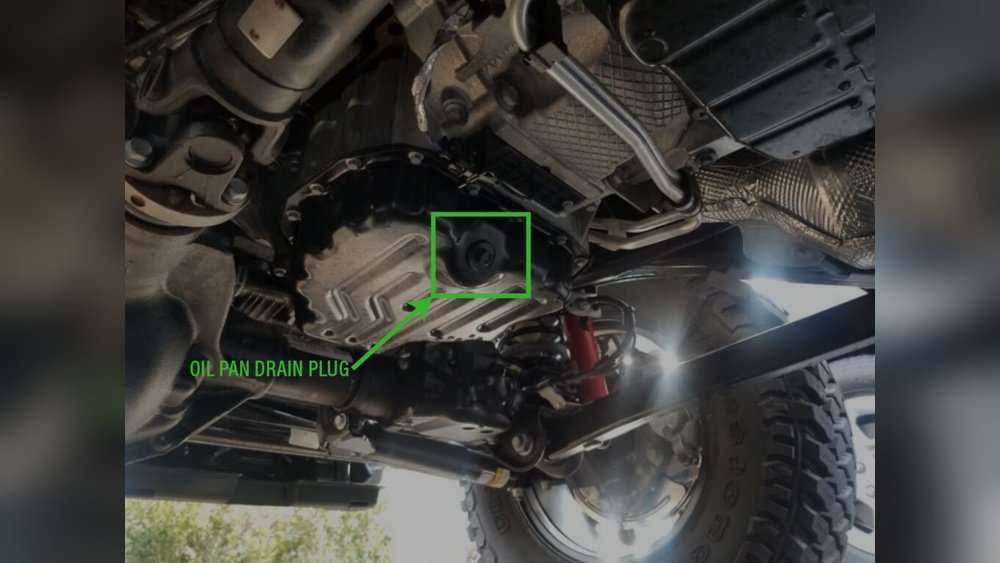
6. Remove The Drain Plug
Use a socket wrench to loosen the drain plug (usually on the bottom of the oil pan). Turn counterclockwise. Be careful—the oil might be hot.
Let the oil drain fully. This can take 5–10 minutes. Inspect the plug and washer for damage. If needed, replace the crush washer.
7. Remove And Replace The Oil Filter
Move the pan under the filter area. Use an oil filter wrench to loosen the filter. Some oil will spill—this is normal.
Before installing the new filter:
- Smear a little fresh oil on the rubber gasket of the new filter (prevents sticking and leaks).
- Screw the new filter on by hand. Don’t over-tighten—hand tight plus a quarter turn is enough.
Beginner tip: Make sure the old gasket isn’t stuck to the engine. Double gaskets cause leaks.
8. Reinstall The Drain Plug
When the oil has finished draining, wipe the area clean and reinstall the drain plug (with a new washer if needed). Tighten to spec—usually 20–30 ft-lbs, but check your manual.
Don’t over-tighten. Stripping the threads can mean a costly repair.
9. Add New Engine Oil
Place a funnel in the filler opening and pour in the correct amount of new oil. Go slowly to avoid spills.
Replace the filler cap.
10. Check For Leaks
Start your engine and let it run for 30 seconds. Watch under the Jeep for any drips around the drain plug or oil filter. If you see a leak, shut off the engine and fix it before topping up oil.
11. Check The Oil Level
Turn off the engine and wait 2–3 minutes for oil to settle. Pull out the dipstick, wipe it clean, reinsert, then check the level. Add more oil if needed, but don’t overfill.
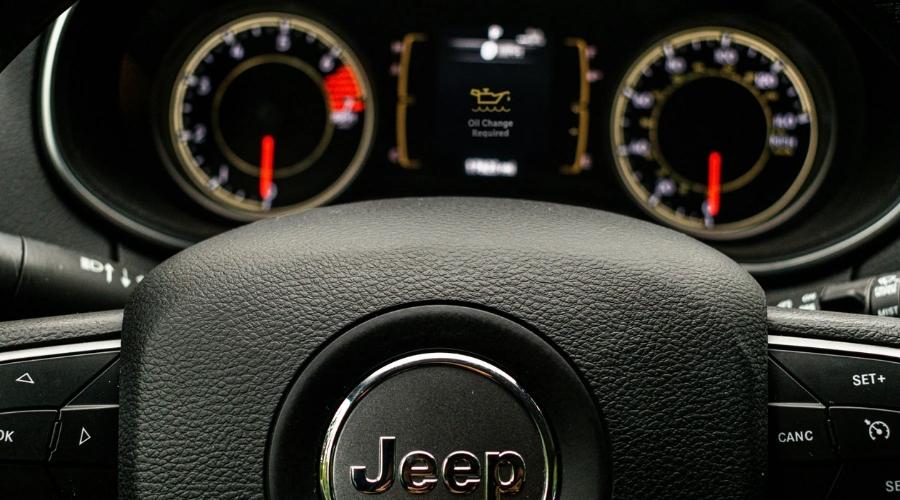
12. Reset The Oil Change Indicator
Most modern Wranglers have a dashboard light or message. To reset:
- Turn ignition to ON (without starting engine).
- Press the gas pedal slowly three times within 10 seconds.
- Turn off the ignition.
Consult your manual for your model’s exact reset steps.
13. Dispose Of Old Oil And Filter Safely
Pour used oil into a sealed container and take it to a recycling center or auto parts store. Don’t pour oil down drains or in the trash. Used oil can pollute water and soil.
Many auto parts stores recycle oil for free. Never toss the oil filter in regular trash—it must be recycled, too.
Credit: www.hananiacdjr.com
Wrangler Oil Change: Quick Reference Chart
For fast look-up, here are the basic specs for recent Jeep Wrangler engines:
| Engine | Drain Plug Size | Oil Filter Location | Torque Spec (Plug) |
|---|---|---|---|
| 3.6L V6 | 13mm | Front, top of engine | 20 ft-lbs |
| 2.0L I4 Turbo | 13mm | Front, top of engine | 20 ft-lbs |
| 3.0L EcoDiesel | 13mm | Underneath, near oil pan | 30 ft-lbs |
| 6.4L V8 | 15mm | Front, top of engine | 25 ft-lbs |
Check your owner’s manual for the most accurate specs.
Common Mistakes To Avoid
Even experienced DIYers sometimes make errors during an oil change. Being aware of these can save you time and money.
Over-tightening The Oil Filter Or Drain Plug
Too much force can strip threads or crush the filter gasket, causing leaks. Always follow the recommended torque specs.
Forgetting To Replace The Oil Cap Or Dipstick
Leaving the oil cap off can cause oil to spray all over the engine bay. Always double-check before starting the engine.
Using The Wrong Oil Or Filter
Wrong viscosity or a poor-quality filter can lead to poor lubrication or engine damage. Always use parts that meet Jeep’s specifications.
Not Checking For Leaks
A slow drip from a loose plug or filter can lead to major engine trouble if ignored. Inspect under your Jeep before and after the first drive.
Mixing Old And New Oil
Some believe topping up is as good as changing. In reality, old oil still contains contaminants. Change oil and filter together for proper protection.
Non-obvious insight: On some Wranglers, the filter sits on top of the engine (cartridge style). If you change from a spin-on to a cartridge filter, always remove the old O-ring and replace with the new one included with the filter.
How Often Should You Change Wrangler Oil?
The right interval depends on your driving style and conditions. Most Jeep Wranglers have an oil life monitoring system. Here’s a general rule of thumb:
- Normal driving: Every 7,500 miles or 12 months
- Heavy use (towing, off-road, dusty roads): Every 5,000 miles
Older Wranglers (before 2012) may need more frequent changes, especially if running conventional oil.
Tip: If you do short trips (under 5 miles), change oil more often. Short drives don’t fully heat the oil, causing moisture and sludge buildup.
Cost Of Diy Vs. Professional Oil Change
Many owners wonder if it’s worth doing an oil change themselves. Let’s compare the average costs:
| Option | Cost Range | Pros | Cons |
|---|---|---|---|
| DIY | $40–$70 | Saves money, learn about your vehicle, choose your own products | Takes time, need tools, must dispose of oil |
| Dealer/Shop | $75–$130 | Quick, includes inspection, no mess | More expensive, may use bulk oil, longer wait times |
If you plan to keep your Jeep for years, investing in tools pays off quickly. DIY also gives you peace of mind—you know the job was done right.
Credit: jed-co.com
What To Do After An Oil Change
Your job isn’t done as soon as you refill the oil. Here’s what to check next:
- Check oil level again after your first short drive.
- Monitor for leaks over the next few days.
- Record the mileage and date of the change. Keep a log—it helps with resale value and warranty claims.
- Recycle old oil and filter as soon as possible.
Pro tip: Keep an emergency quart of oil in your Jeep. It’s handy for long trips or if you notice a slow leak.
Off-road And Extreme Use: Extra Considerations
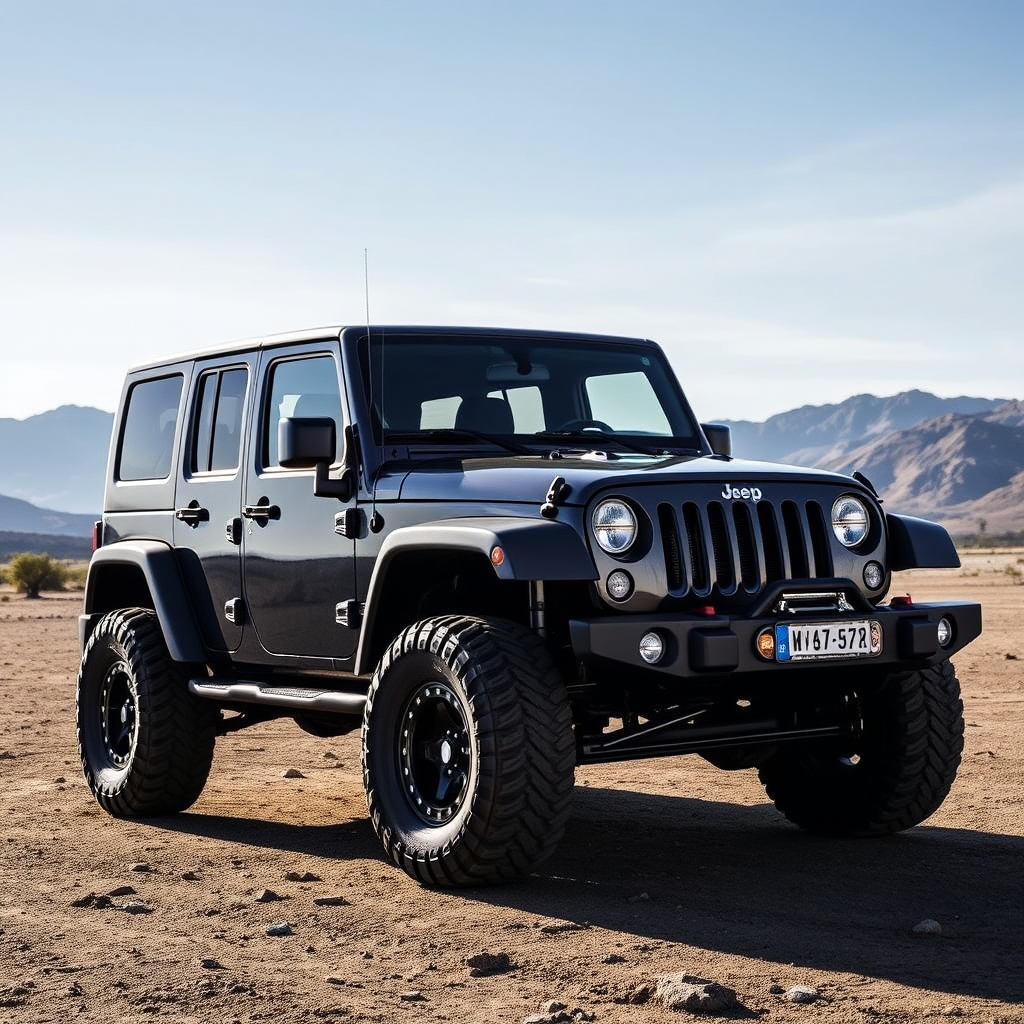
If you use your Wrangler for off-roading, river crossings, or desert driving, check your oil more often. Mud, dust, and water can contaminate your oil faster than you think.
- Inspect the oil color after every adventure. Milky or gray oil means water contamination—change it immediately.
- Consider more frequent changes if you regularly drive in deep sand or mud.
- Check for leaks after off-road trips. Rocks and branches can damage the oil pan or filter.
Non-obvious tip: Carry a spare oil filter and a quart of oil on long overland trips. In remote areas, a small leak can become a big problem if you can’t top up or swap a filter.

Credit: www.ifixit.com
Tools And Supplies: What’s Worth Buying?
If you plan to do regular oil changes, a few tools make the job easier:
- Low-profile oil catch pan: Fits under lifted or low Jeeps.
- Oil filter pliers: For stubborn filters.
- Torque wrench: Ensures drain plug is properly tightened.
- Funnel with flexible spout: Reduces spills.
- Disposable gloves: Keeps your hands clean and oil-free.
Don’t skip on quality: Cheap tools can break or round off bolts. Investing in a good socket set and oil filter wrench pays off in the long run.
When To Let A Mechanic Handle It
Most oil changes are easy, but sometimes it’s better to let a pro do the job:
- Stuck drain plug: Forcing it can crack the oil pan.
- Oil pan leaks: If you see constant drips, you may need a new gasket.
- Unusual engine noises: If you hear knocking or ticking, it could be more than just an oil issue.
If you’re unsure or run into trouble, don’t risk engine damage. Mechanics have the tools and experience to fix complex issues.
Where To Find Official Information
Your Jeep owner’s manual is the best source for oil specs, capacities, and intervals. For more technical info, the official Jeep website and forums like WranglerForum offer advice from other owners.
If you want to read more on oil change best practices, the EPA offers tips on recycling used oil: EPA: Managing Used Oil.
Frequently Asked Questions
How Do I Know If My Jeep Wrangler Needs An Oil Change?
Look for signs like the oil change light on your dashboard, darker or gritty oil on the dipstick, or engine noise that wasn’t there before. Sticking to the mileage or time interval in your manual is best, even if there are no symptoms.
Can I Use Synthetic Oil In An Older Jeep Wrangler?
Most older Wranglers can switch to synthetic oil with no problem, but check your manual or ask a mechanic first. Synthetic oil often provides better protection, especially in extreme temperatures.
What Happens If I Overfill The Engine Oil?
Too much oil can cause increased pressure, leading to leaks or damage to engine seals. If you notice the oil level is above the “max” mark on the dipstick, drain the excess immediately.
Is It Safe To Change The Oil Myself If I Have No Experience?
Yes, with the right tools and by following each step carefully, most Wrangler owners can do their own oil changes. Watch a few video tutorials, and don’t rush the process. If you feel unsure, ask a friend with experience for help.
How Do I Dispose Of Used Oil And Filters?
Never pour oil down drains or onto the ground. Take used oil and filters to a recycling center or auto parts store that accepts them. It’s free, safe, and protects the environment.
Changing your Jeep Wrangler’s oil is a smart way to keep your engine healthy and learn more about your vehicle. With clear steps, quality tools, and proper disposal, you’ll be ready for miles of worry-free adventures—on or off the road.