
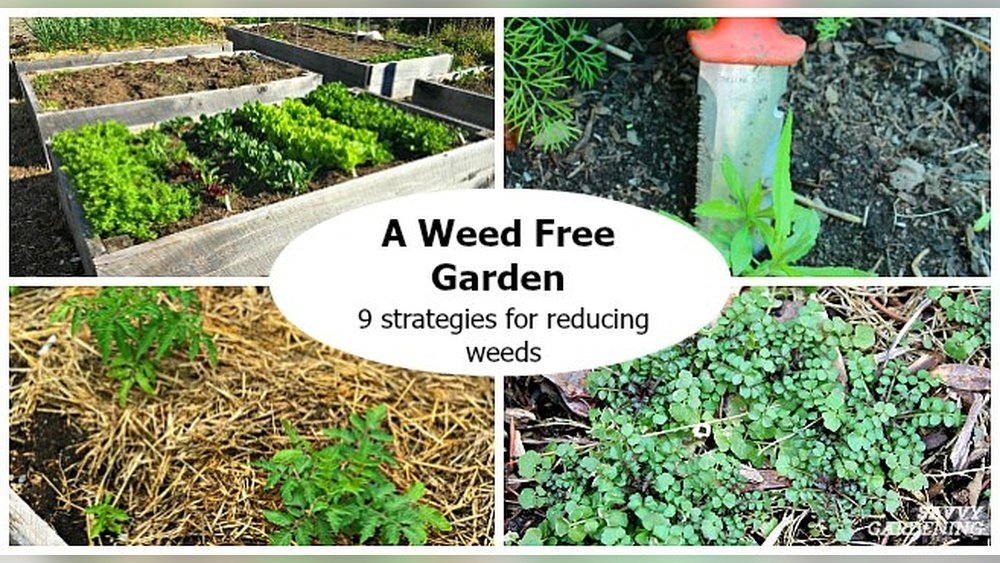
Gardening in raised beds is a joy for many, but one problem can quickly ruin the experience: weeds. These uninvited plants not only steal nutrients and water from your vegetables and flowers, but also make your garden look messy and unkempt. The good news is, with the right approach, you can keep weeds under control—and even prevent most of them from appearing in the first place. Whether you’re a new gardener or someone who’s struggled with weeds for years, this guide offers practical, proven tips to help you grow healthier, cleaner raised beds.
Why Raised Beds Get Weeds (and Why It Matters)
You might think that building a raised bed means saying goodbye to weeds forever. Sadly, that’s not the case. Even though raised beds give you more control over the soil and growing conditions, weeds can still find ways to invade.
They arrive as seeds blown by the wind, dropped by birds, or hidden in mulch and compost. Some even creep in from the edges or sprout from old soil left in the bed.
Weeds compete with your plants for sunlight, water, and nutrients. They can also attract pests and diseases. Most importantly, if weeds get out of control, you’ll spend more time pulling them and less time enjoying your garden. Preventing weeds from the start is much easier than fighting them later.
Start Clean: Building A Weed-free Foundation
The best way to stop weeds is to never let them in. This starts before you even fill your raised bed with soil.
Choose The Right Location
Pick a spot that’s already free of weeds, if possible. Avoid placing your raised bed over a patch of grass or an area where weeds have been a problem. If you have no choice, clear the area first.
Remove Existing Weeds
Pull out all weeds, roots and all, before you build or fill the bed. For tough perennial weeds, such as bindweed or dandelion, dig deeper to get the full root system. If the area is large and full of weeds, you might use a hoe or a flat shovel to scrape away the top layer.
Install A Weed Barrier
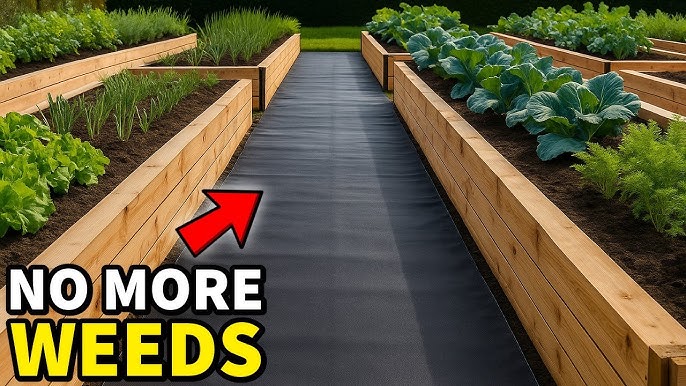
Many gardeners lay a weed barrier at the bottom of the bed before adding soil. This can be a layer of cardboard, several sheets of newspaper, or a commercial landscape fabric. The barrier stops weeds from growing up from below while still letting water drain. Avoid using plastic, as it can block water and air.
Fill With Quality Soil
Low-quality soil often contains weed seeds. Buy clean, high-quality garden soil or make your own mix from compost, peat moss, and vermiculite. If you reuse old soil, sift it first to remove roots, seeds, and debris.
Non-obvious insight: Even a small amount of unfinished compost can carry weed seeds into your bed. Always use well-rotted, finished compost.
Keep Weeds Out: Smart Maintenance For Raised Beds
Once your raised bed is filled and planted, the real challenge begins: keeping it weed-free through the season.
Mulching: Your Best Defense
Mulch is a gardener’s secret weapon. It covers the soil, blocking sunlight so weed seeds can’t sprout. Mulch also keeps the soil moist and improves its quality over time.
Types Of Mulch For Raised Beds
| Mulch Type | Pros | Cons | Best For |
|---|---|---|---|
| Straw | Light, easy to spread, breaks down into compost | Can carry weed seeds if not clean | Vegetables, annual beds |
| Wood Chips | Long-lasting, attractive | Can tie up nitrogen if mixed into soil | Paths, perennial beds |
| Grass Clippings | Free, adds nutrients | Must be from untreated lawns; can mat down | Vegetables, fruit beds |
| Compost | Adds nutrients, lightens soil | Must be fully finished to avoid weeds | All beds |
| Black Plastic | Excellent weed block, warms soil | Not natural, must remove for planting | Tomatoes, peppers, melons |
Spread 2-4 inches of mulch around your plants, but keep it a few inches away from the stems to prevent rot.
Non-obvious insight: Some bagged mulches, especially cheap straw or hay, can actually introduce weed seeds. Buy only certified weed-free mulch, or make sure your source is reliable.
Water Only Where Needed
If you use a sprinkler or overhead watering, you wet the whole surface of your bed, helping weed seeds sprout. Instead, use drip irrigation or a soaker hose to deliver water right to your plants’ roots. This keeps the space between plants dry, making it harder for weeds to grow.
Plant Densely
Leaving bare soil between your plants is an open invitation for weeds. Instead, plant your vegetables, herbs, and flowers close together—just not so close that they compete with each other. The goal is to create a living mulch: the plants’ leaves shade the soil, blocking sunlight from reaching weed seeds.
For example:
- Leafy greens like lettuce and spinach can be sown in tight rows.
- Use fast-growing crops to fill gaps while slower plants get started.
Hand Weed Regularly
Even with good prevention, some weeds will appear. The key is to remove them when they’re small, before they set seed or develop deep roots. Hand-pulling is easy in raised beds because the soil is loose. Try to weed at least once a week, or after every rainfall.
Pro tip: Weeding after rain is much easier—the soil is soft, and roots come out cleanly.
Edge Your Beds
Weeds often creep in from the sides. Use a strong border, such as wood, stone, or metal, to define the edges. Trim the grass or weeds growing along the outside regularly. Some gardeners install a thin strip of landscape fabric or a shallow trench around the bed to create a weed barrier.
Advanced Tips: Going Beyond The Basics
Want a truly low-maintenance, weed-free garden? Here are some strategies that experienced gardeners use.
Solarize The Soil Before Planting
If you build a new raised bed or need to refresh an old one, consider solarizing the soil. This means covering the bed with clear plastic and letting the sun’s heat kill weeds and seeds.
- Water the soil well.
- Cover tightly with clear plastic sheeting.
- Leave for 4-6 weeks during the hottest part of summer.
Solarization can kill not just weeds, but also soil pathogens and some insect pests. It’s most effective in sunny, hot climates.
Use Cover Crops In The Off-season
Don’t leave raised beds bare in fall and winter. Instead, plant a cover crop like clover or rye grass. These plants grow thickly, blocking weeds and adding nutrients to the soil. In spring, mow or dig them under before planting your main crops.
Rotate Crops Each Year
Growing the same crops in the same place every year can encourage weed and pest problems. Crop rotation helps break these cycles. For example, follow heavy feeders like tomatoes with lighter feeders or legumes. This keeps soil healthier and makes it harder for weeds to adapt.
Pay Attention To Compost And Mulch Sources
Anything you add to your raised bed can bring in weed seeds. Always check that your compost is fully finished—not hot, and with no visible plant material. If you use animal manure, make sure it’s well-rotted, or it may contain tough weed seeds.
Deal With Weeds Before They Seed
Some weeds can produce thousands of seeds per plant. If you see a weed starting to flower, remove it immediately—even if you don’t have time to pull the whole plant. This stops the next generation from spreading.
Surprising fact: Some weed seeds can live in soil for 5–20 years! Letting just a few go to seed can undo years of hard work.

Credit: www.finegardening.com
Common Raised Bed Mistakes That Invite Weeds
Even experienced gardeners make mistakes that bring weeds into their beds. Here are some to watch for:
Using Old Soil Without Cleaning It
Soil reused from other parts of the garden may contain weed roots or seeds. Always sift and inspect it before using.
Skipping The Weed Barrier
It’s tempting to save time, but skipping the barrier allows deep-rooted weeds to push up from below, especially if your bed is shallow.
Ignoring The Edges
Most weeds sneak in from the sides or under the edges. Keep these areas trimmed and reinforced.
Choosing Mulch Carelessly
Mulch contaminated with weed seeds will make your weed problem worse, not better. Always source mulch carefully.
Letting Weeds Get Established
A few missed weeks of weeding can lead to big problems, as weeds go to seed and multiply quickly.
Comparing Raised Bed Weed Control Methods
Different approaches work for different gardeners and climates. Here’s a quick comparison to help you decide which strategies might work best for your situation.
| Method | Weed Prevention | Soil Health | Effort Required |
|---|---|---|---|
| Mulching | Excellent | Improves over time | Low, needs occasional renewal |
| Weed Barrier | Good (from below) | Neutral | One-time setup |
| Hand Weeding | High if done regularly | Neutral | Ongoing, but not difficult in raised beds |
| Dense Planting | Good, especially mid-season | Improves microclimate | Some planning required |
| Solarization | Excellent (pre-planting) | Can kill some good microbes | Seasonal, slow |
When To Use Herbicides (and Why Most Gardeners Don’t)
Many gardeners ask if they should use herbicides in raised beds. For most, the answer is no. Most chemical weed killers are not safe for food gardens, and can linger in the soil. They may harm your vegetables, flowers, or beneficial soil life.
If you must use a weed killer—such as along the outside edge of the bed—choose a product labeled for garden use and always read the instructions. Never spray herbicides directly on your raised bed soil.
Instead, rely on the cultural methods described above. They’re safer, better for your soil, and usually more effective in the long run.
How To Fix A Raised Bed Overrun With Weeds
Sometimes, despite your best efforts, weeds take over. Here’s what to do:
- Remove as many weeds as possible by hand, roots and all.
- If the infestation is severe, remove the top few inches of soil and replace it with clean soil.
- Solarize the bed if time allows.
- Lay a fresh weed barrier at the bottom.
- Fill with new, clean soil and compost.
- Mulch heavily after planting.
- Weed weekly to catch new sprouts.
Pro tip: If you’re replanting a bed that was full of weeds, wait a few weeks before planting to see if any new weeds sprout. Remove them before adding your crops.

Credit: www.youtube.com
The Science Behind Weed Prevention In Raised Beds
Understanding how weeds grow helps you stop them. Most weeds spread by seeds, but some also grow from roots or runners. Raised beds make it easier to control all types, but only if you combine several methods.
- Annual weeds (like pigweed or chickweed) grow quickly from seed and spread if you let them flower.
- Perennial weeds (like dandelion or Bermuda grass) can regrow from small root pieces and are much harder to remove.
Weed seeds need three things to sprout: light, moisture, and warmth. If you block even one, you slow weed growth. That’s why mulch, watering only at the base, and dense planting all work—they change the conditions weeds need.
Real-world Example: A Season In A Raised Bed
To see these tips in action, let’s look at a typical growing season in a raised bed.
Early Spring: The bed is cleared of any remaining weeds or debris. A layer of cardboard is placed at the bottom and covered with new soil and compost. Paths around the bed are mulched with wood chips.
Mid-Spring: Lettuce, spinach, and carrots are planted close together. Straw mulch is added once seedlings are a few inches tall. A drip irrigation system is installed to water only the root zones.
Summer: Tomatoes and peppers are planted. The soil is topped up with compost. Weeds are pulled weekly, but few appear thanks to the dense planting and mulch.
Fall: As crops finish, a cover crop of clover is sown. This keeps weeds down over winter and adds nitrogen to the soil for next year.
Result: The gardener spends less than 15 minutes a week weeding, and the bed produces a healthy harvest.
Credit: www.youtube.com
Comparing Raised Beds To In-ground Gardens For Weed Control
Why do so many gardeners switch to raised beds? Let’s compare.
| Feature | Raised Beds | In-Ground Beds |
|---|---|---|
| Soil Quality | High control, easy to amend | Varies, harder to improve |
| Weed Control | Easier; less weed pressure | Harder; weeds often persistent |
| Drainage | Better, less compaction | Can be poor |
| Access | Easy, less bending | More bending, harder to maintain |
| Cost | Higher upfront | Lower upfront |
Keeping Weeds Out Year After Year
Weed prevention in raised beds isn’t a one-time job. It takes regular attention, especially in the first few years. Over time, as you keep new weeds from going to seed and improve your soil, you’ll notice fewer and fewer weeds. The key is to be consistent: mulch every spring, weed weekly, and never let weeds get established.
Unexpected tip: Don’t compost weeds that have gone to seed or tough perennial roots. Instead, throw them away or burn them. Otherwise, you may spread weed seeds back into your garden when you use your compost.
Save Time With Smart Tools
There are many tools for weeding, but a few work especially well in raised beds:
- Hand forks: Great for loosening soil around roots.
- Weeding knives: Reach deep to remove taproots.
- Stirrup hoes: Slide just below the soil surface, cutting weeds before they grow.
Small beds mean you rarely need big tools or heavy equipment. Choose tools that fit your hand and the size of your bed.
Planning For Success: A Seasonal Checklist
Staying ahead of weeds is easier with a plan. Here’s a simple checklist:
Early Spring
- Clear leftover weeds and debris
- Add a weed barrier if starting new beds
- Bring in clean soil and compost
Mid to Late Spring
- Plant densely
- Mulch as soon as seedlings are established
- Set up drip irrigation
Summer
- Weed weekly, especially after rain
- Top up mulch if needed
- Edge and trim around beds
Fall
- Remove spent crops
- Sow cover crops or mulch heavily
- Inspect for problem weeds
Winter
- Review what worked and plan improvements for next year
Frequently Asked Questions
How Thick Should Mulch Be In A Raised Bed?
A mulch layer of 2 to 4 inches is best for most raised beds. This is thick enough to block sunlight from reaching weed seeds, but not so thick that it smothers your plants. Always leave a small gap around plant stems to prevent rot.
Can I Use Cardboard As A Permanent Weed Barrier?
Cardboard works well as a temporary weed barrier. It blocks weeds and breaks down over time, adding organic matter to the soil. For a permanent barrier, use landscape fabric under your raised bed, but remember it may limit deep root growth.
What’s The Best Mulch For Vegetable Gardens?
Straw and compost are top choices for vegetable gardens because they improve the soil as they break down. Make sure your straw is labeled weed-free. Avoid using wood chips directly around vegetables—they work better for paths or perennial beds.
How Do I Know If My Compost Is Safe From Weed Seeds?
Finished compost should be dark, crumbly, and have no visible plant material. If you see green bits or smell ammonia, it’s not done yet and may contain weed seeds. Hot composting (above 140°F) kills most seeds, but cool piles may not.
Are There Any Organic Weed Killers That Work In Raised Beds?
Some gardeners use vinegar sprays or boiling water to kill young weeds, but these methods can also harm your vegetables. The best organic method is prevention: mulch, dense planting, and hand weeding. For more on organic gardening, visit Gardener’s Supply Company.
Keeping weeds out of raised beds is possible with the right approach. Start clean, stay consistent, and choose prevention over fighting weeds after they appear. With these tips, you’ll spend more time enjoying your garden—and less time pulling weeds.