
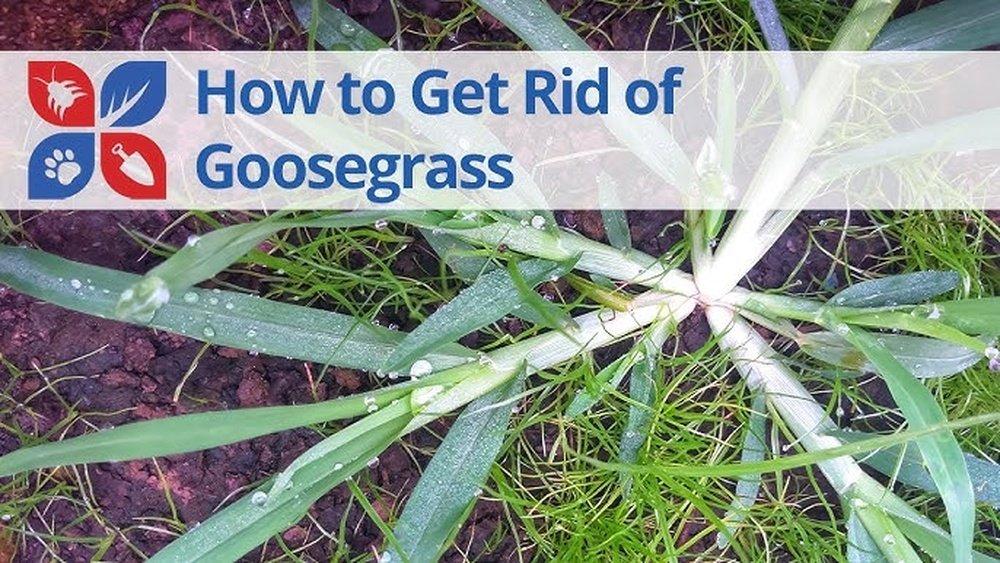
Goosegrass can make even the best-kept lawns look patchy and unhealthy. If you have ever seen flat, light green grass that seems to resist mowing and spreads quickly, you likely have goosegrass in your lawn. This weed is tough, persistent, and often confuses even experienced lawn owners.
Getting rid of goosegrass takes more than just pulling a few weeds—it demands understanding, planning, and the right tools.
If you want a thick, green, goosegrass-free lawn, it’s important to know what you’re fighting. In this guide, you’ll learn how to identify goosegrass, why it’s so hard to control, and the best strategies to remove it and keep your lawn healthy.
You’ll also discover common mistakes, advanced tips, and answers to frequent questions. Let’s start your journey to a goosegrass-free yard.
What Is Goosegrass?
Goosegrass, known scientifically as Eleusine indica, is a summer annual weed. It grows in lawns, sports fields, and even cracks in driveways. This weed is sometimes called wiregrass because its leaves and stems are tough and wiry.
Goosegrass starts growing from seed in late spring or early summer, once soil temperatures reach about 60°F (16°C). It thrives in full sun and compacted soil, which means you’ll often see it where grass is thin or damaged.
How To Identify Goosegrass
Correct identification is key before you try to remove any weed. Goosegrass can look similar to crabgrass, but there are clear differences:
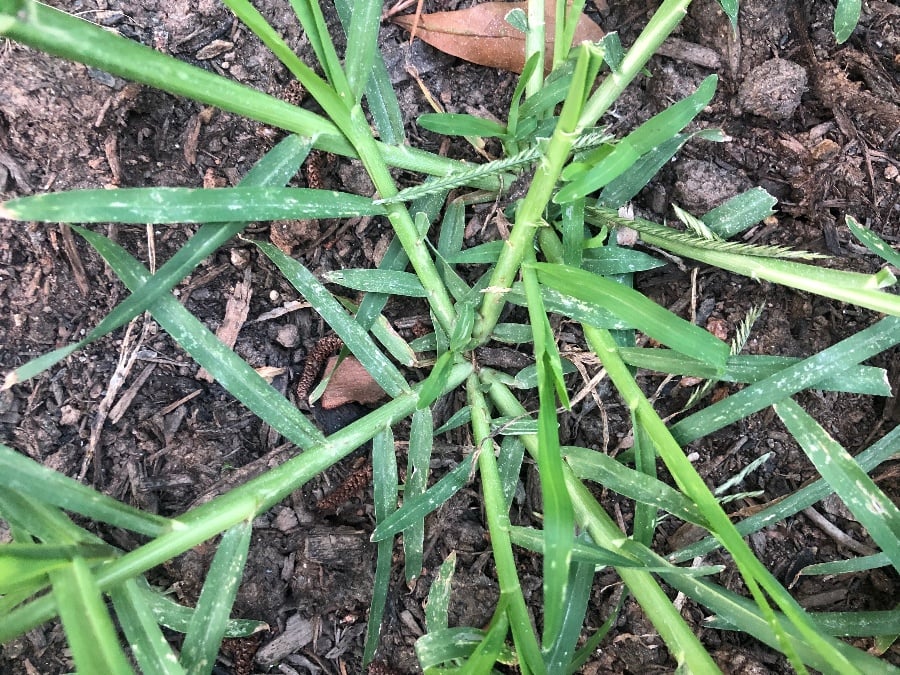
- Leaf blades are flat, light green, and about 2–10 inches long.
- Stems are flattened and grow outward in a rosette or “wagon wheel” shape.
- Seed heads look like a cluster of fingers radiating from a single point, usually 2–13 spikes per stem.
- Crown (base of the plant) is white or silvery.
- Roots are shallow, making small plants easy to pull, but established ones are tough.
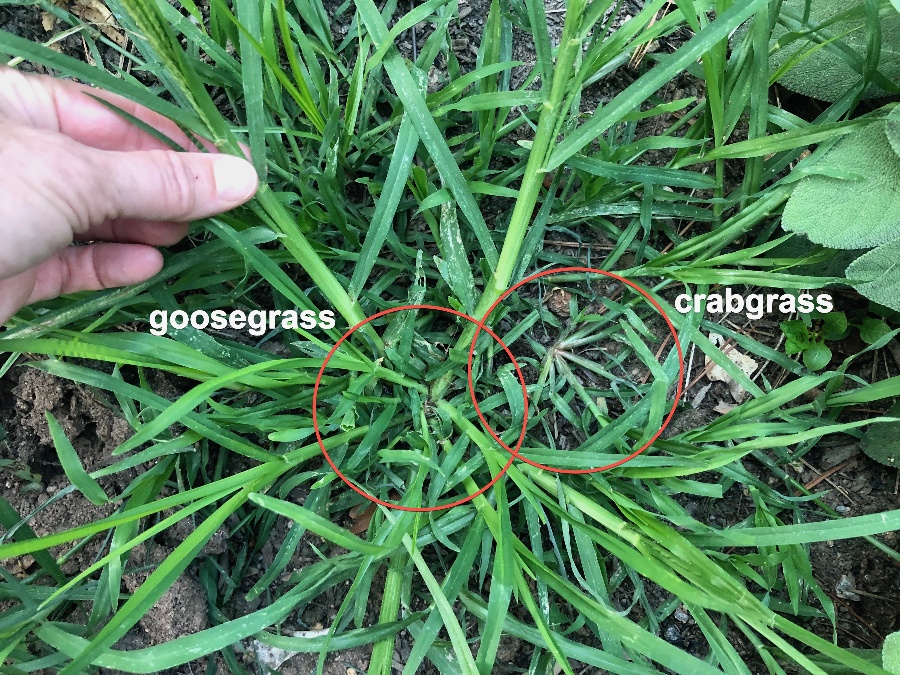
Unlike crabgrass, goosegrass often grows in compacted, heavily trafficked areas. Knowing these features helps you target the right weed for treatment.
Why Goosegrass Is Hard To Control
Goosegrass is not just another weed—it’s a survivor. Here’s why it’s so challenging:
- Late germination: Goosegrass seeds sprout later than many weeds, often after pre-emergent herbicides lose strength.
- Rapid growth: Once established, it spreads quickly and can crowd out healthy grass.
- Seed production: Each plant can produce thousands of seeds, which stay viable in the soil for years.
- Resistant to mowing: Goosegrass grows close to the ground, so mowing often misses it.
- Tolerates poor conditions: It thrives in heat, drought, and compacted soil—areas where turf struggles.
Tackling goosegrass means using multiple strategies, not just one method.
How Goosegrass Affects Your Lawn
A small patch of goosegrass can quickly become a large problem. Here’s what it does:
- Weakens turf: Goosegrass competes for light, water, and nutrients, making your lawn thin and patchy.
- Reduces curb appeal: Its color and texture stand out against most turfgrasses.
- Increases compaction: Because it likes compacted soil, goosegrass can make soil even harder, causing more lawn stress.
- Encourages more weeds: Bare patches left by goosegrass make room for other weeds.
Quick action prevents these issues from becoming worse.
Goosegrass Versus Other Common Lawn Weeds
People often confuse goosegrass with crabgrass or other grassy weeds. Here’s a quick comparison to help you tell them apart:
| Weed | Seed Head | Leaf Shape | Growth Pattern | Preferred Soil |
|---|---|---|---|---|
| Goosegrass | Finger-like, radiating from one point | Flat, light green | Wagon wheel, low and wide | Compacted, poor soil |
| Crabgrass | Spikelets along branched stems | Broader, rougher | Spreading, but upright | Fertile, sandy soil |
| Dallisgrass | Loose, open panicle | Coarse, tall | Clump-forming | Moist, fertile soil |
If you’re unsure, take a close photo and ask a local extension office or turf specialist for help.

Credit: www.youtube.com
When Does Goosegrass Appear?
Timing matters for weed control. Goosegrass typically appears:
- Germination: Late spring to early summer, when soil is consistently above 60°F (16°C).
- Growth period: All summer, with peak seed production in midsummer.
- Death: First hard frost kills goosegrass, but seeds remain in the soil.
In warm climates, goosegrass can grow almost year-round. Watch for it after you see crabgrass, as goosegrass usually comes up a few weeks later.
Methods To Get Rid Of Goosegrass
Getting rid of goosegrass takes a mix of prevention, manual removal, cultural practices, and chemical control. Each method has strengths and weaknesses.
1. Manual Removal
For small lawns or early infestations, pulling goosegrass by hand can work.
- Best time: After rain or watering, when soil is soft.
- How to pull: Grab the plant at the base, making sure to remove the white crown. Use a weeding tool for deep roots.
- Dispose: Don’t compost goosegrass with seeds—it can spread.
Manual removal is labor-intensive but effective for small patches.
2. Mowing And Lawn Care
Mowing alone won’t get rid of goosegrass, but good mowing helps your lawn resist weeds.
- Mow at the right height: Taller grass shades the soil, reducing weed germination. For most lawns, 2.5–4 inches is best.
- Don’t scalp: Cutting too short weakens turf and encourages weeds.
- Keep blades sharp: Clean cuts reduce stress on your grass.
A healthy, thick lawn is your best defense against all weeds.
3. Improving Soil And Lawn Health
Goosegrass loves compacted, stressed lawns. Improve soil to make conditions less friendly for weeds.
- Aerate compacted soil: Core aeration opens up the soil, helping roots grow and water soak in.
- Fertilize properly: Use the right fertilizer for your grass type. Avoid over-fertilizing, which can encourage some weeds.
- Water deeply, not often: Deep watering encourages deep roots, making grass stronger.
These practices often reduce goosegrass over time by making your turf more competitive.
4. Mulching Bare Spots
Bare spots are goosegrass magnets. Cover these areas with mulch or reseed with turfgrass.
- Use straw, compost, or wood chips in garden beds or along edges.
- Patch reseed thin areas in your lawn with the right grass seed for your climate.
Covering bare soil blocks sunlight and prevents weed seeds from sprouting.
5. Pre-emergent Herbicides
Pre-emergent herbicides are one of the best tools for goosegrass. They stop seeds from sprouting.
- Apply before germination: Usually late spring, after crabgrass pre-emergent, since goosegrass germinates later.
- Common products: Prodiamine, oxadiazon, dithiopyr, or pendimethalin.
- Water in: Most pre-emergents need watering to activate.
- Don’t disturb soil: After application, don’t dig or rake—this breaks the barrier.
Timing is everything. Apply too early or too late, and goosegrass will escape.
Pre-emergent Timing By Region
| Region | Best Application Time | Soil Temp (°F) |
|---|---|---|
| Southern US | Mid-April to early May | 60–65 |
| Midwest/Northeast | Early May to mid-May | 60–65 |
| West Coast | Late April to early May | 60–65 |
| Southeast (warm year-round) | Twice: late March & early June | 60–70 |
Monitor your soil temperature with a cheap thermometer for best results.
6. Post-emergent Herbicides
If goosegrass is already growing, you need a post-emergent herbicide. These kill weeds after they sprout.
- Selective herbicides: Target goosegrass but leave most turfgrass unharmed. Look for products with fenoxaprop, foramsulfuron, or mesotrione, depending on your grass type.
- Non-selective herbicides: Glyphosate kills everything, so use only for spot treatment or edging.
Always read labels—some herbicides can damage certain lawn grasses. For example, fenoxaprop works on cool-season lawns but not on St. Augustine or centipedegrass.
Example: Selective Herbicide Efficacy
| Herbicide | Works On | Safe For | Notes |
|---|---|---|---|
| Fenoxaprop | Young goosegrass | Kentucky bluegrass, ryegrass, fescue | Do not use on St. Augustine, centipede |
| Foramsulfuron | Goosegrass, crabgrass | Zoysia, Bermuda, St. Augustine | Apply when weeds are small |
| Glyphosate | All plants | None (non-selective) | Spot treat only |
For the best results, spray when goosegrass is young and actively growing. Older, established plants are harder to kill.
7. Organic And Non-chemical Methods
If you want to avoid chemicals, there are still options—but they require more work and patience.
- Boiling water: Pouring boiling water on goosegrass in cracks or along edges kills it, but it can harm nearby grass.
- Vinegar sprays: High-strength vinegar (20% acetic acid) can burn goosegrass leaves, but rarely kills roots.
- Solarization: For large areas, cover with clear plastic for 4–6 weeks in summer. Heat builds up and kills seeds and plants.
- Corn gluten meal: Sometimes used as an organic pre-emergent, but research shows mixed results for goosegrass.
Organic methods can work for small areas, but chemical controls are usually more reliable for heavy infestations.
Advanced Tips For Lasting Goosegrass Control
Getting rid of goosegrass one season is just the start. Here’s how to keep it from coming back:
Manage Lawn Traffic
Goosegrass loves compacted soil. Limit foot traffic, especially when soil is wet. Use stepping stones or paths in high-traffic areas.
Adjust Irrigation
Goosegrass survives dry spells, but your lawn does not. Water deeply and less often—this helps grass but not weeds with shallow roots.
Overseed Thin Lawns
Thick lawns shade out weeds. Overseed bare or thin areas every fall (cool-season grasses) or spring (warm-season grasses).
Test And Improve Soil
Soil tests show if your lawn needs lime, nutrients, or organic matter. Healthy soil grows healthy grass, which resists weeds better.
Rotate Herbicides
Goosegrass can develop resistance to herbicides if you use the same one every year. Rotate products and mix cultural controls with chemicals.
Scout Regularly
Check your lawn every few weeks, especially in summer. Pull or treat goosegrass early before it sets seed.
Common Mistakes In Goosegrass Control
Even experienced gardeners make errors. Avoid these common mistakes:
- Applying pre-emergent too early or late: Goosegrass germinates later than crabgrass. If you only apply once, you may miss goosegrass.
- Using the wrong herbicide: Not all products work on all lawn types—check the label.
- Ignoring soil compaction: Without aeration, goosegrass will keep coming back.
- Mowing too short: Low mowing stresses grass and helps weeds.
- Not following up: One treatment is rarely enough. Goosegrass control is ongoing.
- Letting weeds go to seed: A single plant can produce thousands of seeds—remove them before they mature.
- Skipping lawn repairs: Bare spots invite new weeds. Reseed or sod damaged areas quickly.
Credit: info.supersod.com
Real-world Example: Goosegrass Eradication Plan
Let’s walk through a typical goosegrass control plan for a home lawn:
- Early May: Test soil. Aerate if compacted. Reseed bare spots.
- Mid-May: Apply crabgrass pre-emergent.
- Late May/Early June: Apply goosegrass pre-emergent. Monitor soil temp (should be 60–65°F).
- Summer: Mow at 3 inches or higher. Water deeply once a week. Watch for goosegrass.
- If goosegrass appears: Spot-treat with selective post-emergent. Pull small plants by hand.
- Late Summer: Overseed any thin areas if using cool-season grass.
- Fall: Fertilize as needed. Monitor for late weeds.
- Winter: Clean up debris, avoid traffic on dormant turf.
After two years of this routine, most lawns see a major reduction in goosegrass.
Cost And Effort: What To Expect
Goosegrass control does require some investment. Here’s a realistic breakdown:
- Soil test: $15–$30 (one time)
- Aeration: $60–$150 (DIY rental or service)
- Pre-emergent: $30–$50 per application (covers 5,000 sq ft)
- Post-emergent: $15–$40 per bottle (spot treating)
- Overseeding: $20–$60 depending on lawn size
- Time: 3–6 hours per season for applications and upkeep
While you can control goosegrass on a budget, skipping key steps usually costs more in the long run.
Credit: info.supersod.com
Goosegrass In Different Lawn Types
Your lawn grass type affects which goosegrass controls you can use. Here’s a summary for common grasses:
- Bermuda, zoysia, St. Augustine: Use foramsulfuron or quinclorac (check labels). Fenoxaprop may damage these.
- Kentucky bluegrass, ryegrass, fescue: Fenoxaprop is safe. Always test a small area first.
- Centipede, bahiagrass: Use only products labeled as safe. Many herbicides harm these grasses.
If you’re unsure, ask a local turf expert or your county extension agent.
Environmental And Safety Considerations
Herbicides can help but may also harm the environment if misused. Follow these tips:
- Read all labels: Don’t guess—some products can hurt pets, children, or beneficial insects.
- Follow application rates: More is not better and may damage your lawn.
- Protect water sources: Don’t apply near streams, ponds, or storm drains.
- Wear gloves and eye protection when applying chemicals.
For more details on safe herbicide use, see the US EPA’s safe pest control guide.
Why Goosegrass Returns—and How To Stop It
Even after you remove goosegrass, you may see it again. Here’s why:
- Seed bank: Goosegrass seeds stay in soil for years.
- Missed patches: One untreated spot can spread seeds.
- Lawn stress: Drought, pests, or heavy traffic create weak areas.
- Skipping yearly treatments: Goosegrass control is not a one-time fix.
The solution is regular lawn care: healthy grass, annual pre-emergent, and quick action if you see new weeds.
Frequently Asked Questions
What Is The Best Time To Apply Pre-emergent For Goosegrass?
Apply pre-emergent herbicides in late spring, after the soil warms to 60°F (16°C) but before goosegrass seeds sprout. This is usually a few weeks after your crabgrass pre-emergent. For many regions, late April to early May is best. Always check your soil temperature for the best timing.
Can I Control Goosegrass Without Chemicals?
Yes, but it’s harder. Manual removal, improving lawn health, and mulching bare spots can reduce goosegrass. For small lawns, pulling weeds and using boiling water or solarization works. However, heavy infestations usually require a mix of methods, and chemical herbicides are more effective for large areas.
Will Mowing Get Rid Of Goosegrass?
No. Goosegrass grows low to the ground, so mowing often misses it. In fact, mowing too short can stress your lawn and let goosegrass spread faster. Mow at the recommended height for your grass type (usually 2. 5–4 inches) and combine mowing with other control methods.
How Do I Prevent Goosegrass From Coming Back?
Prevention means keeping your lawn thick and healthy, using pre-emergent herbicides each spring, aerating compacted soil, and quickly repairing bare spots. Regular inspection and quick removal of new weeds are also key. Goosegrass seeds can live in soil for years, so ongoing care is necessary.
Can Goosegrass Harm Pets Or People?
Goosegrass is not toxic, but its tough stems and seed heads can irritate pets’ paws or mouths. Dense patches can also make lawns less enjoyable for kids and pets. For safety, keep pets off treated areas until herbicides dry, and always follow label instructions.
A goosegrass-free lawn takes time, effort, and the right plan. While no single method is perfect, combining good lawn care with smart weed control will help you enjoy a green, healthy yard year after year. If you’re patient and persistent, you’ll see real results—and reclaim your lawn from this stubborn weed.