
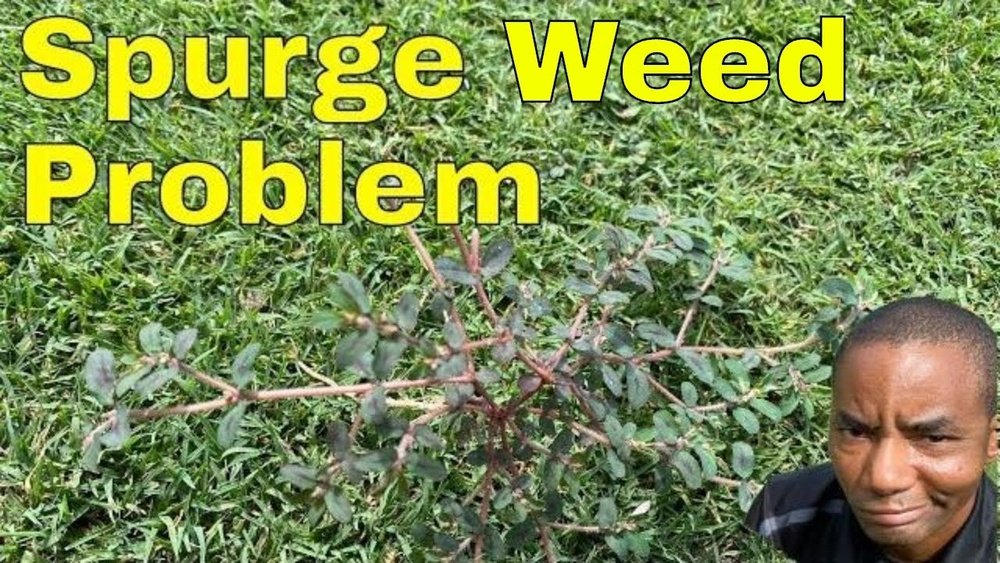
Spurge weed may look harmless at first. Its small leaves and sprawling stems often go unnoticed until it begins to take over a yard. But this weed is more aggressive than it appears. Left unchecked, spurge can quickly form dense mats, choking out grass and garden plants.
If you want a healthy, beautiful lawn, learning how to get rid of spurge weed is essential.
Many homeowners feel frustrated when spurge returns year after year. It survives tough conditions and spreads easily, making it a challenge for even experienced gardeners. The good news is, with the right strategies, you can control and eventually eliminate spurge from your yard.
In this guide, you’ll find clear steps, practical advice, and some expert insights often missed by beginners.
What Is Spurge Weed?
Spurge is the common name for several plants in the Euphorbia genus. In yards, the most common types are prostrate spurge (*Euphorbia maculata*) and spotted spurge. These weeds are low-growing, with reddish stems and small, oval leaves. You may notice a red spot in the center of each leaf—this is a typical feature of spotted spurge.
One unique trait: when you break a spurge stem, it oozes a milky white sap. This sap can irritate skin, so wear gloves when handling the plant.
Why Is Spurge A Problem?
- Rapid spreading: Spurge grows close to the ground and can form thick mats.
- Seed production: Each plant can produce thousands of seeds in one season.
- Tough to remove: It grows back easily from seeds left in the soil.
- Chokes other plants: It crowds out grass and flowers, stealing nutrients and sunlight.
Understanding these traits helps you build a better plan for removing and preventing spurge in your yard.
How To Identify Spurge Weed
Correctly identifying spurge is the first step. It’s often confused with other weeds like purslane or prostrate knotweed. Here’s what to look for:
- Leaves: Small, oval, often with a single red spot. Arranged in pairs along the stem.
- Stems: Reddish, hairy, and grow low to the ground.
- Growth habit: Forms flat mats, rarely growing taller than 2 inches.
- Sap: White, milky fluid when stems are broken.
- Flowers: Tiny, pinkish-white, not showy.
Comparing spurge with similar weeds helps prevent misidentification. Here’s a quick side-by-side look:
| Feature | Spurge | Purslane | Knotweed |
|---|---|---|---|
| Leaf shape | Oval, often spotted | Thick, succulent | Long, narrow |
| Stem color | Reddish, hairy | Red, smooth | Green, wiry |
| Sap | Milky white | Clear | None |
| Growth | Flat mats | Low, spreading | Sprawling, not mat-forming |
:max_bytes(150000):strip_icc()/spurge-weed-identification-removal-6504120-01-c5facdf2d7de449d8a52da3b5ea8db54.jpg)
Credit: www.thespruce.com
Life Cycle Of Spurge: Why Timing Matters
Spurge is an annual weed, meaning it completes its life cycle in one season. Seeds germinate in spring or early summer as soil warms above 60°F (16°C). The plant grows quickly, flowers, and produces seeds throughout the summer. By fall, the parent plants die, but seeds remain in the soil, ready to sprout next year.
Key points beginners miss:
- Early action is critical: Remove spurge before it sets seed to prevent new plants.
- One plant = thousands of seeds: Failing to control even a few plants can lead to a major infestation.
Understanding this cycle helps you target spurge at its weakest points.
Manual Control Methods
Pulling spurge by hand is one of the most common ways to get rid of it, especially in small yards or garden beds. But doing it right is important for success.
How To Pull Spurge Effectively
- Moisten the soil: Water the area first. Damp soil makes it easier to remove the entire root system.
- Wear gloves: The sap can irritate skin.
- Grasp at the base: Pull slowly and steadily to get all the roots.
- Bag and dispose: Do not compost, as seeds may survive.
Tip: Remove spurge before flowers or seeds appear. If you see seeds, be extra careful not to shake them out.
Hoeing And Cultivation
In larger areas, using a hoe can help. Scuff the soil surface to cut young spurge seedlings before they root deeply. This works best when plants are small.
Warning: Disturbing the soil can bring more seeds to the surface, so follow up with mulch or cover crops to prevent regrowth.
Mulching To Prevent Spurge
Mulch is a powerful tool against spurge. By blocking sunlight, mulch prevents seeds from sprouting.
- Apply 2–3 inches of mulch around plants and in flower beds.
- Organic mulches (wood chips, bark, straw) are effective and improve soil health.
- Landscape fabric under mulch gives extra protection.
Non-obvious insight: Spurge seeds can germinate in thin mulch. Always maintain the proper depth, especially after heavy rain or wind.
Chemical Control: Herbicides
When spurge is widespread, herbicides may be needed. There are two main types: pre-emergent and post-emergent.
Pre-emergent Herbicides
These products stop spurge seeds from sprouting. Apply in early spring before soil warms above 55–60°F (13–16°C).
- Common active ingredients: Prodiamine, dithiopyr, oryzalin.
- Where to use: Lawns, pathways, and ornamental beds.
Important: Do not use pre-emergents where you plan to plant seeds, as they affect all seedlings.
Post-emergent Herbicides
These target spurge plants already growing.
- Active ingredients: 2,4-D, dicamba, MCPP, or triclopyr.
- Best time: When weeds are young and actively growing.
- Application: Spot treat only. Avoid spraying desirable plants.
| Herbicide Type | When to Apply | Common Ingredients | Effectiveness |
|---|---|---|---|
| Pre-emergent | Early spring | Prodiamine, dithiopyr | High (prevents new growth) |
| Post-emergent | Spring–summer | 2,4-D, dicamba | Moderate to high (kills existing plants) |
Non-obvious tip: Many people use the wrong herbicide timing. Pre-emergents do nothing against spurge already growing; post-emergents won’t stop seeds from sprouting. Match the product to your problem for best results.
Safety Tips
- Read all label instructions.
- Keep children and pets off treated areas until dry.
- Do not spray on windy days to avoid drift.
Natural And Organic Spurge Control
If you prefer not to use chemicals, there are effective organic methods. These approaches are safer for pollinators and pets.
Corn Gluten Meal
Corn gluten meal is a natural pre-emergent weed control. Spread it on your lawn in early spring. It prevents seeds, including spurge, from sprouting.
- Application rate: 20 pounds per 1,000 square feet.
- Limitation: Must be applied before weed seeds germinate.
Vinegar-based Sprays
Household vinegar (5% acetic acid) kills young spurge leaves but not roots. Stronger horticultural vinegar (20%) is more effective but can burn skin and other plants.
- Use as a spot treatment.
- Best for cracks, driveways, or gravel areas.
Boiling Water
Pouring boiling water on spurge will kill plants instantly. It’s a practical solution for walkways and patios but not for lawns, as it kills everything it touches.
Solarization
Cover infested soil with clear plastic for 4–6 weeks during summer. The sun’s heat cooks weeds and seeds. This method is slow but very effective for large garden beds.
Pro insight: Organic methods require patience and repeated applications. Spurge seeds can survive in soil for years, so persistence is key.
Lawn Care Practices To Prevent Spurge
A healthy, dense lawn is your best defense. Spurge prefers weak, thin grass and bare patches.
Mowing Height
Set your mower to the recommended height for your grass type. Taller grass shades the soil, preventing spurge seeds from sprouting.
- Cool-season lawns (fescue, bluegrass): 2.5–3.5 inches
- Warm-season lawns (Bermuda, zoysia): 1.5–2.5 inches
Fertilization
Feed your lawn as needed. Underfed grass is more likely to let spurge take hold. Use a balanced fertilizer and follow seasonal guidelines.
Watering
Deep, infrequent watering encourages deep roots. Shallow, frequent watering weakens grass and favors weeds like spurge.
Overseeding
If your lawn has bare patches, overseed in fall or early spring to thicken grass cover and crowd out spurge.
How To Kill Spurge In Garden Beds And Walkways
Spurge often grows in flower beds, vegetable gardens, and cracks in sidewalks. Different areas need different approaches.
Garden Beds
- Mulch deeply around plants.
- Pull spurge by hand as soon as you see it.
- Use drip irrigation to water plants, not weeds.
Vegetable Gardens
- Use organic mulch (straw, grass clippings).
- Remove spurge promptly—don’t let it flower.
- Avoid tilling too deeply, as this brings up more seeds.
Walkways And Driveways
- Boiling water or vinegar sprays work well here.
- Seal cracks with sand or polymeric filler to prevent regrowth.
Common Mistakes When Fighting Spurge
Many homeowners struggle because of these common errors:
- Delaying control: Waiting until spurge is mature means more seeds for next year.
- Using the wrong herbicide: Pre-emergents after spurge appears, or post-emergents too late, waste time and money.
- Ignoring bare spots: Failing to fix thin grass lets spurge come back.
- Inconsistent effort: Skipping steps or not following up lets spurge rebound.
- Composting spurge: Seeds often survive composting, so always dispose in trash.
Avoiding these mistakes saves time and gives you a real advantage over spurge.

Credit: sodsolutions.com
How To Stop Spurge From Coming Back
Long-term control is about prevention. Here’s a practical plan:
- Monitor regularly: Walk your yard every 2–3 weeks in spring and summer.
- Act early: Remove spurge before it seeds.
- Keep grass thick: Reseed bare spots and fertilize as needed.
- Mulch beds well: Maintain 2–3 inches of mulch at all times.
- Use pre-emergents: Apply in early spring, especially after a history of spurge.
Most people stop after one treatment. But spurge seeds can remain viable in soil for years. Ongoing vigilance is the real secret to a spurge-free yard.
Comparing Spurge Control Methods
To help you choose the right approach, here’s a side-by-side look at common spurge control methods:
| Method | Effectiveness | Speed | Best For | Limitations |
|---|---|---|---|---|
| Hand pulling | High (small areas) | Instant | Gardens, lawns | Labor-intensive |
| Hoeing/cultivation | Moderate | Quick | Beds, borders | May expose new seeds |
| Mulching | High (prevention) | Ongoing | Beds, around plants | Must maintain depth |
| Pre-emergent herbicide | Very high | Seasonal | Lawns, large areas | Timing is critical |
| Post-emergent herbicide | High (young plants) | 1–2 weeks | Lawns, walkways | Doesn’t prevent new seeds |
| Organic methods | Moderate | Variable | Eco-sensitive areas | May require repeat treatments |

Credit: www.youtube.com
Special Challenges: Spurge In Difficult Areas
Some places are harder to treat, such as shady spots, slopes, or new lawns.
- Shady spots: Grass is weak, so mulch or groundcovers work best.
- Slopes: Use erosion-control blankets or dense planting to crowd out spurge.
- New lawns: Avoid strong herbicides; focus on hand pulling, mulching, and overseeding.
Expert note: In newly seeded lawns, avoid all herbicides until grass is well established (usually after three mowings).
When To Call A Professional
If spurge covers a large area or keeps coming back despite your efforts, consider professional help. Lawn care companies have access to stronger herbicides and can diagnose soil or lawn problems you might miss.
- Large infestations: Over 25% yard coverage.
- Recurring problem: Year after year, despite regular effort.
- Other weed issues: Multiple tough weeds may signal deeper soil or lawn health problems.
The Bigger Picture: Integrated Weed Management
Getting rid of spurge isn’t just about killing weeds. It’s about building a yard that resists all weeds. This is called integrated weed management—using a mix of methods for lasting control.
- Cultural controls: Thick grass, proper mowing, correct watering.
- Mechanical controls: Pulling, hoeing, mulching.
- Chemical controls: Herbicides when needed, used wisely.
- Prevention: Regular monitoring, fast response.
Combining these steps makes your yard stronger and less inviting to spurge and other weeds.
Real-world Example: Spurge Control Success Story
Consider this: A homeowner in Texas battled spurge for years. Every summer, spurge would cover more of their yard, no matter how much they pulled. After learning about the importance of thick grass and the right herbicide timing, they changed their approach:
- They filled bare spots with new grass seed in fall.
- Applied a pre-emergent in early spring.
- Pulled any new spurge immediately by hand.
- Maintained mulch in flower beds.
After two seasons, spurge was almost gone. The key was not just killing weeds, but making the yard a tough place for spurge to grow.
Helpful Resources
For more scientific detail on spurge and integrated weed management, check out this guide from the University of California Integrated Pest Management Program.
Frequently Asked Questions
What Is The White Sap In Spurge, And Is It Dangerous?
The white sap is called latex. It can cause skin irritation in some people, so always wear gloves when handling spurge. Keep children and pets away from freshly pulled plants.
Can I Use Household Vinegar To Kill Spurge?
Yes, but only on young plants and in non-lawn areas. Household vinegar (5%) kills leaves but not roots. For better results, use horticultural vinegar (20%), but be careful—it can harm desirable plants and irritate skin.
How Long Do Spurge Seeds Stay In The Soil?
Spurge seeds can remain viable for up to 8 years. That’s why ongoing prevention and quick removal are so important, even after you’ve cleared visible weeds.
When Should I Apply Pre-emergent Herbicide For Spurge?
Apply pre-emergent when soil temperatures reach 55–60°F (13–16°C) in spring, before spurge seeds germinate. Check local soil temperature data for the best timing.
Will Spurge Go Away On Its Own If I Don’t Do Anything?
No, spurge will return every year if not controlled. Each plant produces thousands of seeds, leading to bigger infestations. Active management is needed for lasting results.
Spurge weed can be persistent, but with knowledge and steady effort, you can reclaim your yard. The most important step is to act early and stay consistent. Over time, you’ll see less spurge and enjoy a healthier, greener lawn.