
Planting rose bushes can seem complicated, but with the right guidance, anyone can create a beautiful rose garden. Whether you’re dreaming of vibrant colors in your yard or want fragrant blooms for your home, following the correct steps is key.
Many beginners rush the process, missing small details that make a big difference. This guide will help you avoid common mistakes, understand what roses need, and show you how to plant rose bushes successfully. With clear instructions, practical advice, and expert tips, you’ll be ready to grow healthy roses that flower for years.
Choosing The Right Rose Bush
The first step is picking the best rose bush for your climate and needs. Roses come in many types, and each grows differently. Taking time to choose wisely will save you effort and disappointment later.
Types Of Rose Bushes
There are three main types:
- Hybrid Tea Roses: Known for their large, single blooms. Good for cutting and bouquets.
- Floribunda Roses: Produce clusters of flowers. Great for garden color.
- Climbing Roses: Grow tall and spread. Perfect for trellises and fences.
Other types include miniature roses and shrub roses, but the above are the most common for home gardens. Each type can have different growth habits—some stay compact, while others can grow over 6 feet tall. For example, miniature roses are suitable for small spaces or containers and are easy to manage, while shrub roses can fill larger areas and act as informal hedges.
Knowing the differences helps you match the rose type to your garden’s size and style. If you have a small balcony, a miniature or floribunda in a pot works well. For a fence or archway, climbers are best. Beginners often pick roses only for color, but growth habit matters just as much.
Climate And Hardiness
Check your USDA Hardiness Zone before buying. Most roses grow best in zones 5–9. Some, like Knock Out Roses, can survive colder climates. Local nurseries often sell roses suited for your area.
If you live in a region with harsh winters, look for roses labeled as “hardy” or “own-root” (grown from cuttings, not grafted). These recover better after freezing weather. In very hot climates, pick varieties bred for heat tolerance, as some classic roses struggle in strong sun.
A common mistake is buying roses from a big box store without checking their suitability. It’s better to spend a little more at a local nursery where staff know your area and can recommend the right types.
Disease Resistance
Pick varieties labeled as disease-resistant. These need less spraying and care. Look for names like ‘Carefree Beauty’ or ‘Bonica’—these handle pests and fungi better.
Many old-fashioned roses are beautiful but need frequent spraying. Modern varieties, often called “landscape” or “easy-care” roses, resist common problems like black spot and powdery mildew. This means less work and fewer chemicals in your garden.
If you’re new to roses, start with disease-resistant types. You’ll enjoy more blooms and fewer headaches. It’s a small detail, but it makes a big difference in your first few years of rose gardening.
Color And Fragrance
Roses come in nearly every color. If you want strong scent, look for varieties like ‘Mr. Lincoln’ or ‘Double Delight’. For color, floribundas and hybrid teas offer many choices.
Some roses have a light, sweet scent, while others are powerfully fragrant. Not all beautiful roses smell good, so check the label or ask before buying. If fragrance is important, focus on varieties bred for scent. If you want blooms for cutting, hybrid teas with long stems are best.
Mixing colors and types creates a more interesting garden. Try combining pink, yellow, and white for a cheerful look, or deep reds and purples for drama.
Buying Tips
- Buy from reputable nurseries.
- Choose plants with healthy, green stems.
- Avoid bushes with black spots, wilt, or yellow leaves.
- Bare-root roses are cheaper and ship easily, but potted roses establish faster.
Look for plants with several strong canes (stems) and a good root system. If buying bare-root, pick ones with thick, firm roots. For potted roses, gently slide the plant out of the pot and check that roots are white and not circling the pot.
Avoid plants with weak, spindly growth.
If possible, buy locally grown roses—they adapt better to your conditions than roses shipped from far away.
Preparing The Planting Site
Roses need the right spot to thrive. The location affects how much they bloom and how healthy they grow. Many people choose a spot just because it’s empty, but roses have specific needs.
Sunlight Requirements
Roses love sun. Aim for at least 6 hours of direct sunlight every day. Morning sun is best, as it dries dew and prevents disease.
If your garden is shady, try to find the brightest spot available. Roses in less sun may survive, but they produce fewer flowers and are more prone to disease. In very hot climates, some afternoon shade can protect blooms from scorching, but don’t plant in deep shade.
A north-facing wall in the northern hemisphere usually gets less sun. Place roses where they get morning and midday light for best results.
Soil Conditions
Well-drained soil is critical. Roses hate “wet feet.” Heavy clay or sandy soils need improvement.
- Ideal pH: 6.0 to 6.5
- Test soil with a kit from garden stores.
- If soil pH is too low (acidic), add garden lime. If too high (alkaline), add sulfur.
Some beginners skip soil tests, but it’s an easy step that prevents problems. Poor soil leads to weak plants. If you have heavy clay, mix in coarse sand and compost to loosen it. For sandy soils, add more organic matter to help retain water.
Soil that stays soggy after rain is a warning sign. If drainage is poor, plant roses in raised beds or mounds.
Site Selection Tips
- Avoid spots near large trees—roots compete for water.
- Ensure good air movement to prevent mildew.
- Pick a location you can easily water and maintain.
Roses near walls or fences often grow well because these structures protect from wind, but make sure there’s enough sun. Don’t plant directly under eaves where heavy rain may compact soil.
Improving Soil Quality
Mix in organic matter before planting. Compost, aged manure, or leaf mold boosts nutrients and drainage.
Aim for at least one-third compost or manure in the planting mix. Well-rotted manure is best—fresh manure can burn roots. Leaf mold, made from decomposed leaves, also improves soil structure. This step is often skipped, but it makes a big difference in the long-term health of your roses.
You can add a handful of slow-release fertilizer or bone meal to the planting hole for extra nutrients. This gives roots a good start.

Credit: www.reddit.com
Tools And Materials Needed
Having the right tools makes planting easier and safer. Here’s what you’ll need:
- Shovel for digging holes
- Garden gloves to protect hands
- Pruning shears for trimming roots and stems
- Watering can or hose
- Measuring tape to space bushes
- Spade fork for loosening soil
- Mulch (bark, straw, or compost)
- Bone meal or rose fertilizer
- Wheelbarrow for moving soil
Many beginners forget gloves, but thorny stems can cause scratches. Always wear protection.
A few extra items can help: a bucket for soaking bare-root roses, a small trowel for delicate work, and a rake to smooth the soil. If you’re planting many bushes, a garden kneeler or pad saves your knees.
Good tools last for years. Clean pruning shears with rubbing alcohol before and after use to prevent spreading disease.
When To Plant Rose Bushes
Timing matters for healthy roots and blooms. Planting at the right time improves success.
Best Season
- Spring is ideal for most regions. Soil is warming, and growth starts soon.
- In warmer areas (zones 8–10), you can plant in fall.
- Avoid planting in summer heat or winter frost.
Planting in early spring gives roses time to establish roots before summer heat. If you must plant in fall, do it at least 6 weeks before your first hard frost. This lets roots settle before winter.
If you plant too late in spring, hot weather stresses new plants. Too early, and roots may rot in cold, wet soil.
Bare-root Vs. Potted Roses
- Bare-root roses: Plant when dormant, usually in early spring.
- Potted roses: Plant anytime the ground is workable, but spring is best.
Plant on a cool, cloudy day to reduce transplant shock.
Bare-root roses are shipped and sold with no soil around roots. They are lighter and cheaper but must be planted quickly. Potted roses are less fussy and can be planted whenever you have time, as long as the ground isn’t frozen.
If you must wait to plant, keep bare-root roses cool and moist. Don’t let them dry out.
Step-by-step Planting Instructions
Planting roses is simple if you follow these steps. Pay attention to each detail for best results.
1. Soak Bare-root Roses
If using bare-root roses, soak the roots in water for 4–24 hours before planting. This hydrates the plant and reduces shock.
Use a bucket of lukewarm water and submerge the entire root system. If the roots are very dry, soak the maximum time. If the plant starts sprouting leaves before planting, that’s fine—just be gentle with the new growth.
2. Dig The Hole
Make a hole twice as wide and deep as the root ball or container.
- Standard size: 15–18 inches wide, 15–18 inches deep
- For clay soil, go wider for drainage
A wide hole lets roots spread easily. If the hole is too narrow, roots may grow in circles and the plant will struggle. Pile the removed soil on a tarp or in a wheelbarrow for easy mixing with compost.
3. Amend The Soil
Mix compost or aged manure into the dug-up soil. Add bone meal for root growth.
Bone meal is a natural fertilizer high in phosphorus, which helps roots develop. About a cup per plant is enough. Mix everything well so roots touch the enriched soil, not just plain dirt.
4. Place The Bush
Form a mound of soil in the hole’s center. Spread roots over the mound. For potted roses, loosen roots gently.
- Position graft union (swollen part above roots) just above soil in mild climates, or 1–2 inches below soil in cold regions.
If planting in a windy spot, face the strongest cane into the wind to prevent breakage. Spread roots out like spokes of a wheel. For container roses, tease apart circling roots.
5. Fill And Firm
Backfill hole with amended soil. Gently press around roots to remove air pockets.
Firm but don’t pack the soil too tightly. Air pockets cause roots to dry out and can kill the plant. Add soil gradually, tamping gently as you go.
6. Water Deeply
After planting, water the bush thoroughly. This settles soil and hydrates roots.
Use a slow stream of water so it soaks deep into the root zone. If soil settles after watering, add more to keep the rose at the right depth.
7. Mulch
Apply 2–3 inches of mulch around the base. Keep mulch 1–2 inches away from stems to prevent rot.
Mulch is especially important in hot or dry climates. It keeps roots cool and moist. In cold climates, mulch insulates roots against freezing.
8. Prune And Inspect
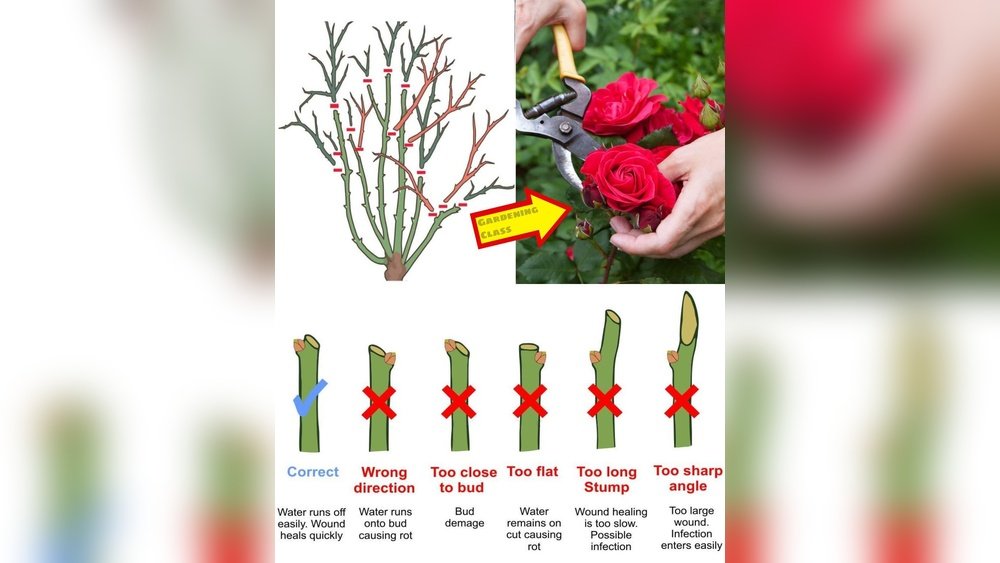
Prune dead or damaged stems. Trim main stems to about 6–8 inches for bare-root roses. Remove crossing branches.
Cut just above an outward-facing bud at a 45-degree angle. This encourages new growth away from the center, improving air flow.
9. Stake If Needed
If planting climbers or in windy spots, use stakes to support new bushes.
Use soft ties (not wire) to avoid damaging stems. Check ties often and loosen as the plant grows.
Spacing And Layout
Proper spacing prevents disease and encourages full growth.
- Hybrid teas and floribundas: 18–30 inches apart
- Climbing roses: 6–10 feet apart
- Shrub roses: 3–5 feet apart
Crowding leads to poor air flow and more disease. Use a measuring tape for accuracy.
If you’re planting a row, stagger plants in a zigzag pattern for a fuller look. For large beds, leave enough space to walk between bushes for easy care.
Sample Rose Bed Layout
Here’s a simple comparison of layouts for different types:
| Rose Type | Recommended Spacing | Number per 10 ft |
|---|---|---|
| Hybrid Tea | 24 inches | 5 |
| Floribunda | 20 inches | 6 |
| Climbing | 8 feet | 1 |
| Shrub | 4 feet | 2 |
For mixed beds, group similar types together for easier care. Give climbers more space and a strong support.
Watering Newly Planted Roses
Correct watering is vital for rose health. Both over- and under-watering cause problems.
How Much Water?
Give new roses 1–2 gallons of water per bush, once or twice a week. Adjust for rainfall and soil type.
In sandy soils, water drains quickly—roses may need more frequent watering. In heavy clay, water less often but deeply. Always check soil moisture by sticking your finger 2 inches into the soil. If it feels dry, water.
Watering Tips
- Water at the base, not over leaves.
- Morning watering prevents disease.
- Sandy soils need more frequent watering.
Drip irrigation or a soaker hose works well for roses. Avoid overhead watering, which spreads disease. If you use a watering can, pour slowly at the soil line.
Mulch helps keep soil moist so you may water less often.
Signs Of Problems
- Yellow leaves: Too much water or poor drainage.
- Wilting: Not enough water.
Other signs include drooping buds (underwatering) and black spots on leaves (overwatering plus poor air flow). If unsure, check the soil before watering.
Example Watering Schedule
| Week | Frequency | Amount per Bush |
|---|---|---|
| 1–2 | Twice per week | 2 gallons |
| 3–6 | Once per week | 1 gallon |
| After 6 | As needed | 1 gallon |
If the weather is hot and dry, check roses more often. Rainy periods may need less watering. Remember, deep watering encourages roots to grow down, making plants stronger.
Fertilizing For Strong Growth
Roses are heavy feeders. Fertilizing helps them bloom and stay healthy.
When To Fertilize
- Start feeding after new leaves appear (about 4 weeks after planting).
- Continue every 4–6 weeks during growing season (spring to mid-summer).
Don’t fertilize at planting—wait until you see new growth. Late-season fertilizer can cause soft growth that’s damaged by frost.
Types Of Fertilizer
- Balanced fertilizer (10-10-10 or 12-12-12)
- Rose-specific fertilizer with micronutrients
- Organic options: Compost tea, fish emulsion
Organic options feed soil microbes and improve long-term health. Synthetic fertilizers give quick results but must be used carefully. Slow-release granules are easy for beginners.
How To Apply
- Scatter granules at the base, then water.
- Liquid fertilizers can be sprayed on leaves and soil.
Follow package instructions. Too much fertilizer burns roots. For liquid feeds, apply in the morning when leaves can dry quickly.
Common Mistakes
- Over-fertilizing causes leaf burn.
- Fertilizing late in summer encourages weak growth before winter.
If you notice dark edges on leaves, reduce fertilizer. Roses in poor soil may need more frequent, lighter feedings.
:max_bytes(150000):strip_icc()/how-to-plant-roses-1403055-1247cb901e7e431da47d4ce023b953a9.png)
Credit: www.thespruce.com
Mulching And Weed Control
Mulch keeps soil moist and stops weeds. It also protects roots in winter.
Best Mulch Types
- Bark chips
- Straw
- Compost
- Shredded leaves
Avoid using fresh grass clippings or sawdust—they can rob soil of nitrogen as they break down. Pine needles work well in acidic soils but may not suit all roses.
How Much To Use
Apply 2–3 inches around each bush. Keep mulch away from stems.
In cold areas, add more mulch before winter for extra protection. Remove heavy mulch in spring so new shoots aren’t smothered.
Benefits Of Mulching
- Retains moisture
- Prevents weeds
- Insulates roots
- Adds nutrients as it breaks down
Mulch also keeps soil temperature stable, which reduces stress on plants. As it decomposes, mulch feeds beneficial soil life.
Controlling Weeds
Hand-pull weeds before mulching. Avoid weed killers near roses—they can damage roots.
For persistent weeds, lay cardboard or newspaper under mulch. This blocks sunlight and smothers weeds. Check regularly—some weeds can grow through thick mulch if left unchecked.
Pruning Newly Planted Roses
Pruning shapes the bush and improves air flow. Beginners often skip pruning, but it’s important.
When To Prune
- After planting, prune damaged stems.
- For established bushes, prune in early spring as buds swell.
In cold climates, wait until the risk of frost passes. Pruning too early can lead to frost-damaged shoots.
How To Prune
- Use sharp pruning shears
- Cut at a 45-degree angle above a bud
- Remove dead, diseased, or crossing branches
Always sterilize shears before pruning each plant to prevent disease spread. If unsure, cut less—over-pruning weakens young plants.
Pruning Example
Imagine you planted a hybrid tea rose. After planting, trim main stems to 6–8 inches. Remove thin shoots. This encourages strong growth.
For climbing roses, only remove dead or damaged wood in the first year. Major pruning starts after the second season.
Common Planting Mistakes And How To Avoid Them
Even experienced gardeners make mistakes. Here are the most frequent errors:
- Planting too deep: Roots suffocate. Keep graft union above or just below soil.
- Poor soil drainage: Waterlogged roots rot. Always improve drainage.
- Crowding bushes: Leads to disease. Space roses carefully.
- Ignoring soil pH: Wrong pH stops roses from absorbing nutrients.
- Using too much fertilizer: Causes leaf burn and weak stems.
- Mulch touching stems: Can cause rot. Leave space.
- Planting at wrong time: Heat or frost stresses plants.
- Forgetting to soak bare-root roses: Roots dry out and die.
Another common mistake is not watering deeply after planting. Surface watering is not enough for new bushes. Also, don’t skip the first pruning—removing weak stems gives your rose a better start.
Caring For Rose Bushes After Planting
Proper care after planting makes the difference between healthy, flowering roses and weak, struggling bushes.
Watering
Stick to the watering schedule. Adjust for weather changes.
Feeding
Apply fertilizer as needed. Compost helps too.
Mulching
Refresh mulch every year. Remove old mulch if it’s moldy.
Inspecting For Problems
Look for pests like aphids or diseases like black spot. Early action prevents spread.
Check leaves weekly for signs of trouble. Remove and destroy diseased leaves—don’t compost them. If you see sticky residue, check for aphids on new growth.
Training And Staking
Climbing roses need support. Tie stems loosely to trellises or stakes.
Guide new shoots sideways to encourage more blooms. For tall or heavy bushes, use a sturdy stake and soft ties. Check ties regularly and adjust as stems grow.
Protecting Roses From Pests And Diseases
Roses attract pests and can suffer from diseases. Prevention is easier than cure.
Common Pests
- Aphids: Small green bugs on new growth
- Japanese beetles: Metallic bugs that eat leaves
- Spider mites: Tiny, cause stippling on leaves
Aphids cluster on buds and new shoots, sucking sap and weakening plants. Japanese beetles chew leaves and flowers, making holes. Spider mites are hard to see but cause yellow speckles.
Common Diseases
- Black spot
- Powdery mildew
- Rust
Black spot shows as black dots on leaves, which then turn yellow. Powdery mildew looks like white dust on leaves. Rust appears as orange spots on the underside of leaves.
Prevention Tips
- Plant disease-resistant varieties
- Space bushes for air flow
- Water at the base, not leaves
- Remove infected leaves quickly
Clear fallen leaves and debris under bushes, as many diseases overwinter in old leaves. In humid climates, increase spacing and prune for better air flow.
Treatment
If needed, use insecticidal soap or organic sprays. For major outbreaks, seek advice from local extension offices.
Homemade remedies, such as a mild soap and water spray, work for light infestations. For serious problems, ask your local nursery for safe, effective products.
Comparing Rose Types For Home Gardens
If you’re unsure which rose type to plant, compare their features:
| Rose Type | Bloom Style | Growth Habit | Care Level |
|---|---|---|---|
| Hybrid Tea | Large, single | Upright | Moderate |
| Floribunda | Clusters | Compact | Easy |
| Climbing | Varied | Spreading | High |
| Shrub | Mixed | Bushy | Low |
Hybrid teas need regular pruning and staking. Floribundas are great for borders and need less care. Shrub roses are the easiest—good for beginners or low-maintenance gardens.
Practical Tips For Success
Here are some extra tips that beginners often overlook:
- Rotate rose beds: Don’t plant new roses where old ones died recently. Soil may contain disease.
- Water deeply, not often: Shallow watering leads to weak roots.
- Check for roots circling in pots: Gently loosen before planting.
- Label each bush: Use weatherproof tags to remember varieties.
- Photograph your garden: Helps track growth and spot issues.
Also, keep a small garden journal. Write down what you plant, where, and when. This helps you notice patterns—like which varieties do best in your yard.
If a bush fails, don’t be discouraged. Sometimes, even with perfect care, a rose just doesn’t thrive. Move it to a different spot or try a new variety.
Real-life Example: Planting Success Story
A gardener in Illinois planted five bare-root hybrid teas in mid-April. She soaked roots overnight, amended clay soil with compost, and mulched with bark chips. By mid-June, four bushes bloomed well, but one struggled. She checked soil pH and found it was too acidic. Adding garden lime fixed the problem, and the bush grew healthy. This shows how small steps like soil testing can save a plant.
Another gardener in Texas tried planting roses in a shady spot near a tree. The roses grew slowly, with few blooms and yellow leaves. Moving them to a sunnier spot, adding compost, and watering deeply made a big difference—they bloomed more and looked healthier.
Both stories show that attention to detail—like soil preparation and proper sunlight—makes all the difference.
Credit: www.homedepot.com
Frequently Asked Questions
How Deep Should I Plant A Rose Bush?
Plant the bush so the graft union is just above the soil in mild climates, or 1–2 inches below soil in colder areas. The hole should be 15–18 inches deep.
If your soil is very loose or sandy, plant slightly deeper to anchor roots. In heavy clay, keep roots closer to the surface to avoid waterlogging.
Can I Plant Roses In Containers?
Yes, roses grow well in containers if you use large pots (at least 15 inches wide) and well-drained soil. Water and feed regularly.
Use high-quality potting mix and raise the pot on bricks to improve drainage. Container roses dry out faster—check soil often, especially in summer.
What Is The Best Time Of Year To Plant Roses?
Spring is best for most regions. In warmer climates, fall works too. Avoid extreme heat or cold.
If you missed spring, plant in early fall, leaving enough time for roots to establish. Avoid planting just before a freeze or heat wave.
How Long Does It Take For Roses To Bloom After Planting?
Most roses bloom 8–12 weeks after planting, depending on variety and care. Potted roses may flower sooner than bare-root.
If you prune heavily at planting, expect blooms a little later. Good soil, water, and fertilizer speed up flowering.
How Do I Prevent Diseases In Rose Bushes?
Choose disease-resistant varieties, space bushes for air flow, water at the base, and remove infected leaves. Mulching also helps prevent splash-up of soil-borne fungi.
Check plants weekly and act at the first sign of trouble. Regular cleaning and good habits keep most problems away.
Planting rose bushes correctly is a rewarding project. With careful planning, the right tools, and good habits, you’ll enjoy healthy plants and beautiful blooms. Remember, roses need sunlight, well-drained soil, and regular care. Take time with each step, and don’t rush the process. For more in-depth advice, visit the American Rose Society. Growing roses can be simple, and your garden will thank you with color and fragrance for years to come.