
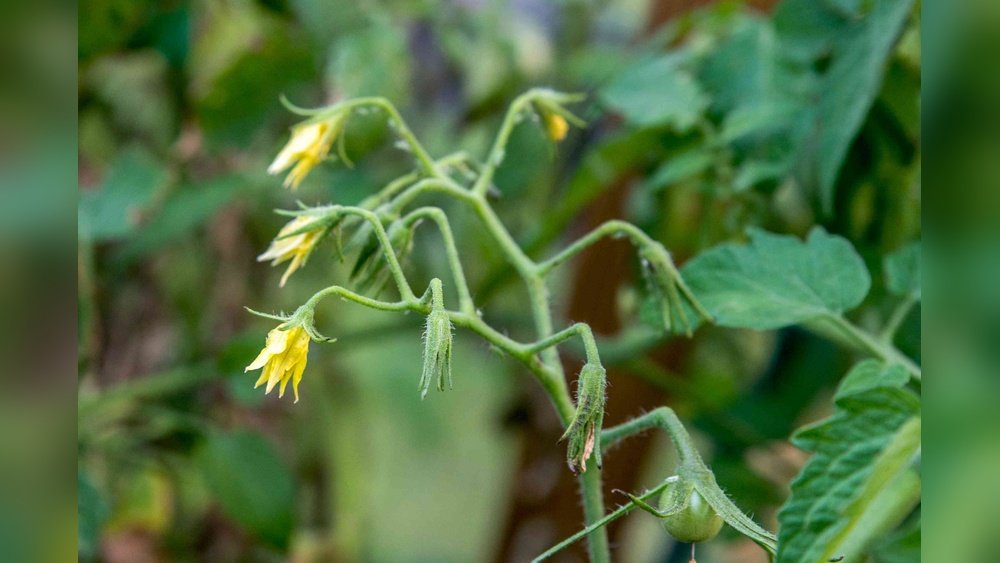
Growing tomatoes can be rewarding, but sometimes your plants lose flowers before they become fruit. This problem—known as blossom drop—frustrates both new and experienced gardeners. If you’ve noticed your tomato plants flowering but not producing tomatoes, you’re not alone. Understanding why blossom drop happens and how to prevent it can make a huge difference in your harvest.
In this article, you’ll learn what causes blossom drop, how to spot early warning signs, and the best ways to prevent it. We’ll look at practical steps, common mistakes, and even a few advanced tips that many guides miss. Whether you grow tomatoes in a backyard garden or on a sunny balcony, these strategies can help you enjoy more homegrown tomatoes.
What Is Blossom Drop In Tomatoes?
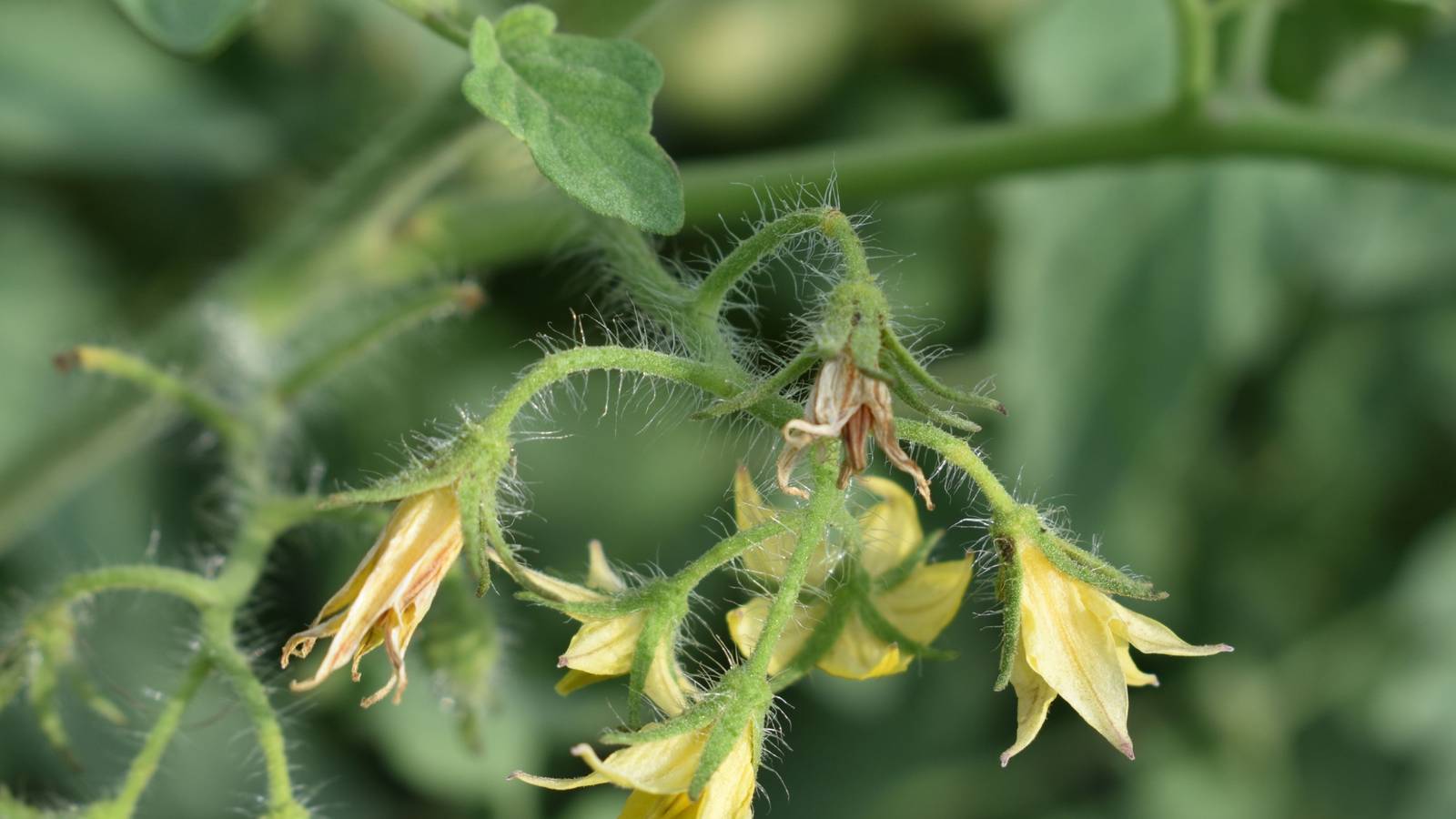
Blossom drop happens when tomato plants produce flowers, but these flowers fall off before setting fruit. Instead of developing into tomatoes, the blossoms simply wither and drop to the ground. This means you miss out on future tomatoes, even if your plants look healthy.
Blossom drop can affect any variety—cherry, beefsteak, heirloom, or hybrid. It’s a sign that something is stressing your plants, and they can’t complete the process of turning flowers into fruit.
Key symptoms:
- Yellowing or browning of flower stems
- Flowers drying up and falling off
- No tiny green tomatoes forming after flowering
Early detection is important. If you see flowers falling before fruit forms, it’s time to act. Sometimes, you may notice clusters of flowers drop together, especially after a period of extreme weather or sudden changes in care. It’s worth checking under your plants for fallen blossoms—this can show you how serious the problem is.
A non-obvious sign is when your tomato plant puts out lots of new leaves and stems but doesn’t seem to set fruit. Often, this lush growth hides the fact that flowers are dropping before you notice.
Main Causes Of Blossom Drop
Many factors can trigger blossom drop. Some are easy to fix, while others need more attention. Understanding these causes helps you choose the right solution.
1. Temperature Problems
Tomatoes are sensitive to temperature. If it’s too hot or too cold, plants can’t set fruit.
- High daytime temperatures (above 85°F/29°C)
- High nighttime temperatures (above 70°F/21°C)
- Low nighttime temperatures (below 55°F/13°C)
Extreme temperatures can affect the pollen, making it less sticky. This means flowers don’t pollinate well, and they drop off. For example, a heat wave lasting just three days can wipe out an entire flush of blossoms, even if the plants otherwise look healthy.
Another overlooked detail is rapid temperature swings. If temperatures change quickly from cool to hot (or vice versa), tomato plants can experience extra stress. This sudden change can confuse the plant’s natural timing for flowering and fruit set.
2. Poor Pollination
Tomatoes are self-pollinating, but they need movement (wind, bees, or hand-shaking) to transfer pollen. If the air is still or there aren’t enough pollinators, blossoms may not set fruit.
Sometimes, pollen grains can become sticky in humid weather, or too dry in arid conditions, making transfer difficult. Even a single rainy day can keep bees away, reducing pollination chances for that batch of flowers.
3. Water Stress
Both too much and too little water stress the plant. Inconsistent watering causes the plant to drop flowers to survive.
If you’re watering irregularly—sometimes a lot, sometimes a little—the plant can’t predict what’s coming. This uncertainty makes it shed flowers to protect itself. Water stress also affects the plant’s ability to move nutrients, which can weaken flowers.
4. Nutrient Imbalance
Too much nitrogen leads to leafy growth but poor fruit set. Lack of potassium or other minerals can also trigger blossom drop.
For example, many gardeners think more fertilizer means more tomatoes, but this isn’t true. Overfeeding with nitrogen can cause a thick, green plant with very few fruits. Underfeeding, especially missing potassium or phosphorus, can lead to weak flowers that drop easily.
A lesser-known issue is micronutrient deficiency. Elements like magnesium, calcium, and boron are needed in small amounts, but their absence can disrupt flower health and pollination.
5. Humidity Issues
Relative humidity that’s too high (over 70%) or too low (under 40%) affects pollen. Sticky or dry pollen can reduce pollination success.
Greenhouses often struggle with humidity. If you see dew on leaves in the morning, humidity is probably high. If leaves seem crispy or flowers shrivel quickly, humidity may be too low.
6. Pest And Disease Pressure
Certain pests like thrips or diseases like blossom end rot can weaken flowers and cause drop.
Thrips, for instance, are tiny insects that feed inside flowers, damaging the reproductive parts and causing them to fall. Even small infestations can make a big difference. Fungal diseases can also cause flower stems to rot, leading to blossom drop.
7. Plant Stress
Transplant shock, pruning at the wrong time, or root damage can all lead to blossom drop.
If you move a plant while it’s flowering, or prune heavily at this stage, the sudden change can trigger flower loss. Root disturbance during weeding or soil amendment is another hidden cause.
Not all flowers will set fruit (even in ideal conditions, only about 70% do), but too much drop signals a problem. It’s normal for some flowers to fall, but if you lose most of them, look for these causes.

Credit: www.groworganic.com
How To Prevent Blossom Drop: Practical Steps
Preventing blossom drop means creating the best possible environment for your tomatoes. Here’s how to address the most common causes.
1. Manage Temperature
Tomatoes thrive between 70°F–85°F (21°C–29°C) during the day and 55°F–70°F (13°C–21°C) at night. If you live in an area with hot summers or cool nights, try these tips:
- Use shade cloth during hot afternoons to reduce heat stress.
- Plant early so the flowering stage happens before peak summer heat.
- Choose heat-tolerant varieties if high temperatures are common.
- Cover plants with row covers at night if temperatures drop too low.
A simple digital thermometer in your garden helps you monitor temperature swings. For container gardens, try moving pots to shaded areas or closer to walls at night for warmth.
If your weather is unpredictable, consider planting in raised beds or containers, where you can control conditions better. Raised beds warm up faster in spring and cool down slower at night.
2. Improve Pollination
If you notice lots of flowers but little fruit, pollination may be the issue.
- Gently shake flowering branches in the morning to help pollen move.
- Attract bees by planting nearby flowers like borage or marigold.
- Avoid insecticides during blooming, as they can harm pollinators.
- Use a small paintbrush to transfer pollen between flowers if needed.
Wind helps, but in greenhouses or still weather, hand pollination works well. If your garden is protected from wind, try running a fan for a few hours during the day to create gentle movement.
Another tip: pollinate early in the morning, when flowers are most receptive and pollen is fresh.
3. Water Consistently
Tomatoes like even moisture. Both drought and overwatering are harmful.
- Water deeply so roots grow down, not out.
- Mulch with straw or leaves to retain soil moisture.
- Check soil with your finger: If the top 1–2 inches are dry, it’s time to water.
- Use drip irrigation for even, slow watering—avoid wetting leaves.
Sudden heavy watering after dry spells can shock plants and cause flower drop. If your soil drains quickly, add organic matter to help keep moisture stable.
For balcony or container growers, remember that pots dry out faster than garden beds. Check pots daily during hot weather.
4. Balance Nutrients
Feed your tomatoes wisely. Too much nitrogen makes lots of leaves but few fruits.
- Use a balanced fertilizer (like 5-10-10) during flowering.
- Add compost or aged manure to improve soil fertility.
- Test your soil if possible, to check for potassium or phosphorus levels.
- Avoid high-nitrogen lawn fertilizers near tomato beds.
Tip: Calcium is important for healthy flowers and fruit. Crushed eggshells or lime can help if your soil lacks calcium. If you see blossom end rot, consider adding calcium and review your watering routine.
For advanced care, foliar feeding (spraying leaves with diluted fertilizer) can help correct small nutrient deficiencies quickly.
5. Control Humidity
Ideal humidity for tomatoes is 40-70%. Very dry air or steamy conditions make pollination harder.
- Increase air movement by spacing plants well.
- Mist plants lightly if air is too dry, but avoid wetting flowers directly.
- Ventilate greenhouses to prevent humidity buildup.
For home gardeners, opening windows or doors during the day can help lower humidity. In dry climates, place a tray of water near plants to raise humidity slightly.
6. Protect Against Pests And Diseases
Weak flowers are more likely to drop. Keep plants healthy:
- Inspect flowers and leaves regularly for pests like thrips or aphids.
- Remove and destroy infected flowers to stop disease spread.
- Use organic sprays (like neem oil) only when necessary.
- Practice crop rotation—don’t plant tomatoes in the same spot every year.
If you see holes or spots on flowers, look closely for tiny insects. Sticky traps can help monitor pest levels.
7. Reduce Other Stress
Handle plants gently. Avoid damaging roots or stems. Wait until plants are strong before heavy pruning.
If you need to transplant, do it before flowering. If you must prune, remove only dead or crowded leaves, and avoid touching flowers.
8. Choose The Right Varieties
Some tomatoes set fruit better in tough conditions. Look for heat-set, cold-set, or determinate varieties if your area has extreme weather.
Hybrid tomatoes often have better resistance to stress and blossom drop. Determinate types finish flowering quickly, making them less affected by weather swings.
Tomato Varieties And Blossom Drop Resistance
The choice of variety can make a difference. Some tomatoes are bred for better fruit set under stress.
Here’s a quick look at common types:
| Variety | Blossom Drop Resistance | Best For |
|---|---|---|
| Florida 91 | High | Hot climates |
| Celebrity | Moderate | General use |
| Solar Set | High | Heat tolerance |
| Early Girl | Moderate | Cool climates |
| Heirloom (Brandywine, etc.) | Low | Flavor, not stress resistance |
Tip: If you often lose flowers, try planting both heirloom and modern varieties to see which performs best in your garden. Sometimes, mixing varieties can help spread risk—if one fails, another may succeed.
Another insight: cherry tomatoes tend to set fruit more reliably in tough weather than large beefsteak types. They’re a good choice for beginners or challenging climates.

Credit: www.onehundreddollarsamonth.com
Common Mistakes That Cause Blossom Drop
Many gardeners unknowingly stress their tomato plants. Avoid these frequent errors:
- Over-fertilizing with nitrogen-rich products.
- Watering on a set schedule instead of checking soil moisture.
- Ignoring night temperatures, which matter as much as daytime heat.
- Planting too close together, which raises humidity and disease risk.
- Pruning too much during flowering, which shocks plants.
Even experienced growers can make these mistakes. Adjusting your routine can prevent blossom drop. Another common error is planting tomatoes in the same spot every year—this can increase disease risk and soil exhaustion.
Some gardeners also forget to check the pH of their soil. Tomatoes prefer slightly acidic soil (pH 6. 0–6. 8); extremes can affect nutrient uptake and flower health.
Advanced Tips For Maximizing Fruit Set
A few extra strategies can give you better results, especially if you’ve struggled in the past.
Use Epsom Salt Wisely
Some gardeners add Epsom salt (magnesium sulfate) to soil or water. Magnesium supports healthy flowers, but only if your soil is low in magnesium. Too much can create problems. Test your soil first or use small amounts (1 tablespoon per gallon of water every 4–6 weeks).
A practical tip: use Epsom salt as a foliar spray for a quick boost—mix one tablespoon in a gallon of water and spray leaves lightly.
Try Blossom Set Sprays
Some stores sell blossom set sprays—products with hormones that encourage fruit set. They can help in tough conditions but are not a substitute for good care.
Use sprays only when weather is extreme or pollination is poor. Always follow label directions—overuse can harm plants.
Monitor Microclimates
Your garden might have hot, cold, or windy spots. Use this to your advantage—plant heat-sensitive tomatoes in shaded areas or near walls that reflect warmth.
If you’re growing on a balcony, consider placing plants near walls that absorb heat during the day and release it at night, helping stabilize temperatures.
Keep A Garden Journal
Record dates, weather, and problems each year. Patterns will emerge, helping you adjust your planting times or choose better varieties.
Write down when blossom drop happens, how many flowers fall, and what changes you make. Over time, this personal data helps you predict and prevent problems.
How Weather Patterns Affect Blossom Drop
Even with perfect care, weather can play a big role in blossom drop. Understanding these patterns helps you plan.
Hot Spells
A few days above 90°F (32°C) can cause major blossom drop, especially at night. Tomatoes stop setting fruit until weather cools. If you know a heat wave is coming, add shade cloth and water early in the morning.
Cold Snaps
A sudden cold night in late spring or early summer can damage flowers. Cover plants if frost is possible. Even a light frost can kill blossoms, so be proactive.
Wind And Rain
Strong winds or heavy rain during flowering can shake off blossoms or limit pollinator activity. For exposed gardens, use windbreaks like fences or hedges to protect plants.
Humid Or Dry Periods
Humidity swings affect pollen. You may see more drop after a stormy, humid week or during a dry spell. If humidity is high, open up plant spacing; if it’s low, mist plants lightly.
Insight: If you lose a flush of flowers to weather, don’t panic. Tomatoes often produce new blossoms once conditions improve. Recovery is possible with patience and good care.
Comparing Blossom Drop In Tomatoes Vs. Other Crops
Blossom drop is not just a tomato problem. Other fruiting plants can suffer, but tomatoes are especially sensitive.
Here’s a quick comparison:
| Crop | Blossom Drop Risk | Main Cause |
|---|---|---|
| Tomatoes | High | Temperature, pollination |
| Peppers | Moderate | Heat, water stress |
| Eggplants | Moderate | Humidity, heat |
| Beans | Low | Drought |
| Squash | Low | Poor pollination |
Tomatoes are more sensitive to temperature swings than most garden vegetables. For example, beans tolerate heat better, while peppers often drop flowers only during extreme heat.
How To Spot And Fix Blossom Drop Early
Early action can save the rest of your harvest. Here’s how to spot problems and take action:
Warning Signs
- More than 20-30% of flowers fall off
- No small green tomatoes forming after flowering
- Rapid yellowing or browning of flower stems
- Flowers look dry or shriveled
If you see these signs, check your plants daily. Sometimes, blossom drop starts slowly and then increases quickly during stressful weather.
Immediate Steps
- Check the weather: Are temperatures outside the ideal range?
- Look for pests or disease: Inspect flowers and leaves.
- Test soil moisture: Adjust watering if needed.
- Check fertilizer: Stop or adjust if using lots of nitrogen.
- Improve airflow: Space plants and remove weeds.
A fast response can reduce further flower loss. If you act quickly, you can often save the next round of blossoms.
Another tip: prune only lower leaves to improve airflow and reduce disease, but avoid touching flowers.
Real-world Examples And Case Studies
Backyard Garden In Texas
A gardener in Texas noticed nearly all tomato flowers dropped in June. After tracking the weather, they saw daytime temperatures hit 98°F (37°C) and nights stayed above 75°F (24°C). The gardener added shade cloth, watered in the morning, and switched to heat-tolerant varieties the next year.
Tomato yields doubled.
Urban Balcony In New York
A balcony grower had healthy plants but little fruit. Hand-pollination with a small brush and adding bee-attracting flowers like lavender improved fruit set. Consistent watering also helped. The grower also moved pots to shade during the hottest part of the day, reducing flower drop.
Community Garden In California
After heavy spring rains, humidity stayed high. Many gardeners lost flowers. Those who spaced their plants wider and pruned lower leaves had less blossom drop. One gardener added mulch and saw improved fruit set.
These examples show that small changes can make a big difference. Sometimes, combining solutions—like adjusting watering and attracting pollinators—gives the best results.
Credit: www.backyardboss.net
Practical Checklist: Preventing Blossom Drop
- Plant at the right time for your region
- Choose varieties suited to local weather
- Use mulch for even soil moisture
- Water deeply and consistently
- Feed with balanced fertilizer
- Monitor temperatures and protect plants as needed
- Encourage pollinators and hand-pollinate if necessary
- Inspect for pests and diseases regularly
- Give plants enough space for airflow
- Record your results each year
If you follow this checklist, you’re likely to see much better tomato yields and fewer lost blossoms.
Scientific Research And Further Reading
Research shows that temperature and humidity are the biggest triggers for blossom drop. According to studies by university extension services, keeping daytime temperatures below 85°F (29°C) and nighttime above 55°F (13°C) gives the best fruit set. Consistent watering and balanced nutrition also matter.
Many experiments show that even a single spike in temperature or humidity can cause large numbers of flowers to drop. Scientists also note that hybrid varieties with built-in stress tolerance tend to do better in tough conditions.
For more detailed scientific information, visit the Wikipedia page on blossom drop.
Frequently Asked Questions
Why Do Tomato Blossoms Fall Off Even If The Plant Looks Healthy?
Even healthy-looking plants can lose flowers if the weather is too hot, too cold, or too humid. Sometimes, water or nutrient stress isn’t obvious from leaves alone. Monitoring temperature and checking soil moisture can help you find hidden problems. Another hidden cause is lack of pollinator activity, which may not show on leaves or stems.
How Long Does It Take For A Tomato Flower To Become A Fruit?
After successful pollination, it usually takes 5–10 days for a small green tomato to appear. If flowers drop before this, pollination or environmental stress is likely the cause. If conditions are good, fruit growth continues for 20–30 days until ripe.
Is Blossom Drop The Same As Blossom End Rot?
No. Blossom drop means flowers fall before fruit forms. Blossom end rot is a dark, rotten spot on the bottom of developing fruit, usually from calcium deficiency or uneven watering. Both can occur together if the plant is stressed.
Can Hand Pollination Help With Blossom Drop?
Yes. Hand pollination can help if poor pollination is the cause. Gently shaking flowers or using a small paintbrush can transfer pollen and improve fruit set, especially in greenhouses or still weather. In outdoor gardens, hand pollination works best early in the morning.
Will Lost Blossoms Grow Back If The Problem Is Fixed?
Tomato plants often produce new flowers if conditions improve. Fix the cause of blossom drop (like temperature, watering, or nutrients), and you can still get a good harvest later in the season. Sometimes, the second or third flush of flowers gives even better fruit set.
Growing tomatoes can bring challenges, but understanding blossom drop puts you in control. With careful attention to your plants’ needs and a few simple adjustments, you can enjoy a bountiful tomato harvest—full of the flavor and satisfaction that only homegrown tomatoes can provide.