
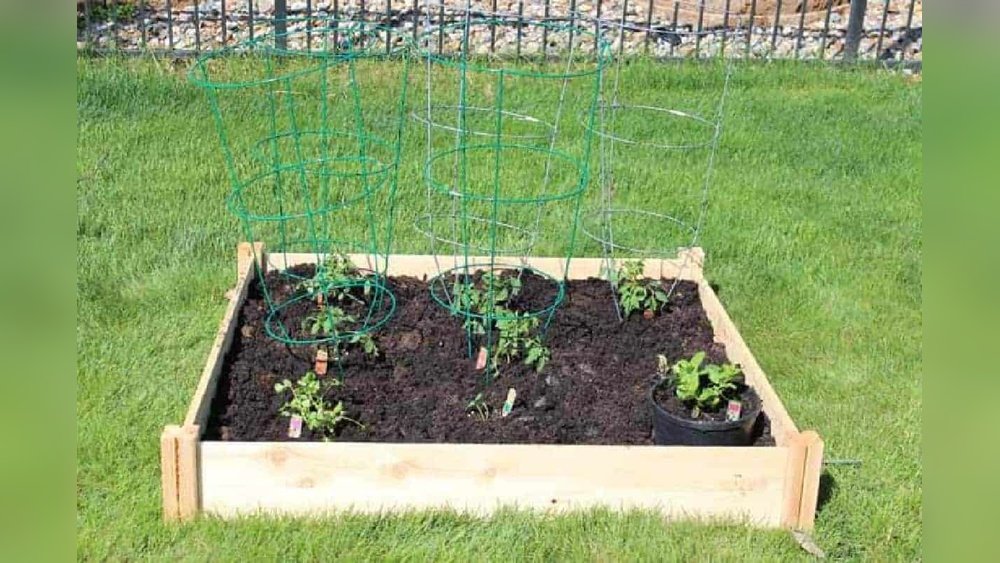
Growing tomatoes in a raised bed can feel like a small adventure—and the reward is fresh, juicy fruit from your own garden. Many gardeners love tomatoes, but sometimes their plants don’t thrive. If you’ve struggled before, or you’re new to raised beds, you’re in the right place.
This article will guide you step-by-step, sharing practical tips and some expert tricks that beginners often miss. By the end, you’ll know how to grow strong, healthy tomato plants and enjoy a steady harvest, even if you’ve never grown anything before.
Why Raised Beds Are Perfect For Tomatoes
Tomatoes need warm soil, good drainage, and plenty of nutrients. Raised beds help in several ways:
- They keep the soil warmer, which tomatoes love.
- You control the soil quality—no more poor native dirt.
- Water drains easily, preventing root rot.
- Beds make weeding and harvesting easier.
Studies show that raised beds can yield up to 25% more tomatoes than traditional gardens. They’re also ideal for areas with heavy clay or sandy soil.
Another benefit is that raised beds allow you to start planting earlier in the spring. The soil warms up faster than ground soil, so you can get a head start on the season. This means your tomatoes have more time to grow, flower, and produce fruit before the weather cools down again.
Raised beds also help prevent soil compaction. When you avoid walking in the bed, the soil stays loose, making it easier for tomato roots to spread and absorb water and nutrients. This loose soil structure is something many gardeners overlook, but it’s a key reason raised beds work so well.
For gardeners with mobility issues or limited space, raised beds can be built higher off the ground, reducing bending and making gardening more comfortable. This accessibility is a small detail but makes a big difference over a full season.
Choosing The Best Location For Your Raised Bed
Tomatoes crave sunlight. The right spot can make all the difference.
- Full sun: Pick a place with at least 6-8 hours of direct sunlight daily. Less light means fewer and smaller tomatoes.
- Protection from wind: Strong winds can damage plants and dry out soil. Choose a spot with some shelter, or use fencing.
- Easy access: Raised beds are easier to work with if you can reach all sides. Leave space for walking around the bed.
A common mistake is placing the bed near trees. Tree roots compete for water and nutrients. Keep your bed at least 5 feet from large trees.
If you have a choice, orient the long side of your bed north to south. This allows plants to get even sunlight throughout the day and reduces the risk of one side shading the other. Look out for areas where buildings or fences might cast long shadows, especially in the afternoon.
If you live in a place with intense afternoon sun, some light shade in late afternoon can actually help protect tomatoes from heat stress. However, avoid too much shade, as it will lower yields.
Another tip: Check for access to water. You’ll be watering your tomatoes regularly, so make sure your hose or watering can reach the bed comfortably. This small planning step saves frustration later.
Building Your Raised Bed: Materials And Sizes
You can buy ready-made beds or build your own. Both work well.
Best Materials
- Untreated wood: Cedar and redwood resist rot and last longer.
- Composite: Made from recycled plastic and wood fibers, very durable.
- Galvanized metal: Rust-resistant and modern-looking.
Avoid treated wood—it contains chemicals not safe for vegetables.
Concrete blocks or bricks can also be used, but they tend to retain heat and may cause the soil to dry out faster. If you use concrete, check that it’s not made with materials that could leach lime or other chemicals into the soil.
Ideal Size
Raised beds for tomatoes should be:
- Width: 3-4 feet (easy to reach across)
- Length: As long as you want, but 6-8 feet is common.
- Depth: At least 12-18 inches. Deep roots mean healthier plants.
Here’s a quick comparison of materials:
| Material | Durability | Cost | Safety for Vegetables |
|---|---|---|---|
| Cedar Wood | 10-15 years | Medium | Safe |
| Composite | 20+ years | High | Safe |
| Galvanized Metal | 15-20 years | Medium-High | Safe |
| Treated Lumber | 10+ years | Low | Not recommended |
If you build your own bed, use galvanized screws or bolts. They last longer and don’t rust.
For extra strength, reinforce the corners with metal brackets. This keeps the bed stable, even after years of weather and watering.
A less obvious tip: Line the bottom of your bed with hardware cloth if you have problems with gophers or moles. This mesh keeps burrowing animals from reaching your tomato roots.
Preparing The Soil For Tomato Success
Healthy soil is the secret to big, tasty tomatoes. Raised beds let you build the perfect soil mix.
The Best Soil Mix
Tomatoes need soil that is:
- Rich in organic matter (compost)
- Loose and well-draining
- Slightly acidic (pH 6.0–6.8)
A proven mix for tomatoes:
- 50% topsoil
- 30% compost
- 20% perlite or coarse sand
Add slow-release organic fertilizer when filling the bed. Tomatoes are heavy feeders—they need nitrogen, phosphorus, and potassium.
For even better results, try adding worm castings or aged manure as part of your organic matter. Both boost soil life and help retain moisture.
Checking And Adjusting Soil Ph
Test your soil with a simple kit. If pH is too high (alkaline), add peat moss or elemental sulfur. If it’s too low (acidic), mix in garden lime.
If your soil is heavy clay, mix in extra compost and sand to improve drainage. For sandy soils, add more compost to help hold water.
Soil Depth And Structure
Tomato roots grow deep—up to 2 feet. Beds at least 12 inches deep allow strong roots, but 18 inches is better.
Here’s a practical tip many beginners miss: Before filling your bed, loosen the ground underneath with a shovel. This helps roots grow even deeper.
If you’re reusing the same bed each year, add fresh compost and remove any old roots or plant debris before planting again. This keeps soil healthy and reduces disease risk.
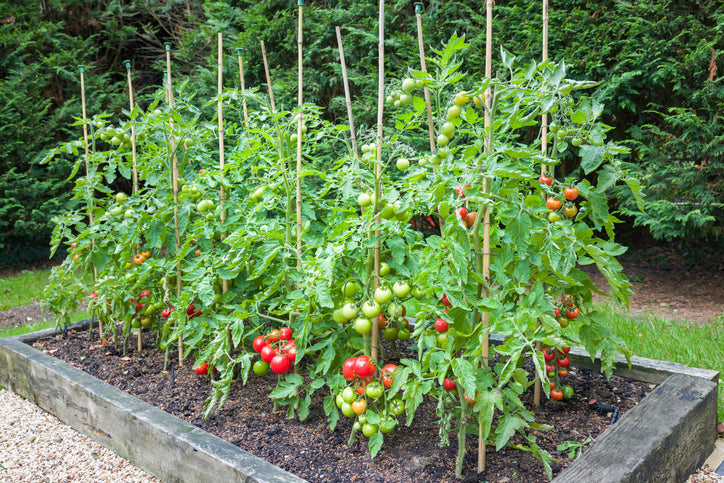
Credit: www.groworganic.com
Choosing The Right Tomato Varieties
Not all tomatoes are the same. Choose varieties that fit your climate, taste, and growing style.
Types Of Tomatoes
- Determinate: Bush type. Grows to a set size, produces fruit all at once. Good for small beds.
- Indeterminate: Vine type. Keeps growing and producing until frost. Needs more space and support.
Popular varieties for raised beds:
- Roma: Paste tomato, determinate, easy to grow.
- Cherry: Indeterminate, sweet, high yield.
- Beefsteak: Indeterminate, large fruit, needs strong support.
- Celebrity: Determinate, disease resistant.
Here’s a comparison of types:
| Type | Growth Habit | Harvest Period | Best For |
|---|---|---|---|
| Determinate | Bush | 2-3 weeks | Canning, small beds |
| Indeterminate | Vine | All season | Fresh eating, large harvests |
Choose disease-resistant varieties. Look for labels like VFN (resistant to Verticillium, Fusarium, Nematodes).
If you live in a hot, humid area, look for tomatoes bred for heat tolerance and resistance to wilt. In cooler climates, early-maturing varieties like ‘Early Girl’ or ‘Stupice’ give better results. If you’re unsure, ask at a local nursery—they know what works best in your region.
Planting Tomatoes In Raised Beds
Planting at the right time and depth is key.
When To Plant
Wait until the soil is at least 60°F and all danger of frost has passed. In most US climates, this means late April to early June.
If you’re eager to start early, you can use row covers or cloches to protect young plants from unexpected cold nights.
How To Plant
- Dig holes 18–24 inches apart for each plant.
- Remove lower leaves from each seedling.
- Plant deep, burying the stem up to the top set of leaves. Tomatoes grow roots from buried stems.
- Water well after planting.
Many beginners don’t know that deep planting builds a stronger root system and healthier plants.
For extra vigor, sprinkle a handful of bone meal or crushed eggshells in the bottom of each hole. This provides calcium, which helps prevent blossom-end rot later.
If your seedlings look leggy or floppy, don’t worry. Tomatoes are one of the few vegetables that thrive when planted deep. Just be sure to remove any leaves that will be buried.
Spacing And Layout For Maximum Yield
Proper spacing prevents disease and allows better growth.
- Space plants 18–24 inches apart.
- Leave at least 24–36 inches between rows if planting multiple rows.
Crowded plants struggle for light and air. They’re also more prone to fungal diseases.
If your bed is narrow (3 feet), plant a single row down the middle. For wide beds, stagger plants for better air flow.
Leaving enough space also makes it easier to reach every plant for pruning, harvesting, and checking for pests. Remember that indeterminate varieties can get quite large—don’t underestimate their size.
Some gardeners add pathways of stepping stones or boards in wide beds to avoid compacting soil when reaching the middle.
Supporting Tomato Plants
Tomatoes need support as they grow. Without it, vines break and fruit rots.
Best Support Methods
- Cages: Easy to use, good for determinate types.
- Stakes: Strong support for indeterminate vines.
- Trellises: Great for multiple plants or vertical gardening.
Install supports when planting. Waiting until plants are tall can damage roots.
Stakes should be at least 6 feet tall for indeterminate tomatoes. Tie stems loosely with soft cloth or garden twine.
Here’s a quick comparison of support options:
| Method | Best For | Ease of Use | Cost |
|---|---|---|---|
| Cages | Determinate | Easy | Medium |
| Stakes | Indeterminate | Moderate | Low |
| Trellises | Multiple plants | Challenging | Medium-High |
A non-obvious trick: As your plants grow, keep tying the main stem every 8–12 inches. This gentle support keeps stems from snapping in wind or under heavy fruit. If you use cages, check frequently that new branches don’t get trapped or bent.
Watering Tomatoes In Raised Beds
Tomatoes need steady moisture. Raised beds dry out faster than ground soil, so regular watering is critical.
How Much To Water
- Aim for 1–1.5 inches per week.
- Water deeply—soak soil to at least 8 inches.
- Morning is best; avoids fungal problems.
A common mistake: Watering lightly every day. Deep, less frequent watering encourages strong roots.
Using a drip irrigation system or soaker hose helps deliver water right to the roots and keeps leaves dry, which reduces disease risk. Setting up a timer can help maintain a consistent schedule, especially during hot spells or vacations.
Signs Of Over Or Underwatering
- Yellow leaves = too much water.
- Wilting leaves = not enough water.
- Cracked fruit = inconsistent watering.
Mulch helps keep soil moist. Use straw, shredded leaves, or wood chips.
During heat waves, check moisture daily. Tomatoes in raised beds can wilt quickly in extreme sun, so be ready to adjust watering as needed.
Mulching For Healthier Tomato Plants
Mulch is a gardener’s secret weapon.
- Keeps soil moist
- Prevents weeds
- Reduces disease by stopping soil from splashing onto leaves
Apply 2–3 inches of mulch after planting. Keep mulch away from the stem to prevent rot.
Mulching also stabilizes soil temperature, which is important for tomatoes.
Organic mulches like straw or shredded leaves slowly break down, adding nutrients to the soil. If you live in a very wet area, consider using a thinner mulch layer to avoid excess moisture around the base of the plant.
An extra tip: Black plastic mulch can warm the soil in cool climates and speed up growth, but be careful as it may overheat the soil in hot regions.
Fertilizing Tomatoes
Tomatoes are hungry plants. They need lots of nutrients, especially when fruiting.
What To Use
- Balanced organic fertilizer (N-P-K ratio like 5-5-5)
- Compost tea
- Fish emulsion
Start with fertilizer at planting, then feed again when plants flower and fruit.
Don’t over-fertilize. Too much nitrogen means big plants but fewer tomatoes.
Signs Of Nutrient Deficiency
- Purple leaves = phosphorus shortage
- Yellow leaves = nitrogen shortage
- Blossom-end rot = calcium deficiency
Many gardeners miss the importance of calcium. Add crushed eggshells or bone meal to soil for extra calcium.
A non-obvious insight: If your soil test shows high nitrogen, choose a fertilizer with more phosphorus and potassium. This helps shift energy from growing leaves to making fruit.
If you notice slow growth or pale leaves, foliar feeding with liquid fertilizer can give a quick boost. Just spray the leaves early in the morning for best absorption.
Preventing And Managing Tomato Diseases
Tomatoes in raised beds get fewer diseases, but problems can still happen.
Common Diseases
- Early blight
- Late blight
- Fusarium wilt
- Tomato mosaic virus
Prevention Tips
- Use disease-resistant varieties.
- Avoid overhead watering (water soil, not leaves).
- Space plants for air flow.
- Rotate crops—never plant tomatoes in the same spot two years in a row.
- Remove and dispose of infected plants.
A non-obvious tip: Clean your tools and supports with a mild bleach solution each season. This stops disease spread.
Another detail: Mulch acts as a barrier, keeping soil-borne spores from splashing onto leaves during rain or watering. This simple step can greatly reduce disease risk.
If you spot early signs of disease, remove affected leaves quickly and dispose of them away from your garden. Don’t compost diseased plant material.
Controlling Pests In Tomato Beds
Tomatoes attract many pests. Raised beds make spotting and treating problems easier.
Common Pests
- Aphids
- Tomato hornworms
- Whiteflies
- Cutworms
Natural Pest Control
- Hand-pick large pests like hornworms.
- Spray aphids with water or insecticidal soap.
- Use row covers early in the season.
- Attract beneficial insects like ladybugs.
Avoid broad-spectrum pesticides—they kill good bugs too.
If you see small holes in leaves or fruit, check for caterpillars or beetles hiding under foliage. Birds can also help control pests, so consider adding a birdbath or feeder nearby.
A tip beginners often miss: Interplanting with flowers like marigolds or nasturtiums can naturally repel some tomato pests.
Pruning Tomato Plants
Pruning keeps plants healthy and improves yield.
- Remove suckers (small shoots between stem and branch) on indeterminate tomatoes.
- Trim lower leaves to improve air flow.
Don’t over-prune. Too much pruning means less fruit.
A practical tip: Prune in the morning when plants are less stressed.
If you’re unsure about how much to prune, focus on removing suckers below the first flower cluster. This encourages the plant to put more energy into developing fruit rather than extra foliage.
Pruning also helps you spot pests and diseases early, since you’re regularly checking the plant.
Harvesting Tomatoes
Pick tomatoes when they’re fully colored and slightly soft. Don’t wait for them to fall off.
- Cherry tomatoes ripen fast, check daily.
- Roma and beefsteak need longer, but pick before heavy rain to prevent splitting.
Harvest with clean hands or pruning shears. Twist gently to remove fruit.
If frost threatens, pick green tomatoes—they’ll ripen indoors.
Another tip: Tomatoes ripen from the bottom up. If you see a cluster ripening, harvest the lowest fruit first. This allows upper fruit to get more sun and air, speeding up their ripening.
If you have too many green tomatoes at the end of the season, place them in a paper bag with an apple or banana. The ethylene gas helps them ripen faster.
Common Mistakes Beginners Make
- Planting too early—cold soil stunts growth.
- Overcrowding—leads to disease.
- Not mulching—soil dries out and weeds take over.
- Poor support—plants collapse under fruit weight.
- Overwatering—roots rot, fruit splits.
- Ignoring pests—small bugs become big problems.
- Skipping fertilizer—leads to small fruit and weak plants.
- Planting the same spot every year—diseases build up.
- Failing to prune—plants get messy, yield drops.
- Waiting too long to harvest—fruit cracks or rots.
Learning from these mistakes can save your crop and your energy.
Another common oversight: Forgetting to label your varieties. Many tomatoes look similar as seedlings, but have different growth habits and fruit size. Use weatherproof labels to avoid confusion.

Credit: www.vegega.com
Advanced Tips For Bigger, Tastier Tomatoes
Experienced gardeners often use special tricks:
- Trench planting: Lay seedlings sideways in a trench, cover stem. Roots grow along the buried stem.
- Grafting: Join a strong rootstock to a tasty variety. Disease resistance improves.
- Foliar feeding: Spray leaves with diluted fertilizer for quick nutrient boost.
- Companion planting: Grow basil or marigolds nearby to repel pests and improve flavor.
One often-missed insight: Watering with Epsom salts (magnesium sulfate) can prevent yellow leaves and boost growth. Mix 1 tablespoon in a gallon of water and apply monthly.
Another expert trick: Remove some early flowers on young plants. This lets the plant focus on growing strong stems and roots, leading to bigger yields later.
If you’re growing in a hot climate, try using shade cloth during the hottest part of the day. This protects flowers from dropping due to heat stress.
Planning For Next Season
Tomatoes are annuals, but raised beds last for years.
- Remove old plants and mulch at season’s end.
- Add fresh compost each spring.
- Rotate crops—grow beans, greens, or carrots next year.
Over time, raised beds become richer and easier to manage.
Keep a gardening journal. Write down which varieties did best, what problems you faced, and what changes helped. This record makes it much easier to improve each year.
If you had disease issues, let the bed rest from tomatoes for at least two years. Planting a cover crop like clover or rye in the off-season adds nutrients and helps control weeds.

Credit: www.youtube.com
Frequently Asked Questions
How Deep Should A Raised Bed Be For Tomatoes?
Raised beds should be at least 12 inches deep. For best results, aim for 18 inches. Deep beds allow tomato roots to grow strong and healthy, which means more fruit and fewer problems.
If you can only build a shallow bed, choose bush (determinate) varieties—they need less root space. But remember, deeper beds are always better for tomatoes.
How Often Should I Water Tomatoes In A Raised Bed?
Water tomatoes deeply once or twice a week, depending on weather. Check the soil—if it’s dry 2 inches down, it’s time to water. Raised beds dry out faster, so adjust as needed.
In very hot or windy weather, you may need to water more often. Consistent moisture is key—avoid letting the soil get bone dry between waterings.
What Is The Best Mulch For Tomatoes?
Straw, shredded leaves, and wood chips are great mulches. They keep soil moist, prevent weeds, and reduce disease. Avoid mulch that is too thick near the stem, as it can cause rot.
If you have a slug problem, avoid using mulches that stay too wet, like grass clippings. Instead, try a thin layer of bark or crushed shells.
Can I Grow Tomatoes In A Raised Bed With Other Vegetables?
Yes, tomatoes grow well with basil, carrots, onions, and marigolds. Avoid planting with potatoes or corn—they compete for nutrients and can spread disease. Leave enough space for all plants.
Companion planting with herbs like basil can also boost tomato flavor and attract pollinators. Don’t crowd the bed—give each plant enough room to thrive.
What Is The Best Fertilizer For Tomatoes?
Use a balanced organic fertilizer or compost. Look for N-P-K ratios like 5-5-5. Add extra calcium to prevent blossom-end rot. Feed at planting, then again when flowering and fruiting.
Liquid seaweed or fish emulsion sprays can also help boost fruit set, especially during stressful weather.
Growing tomatoes in raised beds is rewarding and straightforward with the right steps. You control the environment, improve soil, and reduce problems. Even as a beginner, you can enjoy a rich harvest and learn valuable skills. For more detailed research on tomato growing, visit University of Minnesota Extension.
Start your raised bed tomato journey today—fresh, homegrown tomatoes are just a season away.