
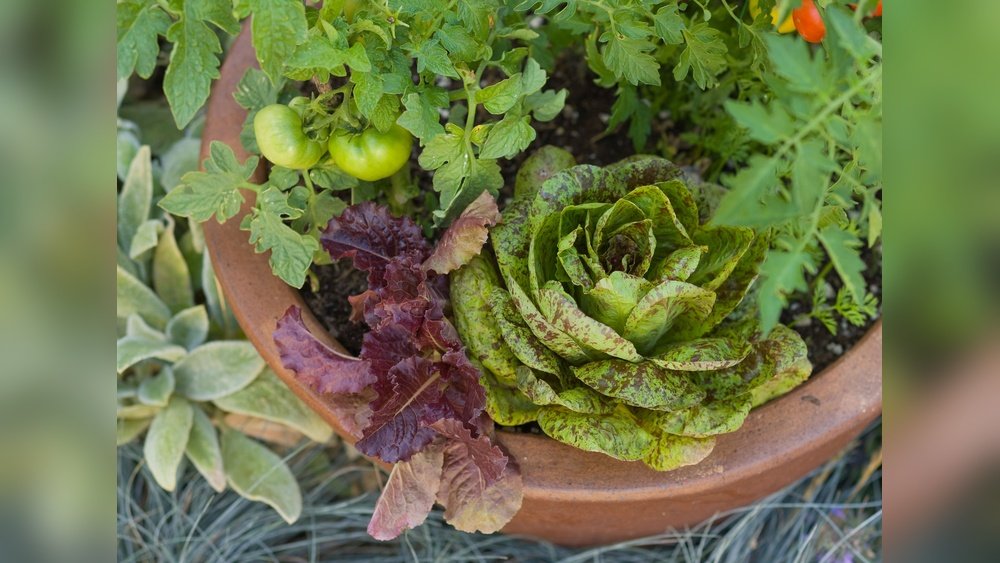
Growing your own lettuce in containers can be rewarding, practical, and surprisingly simple—even if you have limited space or gardening experience. Fresh, crisp lettuce picked just steps from your kitchen tastes better than anything from the supermarket. Container gardening lets you enjoy this luxury, whether you live in a city apartment, have a small backyard, or just want more control over your food source.
But what does it really take to succeed? This guide gives you clear, actionable tips, including essential steps, smart choices, and often-overlooked details for growing lettuce in containers. You’ll learn how to avoid common mistakes, make the most of your space, and harvest lettuce that’s both healthy and delicious.
Why Grow Lettuce In Containers?
Container gardening is popular for many good reasons. Lettuce, with its shallow roots and fast growth, is one of the best crops for pots and planters. Here’s why people choose containers for growing lettuce:
- Space-saving: Even a small balcony or windowsill can host a crop of lettuce.
- Mobility: Move containers to follow the sun, avoid heavy rain, or protect against pests.
- Soil control: You decide the soil quality and nutrients, reducing problems with disease and weeds.
- Year-round potential: With the right setup, you can grow lettuce indoors or outdoors almost any time.
- Water efficiency: Containers make it easier to manage watering, reducing waste.
Many gardeners also find that lettuce grown in containers suffers less from soil-borne diseases and is less likely to be damaged by slugs and snails.
Choosing The Right Lettuce Varieties
Not all lettuces are created equal—especially when space is limited. Container gardeners should focus on varieties that are compact, fast-growing, and suited to their climate.
Types Of Lettuce Ideal For Containers
- Leaf Lettuce: Fast to mature and easy to harvest. Varieties like Black Seeded Simpson, Salad Bowl, and Red Sails are favorites.
- Butterhead (Bibb): Small, soft heads and tender leaves. Options like Tom Thumb and Buttercrunch work well.
- Romaine (Cos): Upright growth but choose dwarf types such as Little Gem for containers.
- Mini Romaine & Mini Head: Specially bred for small spaces, these mature quickly and fit in tight spots.
- Cut-and-Come-Again Mixes: Seed blends designed for repeat harvesting.
What Beginners Often Miss
Many people overlook that lettuce can bolt (go to seed) quickly in heat. Choosing heat-tolerant varieties like Jericho or Parris Island Cos can extend your harvest if you live in a warm area. Some red-leaf types also resist pests better than green ones—a small detail that can make a big difference in organic gardens.
Best Containers For Lettuce
The container you choose affects everything from growth speed to flavor. Lettuce doesn’t need deep soil, but it does need enough space for roots and airflow.
Container Size And Shape
- Depth: At least 6 inches deep is ideal.
- Width: More important than depth; a wide, shallow container lets you grow more plants.
- Material: Both plastic and clay pots work, but plastic holds water longer. Fabric grow bags are another good choice.
A 12-inch window box can hold 4-6 lettuce plants, while a 5-gallon bucket is enough for a small head of romaine.
Drainage Is Critical
Lettuce hates soggy roots. Always use containers with drainage holes. If you’re repurposing a container, drill a few holes in the bottom.
Popular Container Comparisons
Here’s a quick look at how different container types compare for lettuce:
| Container Type | Pros | Cons |
|---|---|---|
| Plastic Pot | Lightweight, keeps soil moist, cheap | May heat up in sun, less attractive |
| Clay/Terracotta | Classic look, good airflow | Dries out faster, heavier, can crack |
| Fabric Grow Bag | Excellent drainage, root-pruning | May need more frequent watering |
| Wooden Box | Custom sizes, good insulation | Can rot over time, heavier |
Real-world Tip
Some gardeners use old salad containers (with holes poked in the bottom) for starting lettuce seedlings. This is a great way to recycle and get a jump start on the season.
Choosing The Right Soil And Fertilizer
Lettuce is a “hungry” plant—it grows best in nutrient-rich, loose soil that drains well but holds moisture.
Ideal Soil Mix
- Potting mix is best, not garden soil. Look for one labeled for vegetables.
- Add compost for extra nutrients.
- A handful of perlite or vermiculite helps drainage.
A simple recipe is 2 parts potting mix, 1 part compost, and 1 part perlite.
Fertilizer Tips
- Lettuce needs nitrogen for leafy growth. Use a balanced, slow-release fertilizer or a liquid feed every 2-3 weeks.
- Organic options like fish emulsion or worm castings are gentle and effective.
Don’t overdo it—too much fertilizer can give you lots of leaves but poor taste.
Table: Soil Amendments For Lettuce
| Amendment | Benefit | How Much to Add |
|---|---|---|
| Compost | Nutrition, improves soil structure | 20-30% of total mix |
| Perlite/Vermiculite | Improves drainage, aeration | 10-20% of total mix |
| Worm Castings | Micronutrients, mild fertilizer | 1 cup per gallon of soil |
| Slow-Release Fertilizer | Steady nutrients | As package recommends |
Two Insights Beginners Miss
- Avoid using soil from your yard—it can carry diseases and compacts too easily.
- Mixing in a small amount of lime (if your water is acidic) keeps leaves tender and prevents nutrient lock-out.

Credit: www.gardenary.com
When And How To Plant Lettuce Seeds
Timing and technique matter more than you might think. Lettuce thrives in cool temperatures and dislikes extreme heat.
Best Planting Times
- Cool season: Early spring and fall are ideal for most areas.
- In mild climates, you can grow lettuce all winter in containers.
- For summer, choose bolt-resistant varieties and provide shade.
Planting Steps
- Fill container: Leave 1 inch of space at the top for easy watering.
- Moisten soil: Dampen soil before sowing seeds.
- Sow seeds: Plant seeds 1/8 inch deep. Lettuce seeds need light to germinate—don’t bury them too deep.
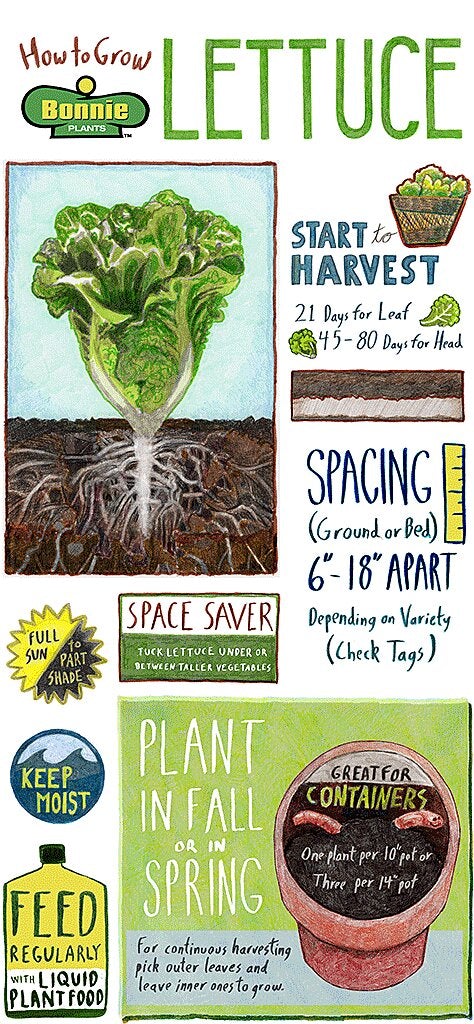
- Spacing: For leaf lettuce, space seeds or seedlings 4 inches apart; for head types, 6-8 inches is better.
- Cover lightly: Sprinkle a fine layer of soil or vermiculite over seeds.
- Mist gently: Use a spray bottle to avoid washing seeds away.
Direct Sowing Vs. Transplanting
You can start lettuce directly in your container or transplant seedlings. Direct sowing is easier and reduces transplant shock, but starting seeds indoors gives you a head start if your season is short.
Example
Planting a “cut-and-come-again” mix in a wide, shallow tray lets you harvest baby leaves in as little as 3 weeks.
Watering Lettuce In Containers
Consistent moisture is key for crisp, sweet lettuce. Both overwatering and underwatering cause problems.
How Much To Water
- Water deeply when the top 1 inch of soil feels dry.
- Lettuce often needs watering every 1-2 days in warm weather.
- In hot weather, containers dry out faster—check daily.
Common Mistakes
- Letting soil dry out: Leads to bitter leaves and stunted growth.
- Watering late in the day: Wet leaves overnight encourage disease. Water in the morning if possible.
Signs Of Water Problems
- Wilting during the day: Needs more frequent watering.
- Yellowing leaves: Can mean overwatering.
- Brown tips: Often a sign of inconsistent moisture.
Pro Tip
A layer of mulch (like straw or shredded leaves) on top of the soil helps keep moisture in and roots cool.
Sunlight And Temperature Needs
Lettuce loves cool weather and moderate sunlight. Too much heat or sun leads to bolting and bitter leaves.
Light Requirements
- 4-6 hours of sunlight daily is enough.
- In hot climates, morning sun and afternoon shade are best.
- Indoors, a south-facing window or grow lights work well.
Managing Temperature
- Lettuce grows best at 60-70°F (15-21°C).
- Above 75°F (24°C), lettuce may bolt. Use shade cloth or move containers to a cooler spot during hot spells.
Table: Lettuce Growth Vs. Temperature
| Temperature | Growth Rate | Leaf Quality | Bolting Risk |
|---|---|---|---|
| 50-60°F (10-15°C) | Slow | Very tender | Low |
| 60-70°F (15-21°C) | Fast | Sweet, crisp | Low |
| 75°F+ (24°C+) | Very fast | Bitter, tough | High |
Beginner Insight
Many new gardeners put lettuce in full sun all day, thinking “more is better. ” In reality, too much heat is the main reason for small, bitter, or quickly bolting lettuce.
Thinning And Spacing Seedlings
It’s tempting to keep every seedling, but crowded lettuce won’t grow well. Thinning is one of the most important (and often skipped) steps.
How To Thin Lettuce
- Once seedlings have 2-3 true leaves, use scissors to snip extras at soil level.
- Aim for 4 inches apart for leaf types, 6-8 inches for heads.
Why Spacing Matters
- Prevents disease by improving airflow.
- Ensures each plant gets enough light and nutrients.
- Reduces the risk of root competition and stunted growth.
What To Do With Thinnings
Young lettuce thinnings are edible—add them to salads as baby greens.
Pest And Disease Control In Containers
Lettuce is generally easy, but a few pests and diseases can cause trouble. Container growing reduces some risks, but not all.
Common Pests
- Aphids: Small, green or black insects. Rinse off with water or spray with soapy water.
- Slugs and snails: Rare in containers, but possible outdoors. Use copper tape around pots or hand-pick at night.
- Fungus gnats: Tiny flies. Let the soil surface dry between waterings, or cover with sand.
Disease Problems
- Downy mildew: Shows as yellow patches on leaves. Improve air flow and avoid wetting leaves.
- Root rot: Caused by overwatering and poor drainage.
- Damping-off: Kills seedlings; use sterile soil and don’t overwater.
Organic Solutions
- Neem oil or insecticidal soap for insects.
- Remove and destroy affected leaves.
- Rotate plantings and don’t reuse old soil.
Advanced Tip
Floating row covers (light fabric sheets) can keep pests off young plants, even in containers.
Harvesting Lettuce From Containers
Harvesting at the right time makes all the difference in flavor and yield.
When To Harvest
- Leaf lettuce: Start picking outer leaves when they’re 3-4 inches long.
- Head lettuce: Wait until heads feel firm and full.
- Cut-and-come-again: Harvest baby greens every week or two.
How To Harvest
- Use clean scissors or a knife.
- Cut leaves about 1 inch above the base for regrowth.
- Avoid pulling up the whole plant unless it’s a final harvest.
Maximizing Yield
- Harvest early in the morning for the best flavor.
- Pick regularly to encourage new growth.
- If plants start to bolt (send up a flower stalk), harvest right away—leaves quickly turn bitter.
Pro Tip
If you stagger your planting (sowing new seeds every 2 weeks), you’ll have a continuous supply of lettuce for months.
Troubleshooting Common Lettuce Problems
Even with care, you might run into issues. Here’s how to spot and fix the most common problems.
Yellow Leaves
- Usually caused by overwatering or poor drainage.
- Solution: Check for blocked drainage holes; water less often.
Bitter Taste
- Heat stress, irregular watering, or plants left too long before harvest.
- Solution: Move to cooler spot, water consistently, harvest younger.
Leggy, Weak Seedlings
- Not enough light.
- Solution: Move to a sunnier spot or add a grow light.
Bolting
- Hot weather or long daylight triggers flowering.
- Solution: Choose bolt-resistant varieties, give shade, or replant in fall.
Leaf Spots Or Mold
- Fungal disease from wet leaves.
- Solution: Water at soil level, improve air flow, remove infected leaves.
Not Obvious Mistake
Some gardeners reuse old potting mix without refreshing. Old soil is low in nutrients and may carry diseases. Always add new compost or replace the mix each season.
Growing Lettuce Indoors Year-round
You don’t need a backyard to enjoy homegrown lettuce. Indoor container growing lets you harvest fresh leaves in any season.
What You Need
- Shallow tray or window box with drainage.
- Good-quality potting mix.
- A sunny windowsill (south-facing is best) or grow lights.
Light For Indoor Lettuce
- Aim for 12-14 hours of light daily using LED grow lights.
- Place lights 2-4 inches above plants for best results.
Special Indoor Tips
- Indoor air is drier; check soil moisture often.
- Avoid placing containers near heat vents or cold drafts.
Example
A 24-inch window box on a kitchen windowsill can produce enough lettuce for several salads each week.
Succession Planting For Continuous Harvest
Succession planting means sowing new seeds every 1-2 weeks. This keeps your harvest coming, instead of having all your lettuce ready at once.
How To Do It
- Start with your first sowing.
- Every 10-14 days, plant more seeds in new containers or in spaces freed by harvesting.
- Repeat through the cool part of the year.
Benefits
- Steady supply of tender leaves.
- Reduces risk of losing your whole crop to pests or weather.
Advanced Tip
Mix different varieties in each sowing for variety in flavor, color, and harvest time.
Making The Most Of Small Spaces
Even a single balcony or windowsill can become a lettuce patch with smart planning.
Vertical Gardening
- Use stacked planters or hanging baskets.
- Lettuce’s shallow roots make it ideal for wall-mounted “pocket” planters.
Companion Planting
- Grow lettuce with herbs like chives or cilantro to repel pests and save space.
- Avoid planting with crops that grow tall and cast too much shade.
Example
A three-tiered shelf with window boxes can grow 12-18 lettuce plants in just 2 square feet.
Credit: bonnieplants.com
Lettuce Varieties For Special Purposes
Some types of lettuce offer extra benefits, depending on your needs.
For Heat
- Jericho: Highly bolt-resistant, sweet flavor even in hot weather.
- Buttercrunch: Stays tender longer than most.
For Color And Nutrition
- Red Sails: Adds color and antioxidants.
- Lollo Rosso: Frilly red leaves, attractive in salads.
For Fast Growth
- Grand Rapids: Ready to harvest in as little as 30 days.
- Oakleaf: Rapid baby leaf production.
For Cut-and-come-again
- Salad Bowl and Mesclun mixes are designed for repeat harvests.
Environmental Benefits Of Container Lettuce
Growing lettuce at home is not just practical—it’s also good for the planet.
- Reduces food miles: Your salad travels a few feet, not hundreds of miles.
- Less waste: Pick only what you need; no plastic packaging.
- Supports pollinators: Lettuce flowers attract beneficial insects if allowed to bolt.
For more about the environmental impact of home gardening, see this resource from the US Environmental Protection Agency.
Credit: gardenerspath.com
Frequently Asked Questions
How Often Should I Water Lettuce In Containers?
Lettuce needs consistent moisture. Check the soil every day, especially in warm weather. Water when the top inch feels dry—usually every 1-2 days. Avoid letting the soil stay soggy.
Can I Reuse Potting Mix For Lettuce Next Season?
You can reuse potting mix if you refresh it with new compost and remove old roots. However, after 2-3 uses, it’s best to replace the mix to avoid disease and nutrient problems.
What’s The Best Fertilizer For Container Lettuce?
A balanced, slow-release granular fertilizer or a gentle organic liquid feed like fish emulsion is ideal. Look for a fertilizer with higher nitrogen for leafy growth, but do not over-fertilize.
Why Did My Lettuce Turn Bitter?
Bitterness is usually from heat, drought stress, or letting the plant get too mature. Try moving containers to a cooler spot, water more regularly, and harvest leaves earlier.
How Can I Grow Lettuce Indoors Without Sunlight?
Use LED grow lights set 2-4 inches above the plants for 12-14 hours a day. Choose compact varieties and keep the room cool for the best results.
Container-grown lettuce offers unmatched freshness and satisfaction—even for gardeners with little time or space. With the right variety, soil, and care, you’ll enjoy salads straight from your windowsill or balcony. By following these tips and learning from each season, you can grow better lettuce every time.
Happy gardening!