
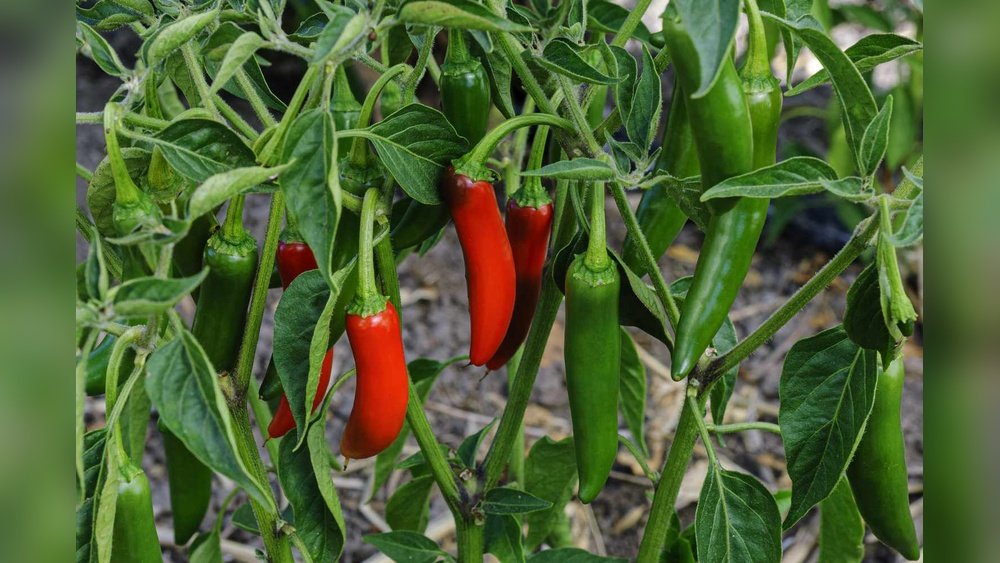
Growing jalapeño peppers in your garden or even on a small balcony can be a rewarding experience. These spicy green pods are not just for adding heat to your dishes—they’re packed with vitamins and bring a fresh, crisp flavor that’s hard to find in store-bought varieties.
Whether you’re a first-time gardener or looking to improve your results, learning the right steps and tips can make all the difference. Many people assume jalapeños are difficult to grow, but with attention to detail and a little patience, you can enjoy a bountiful harvest.
This guide covers everything you need to know, from choosing seeds to harvesting ripe, flavorful peppers.
Understanding Jalapeño Peppers
Jalapeño peppers are part of the Capsicum annuum species, which includes bell peppers, cayenne, and other popular varieties. Originating from Mexico, the jalapeño is famous for its moderate heat—usually ranging from 2,500 to 8,000 Scoville Heat Units (SHU). They are perfect for salsas, pickling, and even stuffing.
Not all jalapeños are the same. Some are milder, while others pack a real punch. Climate, soil, and care all impact their flavor and spiciness. Growing your own lets you control these factors for the best results.
Choosing The Right Variety
There are several jalapeño types, each with unique characteristics. Consider these options:
- Early Jalapeño: Fast-growing, matures in 60 days, medium heat.
- Jalafuego: Larger, hotter, and disease resistant.
- Mucho Nacho: Thick-walled, mild, ideal for stuffing.
- Craig’s Grande: Heirloom, excellent taste, medium heat.
- Purple Jalapeño: Unique color, ornamental, moderate spice.
When selecting seeds or seedlings, think about your local climate and intended use. If you want early peppers, go for “Early Jalapeño. ” For more heat, “Jalafuego” is ideal. Some varieties offer better resistance to common pepper diseases, which is a bonus for beginners.
Comparing Popular Jalapeño Varieties
Here’s a quick comparison to help you choose:
| Variety | Days to Maturity | Heat Level (SHU) | Special Feature |
|---|---|---|---|
| Early Jalapeño | 60 | 3,000-4,000 | Fast harvest |
| Jalafuego | 70 | 4,000-8,000 | Disease resistance |
| Mucho Nacho | 75 | 2,500-3,500 | Thick walls |
| Craig’s Grande | 75 | 5,000 | Heirloom |
| Purple Jalapeño | 75 | 2,500-5,000 | Colorful pods |
Starting Jalapeño Seeds
Starting from seed gives you more variety options and greater control over your plants’ health.
When To Start Seeds
Begin 8-10 weeks before your last expected frost date. Jalapeños need warmth to germinate, so starting indoors is best for most climates.
How To Start Seeds
- Fill small pots or seed trays with sterile seed-starting mix.
- Plant seeds about ¼ inch deep.
- Water gently and keep the soil moist, not soggy.
- Cover the trays with plastic or a humidity dome to retain warmth and moisture.
- Place in a warm spot—ideally 75–85°F (24–29°C).
- Expect sprouts in 7–14 days.
After seeds sprout, move them to a sunny window or under grow lights. Seedlings need at least 14-16 hours of light daily. If they look tall and thin (“leggy”), they need more light.
Thinning And Transplanting Seedlings
Once seedlings have two sets of true leaves, thin the weaker ones, leaving the strongest. About two weeks before transplanting outdoors, start “hardening off” your plants. This means putting them outside for a few hours each day, gradually increasing the time so they adapt to outdoor conditions.
Insight: Many beginners forget to harden off their seedlings, leading to shock and slow growth when plants move outside. Take this process slowly for best results.
Planting Jalapeño Peppers Outdoors
Transplant your seedlings only when the danger of frost has passed and nighttime temperatures stay above 55°F (13°C). Jalapeños are sensitive to cold.
Choosing The Right Spot
Jalapeños love the sun. Pick a location that gets at least 6-8 hours of direct sunlight daily. The more sun, the better the yield and flavor.
Soil Preparation
Good soil is the foundation for healthy peppers. Follow these tips:
- Use well-draining soil rich in organic matter.
- Mix in compost or well-rotted manure before planting.
- Aim for a soil pH of 6.0 to 6.8.
If your garden soil is heavy clay or drains poorly, consider raised beds or large containers.
Spacing And Planting
Space plants 18-24 inches apart in rows 24-36 inches apart. This gives each plant room for airflow and growth.
- Dig holes slightly larger than the root ball.
- Place seedlings in the hole, burying the stem up to the first leaves.
- Fill in soil, press gently, and water well.
Tip: Mulching around the base helps keep soil moist and prevents weeds.
Container Growing
Jalapeños grow well in pots. Use containers at least 3-5 gallons in size with drainage holes. Use high-quality potting mix, and don’t let pots dry out.
Essential Care For Jalapeño Plants
Once established, peppers don’t need a lot of fuss, but consistent care leads to the best harvest.
Watering
Jalapeños like consistent moisture but don’t tolerate soggy soil.
- Water deeply when the top inch of soil feels dry.
- Avoid overhead watering; wet leaves can cause disease.
- In hot weather, check pots daily.
Non-obvious insight: Sudden changes in watering (very dry, then very wet) can cause blossom end rot—dark, sunken spots on the bottom of peppers. Keeping soil moisture steady is key.
Fertilizing
Peppers are not heavy feeders, but they appreciate nutrients.
- Mix a balanced fertilizer (like 10-10-10) into the soil before planting.
- Once flowers appear, switch to a low-nitrogen, high-phosphorus fertilizer to encourage fruit.
- Over-fertilizing with nitrogen leads to lots of leaves but few peppers.
Feed every 3-4 weeks during the growing season.
Pruning And Supporting Plants
Most jalapeño plants stay compact, but some benefit from support, especially in windy areas or if fruit is heavy.
- Stake tall plants or use tomato cages.
- Remove lower leaves that touch the soil.
- Prune small side shoots for better airflow if needed.
Practical tip: Pruning is not required but can help prevent disease by improving airflow.
Dealing With Pests And Diseases
Healthy jalapeño plants are usually trouble-free, but problems can occur. Act early to keep issues under control.
Common Pests
- Aphids: Tiny green or black bugs on leaves and stems. Wash off with water or use insecticidal soap.
- Spider Mites: Very small, cause yellow speckles and webbing. Spray with water and improve humidity.
- Pepper Maggots: Larvae inside fruit. Remove affected peppers and destroy them.
- Cutworms: Eat young stems at soil level. Use cardboard collars around seedlings.
Common Diseases
- Bacterial Spot: Small, dark spots on leaves and fruit. Remove infected parts, avoid wetting leaves.
- Anthracnose: Sunken spots on fruit. Pick up fallen fruit, rotate crops yearly.
- Powdery Mildew: White powder on leaves. Improve airflow, use fungicides if needed.
Preventive Measures
- Rotate pepper crops each year.
- Avoid overhead watering.
- Remove weeds and plant debris.
- Use disease-resistant varieties.
Table: Jalapeño Pests And Solutions
| Pest | Signs | Solution |
|---|---|---|
| Aphids | Sticky leaves, stunted growth | Spray with water, insecticidal soap |
| Spider Mites | Yellow spots, webbing | Increase humidity, spray with water |
| Pepper Maggots | Holes in fruit | Remove affected fruit, destroy larvae |
| Cutworms | Seedlings cut at base | Cardboard collars, hand removal |
Flowering, Fruiting, And Maximizing Yield
Jalapeños usually start flowering 6-8 weeks after transplanting. Each white flower can become a pepper if conditions are right.
Encouraging Pollination
Peppers are mostly self-pollinating, but bees and wind help. If growing indoors, gently shake plants or use a soft brush to move pollen between flowers.
Preventing Flower Drop
Flowers may drop if:
- Temperatures are too high (>90°F/32°C) or too low (<60°F/16°C)
- Soil dries out
- Plants lack nutrients
Keep conditions steady and avoid overfeeding with nitrogen.
Getting Bigger Harvests
- Pick peppers regularly—this encourages more flowers and fruit.
- Don’t let overripe fruit stay on the plant.
- Use mulch to keep soil temperature stable.
Advanced tip: Some gardeners “top” jalapeño plants (pinch the main stem when young) to encourage bushier growth and more peppers, but this can delay fruiting a bit.
Harvesting Jalapeño Peppers
Picking at the right time is important for flavor and heat.
When To Harvest
- Peppers are ready when 3-4 inches long, firm, and deep green.
- For a hotter flavor, leave peppers to ripen to red.
A mature jalapeño has small “corking” lines—brownish cracks on the skin. These are normal and indicate good flavor.
How To Harvest
- Use scissors or garden shears to cut peppers from the plant.
- Leave a short stem attached to the fruit.
Tip: Picking regularly encourages new peppers to form.
Table: Harvest Stages And Uses
| Stage | Color | Heat Level | Best Use |
|---|---|---|---|
| Immature | Light green | Mild | Pickling, salads |
| Mature | Dark green | Medium | Salsa, fresh use |
| Fully Ripe | Red | Hotter | Drying, sauces |
Storing And Using Jalapeños
Fresh jalapeños last about 1-2 weeks in the fridge. For longer storage:
- Freezing: Wash, slice, and freeze in bags.
- Drying: String up ripe peppers or use a dehydrator.
- Pickling: Slice and pack in vinegar solution.
Homegrown jalapeños taste best when used fresh. Add them to tacos, sandwiches, or make homemade hot sauce.
Non-obvious insight: If you have too many jalapeños, roast and peel them—this brings out sweetness and reduces heat, making them perfect for salsas or stuffing.
Common Growing Mistakes And How To Avoid Them
Growing jalapeños isn’t hard, but some mistakes can hurt your harvest:
- Planting too early: Peppers hate cold. Wait until nights are reliably warm.
- Overwatering: Soggy soil leads to root rot and disease.
- Ignoring pests: Early action prevents infestations.
- Poor soil: Don’t skip amending soil with compost.
- Not picking peppers: Leaving all peppers on plants stops new fruit from forming.
- Over-fertilizing: Too much nitrogen = lots of leaves, few peppers.
- Not rotating crops: Planting peppers in the same spot every year leads to soil diseases.
- Skipping hardening off: Sudden outdoor sun and wind shock seedlings.
Practical advisor’s tip: Keep a simple garden journal. Note planting dates, varieties, and any problems. This helps you improve year after year.

Credit: lettucegrowsomething.com
Growing Jalapeños In Different Climates
Jalapeños can be grown in various climates, but a few adjustments help:
Cool Climates
- Start seeds indoors early.
- Use black plastic mulch to warm soil.
- Consider small hoop houses or row covers at night.
Hot Climates
- Provide afternoon shade in extreme heat.
- Mulch heavily to keep roots cool.
- Water more often but avoid waterlogging.
Humid Regions
- Space plants further apart for better airflow.
- Watch for fungal diseases—remove affected leaves quickly.
- Use disease-resistant varieties.
Experience-based guide: Even if your climate isn’t perfect, small tweaks can lead to success. For example, gardeners in cooler areas often use large pots so they can move plants to shelter during cold snaps.
Companion Planting With Jalapeños
Jalapeños benefit from certain neighbors in the garden. Companion planting can reduce pests and improve growth.
- Basil: Repels aphids, attracts pollinators.
- Marigolds: Deter nematodes and beetles.
- Carrots and onions: Don’t compete for nutrients.
- Avoid: Fennel (it inhibits pepper growth).
Planting herbs and flowers nearby can also make your garden more beautiful and productive.

Credit: lettucegrowsomething.com
Saving Jalapeño Seeds
If you grow heirloom or open-pollinated varieties, you can save seeds for next season.
- Choose the healthiest, ripest (red) peppers.
- Cut open and remove seeds.
- Dry seeds on a paper towel for 1-2 weeks.
- Store in a cool, dry place in a labeled envelope.
Tip: Hybrid varieties won’t grow true to type from saved seeds.
Comparing Jalapeño Peppers With Other Hot Peppers
Jalapeños are popular, but how do they stack up against other peppers?
| Pepper | Heat (SHU) | Best For | Notes |
|---|---|---|---|
| Jalapeño | 2,500-8,000 | Salsa, stuffing | Moderate heat |
| Serrano | 10,000-23,000 | Salsas, sauces | Hotter than jalapeño |
| Poblano | 1,000-2,000 | Stuffing, roasting | Milder, larger fruit |
| Cayenne | 30,000-50,000 | Drying, powder | Very hot, thin fruit |
| Bell Pepper | 0 | Raw, salads | No heat |
This comparison shows that jalapeños are a great “middle ground”—hot enough for spice lovers, but not overwhelming.

Credit: sproutedgarden.com
Troubleshooting Jalapeño Growing Problems
Even experienced gardeners face challenges. Here are solutions to some common issues:
Yellowing Leaves
- Cause: Overwatering, poor drainage, nutrient deficiency.
- Fix: Check soil moisture and ensure drainage. Feed with a balanced fertilizer.
Peppers Not Setting Fruit
- Cause: Too hot, too cold, or poor pollination.
- Fix: Shade plants in high heat, use floating row covers in cold, and gently shake plants to help pollination.
Small Or Misshapen Peppers
- Cause: Irregular watering, over-fertilizing, or pests.
- Fix: Water consistently, avoid excess nitrogen, inspect for pests.
Black Spots On Peppers
- Cause: Blossom end rot (calcium deficiency).
- Fix: Keep soil moisture steady, avoid disturbing roots, add calcium if needed.
Straight-to-the-point helper: Most issues can be fixed with small changes. Pay attention to your plants and act quickly.
Health And Nutrition Benefits Of Jalapeños
Jalapeños are not just about heat. They are rich in:
- Vitamin C: Boosts immunity.
- Vitamin A: Good for eyes and skin.
- Capsaicin: May help with pain relief and weight loss.
A 14-gram jalapeño has just 4 calories, making it a healthy way to add flavor. Studies suggest capsaicin can boost metabolism and improve heart health. For more information, check the nutritional profile at the Jalapeño Wikipedia page.
Non-obvious insight: If you remove the seeds and white membrane, you can reduce the heat but keep the flavor—perfect for those sensitive to spice.
Frequently Asked Questions
How Long Does It Take To Grow Jalapeño Peppers?
From seed, jalapeños usually take 70 to 85 days to produce mature peppers. Starting seeds indoors can give you a head start, especially in cooler climates.
Can I Grow Jalapeños Indoors?
Yes, jalapeños can be grown indoors if you have a sunny window or use grow lights. Make sure they get at least 14 hours of light and keep temperatures between 70–85°F.
Why Are My Jalapeño Peppers Not Hot?
Heat levels depend on variety, weather, and care. Cool weather, overwatering, or picking too early can result in milder peppers. For more heat, let peppers ripen to red.
How Often Should I Water Jalapeño Plants?
Water when the top inch of soil feels dry. In hot weather or containers, this could mean every other day. Avoid keeping soil soggy.
Do Jalapeño Plants Need To Be Pollinated?
Jalapeño flowers are self-pollinating, but bees and wind help. Gently shaking the plant can improve pollination, especially indoors.
Growing jalapeño peppers is both fun and practical. With the right variety and a bit of care, you can enjoy a steady supply of fresh, flavorful peppers that will spice up any meal. The key is paying attention to temperature, moisture, and plant health.
With these tips, your jalapeño plants will reward you with a harvest to be proud of.