
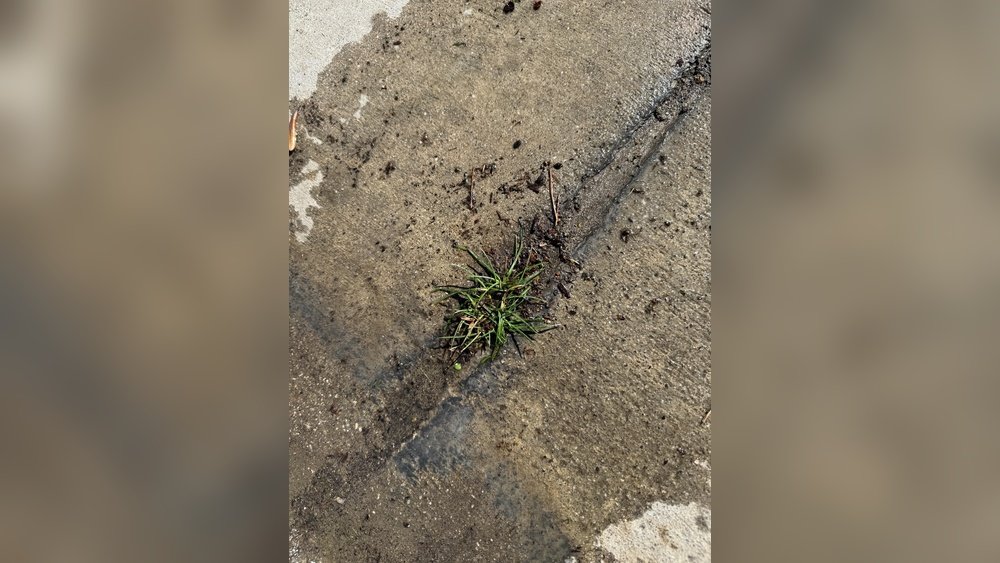
If you have a driveway, patio, or walkway, you probably know the frustration of seeing weeds in cracks. These stubborn plants pop up between bricks, stones, and concrete, making your outdoor spaces look messy and uncared for. Many people want a simple, safe, and cheap way to remove weeds, so you may have heard about using boiling water. But does boiling water really kill weeds in cracks? Can it help keep your paths clean without chemicals or expensive tools? Let’s explore the science, methods, and practical tips for using boiling water to tackle weeds, so you can decide if this solution is right for your home.
How Boiling Water Works Against Weeds
When you pour boiling water over weeds, you use heat to destroy plant tissue. The hot water causes the cells in leaves, stems, and roots to burst. This stops the weed from growing and can kill it outright. Boiling water works because most plants cannot survive extreme temperatures. The sudden shock damages the plant’s structure, cutting off its ability to make food through photosynthesis.
Unlike herbicides, boiling water does not add chemicals to the soil. It is a natural way to attack weeds and is safe for pets, children, and nearby plants (if you are careful). However, the effectiveness depends on the type of weed, how deep its roots are, and how well you apply the water.
Science Behind Boiling Water Weed Removal
The temperature of boiling water is about 212°F (100°C). Most plant cells die when exposed to temperatures above 140°F (60°C). When boiling water touches the weed, the heat spreads quickly through the leaves and stems. The cells burst, and the weed begins to wilt within hours.
Some weeds, especially annual weeds or young plants, die after one treatment. Tougher, perennial weeds may need repeated applications because their roots can survive underground. In some cases, you might see the weed turn brown and crispy soon after, but if the roots remain healthy, new shoots can appear days or weeks later.
This is why checking for regrowth is important—especially for weeds known to regrow from root fragments.
Another detail: boiling water can also kill weed seeds lying on the surface of cracks. If you pour generously, the heat can prevent future weeds by killing seeds before they sprout.
Why Cracks Are Special Targets
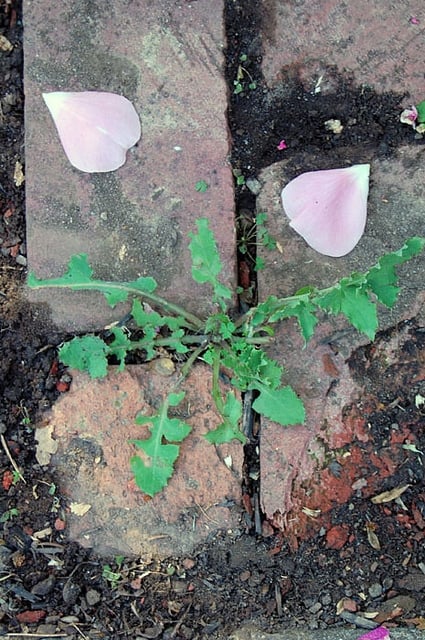
Cracks in pavement, brick, or stone make great homes for weeds. The space protects them from mowing and pulling, and the soil underneath provides nutrients. Because the cracks limit the spread, boiling water can target weeds without harming nearby grass or plants.
Cracks also help guide the water straight to the roots, increasing the chance of killing the weed completely. The confined area prevents water from running off too quickly, improving contact time. Narrow cracks act like funnels, directing the boiling water deeper than you might expect, which is why weeds in these spaces often die more quickly compared to weeds growing in open soil.
In wider cracks, boiling water may spread out and cool faster, so pouring slowly and using more water increases effectiveness. If your cracks are deep or filled with dirt, gently cleaning them before applying boiling water can help the heat reach the roots.
Step-by-step Guide To Using Boiling Water For Weeds
Boiling water is simple to use, but there are important steps to follow for safety and best results. Here’s a practical advisor’s guide to applying boiling water to weeds in cracks.
- Boil Water: Use a kettle or large pot. Make sure the water is boiling (not just hot).
- Carry Safely: Move the boiling water carefully to the weeds. Use a kettle with a spout or pour slowly to avoid spills.
- Apply Directly: Pour the water directly onto the weed and into the crack. Cover the leaves, stems, and base.
- Repeat if Needed: Check after 24-48 hours. If the weed is not fully dead, repeat the process.
- Remove Dead Weeds: Once wilted and brown, pull out dead weeds and roots to prevent regrowth.
If you have many weeds or a long path, work in small sections. Pouring boiling water over several weeds in one go is safer and more efficient. For very narrow cracks, aim the spout as close to the base as possible.
For wider cracks, pour extra water to make sure all parts of the weed are covered.
Safety Tips
- Wear shoes, long pants, and gloves to protect from splashes.
- Keep children and pets away during application.
- Avoid pouring near plants you want to keep.
- Always use a sturdy kettle or pot; avoid containers that could tip or spill easily.
If you’re working on uneven surfaces, take extra care to avoid slipping. After pouring, let the treated area cool before walking on it.
Practical Example
Imagine you have dandelions growing between concrete slabs. Boil a kettle of water, pour slowly over each weed, aiming for the center. The leaves wilt in hours, and you can pull the dead plant out the next day.
For stubborn weeds, repeat the process every few days until the weed stops growing back. If the crack is deep, use a narrow spout to direct water right into the gap. This can make a big difference, especially for weeds with hidden roots.

Credit: www.reddit.com
Comparing Boiling Water To Other Weed Control Methods
Boiling water is just one way to handle weeds in cracks. Let’s compare it to other common methods, so you can choose what works best for you.
| Method | Effectiveness | Safety | Cost | Effort |
|---|---|---|---|---|
| Boiling Water | Moderate to High | Very Safe | Low | Medium |
| Chemical Herbicides | High | Low (toxicity) | Medium | Low |
| Manual Pulling | Medium | Very Safe | Low | High |
| Vinegar Solution | Low to Moderate | Safe | Low | Medium |
| Flame Weeder | High | Medium (fire risk) | High | Medium |
As you can see, boiling water offers a balance between safety, cost, and effort. It avoids chemicals and is easy for most people to try. Chemical herbicides are fast but risky for pets and children, while manual pulling is safest but labor-intensive. Vinegar works for soft weeds but can damage soil or nearby plants if misused. Flame weeders require special tools and pose fire risks, especially in dry seasons.
One insight: flame weeders and boiling water both use heat, but boiling water is easier for beginners and less dangerous.
Types Of Weeds Boiling Water Can Kill
Not all weeds react the same way to boiling water. Let’s look at the kinds you can expect to control.
- Annual Weeds: These grow and die in one season. Examples are chickweed, crabgrass, and purslane. Boiling water usually kills them with one application.
- Young Perennial Weeds: Perennials come back year after year. If they are small or young, boiling water is effective.
- Shallow-rooted Weeds: Plants with roots close to the surface, like moss or small grass tufts, die quickly.
- Tap-rooted Weeds: Dandelions and plantains have thick roots. Boiling water can kill the top, but roots may survive. Repeat treatments are needed.
- Weeds in Narrow Cracks: The water reaches the roots better, improving effectiveness.
Tougher Weeds
Some weeds have deep or strong roots, such as bindweed or Bermuda grass. Boiling water kills the leaves but often leaves roots alive. Persistence and repeated treatments are key.
Another example is clover growing in cracks. Clover’s roots can be deep and spread underground, so after treating with boiling water, check for new growth every week. If you see green shoots, repeat the boiling water treatment and pull out the dead roots as soon as possible.
For woody weeds or those with thick stems, boiling water may only weaken them. You can combine boiling water with manual removal for better results.
Limitations Of Boiling Water Weed Removal
Boiling water is not a magic solution. There are clear limits to its power.
Root Survival
Deep-rooted weeds may grow back after a few weeks. The heat does not always reach underground roots, especially in thick cracks or gaps.
If the soil under the cracks is dry or compacted, boiling water might cool before reaching the roots. Wetting the crack before treatment can help the water stay hot longer.
Large Areas
Boiling water is best for small areas or spot treatments. It’s not practical for large lawns or fields, since boiling and carrying water is time-consuming. For extensive paved areas, consider dividing the area into sections and treating each over several days to avoid fatigue and safety issues.
Potential Damage
Pouring boiling water can harm nearby plants if you miss your target. It may also damage delicate surfaces, like painted bricks or decorative stones, with repeated use. If you have old or fragile paving, test a small spot first.
Regrowth
Even after killing the visible weed, seeds in the cracks can sprout again. Regular monitoring is needed. Wind and rain can bring new seeds, so keeping cracks clean and checking weekly will help prevent future problems.
Environmental Impact Of Boiling Water Vs Chemicals
Many people worry about the effects of weed killers on soil, water, and wildlife. Boiling water offers several environmental advantages.
- No Residue: Boiling water leaves no chemicals in soil or water.
- Safe for Pets: Dogs and cats can walk on treated areas after they cool.
- No Pollutants: There are no fumes or toxins released.
- Less Risk to Wildlife: Birds and insects are not harmed.
However, boiling water uses energy to heat, especially if you treat large areas often. Still, compared to herbicides, the impact is much lower. If you use an electric kettle, you can reduce energy use by boiling only what you need.
Gas stoves can be more efficient for large batches.
A less obvious insight: because boiling water only targets weeds in cracks, it avoids harming helpful insects or microorganisms in the rest of your yard. Herbicides can spread and harm other plants or beneficial bugs, but boiling water is more focused.
Efficiency And Success Rate: Data And Real-life Results
Studies and user reports show that boiling water is effective for killing weeds in cracks, especially when used correctly.
- Annual weeds: Up to 90% die after one treatment.
- Young perennials: 70–80% success, but may regrow.
- Deep-rooted weeds: Only 40–50% killed fully. Multiple applications needed.
- Weeds in narrow cracks: Higher success due to root exposure.
According to a report from the University of California, boiling water can kill most visible weeds but has a lower success rate for deep-rooted species (UC IPM).
Comparison Table: Success Rate By Weed Type
| Weed Type | Success Rate (1 treatment) | Success Rate (multiple treatments) |
|---|---|---|
| Annual | 90% | 98% |
| Young Perennial | 80% | 90% |
| Deep-rooted | 45% | 70% |
| Moss/Grass | 95% | 99% |
This shows that persistence and repeated use improve results, especially for tougher weeds. For very stubborn weeds, combining boiling water with manual removal gives the highest success rate.
Common Mistakes When Using Boiling Water
Many beginners make errors that reduce the effectiveness of boiling water. Here are the most frequent mistakes and how to avoid them.
- Using water that is not fully boiling: Only boiling water (not hot tap water) has enough heat.
- Missing the root zone: Pouring only on leaves won’t reach the root; aim for the base and crack.
- Too little water: Using a small amount may not penetrate deep enough.
- Not repeating treatments: For tough weeds, one time is not enough.
- Ignoring safety: Not wearing gloves or shoes can lead to burns.
A non-obvious insight: weeds often regrow from small root fragments left in cracks, so always pull out dead roots after treatment.
Another frequent mistake is rushing the process. Pouring too fast can splash water, miss the target, and cool the water before it reaches the root. Take your time and focus on accuracy.
How To Make Boiling Water Weed Removal More Effective
You can boost your results with a few smart tips.
- Pour slowly: Give the water time to soak in and reach the roots.
- Treat early: Apply boiling water when weeds are young and small.
- Combine methods: Use boiling water, then pull dead plants. For deep-rooted weeds, dig out the base after treatment.
- Monitor regularly: Check cracks often and treat new weeds quickly.
- Use a kettle with a narrow spout: This improves accuracy and reduces splash.
Non-obvious Tip
If you treat after rain, the soil in cracks is softer, and boiling water penetrates deeper. This increases root contact and kills weeds more thoroughly.
Another tip: for cracks in shady areas, weeds may grow slower, so boiling water will be more effective with less frequent treatments. In sunny spots, monitor more often.
Alternative Natural Weed Control Solutions
Boiling water is great for cracks, but you may want other natural methods for different situations.
- Vinegar: Use strong vinegar (20% acetic acid) for surface weeds. Less effective for cracks.
- Salt: Salt can dry out weeds, but it can harm soil and nearby plants.
- Manual removal: Pulling weeds is effective but time-consuming.
- Mulch: Adding mulch to cracks (if possible) blocks light and prevents growth.
- Corn gluten meal: Prevents new seeds from sprouting.
For cracks too wide for boiling water, filling them with gravel or sand can help prevent weeds. For tight cracks, boiling water remains the best natural method.
Comparison Table: Natural Vs Chemical Weed Control
| Method | Pros | Cons |
|---|---|---|
| Boiling Water | Safe, effective for cracks | Limited for deep roots |
| Vinegar | Easy, non-toxic | Weak for cracks, can harm soil |
| Salt | Strong effect | Damages soil, long-lasting impact |
| Manual Pulling | Complete removal | Labor-intensive |
| Chemical Herbicides | Quick results | Toxic, environmental risk |

Credit: www.reddit.com
Long-term Weed Prevention In Cracks
After you kill weeds with boiling water, you want to keep cracks clear. Here are proven ways to prevent regrowth.
- Seal cracks: Use caulk or polymer sand to fill gaps between stones or bricks.
- Regular sweeping: Remove dirt and seeds before they settle.
- Install weed barrier fabric: For new patios or paths, add fabric below the surface.
- Apply mulch: In wide cracks, mulch blocks sunlight and prevents weeds.
- Monitor frequently: Check cracks every week during growing season.
Practical Insight
Most weed seeds arrive through wind or rain. Keeping cracks clean and sealed stops them from settling and sprouting. After sealing cracks, you’ll notice fewer weeds each season.
If you notice recurring weeds, check for cracks that have reopened. Resealing cracks every year or two makes a big difference.
Another tip: after boiling water treatment, use a stiff brush to sweep out dead roots and debris. This keeps cracks clear and prevents new seeds from finding a home.
Is Boiling Water Right For You?
Boiling water is best for:
- Small areas with visible weeds in cracks
- People who want a safe, chemical-free method
- Homeowners concerned about pets or children
- Occasional weed removal, not large-scale problems
It is less suitable for:
- Deep-rooted or woody weeds
- Large paved areas
- Frequent, heavy weed infestations
If you fit the first group, boiling water is a smart, simple solution. If you struggle with large areas or stubborn weeds, combine boiling water with other methods for best results.
Credit: www.theartofdoingstuff.com
Frequently Asked Questions
Does Boiling Water Kill All Types Of Weeds?
No, boiling water is most effective for annual weeds and young perennials. Deep-rooted weeds may survive and regrow, needing repeated treatments.
Is Boiling Water Safe For Pets And Children?
Yes, boiling water leaves no harmful residue. Just keep pets and children away during treatment, and let the area cool before they return.
Will Boiling Water Damage Pavement Or Stones?
Boiling water is usually safe for concrete and stone. However, frequent use may weaken certain materials, like painted bricks or decorative stones.
How Often Should I Use Boiling Water On Weeds?
Use boiling water as soon as weeds appear. For tough or deep-rooted weeds, repeat every 1–2 weeks until fully dead.
Can I Use Hot Tap Water Instead Of Boiling Water?
No, only boiling water (212°F/100°C) has enough heat to kill weeds. Hot tap water is not effective.
Does Boiling Water Work During Cold Weather?
Boiling water works best when the outside temperature is above freezing. In winter, water may cool quickly and lose effectiveness. For cold climates, treat weeds during warmer days.
Final Thoughts
Boiling water is a proven, natural way to kill weeds in cracks. It works by destroying plant cells with intense heat, making it safe for people, pets, and the environment. While it is not perfect—especially for deep-rooted weeds—it is effective for most common weed types.
The method is easy, cheap, and requires no chemicals, making it a favorite for homeowners who want a clean, safe outdoor space. If you follow the right steps, avoid common mistakes, and combine boiling water with regular maintenance, you can keep your driveways and patios weed-free with minimal effort.
For tougher weeds or larger areas, consider mixing methods or sealing cracks to prevent future problems. With a little persistence, your outdoor spaces can stay neat, healthy, and inviting all year round.