
Square foot gardening is a simple, organized way to grow food and flowers in a small space. Developed by Mel Bartholomew in the 1980s, this method uses grids to divide the growing area into square feet, making planting, watering, and harvesting easier for everyone—from beginners to experienced gardeners.
If you want to grow more in less space and reduce garden chores, square foot gardening might be the perfect choice. Let’s look closely at how you can start and succeed with this method, even if you have never gardened before.
What Is Square Foot Gardening?
Square foot gardening is a raised-bed gardening technique that divides the growing area into small, manageable squares, each usually 1 foot by 1 foot. Instead of planting in long rows, you plant a certain number of seeds or seedlings in each square, depending on the plant’s size and needs.
This method saves space, uses water efficiently, and helps reduce weeds and pests.
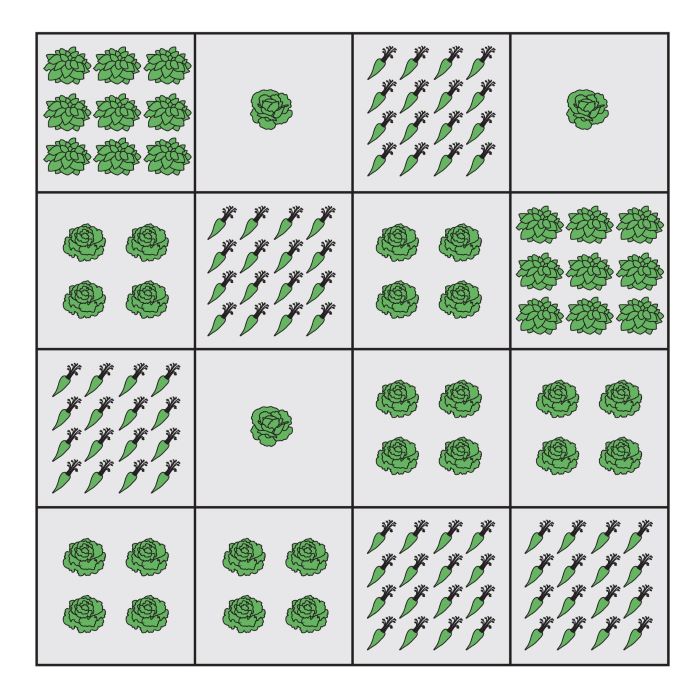
For example, instead of planting 30 carrots in a long row, you can fit 16 carrot seeds in one square. You get a high yield in a small space, and it’s much easier to care for your plants.
Why Choose Square Foot Gardening?
Many people choose square foot gardening for its efficiency, ease of use, and high productivity. Here’s why this method stands out:
- Saves space: You can grow a lot in just a few square feet.
- Less work: Fewer weeds, less watering, and less bending.
- Easy planning: The grid helps organize your crops and crop rotation.
- Beautiful results: Raised beds and neat squares look tidy and inviting.
- Accessible: Great for kids, seniors, and people with limited mobility.
- Soil control: You can fill your beds with the best soil mix for healthy plants.
A common insight beginners miss: Because the bed is small and dense, you can focus your resources—time, compost, and water—exactly where your plants need them. This leads to healthier plants and bigger harvests.
Credit: gardentherapy.ca
Planning Your Square Foot Garden
Choose The Right Location
Pick a spot that gets at least 6–8 hours of sunlight every day. Most vegetables need full sun to grow well. Avoid areas with too much shade, or where water pools after rain. If you have only a patio or balcony, square foot gardening works well in containers too.
Decide The Size Of Your Bed
The classic square foot garden bed is 4 feet by 4 feet (16 squares), but you can build beds in other sizes to fit your space. The key rule: Beds should be no wider than 4 feet so you can reach every square without stepping on the soil. Length can vary—6 or 8 feet long beds are common.
Here’s a quick look at common bed sizes:
| Bed Size (ft) | Total Squares | Best For |
|---|---|---|
| 4 x 4 | 16 | Beginners, small families |
| 4 x 6 | 24 | Larger families, more variety |
| 2 x 4 | 8 | Balconies, tight spaces |
Materials Needed
To build a square foot garden, you’ll need:
- Wood or other material for the frame (untreated cedar, pine, or composite)
- Screws or nails
- Measuring tape
- Saw (if cutting wood yourself)
- Hammer or drill
- Weed barrier or cardboard (for the base)
- Soil mix (more on this below)
- String, wood lath, or plastic strips for the grid
Budgeting Time And Cost
A basic 4×4 foot square foot garden can be built in one afternoon. Costs vary depending on materials, but a DIY bed usually costs $50–$150, including soil. Store-bought kits may cost more.
Building The Raised Bed
Step 1: Build The Frame
Cut four pieces of wood to 4 feet each. Attach the corners with screws or nails to form a square. The boards should be at least 6 inches high (8–12 inches is better for deep-rooted plants).
Step 2: Prepare The Ground
Remove any grass or weeds where your bed will sit. Lay down a weed barrier fabric or several layers of cardboard to stop weeds from growing up into your garden.
Step 3: Place The Frame
Set your frame on top of the prepared ground. Make sure it’s level. If you’re building on concrete or a patio, you can use a raised platform or large containers.
Step 4: Fill With Soil Mix
The classic square foot gardening soil mix is:
- 1/3 peat moss
- 1/3 vermiculite
- 1/3 compost (ideally from several sources)
Mix these in a wheelbarrow or on a tarp, then fill your bed. This soil is loose, drains well, and is full of nutrients—much better than regular garden soil.
Common Mistake: Skimping On Compost
Many beginners use only one type of compost, but mixing 3–5 different sources (manure, mushroom compost, leaf mold, etc. ) Gives a wider range of nutrients. This leads to healthier plants and fewer problems.
Step 5: Mark The Grid
Using string, wood lath, or plastic strips, lay a grid on top of your soil to create clear 1×1 foot squares. Secure the grid so it doesn’t move. This visual guide is the heart of square foot gardening—it keeps you organized and prevents overcrowding.
Planning What To Plant
How Many Plants Per Square?
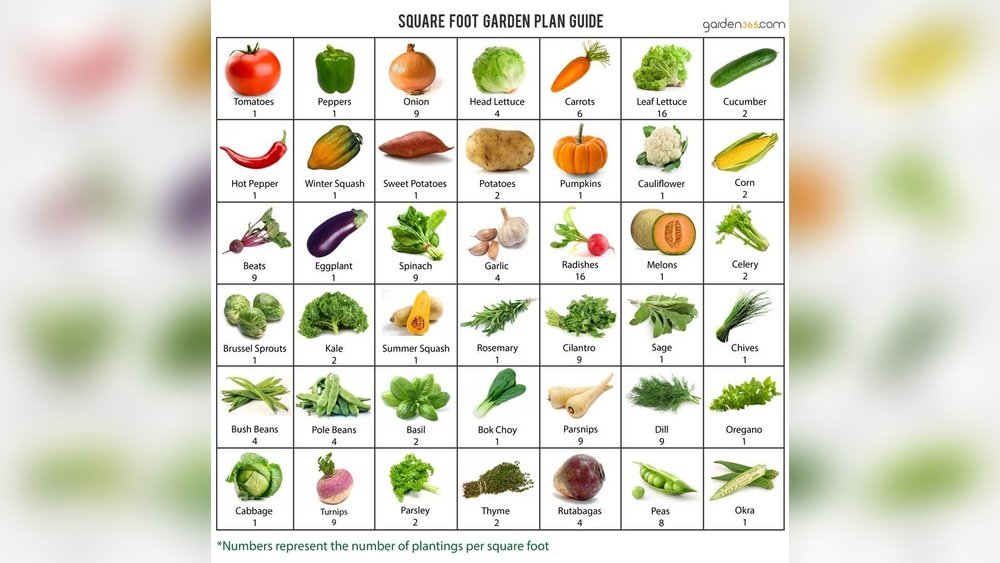
Not all plants need the same space. Here’s a guide for common vegetables:
| Plant | Seeds/Plants per Square | Notes |
|---|---|---|
| Carrots, Radishes, Onions | 16 | Small root crops |
| Beets, Spinach | 9 | Medium root or leafy |
| Leaf Lettuce, Swiss Chard | 4 | Loose-leaf types |
| Bush Beans | 9 | Short varieties |
| Broccoli, Cabbage, Peppers | 1 | Large, single plants |
| Tomatoes (staked) | 1 | Needs support |
| Cucumbers (trellised) | 2 | Needs vertical support |
Mixing Crops
Plant a mix of fast and slow growers. For example, radishes and carrots can share a square—radishes mature in 3 weeks, carrots in 2 months. This way, you always have something growing and harvesting.
Companion Planting
Some plants help each other grow. For example, marigolds repel pests and look beautiful next to vegetables. Basil and tomatoes are a classic pair—basil can improve tomato flavor and deter harmful insects.
Succession Planting
After harvesting one crop, plant another. For example, after lettuce bolts in summer, replant with beans or spinach for a second harvest. This keeps your garden producing all season.
Planting Your Square Foot Garden
Step 1: Draw A Planting Plan
Sketch your bed on paper and decide what will go in each square. This makes planting day easier and helps you rotate crops next year, reducing disease risk.
Step 2: Plant Seeds Or Seedlings
Follow the number of plants per square from the table above. For seeds, plant at the proper depth (usually 2–3 times the seed’s width). For seedlings, gently tease apart roots if they’re crowded, and plant at the recommended spacing.
Step 3: Label Your Squares
Use plant markers or popsicle sticks to write what’s in each square. This prevents confusion—especially important if you grow many different crops.
Step 4: Water Gently
After planting, water each square thoroughly. The soil should stay moist but not soggy.
Pro Tip: Water At The Soil Level, Not Over The Leaves, To Prevent Disease.
Caring For Your Square Foot Garden
Watering
Because the beds are raised and filled with loose soil, they drain quickly. Check soil moisture daily, especially in hot weather. Water when the top inch feels dry.
- Morning watering is best to reduce disease.
- Use a watering can or gentle spray nozzle.
- Drip irrigation systems work well for larger beds.
Fertilizing
With rich compost in the soil mix, you may need little extra fertilizer. For heavy feeders (like tomatoes), use a slow-release organic fertilizer once or twice during the season. Avoid over-fertilizing, which can cause lush leaves but poor fruit.
Weeding
Weeds are rare in square foot gardens, but pull any you see while small. The close planting shades out most weeds.
Mulching
Adding a light layer of straw or shredded leaves can help keep moisture in and reduce weeds even more.
Supporting Tall Plants
Plants like tomatoes, cucumbers, and pole beans need support. Place a trellis, cage, or stakes in the back squares before planting, so you don’t disturb roots later.
Pest And Disease Management
Because the garden is small and organized, it’s easy to spot problems early. Pick off insects by hand or use row covers for protection. Rotate crops each year—don’t plant the same family in the same square two years in a row.
Non-obvious Tip: Avoid Overcrowding Tall Crops (like Tomatoes Or Corn) Near The North Or East Edge Of The Bed, As They Can Shade Out Shorter, Sun-loving Plants.
Harvesting From Your Square Foot Garden
When To Harvest
Harvest vegetables when they’re young and tender. Most crops taste better and keep producing if picked often. For leafy greens, cut the outer leaves and let the center grow more.
How To Harvest
Use scissors or small garden shears to avoid pulling up roots. For root crops like carrots, loosen the soil with a hand fork before pulling.
Replanting Squares
After harvesting, add a handful of fresh compost to the empty square and plant again. This keeps your soil fertile and your garden productive.
Seasonal Care And Crop Rotation
Preparing For Next Season
At the end of the season, pull out all spent plants and add more compost. Cover the bed with straw or leaves to protect the soil over winter.
Crop Rotation
Rotate families of crops each year to reduce soil-borne diseases and nutrient problems. For example, if you planted tomatoes (nightshades) in a square this year, plant beans (legumes) or carrots (roots) there next year.
Here’s an easy rotation pattern for a 4×4 bed:
| Year | North Row | Middle Rows | South Row |
|---|---|---|---|
| Year 1 | Tomatoes/Peppers | Leafy Greens | Roots/Beans |
| Year 2 | Roots/Beans | Tomatoes/Peppers | Leafy Greens |
| Year 3 | Leafy Greens | Roots/Beans | Tomatoes/Peppers |
Tips For Success In Square Foot Gardening
- Start small: It’s better to manage one 4×4 bed well than build too many and get overwhelmed.
- Use quality compost: Healthy soil makes healthy plants. Mix compost from different sources for balanced nutrients.
- Keep a garden journal: Note what you plant and when you harvest. You’ll learn what works best in your climate.
- Observe daily: Spend a few minutes each day checking for pests, dry soil, or harvest-ready crops.
- Try new crops: Grow a few squares with flowers or herbs to attract pollinators and add variety.
- Be flexible: If a plant fails, don’t worry—clear the square and try something else.
- Teach kids: The grid system is easy for children to understand and makes gardening a fun family project.
- Use vertical space: Trellises and cages double your growing area for crops like peas, beans, and cucumbers.
- Don’t overwater: The soil holds moisture well. Too much water can cause root problems.
- Keep it tidy: Remove dead leaves and spent plants quickly to keep your garden healthy and attractive.
Square Foot Gardening For Small Spaces And Urban Areas
You don’t need a backyard to try square foot gardening. Many people use this method on rooftops, patios, or even indoors with grow lights.
- Containers: Use large planters or storage bins with drainage holes and a grid on top.
- Raised tables: Build a shallow frame on legs for an accessible garden at waist height.
- Vertical gardens: Mount pockets or shelves on a sunny wall and divide them into square sections.
Even a 2×2 foot bed (4 squares) can supply fresh salads for one person all summer.
Advanced Square Foot Gardening Techniques
Extending The Season
- Cold frames or hoop houses: Cover your bed with a simple frame and clear plastic to start plants early or keep them growing into fall.
- Row covers: Lightweight fabric can protect against frost and pests.
Intensive Planting
- Try “interplanting”—mixing fast and slow crops. For example, plant lettuce with tomatoes. Lettuce matures before tomatoes need full space.
Companion Planting For Pest Control
- Grow onions or garlic next to carrots to deter carrot flies.
- Plant nasturtiums near beans or squash to attract aphids away from the crops.
Saving Seeds
Let a few plants go to seed at the end of the season. Save seeds from open-pollinated varieties for next year.

Credit: gardeninminutes.com
Common Problems And How To Fix Them
Poor Growth
- Check if your bed gets enough sun.
- Add more compost if plants look pale or weak.
- Make sure you’re not underwatering or overwatering.
Pests
- Use row covers for delicate crops.
- Hand-pick larger pests like caterpillars or beetles.
- Attract beneficial insects by planting flowers like alyssum or dill.
Disease
- Remove and destroy any diseased plants.
- Don’t plant the same crop family in the same spot every year.
- Water at the base to keep leaves dry.
Overcrowding
- Follow the plant-per-square guide. Resist the urge to plant more; crowded plants get less air and light, and attract disease.
Uneven Harvest
- Stagger your plantings—plant a few squares each week instead of all at once for a steady supply.
Square Foot Gardening Vs. Traditional Row Gardening
Understanding the differences can help you decide if this method is right for you.
| Feature | Square Foot Gardening | Traditional Row Gardening |
|---|---|---|
| Space Needed | Very little | Much more |
| Soil Prep | Loose, rich mix | Often compacted, variable |
| Weeding | Minimal | Frequent |
| Watering | Efficient, targeted | Can be wasteful |
| Yield | High per square foot | Lower per area |
| Ease of Access | Easy | More bending/stooping |
Sustainable Gardening Practices
Square foot gardening naturally supports sustainable methods:
- Less water: The small area and soil mix reduce water use.
- Fewer chemicals: Close planting and crop rotation help prevent pests and disease.
- Composting: Making your own compost recycles kitchen and yard waste.
- Pollinator-friendly: Flowers and herbs in your grid attract bees and butterflies.
If you want to learn more about sustainable gardening, visit the Square Foot Gardening Wikipedia page for history and additional resources.
Frequently Asked Questions
What Can I Grow In A Square Foot Garden?
Almost any vegetable, herb, or flower can be grown using this method. Leafy greens, root crops, bush beans, tomatoes, peppers, and even strawberries do well. Avoid very large plants like pumpkins or corn unless you have extra space or use creative supports.
How Deep Should My Square Foot Garden Bed Be?
A depth of 6 inches works for most crops, but 8–12 inches is better, especially for carrots, potatoes, or plants with larger root systems. Deeper beds hold more moisture and nutrients, supporting stronger growth.
How Do I Keep Pests Out Of My Garden?
Use row covers, plant pest-repelling flowers (like marigolds), and check plants daily for signs of trouble. Remove any pests you find by hand. Healthy soil and crop rotation also help prevent many problems.
Can I Do Square Foot Gardening Indoors?
Yes! Use containers with at least 6 inches of soil and a grid to divide the surface. Place near a sunny window or use grow lights. Lettuce, herbs, radishes, and small peppers do especially well indoors.
Do I Need To Use Mel’s Mix, Or Can I Use Other Soil?
Mel’s Mix (1/3 peat moss, 1/3 vermiculite, 1/3 compost) is ideal, but you can use other high-quality, loose soil blends. The key is to have fertile, well-draining soil that holds moisture but doesn’t get soggy. Always add plenty of compost for nutrients.
Square foot gardening is a rewarding way to grow more with less work, even in a small space. With careful planning, the right soil, and a bit of daily attention, you’ll enjoy fresh, healthy food right outside your door. Whether you’re a beginner or want to simplify your gardening routine, this method offers a proven path to success—one square at a time.

Credit: gardeninminutes.com