
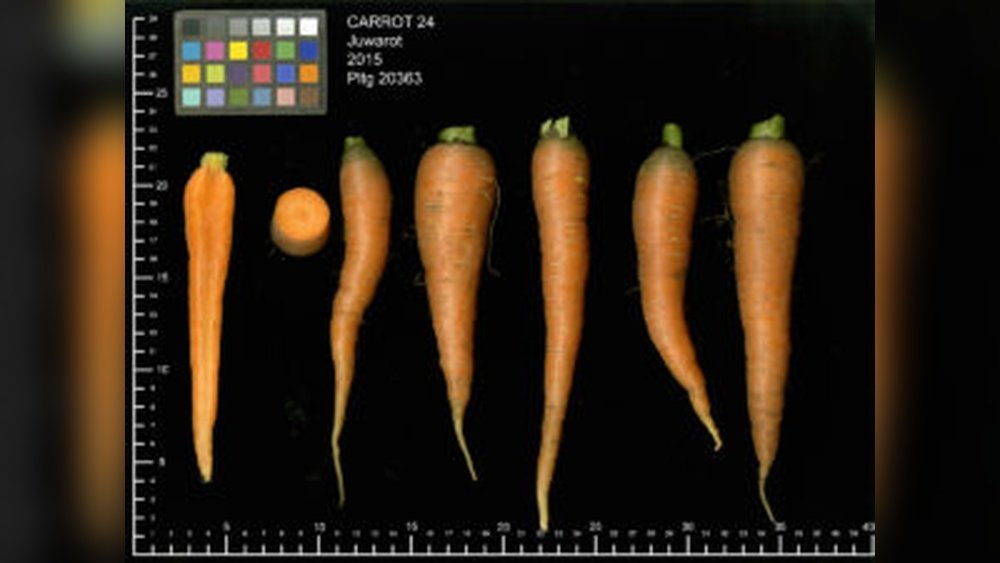
Growing your own carrots from seed is one of the most satisfying experiences in the garden. Unlike store-bought carrots, homegrown ones are often sweeter, crunchier, and come in surprising shapes and colors. But carrots can be tricky for beginners. The seeds are tiny, the roots are sensitive, and small mistakes can mean crooked, stunted, or even failed crops.
This guide walks you through every essential step, from preparing your soil to harvesting your first crisp carrot. If you’ve struggled with carrots before, or it’s your first attempt, you’re in the right place.
Why Grow Carrots From Seed?
Carrots are almost always grown from seed, not transplants. The main reason is that carrot roots are delicate. Transplanting can damage the taproot, leading to poor shapes or tiny roots. Sowing seeds directly in the garden gives the roots the best chance to grow straight and deep. Plus, you can choose from many more varieties than you’ll ever find in the store—purple, yellow, red, or classic orange.
Homegrown carrots are also more nutritious and flavorful, especially when eaten fresh. Growing from seed lets you control exactly what goes into your soil and onto your plate.
Choosing The Right Carrot Variety
Not all carrots are the same. There are hundreds of varieties, and the right choice depends on your soil, climate, and taste preferences.
Types Of Carrots
Carrots come in different shapes and sizes, mainly divided into these categories:
- Nantes: Cylindrical, sweet, and easy to grow. Good for beginners.
- Imperator: Long, slender, and classic orange. Often seen in supermarkets.
- Danvers: Tapered, shorter, and tolerant of heavier soils.
- Chantenay: Short, thick, and works well in rocky or shallow soils.
- Mini/Parisian: Round or stumpy, perfect for containers or poor soil.
How To Choose
- Soil Type: If your soil is heavy or rocky, choose shorter varieties like Chantenay or Parisian. For deep, loose soil, try Nantes or Imperator.
- Growing Season: For short growing seasons, look for varieties with a faster maturity date (50–70 days).
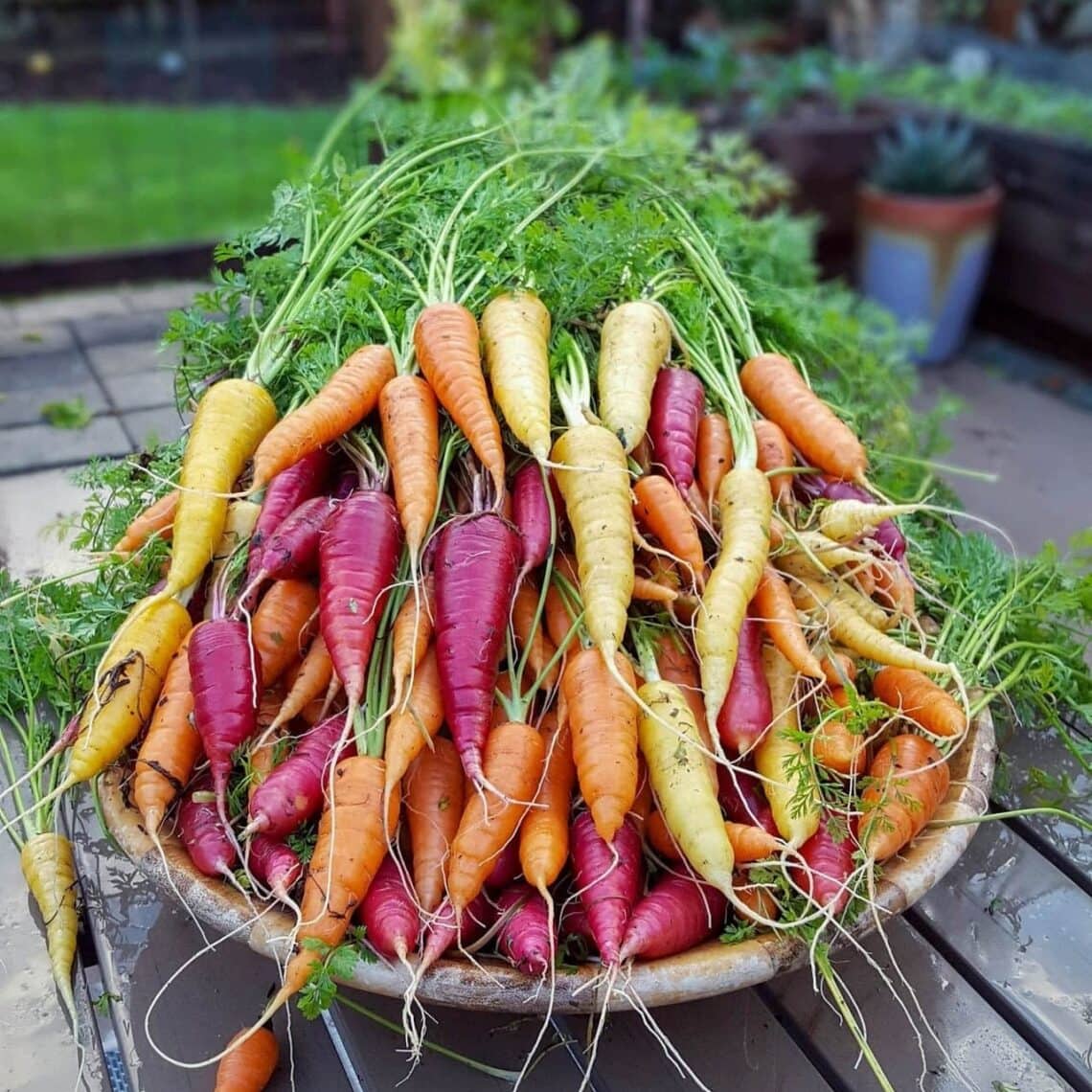
- Color and Flavor: Try purple, yellow, or red carrots for fun and nutrition—each color offers a different antioxidant profile.
Here’s a quick comparison of popular varieties:
| Variety | Root Shape | Days to Maturity | Soil Suitability |
|---|---|---|---|
| Nantes | Cylindrical | 65–70 | Loose, deep |
| Chantenay | Short, thick | 60–70 | Heavy, rocky |
| Parisian | Round | 55–65 | Shallow, containers |
| Imperator | Long, slender | 70–80 | Loose, sandy |
Non-obvious insight: Some specialty carrots, like ‘Atomic Red’ or ‘Cosmic Purple’, have extra health benefits due to their pigments. These varieties are also great conversation starters at the dinner table.
When And Where To Plant Carrot Seeds
Carrots prefer cool weather. The best time to sow seeds is early spring and late summer, avoiding the hottest part of the year. In cool climates, you can sow as soon as the soil is workable, often 2–4 weeks before the last frost.
For a continuous harvest, sow small batches every 2–3 weeks until midsummer.
Choosing A Location
Pick a spot with full sun—carrots need at least 6 hours of sunlight daily. Partial shade is okay, but it will slow growth and reduce sweetness.
Ideal Soil Conditions
Carrots do best in loose, sandy, well-drained soil. They struggle in heavy clay or compacted beds. The soil should be free of rocks, sticks, and clumps. Aim for a soil pH between 6.0 and 6.8.
Pro tip: If your soil is poor, consider using a raised bed or deep container. Fill it with a mix of compost, sand, and topsoil for best results.
Preparing The Soil For Carrot Seeds
Soil preparation is the single most important step for growing straight, healthy carrots.
- Remove Debris: Dig down at least 12 inches (30 cm). Remove stones, roots, and hard clumps. Carrots will fork or split if they hit obstacles.
- Loosen Soil: Use a garden fork or tiller. Don’t just loosen the surface—carrots need depth.
- Add Organic Matter: Mix in well-rotted compost. Avoid fresh manure, which can cause forked roots.
- Check Drainage: Water should drain quickly. Puddles mean you need more sand or organic matter.
- Rake Smooth: Finish with a flat, fine-textured seedbed. This helps tiny seeds stay in place and germinate evenly.
Soil Nutrient Comparison
Here’s how different soil amendments affect carrot growth:
| Amendment | Effect on Carrots | Recommended? |
|---|---|---|
| Fresh Manure | Causes forking, excessive leaves | No |
| Compost | Improves structure, nutrients | Yes |
| Sand | Improves drainage, root shape | Yes, if soil is heavy |
| Peat Moss | Helps retain moisture, lightens soil | Yes, in small amounts |
Non-obvious insight: Overly rich soil can cause carrots to grow hairy roots. Less is often more—avoid over-fertilizing.
Sowing Carrot Seeds Step-by-step
Carrot seeds are tiny and can be tricky to handle. Follow these steps for the best results.
- Mark Rows: Use a stick or the edge of a hoe to make shallow rows, about 1/4 inch (6 mm) deep and 12–18 inches (30–45 cm) apart.
- Sow Seeds Thinly: Sprinkle seeds as evenly as possible. You’ll need about 2–3 seeds per inch (2.5 cm). Don’t worry if it’s not perfect—you’ll thin them later.
- Cover Lightly: Gently cover with fine soil or sand. Do not bury too deep, or they won’t sprout.
- Water Carefully: Use a gentle spray. The soil should be moist, not soggy. Avoid washing away seeds.
- Label Rows: Carrot seedlings look like grass. Labels help you avoid weeding them out by mistake.
Practical tip: Mix carrot seeds with a little dry sand before sowing. This spreads them more evenly and helps prevent overcrowding.
Germination And Early Care
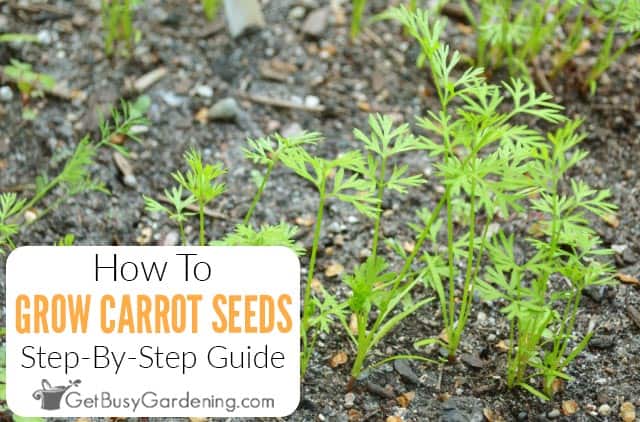
Carrot seeds are slow to sprout—usually 10–21 days, sometimes longer in cool soil. During this time, the soil must stay consistently moist.
How To Keep Seeds Moist
- Mulch Lightly: After sowing, cover the bed with a thin layer of straw or burlap. This prevents crusting and drying.
- Water Daily: In dry weather, a light mist every morning is ideal.
- Check Often: If you see cracks forming, water more.
Common Germination Problems
- Crusted Soil: Hard soil can block seedlings. Keep the top layer loose and moist.
- Pests: Birds and ants sometimes eat seeds. Floating row covers can help.
- Weeds: Remove weeds early, but be careful not to disturb tiny carrot sprouts.
Non-obvious insight: Pre-soaking seeds for 24 hours in warm water can speed up germination by a few days, but dry seeds are easier to handle for direct sowing.
Thinning Carrot Seedlings
Carrot seeds rarely germinate evenly. Once the seedlings are about 2 inches (5 cm) tall, you’ll need to thin them.
How To Thin
- Wait Until True Leaves Appear: The first leaves are grass-like. Wait for the second set (true leaves).
- Pull or Cut: Gently remove extra seedlings so there’s one plant every 1.5–2 inches (4–5 cm).
- Do in Stages: If you’re nervous, thin a little at a time over several days.
- Water After Thinning: Helps remaining roots settle and recover.
Why Thinning Matters
Overcrowded carrots compete for nutrients and space. This leads to small, twisted, or split roots. Proper thinning is the secret to big, straight carrots.
Non-obvious insight: Use small scissors to snip seedlings at soil level instead of pulling. This avoids disturbing the roots of neighboring plants.
Watering Carrots The Right Way
Carrots need consistent moisture, but not too much. Erratic watering can cause roots to split or become woody.
How Much To Water
- Germination to Seedling: Keep soil evenly moist, never dry or soggy.
- After Thinning: Water deeply once or twice a week, depending on rain.
- During Drought: Increase to three times a week, but let the surface dry between waterings.
Signs Of Problems
- Dry soil: Carrots will be small and tough.
- Too wet: Roots may rot or lose flavor.
Pro tip: Drip irrigation or soaker hoses are ideal for carrots, as they keep foliage dry and water the root zone directly.
Credit: getbusygardening.com
Fertilizing Carrots: What Works Best
Carrots are light feeders compared to other vegetables. Too much fertilizer, especially nitrogen, can cause lush tops and poor roots.
When And What To Use
- Before Planting: Mix in compost or a balanced, slow-release fertilizer (like 5-10-10 NPK).
- After Thinning: Add a little compost tea if growth is slow.
- Mid-Season: Generally, no extra feeding is needed unless leaves are pale.
Fertilizer Comparison
| Type | Application Time | Effect |
|---|---|---|
| Compost | Before sowing | Steady nutrients, improves soil |
| 5-10-10 Granular | Before sowing | Boosts root growth |
| Fish Emulsion | After thinning | Mild boost for slow growth |
| High-Nitrogen Fertilizer | Anytime | Too much leaf, poor roots |
Non-obvious insight: If your soil is healthy and has been amended with compost, you may not need any additional fertilizer at all.
Mulching And Weed Control
Carrots grow slowly at first, giving weeds a chance to take over. Weeds compete for water and nutrients, so control is essential.
Best Mulches For Carrots
- Grass clippings: Thin layer, adds nitrogen as it breaks down.
- Shredded leaves: Good for moisture, cools soil.
- Straw: Helps retain moisture, but may harbor slugs.
Apply mulch after seedlings are established and thinned. Avoid burying young plants.
How To Weed
Hand-pull weeds close to carrots. Hoe gently between rows. Be careful—carrot roots are shallow and easily damaged.
Pro tip: Mulch also helps keep soil cool during hot spells, improving carrot sweetness.
Credit: homesteadandchill.com
Common Carrot Pests And Diseases
Carrots are less prone to problems than many vegetables, but a few pests and diseases can cause trouble.
Main Pests
- Carrot Rust Fly: Larvae tunnel into roots, causing brown scars and rot.
- Aphids: Attack leaves and stunt growth.
- Wireworms: Chew holes in roots, especially in newly turned sod.
Main Diseases
- Alternaria Leaf Blight: Dark spots on leaves, reduces yield.
- Powdery Mildew: White coating on leaves in humid weather.
Prevention And Solutions
- Crop Rotation: Don’t grow carrots (or other root crops) in the same spot more than once every 3 years.
- Floating Row Covers: Keep out flies and aphids.
- Cleanliness: Remove plant debris at season’s end.
- Water Early in Day: Reduces leaf diseases.
Non-obvious insight: Sowing onions or leeks nearby can help repel carrot rust flies. The scent confuses these pests.
When And How To Harvest Carrots
Carrots are ready to harvest once they reach a usable size, usually 60–80 days after sowing, depending on variety.
Signs Carrots Are Ready
- Shoulders (tops of roots) are visible above the soil.
- Diameter is about 1/2 to 1 inch (1.2–2.5 cm), but you can gently pull one to check.
- Leaves may begin to yellow.
How To Harvest
- Water Before Harvest: The day before, water well. This softens soil and makes pulling easier.
- Loosen Soil: Use a fork to gently lift roots, especially in heavy soil.
- Pull Carefully: Grab leaves close to the root and pull straight up.
Storing Your Carrots
- Short-term: Remove tops and store in the fridge for up to 4 weeks.
- Long-term: Bury in moist sand in a cool cellar, or leave in the ground if winter is mild.
Non-obvious insight: Carrots left in the ground after light frosts become sweeter. The plant turns starches into sugars as a natural antifreeze.

Credit: www.botanicalinterests.com
Saving Carrot Seeds
If you want to save seeds for next year, know that carrots are biennial. They flower and set seed in their second year.
How To Save Seeds
- Leave a few healthy carrots in the ground over winter.
- Next spring, let them flower and develop seed heads.
- Collect dry seeds when pods turn brown.
Tip: Carrots cross easily with wild relatives like Queen Anne’s Lace, which can result in poor-quality seeds. For pure varieties, isolate carrot plants or grow only one variety.
Troubleshooting Common Carrot Problems
Even experienced gardeners can have trouble with carrots. Here are some common issues and how to solve them:
- Forked or Twisted Roots: Caused by stones, heavy soil, or too much manure.
- Poor Germination: Soil too dry, crusted, or sown too deep.
- Small or Thin Roots: Overcrowding, too little water, or not enough sun.
- Cracked Roots: Irregular watering, especially after dry spells.
- Bitter Taste: Hot weather or old varieties. Try sowing in cooler months.
Pro tip: If your carrots look strange, don’t give up. Most are still perfectly edible—just cut off any damaged spots.
Growing Carrots In Containers
If you have poor soil or limited space, containers are a great option.
Container Tips
- Use a pot at least 12 inches (30 cm) deep for most varieties.
- Fill with loose, sandy potting mix.
- Water more often—containers dry out fast.
- Choose short or round varieties for best results.
Non-obvious insight: Container-grown carrots are less likely to suffer from soil-borne pests and diseases.
Succession Planting For Continuous Harvest
For a longer carrot season, sow seeds every 2–3 weeks from early spring to midsummer. This keeps your supply fresh.
- In hot climates, pause sowing during midsummer heat and resume in late summer for a fall crop.
- Keep track of planting dates and varieties for best results.
Carrot Companion Planting
Planting carrots with other crops can bring benefits.
Good Companions
- Onions, Leeks, Chives: Repel carrot flies.
- Lettuce, Radish: Grow fast and can be harvested before carrots need space.
Bad Companions
- Dill, Parsley: Compete for nutrients and may attract pests.
Carrot Health Benefits And Nutrition
Carrots are rich in beta-carotene, which the body turns into vitamin A. They also contain fiber, potassium, and antioxidants.
Nutrition Facts (per 100g Raw Carrot)
- Calories: 41
- Carbohydrates: 10g
- Fiber: 2.8g
- Sugar: 4.7g
- Vitamin A: 334% of daily value
Eating a mix of carrot colors boosts your intake of different nutrients.
Non-obvious insight: Cooking carrots with a little fat (like olive oil) helps your body absorb more beta-carotene.
Carrots For Kids And Beginners
Carrots are a fun crop for children and first-time gardeners. The seeds are small, but the reward is big. Try growing short or round types, which are easier and faster to harvest.
Global Carrot Production And Fun Facts
Carrots are grown worldwide. China is the top producer, followed by Uzbekistan, the United States, and Russia.
- About 42 million tons are grown globally each year.
- The longest carrot ever grown was over 20 feet long.
- The orange carrot was developed in the Netherlands in the 17th century.
For more global carrot facts, visit the Carrot Wikipedia page.
Frequently Asked Questions
How Deep Should I Plant Carrot Seeds?
Carrot seeds should be sown about 1/4 inch (6 mm) deep. Any deeper, and they may struggle to sprout. Cover lightly with fine soil or sand and water gently.
Why Are My Carrots Small And Thin?
This is usually caused by overcrowding or poor soil. Thin seedlings so each has enough space (about 2 inches apart) and make sure the soil is loose, free of rocks, and well-drained.
Can I Grow Carrots In Clay Soil?
Carrots do best in loose, sandy soil, but you can grow certain types (like Chantenay or Parisian) in heavier soils. Improve clay soil by adding lots of compost and some sand. Raised beds also help.
How Long Do Carrots Take To Grow?
Most varieties are ready 60–80 days after sowing. Baby carrots can be harvested earlier. Check the seed packet for the specific days to maturity for your chosen variety.
What Causes Carrots To Taste Bitter?
Bitterness often happens when carrots are grown in hot weather or left in the ground too long. Some old varieties are also less sweet. For best flavor, sow in spring or late summer and harvest when roots are still young and tender.
Growing carrots from seed can be a bit of a puzzle, but with the right steps and a little patience, you’ll be rewarded with a crop that’s crisp, sweet, and far better than anything from the store. Whether you’re gardening in a backyard bed, a city container, or even a school project, carrots offer a delicious learning experience.
Remember, the key is in the soil, steady care, and a willingness to try again if things don’t go perfectly the first time. Happy growing!