
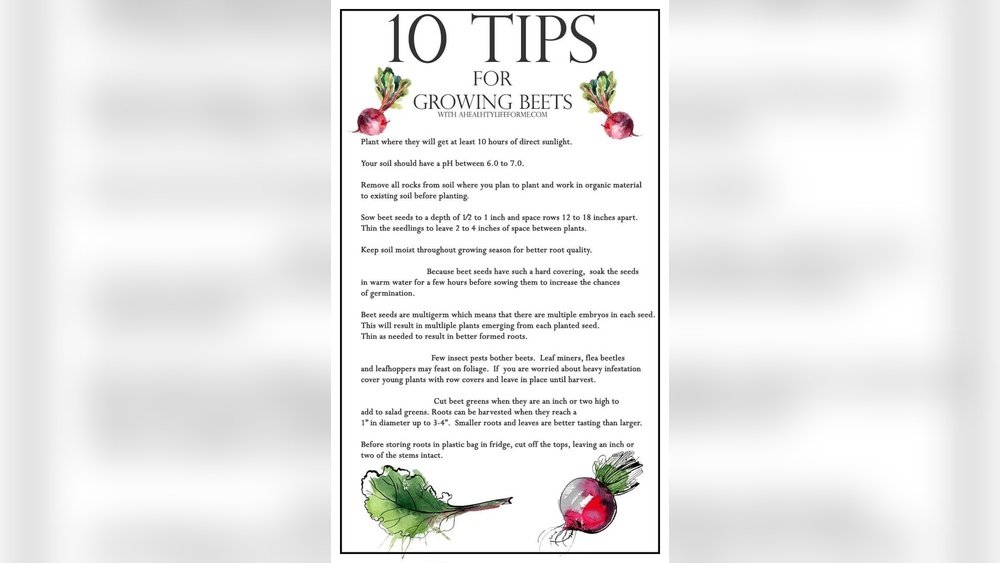
Growing beets from seed is simple, rewarding, and perfect for gardeners of all skill levels. Beets offer earthy flavor, vibrant color, and are packed with nutrients. If you’re new to gardening or want reliable tips to boost your beet harvest, you’re in the right place.
This guide covers everything you need to know, from preparing soil to harvesting mature roots. You’ll also learn mistakes to avoid and how to deal with common beet-growing problems. By the end, you’ll feel confident planting, caring for, and enjoying your own homegrown beets.
Understanding Beets: Basics And Benefits
Beets are a cool-season root vegetable, famous for their deep red color. There are also golden, white, and striped varieties. The scientific name is Beta vulgaris. Beets grow best in spring and fall, when temperatures are mild. They’re fast-growing, nutritious, and versatile in the kitchen.
Beets are packed with fiber, vitamins (like B9 and C), and minerals (potassium, iron, manganese). They support heart health, boost immunity, and help digestion. Both the root and leafy tops are edible, so you get two crops from one plant.
Choosing The Right Beet Varieties
Selecting the best beet variety is the first step. Each type has unique flavor, color, and growth habits. Here’s a quick comparison of popular beet varieties:
| Variety | Color | Days to Harvest | Flavor Profile |
|---|---|---|---|
| Detroit Dark Red | Deep Red | 55-65 | Classic, earthy |
| Golden Beet | Yellow/Orange | 50-60 | Sweet, mild |
| Chioggia | Red/White Stripes | 50-60 | Sweet, less earthy |
| White Beet | White | 50-60 | Mild, less sweet |
| Bull’s Blood | Deep Red Leaves | 35-40 (leaves), 55-65 (roots) | Sweet, tender greens |
Detroit Dark Red is the most popular for home gardens. If you want sweeter beets or less staining, try Golden Beet or Chioggia. For unique salads, Bull’s Blood is valued for its colorful leaves.

Credit: www.gardenary.com
Preparing Your Soil For Beets
Healthy soil is crucial for growing strong beets. Beets need loose, well-draining soil for their roots to expand. Heavy clay or rocky soil can cause misshapen roots or poor growth.
Soil Requirements
- PH range: 6.0–7.0 (slightly acidic to neutral)
- Texture: Sandy loam or loose garden soil
- Nutrients: Rich in organic matter, low in nitrogen
Too much nitrogen can lead to lush leaves but small roots. Aim for balanced nutrients, emphasizing phosphorus and potassium.
Improving Your Soil
- Remove rocks and debris. Beets need space to grow straight.
- Add compost or aged manure. Mix 2–3 inches into the top 6–8 inches of soil.
- Avoid fresh manure. It adds too much nitrogen and may burn young plants.
- Test your soil’s pH. Use a simple test kit from a garden store. Adjust pH with lime (to raise) or sulfur (to lower).
- Check drainage. If water pools after rain, loosen soil more or add sand.
Even experienced gardeners sometimes forget to check soil drainage. Poor drainage is a leading cause of weak beets. Also, remember that beet roots grow best when soil is not compacted.
When To Plant Beet Seeds
Timing is important. Beets grow best in cool weather, not heat. Planting at the right time prevents bolting (early flowering) and ensures sweet, tender roots.
Planting Windows
- Spring: Sow seeds 2–4 weeks before the last frost date.
- Fall: Plant seeds 6–8 weeks before the first expected frost.
Beets tolerate light frost but struggle in hot summer weather. In warm climates, you can grow beets in winter.
Example Planting Times
If your last frost is April 15, plant beet seeds between April 1–15. For a fall crop, if your first frost is October 31, plant seeds in early September.
How To Plant Beet Seeds
Planting beet seeds is easy, but a few details matter. Beet seeds are actually clusters, so several seedlings may emerge from one “seed. ”
Step-by-step Planting Guide
- Soak seeds: Before planting, soak seeds in water for 1–2 hours. This softens the seed coat and speeds up germination.
- Make rows: Use a stick or hoe to make shallow rows, about 1/2 inch deep and 12–18 inches apart.
- Place seeds: Drop seeds every 1 inch along the row.
- Cover seeds: Lightly cover seeds with soil, then gently pat down.
- Water: Moisten soil, but don’t let it become soggy.
Spacing Details
Beet seedlings need room to grow. After sprouting, you’ll need to thin them (remove extra plants) for best results.
| Spacing Task | Distance |
|---|---|
| Seed Placement | 1 inch apart |
| Row Spacing | 12–18 inches apart |
| Thinning | 3–4 inches between plants |
It’s common for beginners to skip thinning. This causes crowded roots and smaller beets. Always thin seedlings when they reach 2–3 inches tall.
Watering And Mulching Beets
Proper watering is vital for beets. Too much or too little water can ruin your crop.
Watering Tips
- Keep soil moist: Water consistently, about 1 inch per week.
- Avoid waterlogging: Soggy soil leads to rot and fungal diseases.
- Deep watering: Wet soil to a depth of 6 inches for strong roots.
Many gardeners don’t realize that inconsistent watering leads to cracked beets. The roots swell too quickly and split. Set a regular watering schedule and stick to it.
Mulching
Mulching helps conserve moisture and prevents weeds. Use organic mulch like straw, shredded leaves, or grass clippings.
- Apply mulch: After seedlings are 2–3 inches tall, add a 1–2 inch layer.
- Benefits: Keeps soil cool, retains moisture, stops weed growth.
Don’t mulch before seeds sprout; it can block sunlight and slow germination.
Fertilizing Beets
Beets are not heavy feeders, but they benefit from balanced fertilizer.
Fertilizer Guide
- Before planting: Mix compost or a balanced (10-10-10) fertilizer into soil.
- During growth: Side-dress (apply alongside rows) with fertilizer when roots start to swell (about 3–4 weeks after sprouting).
Avoid high-nitrogen fertilizers. They cause leafy growth but small roots.
Organic Options
Use bone meal for phosphorus, wood ash for potassium, and compost for overall nutrition. If your soil is rich, you may not need extra fertilizer.
A common mistake is fertilizing too late, after roots have already formed. Fertilize early for best results.
Thinning Beet Seedlings
Thinning means removing extra seedlings to give each beet space to grow. Beet seeds are clusters, so more than one plant can sprout in the same spot.
How To Thin
- Wait until seedlings are 2–3 inches tall.
- Pull or snip extra plants, leaving 3–4 inches between remaining seedlings.
- Use scissors to avoid disturbing roots.
Thinned seedlings can be eaten as baby greens—tender and tasty in salads.
Why Thinning Matters
Crowded beets grow small, misshapen roots. Proper thinning ensures big, healthy beets. Many gardeners skip this step, then wonder why their beets are tiny.
Dealing With Beet Pests And Diseases
Beets are relatively easy to grow, but a few pests and diseases can cause trouble.
Common Beet Pests
- Leaf miners: Cause tunnels in leaves. Remove affected leaves.
- Aphids: Small green bugs. Wash off with water or use insecticidal soap.
- Flea beetles: Tiny black bugs. Use row covers or sprinkle diatomaceous earth.
Disease Risks
- Downy mildew: Yellow spots on leaves. Avoid overhead watering.
- Cercospora leaf spot: Circular spots. Remove infected leaves and rotate crops.
Prevention Tips
- Plant beets in fresh soil or rotate crops each year.
- Use clean tools and avoid wetting leaves.
- Remove weeds, which attract pests.
Even experts sometimes forget to rotate crops. Growing beets in the same spot each year increases disease risk.
Harvesting Beets
Harvesting at the right time ensures the best flavor and texture.
Signs Beets Are Ready
- Roots are 1.5–3 inches across
- Tops are healthy and leaves are 6–8 inches tall
- Days from planting matches variety (usually 50–70 days)
How To Harvest
- Loosen soil with a fork or trowel.
- Gently pull up beets by their leafy tops.
- Shake off dirt and trim leaves (leave 1 inch stem to prevent bleeding).
Harvest beets before they get too large—big beets can be woody and less sweet.
Harvesting Beet Greens
Beet greens are edible and nutritious. Harvest a few leaves from each plant, but don’t remove all—plants need leaves to grow roots.

Credit: www.youtube.com
Storing And Using Beets
Beets keep well if stored properly.
Storage Tips
- Remove leaves: Cut off tops, leave 1 inch stem.
- Don’t wash roots: Brush off dirt, wash just before eating.
- Store in fridge: Place beets in a plastic bag with holes. Lasts up to 3 months.
- Root cellar: If you have one, store beets in damp sand or sawdust.
Using Beets
Beets are delicious roasted, boiled, pickled, or raw in salads. The greens can be sautéed, added to soups, or used as spinach substitute.
Advanced Beet Growing Tips
Once you master the basics, try these advanced techniques to boost your harvest.
Succession Planting
Plant new rows every 2–3 weeks for a steady supply. This prevents gaps in your harvest and ensures tender beets all season.
Intercropping
Grow beets alongside other crops, like lettuce, onions, or radishes. This saves space and can reduce pest problems.
Soil Testing
Test soil for nutrients every year. Adjust fertilizer based on what your soil lacks. Experienced gardeners often skip soil testing, but it’s key for consistent results.
Saving Beet Seeds
Beets are biennial—they flower and produce seeds in their second year. If you want to save seeds, leave a few roots in the ground over winter. In spring, they will flower and set seed. Collect seeds once pods turn brown and dry.
Common Beet Growing Mistakes To Avoid
Learning from mistakes is part of gardening. Here are errors beginners often make:
- Skipping soil preparation: Roots grow poorly in hard or rocky soil.
- Planting too late: Beets suffer in hot weather.
- Not thinning: Crowded plants produce small beets.
- Overwatering: Causes rot and disease.
- Using high-nitrogen fertilizer: Leads to big leaves, tiny roots.
- Ignoring pests: Small problems can ruin a crop if left unchecked.
- Harvesting too late: Oversized beets taste tough.
Even experienced growers sometimes forget to check weather forecasts. Heavy rain can wash away seeds if not protected.
Beet Growing Data And Yield Comparison
It helps to know what to expect from your beet crop. Here’s a comparison of beet yields and growth rates for different varieties:
| Variety | Average Yield (per 10 ft row) | Days to Maturity | Recommended for Beginners? |
|---|---|---|---|
| Detroit Dark Red | 6–8 lbs | 55–65 | Yes |
| Golden Beet | 5–7 lbs | 50–60 | Yes |
| Chioggia | 5–8 lbs | 50–60 | Yes |
| Bull’s Blood | 4–6 lbs (roots), 2–3 lbs (greens) | 35–40 (greens), 55–65 (roots) | Yes (for greens) |
| White Beet | 5–7 lbs | 50–60 | Yes |
Growing Beets In Containers
Don’t have a garden? You can grow beets in pots or containers.
Container Requirements
- Size: Minimum 12 inches deep, 12–18 inches wide
- Drainage: Use pots with holes to prevent waterlogging
- Soil: Fill with potting mix, not garden soil
Planting Steps
- Fill container with soil, leaving 2 inches at the top.
- Sow seeds as you would in the ground.
- Water regularly and monitor drainage.
Container beets may need more frequent watering and fertilizing. Choose compact varieties for best results.
Climate And Regional Tips
Beets grow in many climates, but a few adjustments help:
- Hot climates: Plant in fall or winter. Provide shade during hottest days.
- Cold climates: Start seeds indoors 2–3 weeks before last frost, then transplant.
- Rainy regions: Ensure excellent drainage to avoid rot.
If you live in an area with unpredictable weather, use row covers to protect young plants from frost or heavy rain.
Organic Beet Growing
Organic gardeners avoid synthetic fertilizers and pesticides. Beets thrive in organic systems.
Organic Tips
- Use compost and natural amendments.
- Control pests with row covers, hand-picking, and insecticidal soap.
- Rotate crops to prevent disease.
Organic beets often have deeper flavor and better texture. Organic gardening improves soil health for future crops.
Troubleshooting Common Beet Problems
Sometimes things go wrong. Here’s how to fix issues quickly.
Beets Not Sprouting
- Check soil temperature (should be 50–75°F)
- Seeds may be too old—use fresh seeds
- Soil too dry or too wet
Beets With Small Roots
- Too much nitrogen
- Crowded plants (not thinned)
- Poor soil preparation
Yellow Leaves
- Overwatering or poor drainage
- Nutrient deficiency (add compost)
Companion Plants For Beets
Some plants help beets grow better. Companion planting reduces pests and boosts harvest.
- Best companions: Lettuce, onions, garlic, bush beans
- Avoid planting near: Pole beans, field mustard
Companion plants provide shade, deter pests, and use different nutrients.
Quick Beet Growing Checklist
For fast reference, here’s what you need to remember:
- Choose varieties suited to your climate.
- Prepare loose, rich soil.
- Plant seeds 2–4 weeks before last frost.
- Soak seeds before planting.
- Thin seedlings to 3–4 inches apart.
- Water regularly, about 1 inch per week.
- Mulch after seedlings grow.
- Fertilize early, avoid high nitrogen.
- Watch for pests and diseases.
- Harvest when roots are 1.5–3 inches wide.

Credit: www.reddit.com
Real-life Example: Beet Success Story
Maria, a beginner gardener from Oregon, struggled with growing beets. Her first crop was small and tough. She learned to thin seedlings, mulch, and water consistently. By her second season, she harvested over 15 pounds of tender beets. Her tip: “Don’t skip thinning—your beets will thank you!”
Frequently Asked Questions
How Long Does It Take To Grow Beets From Seed?
Beets usually take 50–70 days from planting to harvest. This depends on the variety and weather. Some beet greens can be harvested earlier, in about 35–40 days.
Can I Grow Beets Indoors Or In Containers?
Yes, beets grow well in containers if the pot is deep enough. Use a container at least 12 inches deep. Place it in a sunny spot and water regularly.
Why Are My Beets Small Or Misshapen?
Small beets are often caused by crowded plants, poor soil, or too much nitrogen fertilizer. Make sure to thin seedlings, prepare loose soil, and use balanced fertilizer.
Are Beet Leaves Edible?
Yes, beet leaves (greens) are nutritious and tasty. You can eat them raw in salads, sautéed, or cooked like spinach.
What Is The Best Way To Store Beets?
Store beets in the fridge in a plastic bag with holes. Cut off the leaves, but leave about 1 inch of stem. Beets keep for up to 3 months this way.
Growing beets from seed is easy once you know the basics. With careful soil preparation, timely planting, and consistent care, you’ll harvest beautiful, healthy beets. Remember to thin seedlings, water regularly, and watch for pests. Try different varieties for unique flavors and colors. Even a small garden or container can provide a steady supply of beets. Enjoy your homegrown beets in salads, roasts, and soups for months to come. For more gardening resources, visit National Gardening Association.