

If you own a chainsaw, you probably know it needs more than just fuel to run smoothly. Getting the right mixture of oil and gas is essential for performance, safety, and the life of your equipment. Mixing chainsaw oil and gas correctly can seem confusing, especially for beginners. But once you understand the process and why it matters, you’ll avoid costly mistakes and enjoy a reliable chainsaw every time you work.
This guide walks you through everything you need to know: the correct oil-to-gas ratios, step-by-step mixing instructions, common errors, and practical tips to keep your chainsaw in top condition. Whether you’re a homeowner, landscaper, or forestry worker, mastering this skill will save you time, money, and headaches. Even if you only use your chainsaw a few times a year, getting the mix right makes starting easier and prevents frustrating breakdowns. With a little attention and the right knowledge, you can extend your chainsaw’s lifespan and make every project go more smoothly.
Why Chainsaws Need Mixed Oil And Gas
Most chainsaws use a 2-stroke engine. Unlike 4-stroke engines, these don’t have a separate oil reservoir. The engine needs lubrication, but instead of oil in a sump, you mix oil directly with gasoline. This mixture lubricates moving parts and prevents overheating or seizing.
If you run a chainsaw without the correct oil-to-gas mix, the engine can suffer serious damage—sometimes in just a few minutes. The mixture keeps the piston and cylinder moving smoothly, reduces friction, and helps dissipate heat.
Oil And Gas Mixing: Essential For Engine Life
- Lubrication: The oil coats engine components, reducing wear.
- Cooling: Oil helps control engine temperature.
- Clean burning: The right mix prevents carbon build-up and keeps exhaust cleaner.
Failing to mix oil and gas properly can lead to engine failure, expensive repairs, or even injuries from a malfunctioning chainsaw. Regularly using the correct mix also keeps your chainsaw quieter, since poorly lubricated engines often run louder and vibrate more. Over time, a well-mixed fuel not only saves on repair costs but also makes chainsaw maintenance easier.
Many chainsaw users overlook the cleaning benefits of a proper oil-gas mix. The right oil helps wash away microscopic debris from inside the engine, preventing grit from causing premature damage. Chainsaw manufacturers design their engines with this mixture in mind, so following their guidelines is not just a suggestion—it’s a vital part of safe and effective chainsaw use.
Understanding Oil-to-gas Ratios
The most important step in mixing chainsaw fuel is knowing the correct oil-to-gas ratio. This ratio tells you how much oil to add per gallon or liter of gasoline.
Common Ratios For Chainsaws
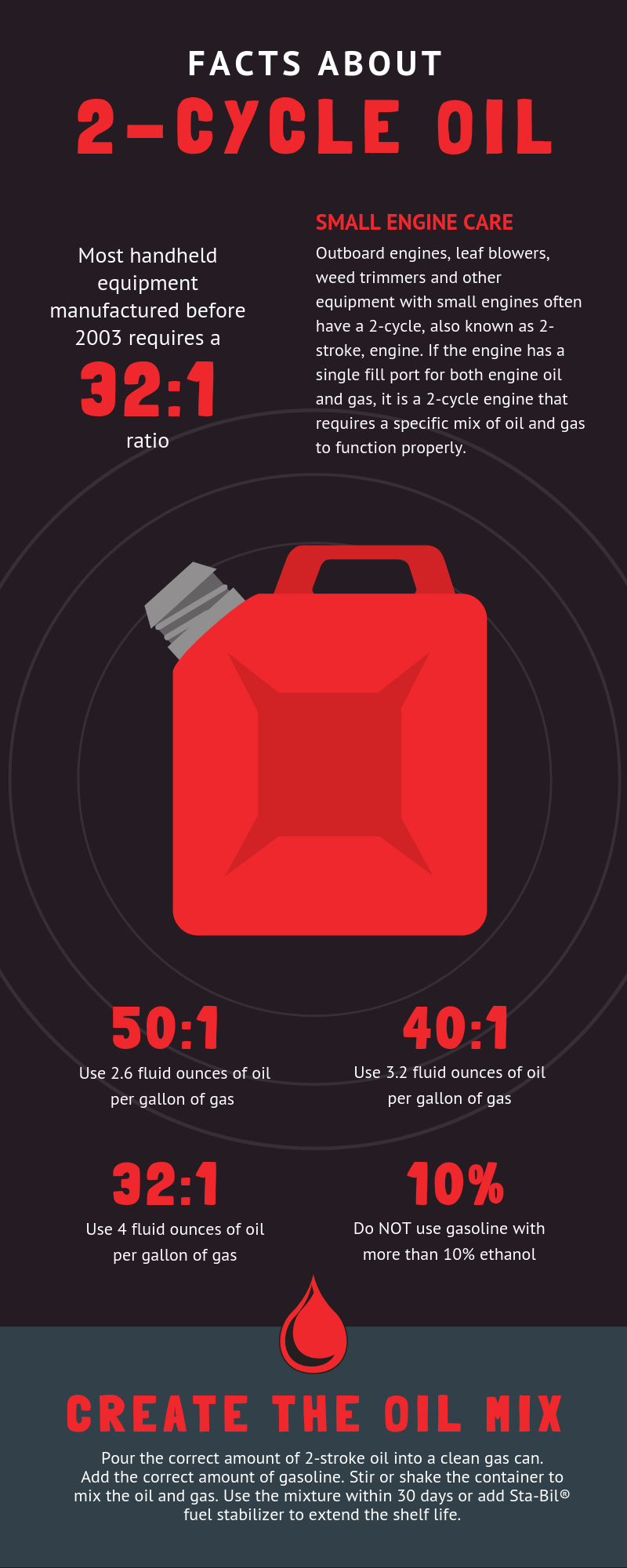
Manufacturers usually recommend one of these ratios:
- 50: 1 (50 parts gasoline to 1 part oil)
- 40: 1
- 32: 1
Always check your chainsaw’s manual for the recommended ratio. Using the wrong mix can void warranties and damage the engine. Some brands even print the ratio on the fuel cap or near the gas tank, so check your equipment for reminders before each mix.
What Do Ratios Mean?
A 50:1 ratio means you add 1 part oil to 50 parts gasoline. For example:
- For 1 gallon of gas, add 2.6 ounces of oil.
- For 1 liter of gas, add 20 milliliters of oil.
If your chainsaw is older, it may need a richer mix, such as 40:1 or 32:1, which means more oil per gallon or liter. Using a measuring cup with clear markings takes the guesswork out of this step.
Oil-to-gas Ratio Comparison Table
Here’s a handy table for the most common mixing ratios:
| Ratio | Oil per 1 Gallon Gas | Oil per 1 Liter Gas |
|---|---|---|
| 50:1 | 2.6 oz (77 ml) | 20 ml |
| 40:1 | 3.2 oz (95 ml) | 25 ml |
| 32:1 | 4.0 oz (118 ml) | 31 ml |
Many oil bottles include guides or markings to help you pour the exact amount, but double-check the math if you’re unsure. For people who use metric, remember that 1 US fluid ounce is about 29. 6 milliliters.
Why Ratios Matter
Using too much oil can cause:
- Excess smoke
- Carbon deposits
- Reduced power
Using too little oil can cause:
- Overheating
- Engine seizure
- Short engine life
Even a small mistake in measuring can have big results. For example, if you add double the oil, you might notice more smoke and smell from the exhaust, and the engine could bog down. If you forget the oil or add too little, the engine will run hotter, and you might hear strange noises or even see the chainsaw lock up.
Some chainsaw users try to “eyeball” the ratio, but this leads to inconsistent mixes and increases the risk of problems. A precise mix helps your chainsaw run at its best every time.
Always use the ratio your chainsaw manufacturer recommends.
Choosing The Right Oil And Gas
The quality of your oil and gas is just as important as the ratio.
Selecting Gasoline
- Use unleaded gasoline with at least 89 octane (mid-grade).
- Avoid ethanol blends higher than 10% (E10). Ethanol can damage small engines.
- Fresh gas is best—old gas can lose its power and cause starting problems.
If you have access to ethanol-free gasoline (sometimes labeled as “recreational fuel” or “marine fuel”), it’s a good choice for chainsaws, especially if you don’t use them daily. Ethanol attracts moisture, which can separate in the tank and cause engine issues.
Also, stale gas can thicken, leaving sticky residue that clogs carburetors and fuel lines.
Choosing Chainsaw Oil
- Use 2-stroke engine oil specifically made for air-cooled engines.
- Never use automotive motor oil—it’s not designed for chainsaw engines.
- Look for oil with low smoke and high lubricity.
High-quality oils often include additives to help the fuel burn more cleanly and protect the engine from wear. Some brands offer “synthetic” or “semi-synthetic” 2-stroke oils, which provide extra protection and create less smoke, making them a better choice for heavy users or those working in sensitive environments.
Oil Quality Comparison Table
| Type of Oil | Suitable For | Benefits | Drawbacks |
|---|---|---|---|
| 2-Stroke Chainsaw Oil | Air-cooled engines | Optimal lubrication, low smoke | Higher price |
| Automotive Oil | Car engines | Easy to find | Poor lubrication, high smoke, engine damage risk |
| Universal 2-Stroke Oil | General 2-stroke engines | Flexible use | May not meet chainsaw specs |
Oil Certification
Look for oil labeled JASO FD or ISO-L-EGD—these standards mean high-quality for chainsaw use. Oils with these certifications are tested for cleanliness, lubricity, and protection against deposits. Chainsaw brands often recommend certified oils to ensure consistent engine protection. Using uncertified or low-quality oil may save a little money short-term, but it can lead to expensive repairs later.
Step-by-step Guide: Mixing Chainsaw Oil And Gas
Mixing chainsaw oil and gas is easy if you follow the right steps. Here’s how to do it safely and accurately.
1. Gather Your Tools And Materials
- Approved gas can (clean, with a tight seal)
- Measuring cup or bottle (for oil)
- Chainsaw oil (2-stroke type)
- Fresh gasoline
Using a dedicated gas can for your chainsaw fuel helps prevent contamination from water, dirt, or leftover fuels. Some users keep separate cans for different ratios, especially if they own several machines.
2. Measure Gasoline
Pour the exact amount of gasoline into your gas can. Most chainsaw cans are 1 gallon or 5 liters.
If you’re mixing for several chainsaws or a full day’s work, use a larger container, but make sure to use accurate measurements to avoid errors.
3. Measure Oil
Use a measuring cup or the oil bottle’s scale. Measure the oil according to your chainsaw’s ratio.
Example: For 1 gallon at 50:1, add 2.6 oz (77 ml).
If you don’t have a measuring cup, many 2-stroke oil bottles have lines or notches indicating how much to use for different volumes. Always shake the oil bottle before pouring, as additives can settle at the bottom.
4. Add Oil To Gas Can
Pour the oil into the gas can. Always add oil to gasoline—not the other way around.
Adding oil first can cause it to stick to the bottom or sides of the can, making it harder to mix thoroughly. Pouring oil into gasoline helps it blend quickly and evenly.
5. Mix Thoroughly
Seal the can tightly. Shake it for 30–60 seconds. Proper mixing is key—oil and gas must be fully blended.
If your can is large or heavy, roll it on the ground to mix the contents. If you’re working in cold weather, give it a little more time, as oil thickens in low temperatures.
6. Fill Chainsaw Fuel Tank
Open your chainsaw’s fuel tank. Pour the mixed fuel slowly to avoid spills. Close the tank securely.
Wipe off any spilled fuel from the saw before starting. Even a small spill can catch fire if it drips onto a hot engine or muffler.
Practical Mixing Tips
- Mix only what you need for a few weeks—old mix can cause problems.
- Use clear containers for easy inspection.
- Store fuel in a cool, dry place away from sunlight.
If you work in areas with variable weather, consider splitting your fuel into smaller cans. This way, you don’t risk losing a whole batch if it goes bad. Also, always cap your containers immediately after mixing to prevent evaporation or contamination.
Mistakes To Avoid When Mixing Chainsaw Oil And Gas
Even experienced users make mistakes. Avoiding these errors will keep your chainsaw running well.
Common Mixing Mistakes
- Wrong ratio: Always check your manual.
- Using old gas: Fresh gas prevents engine problems.
- Poor mixing: Shake the container well.
- Wrong oil type: Only use oil made for chainsaws.
- Contaminated containers: Dirt and water can cause engine damage.
Another mistake is using leftover fuel from last season. Gasoline loses volatility over time, so old mix can make your chainsaw hard to start or cause it to run poorly. Some users try to “top off” with fresh gas, but this only dilutes stale fuel—it doesn’t fix it.
How Mistakes Affect Chainsaw Performance
Incorrect mixing can cause:
- Hard starting
- Engine knocking
- Loss of power
- Excess smoke
- Premature engine failure
A poorly mixed or contaminated fuel can also clog the carburetor, requiring cleaning or even a rebuild. This is especially common when water gets into the fuel, which leads to sputtering or sudden stalling. If your chainsaw suddenly loses power or won’t start, check your fuel mix first.
Non-obvious Insight
Many beginners think “more oil is safer. ” In reality, too much oil causes carbon build-up, fouled spark plugs, and more frequent maintenance. Always use the exact ratio.
Another point: if you accidentally use the wrong oil (like car motor oil), your chainsaw may run for a short time but can develop internal scoring or stuck piston rings after just a few uses. It’s not worth the risk.
How To Store Mixed Chainsaw Fuel
Proper storage keeps your fuel safe and your chainsaw ready to use.
Storage Guidelines
- Use approved containers—never store in open buckets.
- Keep containers in a cool, dry place.
- Store away from heat, flames, or direct sunlight.
- Label your containers with the mix ratio and date.
- Use mixed fuel within 30 days for best performance.
If you store fuel longer than a month, add a fuel stabilizer made for 2-stroke engines. This can extend shelf life to 2–3 months, but always check the stabilizer instructions. Some chainsaw owners find it helpful to keep a log or mark each container with a permanent marker, so they know exactly when the mix was made.
Storage Safety Table
| Storage Method | Safety Level | Recommended? |
|---|---|---|
| Approved Gas Can | High | Yes |
| Plastic Bottle | Low | No |
| Metal Can | Medium | Yes, if rust-free |
| Open Container | Very Low | No |
Practical Storage Tips
- Avoid freezing temperatures—oil can separate.
- Dispose of old fuel responsibly at recycling centers.
- Never mix new and old fuel; it reduces quality.
Another good practice is to store fuel cans off the floor, especially in sheds or garages where condensation can form. Place them on a shelf or pallet to avoid water contamination. If you notice a strange smell or cloudy appearance in your fuel, discard it safely.
Credit: www.goldeagle.com
Environmental And Safety Considerations
Mixing chainsaw fuel isn’t just about performance—it’s also about safety and the environment.
Environmental Protection
- Use biodegradable oils if possible.
- Avoid spills—oil and gas can pollute soil and water.
- Clean up any spills immediately.
A single drop of oil or gas can contaminate large amounts of groundwater, so always mix and pour fuel over a non-porous surface, like a concrete pad. If you spill, absorb it with sand or kitty litter and dispose of the waste at a hazardous waste facility.
Personal Safety
- Wear gloves when mixing fuel.
- Work in a well-ventilated area.
- Keep fuel away from children and pets.
Never smoke or use open flames near fuel. If you get fuel on your skin, wash it off immediately with soap and water. Breathing in gasoline fumes can cause dizziness or headaches, so always work outdoors or in open garages.
Chainsaw Safety
- Never refuel while the engine is hot or running.
- Wipe any spilled fuel before starting the saw.
- Store fuel and oil separately from tools and chainsaws.
It’s also smart to let your chainsaw cool for at least 5–10 minutes before opening the fuel cap to prevent pressure buildup and reduce fire risk.
Troubleshooting Chainsaw Fuel Problems
Even with the right mix, issues can happen. Here’s how to diagnose and fix common chainsaw fuel problems.
Hard Starting
- Check fuel mix age—old fuel can cause trouble.
- Inspect spark plug—excess oil can foul it.
- Clean air filter—dirty filters affect starting.
Sometimes, draining the old mix and replacing it with fresh fuel is all it takes to restore normal operation. If your saw still won’t start, check for blocked fuel lines or a stuck choke.
Excess Smoke
- Too much oil in the mix—double-check your ratio.
- Use low-smoke oil for cleaner burning.
Excessive smoke may also indicate the chainsaw is running too rich, meaning it’s getting too much fuel and not enough air. Adjust the carburetor if needed, but always start by checking the mix.
Loss Of Power
- Use the recommended ratio.
- Check for carbon deposits on the exhaust or spark plug.
If the saw seems sluggish or won’t rev fully, remove and inspect the spark plug. Black, oily deposits mean too much oil or poor combustion. Clean or replace the plug as needed.
Engine Seizure
- Not enough oil in the mix.
- Stop using the chainsaw and seek professional repair.
A seized engine often means costly repairs or even a total replacement. If you suspect this, don’t try to force the engine—take it to a service center.
Non-obvious Insight
Some problems come from ethanol in gasoline. Ethanol attracts moisture, which can cause corrosion and poor performance. If possible, use ethanol-free gas for small engines.
Another issue: fuel lines can become soft and deteriorate after repeated exposure to ethanol, causing leaks or poor fuel flow. Check hoses regularly and replace them if they feel sticky or swollen.

Credit: www.youtube.com
Mixing Chainsaw Fuel For Different Brands
Each chainsaw brand may recommend a specific oil-to-gas ratio. Here are guidelines for popular brands:
Stihl Chainsaws
- Most models recommend 50: 1.
- Use Stihl-branded oil for best results.
Stihl oils are formulated to work with their engines and may offer extra protection or reduce smoke.
Husqvarna Chainsaws
- Usually 50: 1, but older models may be 40:1.
- Use Husqvarna 2-stroke oil.
Husqvarna sometimes sells pre-mixed fuel, which is convenient for infrequent users.
Echo Chainsaws
- Common ratio is 50: 1.
- Echo Power Blend oil is suggested.
Echo’s oil is designed for clean burning and low smoke, making it a good choice for users in areas with air quality regulations.
Other Brands
Always check your manual. Using the brand’s recommended oil can help with warranty claims.
Some brands, especially in Europe or Asia, may suggest different ratios based on climate or engine type. Always follow the most up-to-date guidelines for your specific model.
Using Pre-mixed Fuel: Pros And Cons
Some Stores Sell Pre-mixed Chainsaw Fuel. Should You Use It?
Pros
- Consistent ratio
- Long shelf life
- Less mess
Pre-mixed fuels are made with high-quality, ethanol-free gas and synthetic oils. They’re especially helpful if you only use your chainsaw occasionally or don’t want to deal with measuring and mixing.
Cons
- Higher cost
- May not match your chainsaw brand’s specs
Pre-mixed fuel is convenient for occasional users. Regular users often mix their own to save money.
Another point: if you have multiple tools with different ratios, you’ll still need to mix your own for those. Pre-mixed fuels are ideal for emergency kits or as a backup.
The Science Behind 2-stroke Chainsaw Engines
Understanding how your chainsaw works helps you see why mixing oil and gas matters.
How 2-stroke Engines Operate
- The fuel-air-oil mixture enters the cylinder.
- Compression and ignition push the piston.
- Oil lubricates moving parts as fuel burns.
Every time the engine cycles, fresh mix enters the engine, lubricates it, then burns off, carrying away heat and debris.
Why Oil Must Be Mixed
Without oil, friction between piston and cylinder increases, causing heat and wear. The oil in the mix forms a thin film, preventing metal-to-metal contact.
The oil also helps seal the piston rings, creating better compression and smoother running. This is why 2-stroke engines sound sharper and rev faster than 4-strokes.
Engine Longevity Statistics
Studies show that chainsaws with correct oil-to-gas mix last up to 30% longer and require 50% fewer repairs than poorly mixed chainsaws.
This means fewer breakdowns, less money spent on parts, and more time working safely. Small investments in quality oil and careful measuring pay off over the life of your tool.
How To Mix Chainsaw Fuel For Extreme Conditions
Sometimes you need to adjust your mixture for special situations.
Cold Weather
- Oil can thicken—shake well and use recommended winter oils.
- Store fuel indoors if possible.
In freezing temperatures, some oils become sluggish and don’t mix as well. Choose oils marked “winter” or “all-season” to help your chainsaw start and run smoothly.
Hot Weather
- Gasoline evaporates faster—store in cool places.
- Check oil viscosity for high temperatures.
In very hot climates, fuel cans can build pressure or lose potency. If you notice the fuel smells sour or your chainsaw is harder to start, mix smaller batches more frequently.
High Altitude
- Engines run lean—sometimes a slightly richer oil mix helps, but always check your manual.
At high elevations, air is thinner, which can affect how fuel burns. Some chainsaw manufacturers advise a minor adjustment to the fuel mix or carburetor for best results.

Credit: canberradiamondblade.com.au
Tips For Beginners: Avoiding Common Pitfalls
Getting your chainsaw fuel mix right takes practice. Here are tips for new users:
- Always double-check your ratio before mixing.
- Use a measuring cup—don’t guess amounts.
- Label your fuel cans clearly.
- Ask experienced users for advice if unsure.
- Don’t use leftover fuel from last season—always mix fresh.
If you’re new to chainsaws, start with small batches until you’re confident in your process. It’s easier to correct a mistake with a quart or liter than with a full 5-gallon can.
Example: Mixing For A Stihl Chainsaw
If you have a Stihl chainsaw that needs a 50:1 ratio, and you want to mix 2 gallons:
- 2 gallons gas x 2.6 oz oil/gallon = 5.2 oz oil
- Pour 2 gallons gas into your can.
- Add 5.2 oz of Stihl oil.
- Shake well. You’re ready to go.
Use a funnel to avoid spills and always recap your oil bottles to prevent contamination.
Advanced Mixing: Using Digital Scales And Syringes
Some professionals use digital scales or syringes for precise measurement.
- Digital scales measure oil by weight, not volume.
- Syringes allow exact milliliter addition.
These tools are useful if you mix fuel for multiple machines or large quantities. For example, landscaping companies often prepare large batches and want to avoid even minor errors, since small mistakes add up over time.
A digital scale can also help if you’re using oils with different densities, which can make measuring by volume less accurate.
Geo-friendly Mixing: What To Know For Different Regions
Mixing chainsaw fuel is slightly different depending on where you live.
Us Vs Europe
- US gallons are 3.78 liters; UK gallons are 4.54 liters.
- Always check measurements and conversions.
If you buy oil or gas in different countries, double-check the container size and adjust your mix accordingly. Some European chainsaw oils are colored differently, so look for product guides if unsure.
Tropical Regions
- High humidity can affect fuel storage.
- Use airtight containers and mix smaller batches.
Humidity can cause condensation inside fuel cans, leading to water in the mix. If you notice water droplets in your fuel, discard it and make a fresh batch.
Rural Areas
- Gas stations may sell low-quality gas—ask for octane rating.
- Store fuel away from animals and children.
In some rural areas, gas may be stored longer or have higher ethanol content, so check before buying. If in doubt, buy small amounts more frequently.
Seo And Aeo Friendly Chainsaw Mixing Tips
To help your chainsaw mixing process be search engine optimized (SEO) and answer engine optimized (AEO), follow these steps:
- Use the exact ratio for your chainsaw brand.
- Use fresh, ethanol-free gasoline.
- Always use high-quality, certified chainsaw oil.
- Mix oil and gas in a clean, approved container.
- Shake thoroughly before use.
- Store fuel properly for safety and performance.
Following these steps helps you find the right information quickly and keeps your chainsaw running well.
Frequently Asked Questions
What Is The Best Oil-to-gas Ratio For A Chainsaw?
Most modern chainsaws use a 50:1 ratio (50 parts gas to 1 part oil). Always check your chainsaw’s manual for the recommended ratio. Using the wrong mix can cause engine problems.
Can I Use Regular Motor Oil In My Chainsaw?
No. Only use 2-stroke engine oil designed for air-cooled engines. Automotive motor oil does not provide proper lubrication and can damage your chainsaw.
How Long Can I Store Mixed Chainsaw Fuel?
Use mixed chainsaw fuel within 30 days. After that, the fuel can go stale, separate, or cause engine issues. Always store in approved containers and label with the date.
What Happens If I Use Too Much Oil In My Mix?
Too much oil causes excess smoke, carbon build-up, and fouled spark plugs. It can reduce engine power and make starting difficult. Always measure carefully and use the recommended ratio.
Where Can I Find Official Chainsaw Mixing Guidelines?
You can find official mixing ratios and guidelines in your chainsaw’s manual, or on manufacturer websites. For more information, visit Stihl USA.
Final Thoughts
Mixing chainsaw oil and gas correctly is more than just a routine task—it’s a key skill for anyone who uses a chainsaw. With the right ratio, high-quality ingredients, and careful mixing, you’ll protect your engine, improve performance, and stay safe.
Avoid common mistakes by measuring carefully, using proper containers, and storing fuel wisely. Whether you’re a beginner or a seasoned pro, mastering this process will keep your chainsaw running reliably for years to come. Always follow your manufacturer’s recommendations and never hesitate to ask for help if you’re unsure.
Your chainsaw—and your safety—depend on it.
The extra time you spend learning these steps pays off with smoother cutting, fewer breakdowns, and more confidence every time you start your saw. With regular practice, measuring, mixing, and pouring become second nature—letting you focus on the job, not the fuel.