
Winter can turn your driveway into a slippery, dangerous surface. Ice isn’t just annoying—it can cause falls, car accidents, and costly repairs. Many people think salting is the only solution, but there are smarter, safer ways to keep ice away.
Whether you live in a snowy region or just face occasional frosts, learning how to prevent ice on your driveway can make winter much easier and safer. This guide shares practical, proven tips to stop ice before it starts, protect your property, and keep your family safe.
By understanding your options and acting early, you’ll reduce risks and enjoy peace of mind all winter long.
Why Ice Forms On Driveways
To prevent ice, it’s helpful to know why it forms. Driveways are exposed to cold air, wind, and moisture. When temperatures drop below freezing, water from rain, snow, or dew freezes. Even shaded areas can stay icy longer because sunlight doesn’t reach them. If your driveway is sloped, water runs down and settles in low spots, making these areas especially prone to ice.
Concrete, asphalt, and gravel all react differently to cold. Concrete absorbs water and stays cold longer, while asphalt warms up faster when the sun shines. Gravel driveways have spaces that collect water, which can freeze unevenly. For example, if your driveway is concrete and faces north, it might stay icy much longer than a south-facing asphalt driveway.
Understanding your driveway’s material helps you choose the right prevention method.
Another non-obvious factor is humidity. On damp days, even a small drop in temperature can freeze thin layers of moisture on the driveway. Also, driveways close to large lawns or gardens may get extra moisture from runoff, making them more likely to freeze.
Recognizing these small details helps you spot problem areas early.
Essential Steps Before Winter Starts
Inspect Your Driveway
Check for cracks, holes, or uneven spots. These areas collect water, which freezes and expands, making the damage worse. Repairing cracks before winter stops ice from forming in them. Use a concrete patch or asphalt filler for quick repairs. Even small cracks can turn into larger potholes after a freeze-thaw cycle.
Don’t forget to check the edges of your driveway. Water often pools along the sides, so sealing or fixing these areas reduces hidden icy spots. If your driveway meets a sidewalk, inspect that joint carefully, as water can collect there too.
Improve Drainage
Water that sits on your driveway is more likely to freeze. Clean gutters and drains so water flows away. If your driveway has low spots, consider leveling them or adding drains. Sometimes, simply redirecting downspouts so they don’t empty onto the driveway can make a big difference.
Think about how water moves on your property during heavy rain. If you notice puddles that don’t drain quickly, that’s a warning sign for winter. Gravel driveways may benefit from adding extra gravel to fill ruts or dips.
Apply Sealant
A driveway sealant fills small cracks and creates a water-resistant barrier. This reduces the amount of water that can seep in and freeze. Most sealants are easy to apply with a roller or squeegee, and they dry within a day.
Sealants also protect against road salts, oil stains, and other chemicals. For best results, choose a sealant recommended for your driveway material and follow the manufacturer’s instructions.
Trim Overhanging Trees
Branches can block the sun and drop leaves, creating damp, shaded spots that stay icy. Trimming trees lets sunlight reach your driveway and helps melt ice. Removing fallen leaves and debris also prevents them from holding moisture against the surface.
Be sure to cut back branches that hang low over the driveway. Even in winter, a little extra sunlight can speed up melting and reduce how long ice sticks around.
Choosing The Best Ice Prevention Methods
Not every method works for every driveway. Here’s how the main options compare:
| Method | Effectiveness | Cost | Safety |
|---|---|---|---|
| Rock Salt | Moderate | Low | Can harm plants/pets |
| Sand | Low | Low | Safe for environment |
| Heated Mats | High | High | Safe, but pricey |
| Liquid De-icers | High | Medium | Some are eco-friendly |
| Shoveling | High | Low | Labor intensive |
| Snow Melting Systems | Very High | Very High | Safe, permanent |
Choosing the right method depends on your climate, budget, and environmental concerns. For example, if you have pets, you may want to avoid rock salt. If your area gets heavy snow, a snow melting system or heated mats may be worth the investment.
Consider mixing methods—like shoveling first and then applying sand or a liquid de-icer—for better results.
Using Rock Salt Wisely
Rock salt is the most common ice prevention material. It lowers the freezing point of water, so ice melts. But salt can damage concrete, kill plants, and harm pets’ paws.
- Use salt sparingly, only on icy spots.
- Sweep up extra salt after the ice melts.
- Try “pet-safe” salts made from magnesium chloride or calcium chloride.
Pro tip: Salt works best before ice forms. Apply it when snow starts or when temperatures are dropping.
A common mistake is dumping large amounts of salt in one area. This doesn’t speed up melting and just increases damage. Instead, spread a thin, even layer. If you use a salt spreader, check its calibration to avoid waste. After winter, thoroughly wash your driveway to remove any leftover salt, especially if you have nearby lawns or gardens.
Eco-friendly Alternatives To Salt
Salt isn’t always the best choice, especially for those worried about the environment. Here are safer ways to prevent ice:
- Sand: Sand doesn’t melt ice, but it adds traction. Spread it on icy patches for safer walking and driving.
- Kitty Litter: Like sand, it increases grip but doesn’t melt ice. Avoid scented or clumping types, which can be messy.
- Coffee Grounds: Used grounds are gritty and eco-friendly. They provide traction and help melt ice thanks to their dark color absorbing sunlight.
- Sugar Beet Juice: This liquid de-icer is safe for plants and pets. It works by lowering the freezing point of water. Some cities now spray this on roads instead of salt.
- Alfalfa Meal: A natural fertilizer, it helps melt ice and provides grip.
These alternatives are especially good for homes with pets and gardens.
One non-obvious tip: Coffee grounds and beet juice can stain light-colored driveways. Test a small area first if you care about appearance. Also, with sand and kitty litter, sweep up excess after the ice melts to keep drains clear and prevent tracking grit into your home.
Heated Driveway Mats: A Modern Solution
Heated mats are rolled out over your driveway before a storm. When plugged in, they warm up, melting snow and ice as it falls. They’re reusable, energy-efficient, and easy to store.
Benefits
- Fast setup and removal.
- No chemicals needed.
- Safe for pets and plants.
Downsides
- Mats can be expensive.
- Only cover specific areas, not the whole driveway.
If you live in an area with frequent snow and ice, heated mats can save time and reduce accidents.
For best results, place mats in high-traffic zones or steep sections where slipping is most likely. Some mats are designed for walkways and steps as well. Look for models with built-in sensors that turn on automatically when snow or ice is detected, saving energy and effort.
Installing Permanent Snow Melting Systems
Some homeowners install snow melting systems under their driveways. These systems use electric cables or hydronic tubes to heat the surface, melting snow and ice automatically.
| System Type | Installation Cost | Operation Cost | Coverage |
|---|---|---|---|
| Electric | $8–$20 per sq ft | Medium | Full driveway |
| Hydronic | $12–$25 per sq ft | Low | Full driveway |
Advantages
- No manual work required.
- Reduces slip and fall accidents.
- Increases property value.
Considerations
- High upfront cost.
- May require professional installation.
- Works best for new driveways or major renovations.
If you’re building a new home or planning to replace your driveway, adding a snow melting system can be a smart investment. It’s especially useful for those with limited mobility or large driveways. As an extra tip, ask your installer about energy-saving features like automatic shutoff or programmable timers.
Liquid De-icers: Fast And Effective
Liquid de-icers are sprayed on driveways before snow or ice forms. They act quickly and are less damaging than rock salt. Common types include calcium magnesium acetate and potassium acetate.
How To Use
- Apply with a garden sprayer before a storm.
- Reapply after heavy snow or rain.
Pros
- Less harm to concrete and plants.
- Works at lower temperatures than salt.
Cons
- Can be more expensive.
- Needs careful storage.
A little goes a long way with liquid de-icers. Don’t overspray—follow label instructions for coverage. Store leftover product in a cool, dry place away from children and pets. Some newer products are even biodegradable, making them safer for the environment.
Manual Snow Removal
Shoveling or using a snow blower is one of the oldest and most reliable ways to prevent ice. Removing snow before it melts and refreezes stops ice from forming.
Tips For Safe Shoveling
- Use a shovel with a curved blade for easier lifting.
- Shovel as soon as snow stops falling.
- Push snow off the driveway, don’t lift heavy loads.
- Dress warmly and take breaks.
Common mistake: Waiting too long. Snow that melts and refreezes is much harder to remove.
For large driveways, consider using a snow blower. Some models have heated handles and adjustable chutes for comfort. Even if you use other ice prevention methods, clearing snow quickly is your first line of defense.
Applying Preventative Treatments
Preventing ice is easier than removing it. Apply treatments before winter starts or before storms.
Types Of Treatments
- Sealants: Protect concrete and asphalt from water.
- Anti-icing sprays: Make it harder for ice to stick.
- Pre-mixed liquid de-icers: Spray before snow falls.
Application Tips
- Clean driveway first.
- Use a sprayer for even coverage.
- Treat high-risk areas like slopes and shaded spots.
Some products need dry surfaces to work best, so apply them during a clear weather window. Reapply after heavy rain or when you notice the treatment has worn off, especially in high-traffic zones.
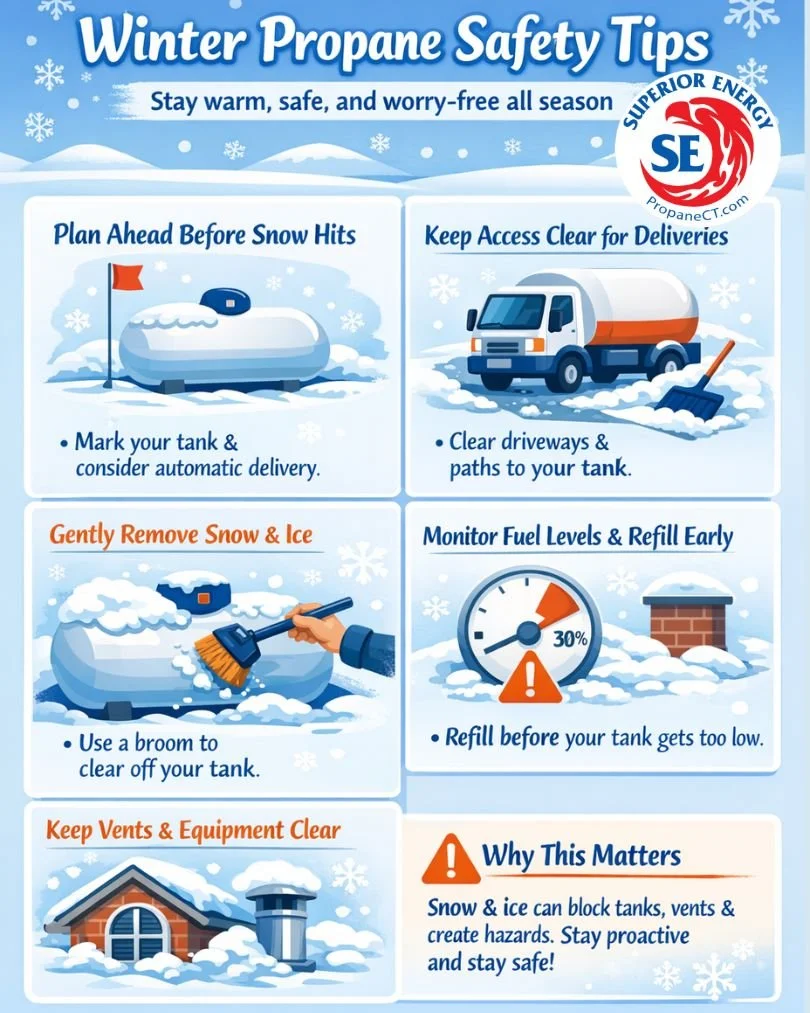
Credit: propanect.com
Improving Traction And Safety
Even with the best prevention, some ice may form. Improving traction helps prevent slips and falls.
- Rubber mats: Place at entryways and steep sections.
- Traction strips: Stick to icy patches for extra grip.
- Outdoor carpets: Use on steps or walkways.
If you have elderly family members or visitors, consider installing handrails along walkways and steps for extra security. Brightly colored mats or carpets can also help people spot icy areas more easily.
Drainage Solutions For Ice Prevention
Water is the main cause of ice. Improving drainage helps keep your driveway dry.
Steps To Improve Drainage
- Install French drains along the sides to redirect water.
- Slope your driveway away from the house.
- Clean gutters and downspouts regularly.
- Fill low spots with gravel or asphalt.
Example
A homeowner in Minnesota installed French drains after repeated icing. Water now flows away, and ice rarely forms.
Don’t overlook the connection between your roof and driveway. Direct downspouts far from driving or walking surfaces to prevent surprise ice patches. If you notice standing water after a storm, address it before temperatures drop.
Weather Forecast Monitoring
Knowing when snow or ice is coming lets you act early.
- Use smartphone apps for local weather alerts.
- Set up notifications for freezing temperatures.
- Treat driveway before storms hit.
Pro insight: Applying treatments before a storm is much more effective than after ice has formed.
Some advanced weather stations can measure ground temperature, not just air temperature. This can give you a heads-up about when to apply treatments, especially during borderline weather.
Common Ice Prevention Mistakes
- Using too much salt: Excess salt damages driveways and plants.
- Ignoring cracks: Water seeps in and freezes, making cracks worse.
- Waiting to shovel: Snow that melts and refreezes becomes thick ice.
- Skipping drainage checks: Poor drainage creates hidden icy spots.
- Applying treatments too late: Prevention works best before ice forms.
Another mistake is not checking your tools. Make sure your shovel, blower, and spreaders are in good shape before winter starts. Also, avoid stacking snow at the end of your driveway, which can melt and refreeze as a solid ice block.
Driveway Material Comparison For Ice Prevention
Different driveway materials react to ice and treatments in unique ways. Here’s a comparison:
| Material | Ice Risk | Best Prevention | Notes |
|---|---|---|---|
| Concrete | High | Sealant, salt alternatives | Prone to cracking |
| Asphalt | Medium | Liquid de-icers, sand | Warms faster |
| Gravel | Low | Sand, manual removal | Uneven surface |
| Pavers | Medium | Heated mats, sand | Spaces can trap water |
For paver driveways, watch out for weeds or moss between the stones. These can hold moisture and freeze, making the surface slippery. Sealing pavers can help reduce this risk.
Regional Considerations For Ice Prevention
Where you live affects the best prevention strategies.
Northern States
- Frequent snow and cold.
- Snow melting systems and heated mats are ideal.
- Use high-performance liquid de-icers.
Midwest
- Temperature swings cause melting and refreezing.
- Focus on drainage and fast snow removal.
Southern States
- Occasional frost and ice.
- Use sand and eco-friendly treatments.
Mountain Regions
- Heavy snow and shade.
- Shovel often and use traction aids.
Non-obvious tip: In areas with lots of sun, dark treatments (like coffee grounds) help melt ice faster by absorbing heat. Also, in regions with strong winds, snow can drift and pile up in some areas, creating unexpected ice patches. Placing snow fences or windbreaks can help control where snow lands.
Preventing Ice On Sloped Driveways
Sloped driveways are extra risky. Water runs down and freezes at the bottom.
Tips
- Install drains at the base.
- Use heated mats or snow melting cables.
- Apply sand or gravel for traction.
- Treat with anti-icing sprays.
Be proactive with sloped driveways: treat the base and mid-slope areas first, as these are the most dangerous when frozen. For steep slopes, consider adding textured surfaces or rough-finish concrete to improve grip year-round.
Protecting Pets And Plants
Many ice prevention materials can harm pets and plants.
- Choose “pet-safe” salts.
- Avoid salt near flower beds or lawns.
- Use sand, beet juice, or alfalfa meal for safer options.
- Rinse paws after walks.
Pro tip: Cover plants near the driveway with plastic sheeting during winter storms.
If you have sensitive plants near your driveway, build small barriers with landscape fabric or boards to shield them from splash and salt. Always read labels on de-icing products to check for pet and plant safety.
Emergency Ice Removal
Sometimes ice forms unexpectedly. Here’s what to do quickly:
- Pour warm (not hot) water and then add sand. Hot water can crack concrete.
- Scrape ice with a metal shovel for thick patches.
- Use liquid de-icers for stubborn ice.
Mistake to avoid: Using boiling water. It can damage driveway surfaces and create more slippery spots.
If you need fast traction, sprinkle sand or kitty litter immediately after breaking up ice. For extra safety, keep a small supply of sand or de-icer in your garage or car trunk for emergencies.
Long-term Prevention Strategies
Preventing ice isn’t just a winter job. Year-round maintenance helps.
- Seal driveway every 2–3 years.
- Check drainage each spring and fall.
- Keep trees trimmed for sunlight.
- Upgrade to snow melting systems during renovations.
Another long-term strategy: consider replacing old, damaged driveways with materials better suited for your climate. Investing in good drainage and surface quality pays off for years.
Smart Tools For Ice Prevention
Modern tools make ice prevention easier.
- Weather sensors: Alert you when temperatures drop.
- Automatic de-icer sprayers: Treat your driveway on a schedule.
- Heated snow shovels: Melt ice as you clear snow.
Some newer systems connect to your phone, so you can monitor and control treatments remotely. This is especially useful if you travel often or manage multiple properties.
Cost Comparison: Ice Prevention Methods
Here’s a quick look at typical costs per winter season:
| Method | Average Cost |
|---|---|
| Rock Salt | $40–$100 |
| Sand | $20–$60 |
| Heated Mats | $200–$1,000 |
| Snow Melting System | $2,000–$8,000 (install), $200–$600 (operate) |
| Liquid De-icers | $70–$200 |
| Manual Shoveling | Minimal (time only) |
Remember, the best method is often a mix. Spending a little more upfront on prevention can save you money on repairs, injuries, or emergency services later.
Preventing Ice On Walkways And Steps
Don’t forget walkways and steps—they’re often more slippery than driveways.
- Use heated mats or carpets.
- Apply sand for traction.
- Install handrails for safety.
- Treat with liquid de-icers.
For extra safety, add non-slip tape or textured paint to outdoor steps. Check walkways daily in winter, as they often freeze faster than larger areas.
Real-life Example: Suburban Ice Prevention
A family in Chicago faced icy driveways every winter. They installed a hydronic snow melting system, repaired cracks, and switched to beet juice instead of salt. Their driveway stayed ice-free, plants survived, and accidents stopped. This shows that combining methods works best.
Another example: An elderly couple in Vermont used heated mats on their walkway and sand on the driveway. They also set up weather alerts. For the first time in years, they had no winter falls or driveway damage.

Credit: rentercenter.net
Safety Tips For Homeowners
Keeping your driveway ice-free protects you, your family, and visitors.
- Wear boots with good grip.
- Keep a bucket of sand or eco-friendly de-icer by the door.
- Add outdoor lighting to spot icy patches at night.
- Check driveways after storms for hidden ice.
Bonus insight: Many homeowners forget about lighting. Proper lighting can reveal icy spots and prevent falls.
Place solar-powered lights along the edges of your driveway and walkways. Not only do they improve safety, but they also make your home look more welcoming during dark winter evenings.
Preparing For Winter: Action Plan
Here’s a simple plan to follow before winter:
- Inspect and repair driveway cracks.
- Clean gutters and drains.
- Apply sealant if needed.
- Stock up on salt, sand, or eco-friendly treatments.
- Set up weather alerts on your phone.
- Trim trees and bushes.
- Test snow shovels and blowers.
- Install mats or traction aids if you have steep sections.
Taking these steps in fall saves stress when the first snow arrives. Mark high-risk areas with flags or reflectors so you can find them even when covered in snow.
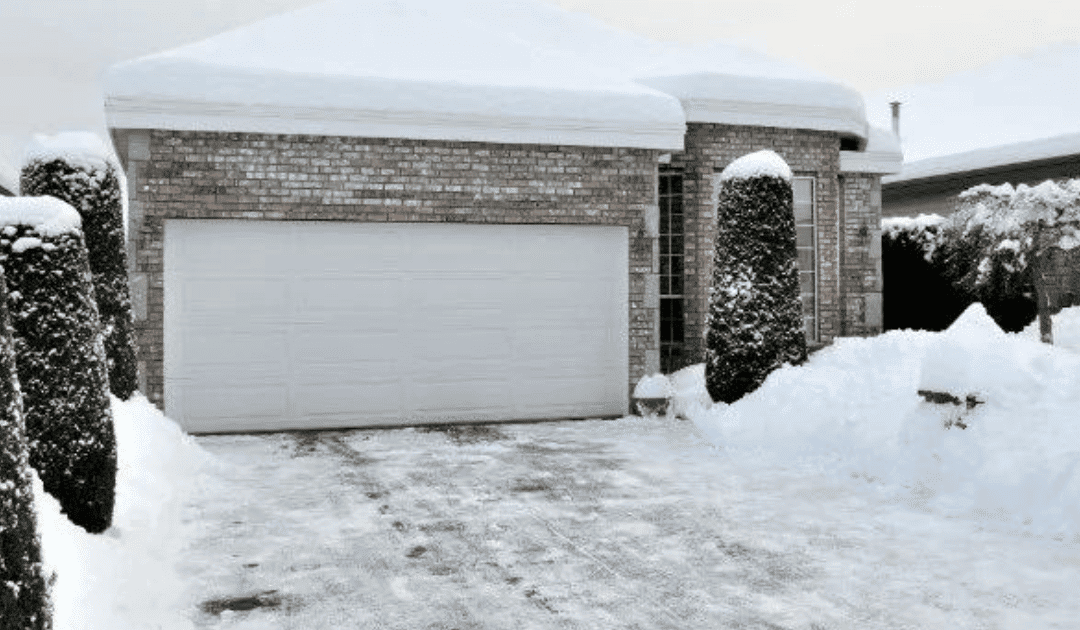
Credit: behappyps.com
Ice Prevention For Rental Properties
Landlords and property managers must keep driveways safe for tenants.
- Treat driveways before storms.
- Use pet-safe products for families with animals.
- Provide sand buckets for tenants.
- Hire snow removal services if needed.
- Inspect driveways regularly for cracks and ice.
Clear communication is key. Let tenants know which products to use and where to find sand or de-icers. Regular reminders can prevent accidents and reduce liability.
Local Regulations And Environmental Impact
Some cities restrict salt use due to environmental concerns. Check your local rules before applying salt or chemicals.
- Use eco-friendly products where possible.
- Avoid washing salt into drains.
- Dispose of extra sand and salt properly.
For more details on regulations and environmental impacts, visit EPA Road Salt Environmental Impacts.
Some areas offer free sand or eco-friendly de-icers to residents—ask your local public works department for resources.
Frequently Asked Questions
How Can I Prevent Ice If I Don’t Want To Use Chemicals?
Try sand, coffee grounds, or heated mats. These methods increase traction and melt ice without harming plants or pets. You can also focus on regular shoveling and improving drainage to keep water away.
Is It Safe To Use Salt On All Driveway Types?
Salt can damage concrete and kill plants. Use it sparingly, and consider pet-safe or eco-friendly alternatives for sensitive areas. For new driveways, talk to your installer about salt-resistant materials.
What’s The Best Way To Keep A Sloped Driveway Ice-free?
Combine drainage improvements, heated mats, and sand or anti-icing sprays. Treat the base of the slope, where water collects. If possible, add texture to the surface during resurfacing.
How Often Should I Apply Sealant To My Driveway?
Apply sealant every 2–3 years for concrete and asphalt driveways. This keeps water out and helps prevent ice formation. Inspect yearly for signs of wear.
What Should I Do If Ice Forms Overnight?
Scrape off ice with a shovel, add sand for traction, and use a safe liquid de-icer if needed. Avoid using boiling water to melt ice. If you’re in a hurry, heated mats can also help loosen the ice for quicker removal.
Winter doesn’t have to mean slippery driveways. With the right mix of prevention, preparation, and smart tools, you can keep your driveway safe and clear. Choose methods that fit your needs, climate, and budget. Remember—prevention is always easier than removal, and a little effort now can save you a lot of trouble later.
Stay proactive, and winter will be much less stressful for you and your family.