
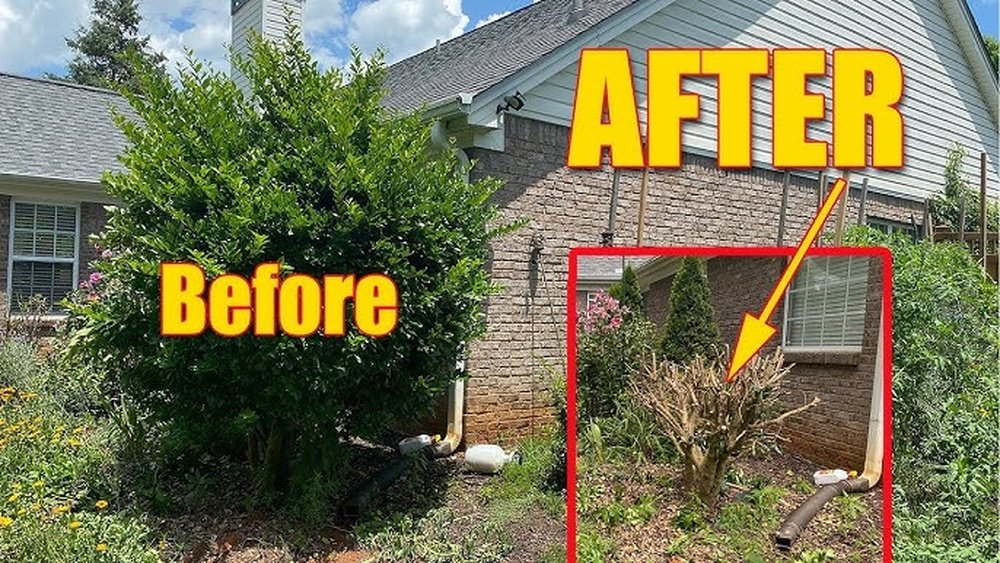
Few things can transform a yard as quickly as giving overgrown shrubs a proper pruning. Many homeowners feel nervous about cutting back their shrubs, afraid they might harm the plant or ruin its shape. But with some basic knowledge and the right technique, you can prune even the most unruly bushes to restore beauty, promote healthy growth, and improve your home’s curb appeal.
Whether you are caring for boxwoods, hydrangeas, lilacs, or evergreen hollies, understanding the art and science of pruning is key.
Pruning overgrown shrubs is not just about looks. It helps the plant stay healthy by removing old or diseased branches, increases air flow, and allows sunlight to reach inner leaves. This process also encourages new growth and can even increase flowering in many species.
If you have ever wondered when and how to prune, or if you worry about making a mistake, this guide will walk you through every step. By the end, you’ll know how to use the right tools, choose the best time, and apply proven techniques to keep your landscape thriving.
Why Proper Shrub Pruning Matters
Pruning is more than just trimming for beauty. When you prune shrubs correctly, you:
- Encourage healthy growth by letting sunlight and air reach inner branches.
- Prevent disease by removing dead or infected wood.
- Shape your landscape for better curb appeal and plant structure.
- Promote more flowers or fruit in species like roses or forsythia.
Studies show that well-pruned shrubs live longer and suffer less from pests and diseases. According to the University of Florida IFAS Extension, regular pruning is essential for maintaining both the aesthetic and biological health of landscape plants.
Non-obvious Benefits
Many beginners overlook two key points:
- Pruning can reduce long-term maintenance. By removing weak or crossing branches early, you prevent bigger issues later.
- Cutting back hard does not always harm the plant. Many overgrown shrubs respond well to “rejuvenation pruning,” where you cut back most of the growth. The plant may look sparse at first but will recover with fresh, vigorous shoots.
Understanding Your Shrub: Know Before You Cut
Not all shrubs are the same. Pruning methods and timing depend on the type of plant and its natural growth habit. Before you grab the shears, take a moment to identify your shrub.
Common Shrub Types
- Deciduous shrubs: Lose leaves in winter (e.g., lilac, forsythia, hydrangea).
- Evergreen shrubs: Keep leaves all year (e.g., boxwood, holly, azalea).
- Flowering shrubs: May bloom on new wood (growth from this year) or old wood (last year’s growth).
Why It Matters
- Flower timing: Pruning at the wrong time can remove flower buds. For example, hydrangeas that bloom on old wood must be pruned right after flowering.
- Growth habit: Some shrubs respond best to hard cuts, while others need gentle shaping.
How To Identify Your Shrub
If you’re unsure, look for:
- Leaf shape and arrangement
- Bark texture
- Flower color and timing
You can check gardening apps or local nursery guides to help with identification.

Credit: snowdropfarm.com
When Is The Best Time To Prune Overgrown Shrubs?
Timing can make or break your pruning efforts. Here’s how to choose the right time based on shrub type:
General Rules
- Spring-flowering shrubs: Prune just after they finish blooming (usually late spring to early summer). Examples: lilac, forsythia, viburnum.
- Summer-flowering shrubs: Prune in late winter or early spring, before new growth starts. Examples: butterfly bush, rose of Sharon.
- Evergreens: Prune in late winter or early spring. Avoid heavy pruning in late summer or fall.
Why Timing Is Important
Cutting at the wrong time can:
- Remove flower buds for the next season
- Stress the plant before winter
- Lead to weak or spindly regrowth
Regional Factors
If you live in a cold climate, late winter pruning is safer. In mild regions, you have more flexibility. Always avoid pruning during drought or extreme heat, as it stresses the plant.
Essential Tools For Shrub Pruning
Using the right tools makes the job easier and safer for both you and the plant. Here are the basics:
| Tool | Best For | Care Tips |
|---|---|---|
| Hand pruners (secateurs) | Small branches up to 1/2 inch thick | Keep blades sharp and clean after use |
| Loppers | Branches 1/2 to 1.5 inches thick | Oil moving parts and check for rust |
| Pruning saw | Thicker branches | Clean blade with alcohol between cuts |
| Gloves & safety glasses | Personal protection | Choose durable materials |
Pro Tips
- Disinfect tools between plants to avoid spreading disease.
- Choose bypass pruners (which cut like scissors) instead of anvil pruners for most jobs; they make cleaner cuts.
Step-by-step: How To Prune Overgrown Shrubs
Pruning overgrown shrubs is a process, not a single cut. Follow these steps for the best results.
1. Assess The Shrub
Walk around the plant. Look for:
- Dead, damaged, or diseased branches
- Crossing or rubbing limbs
- Areas where growth is too dense
This step helps you plan your cuts and avoid over-pruning.
2. Remove Dead, Diseased, Or Damaged Wood
Always start by cutting out any dead, diseased, or broken branches. Cut back to healthy wood, just above a bud or branch junction.
Why: Removing these branches first makes it easier to see the shrub’s structure and prevents disease from spreading.
3. Thin Out Dense Areas
Identify areas where branches are packed together. Remove some inside branches to allow light and air into the center. Cut at the base or just above a healthy outward-facing bud.
Tip: Focus on removing a few big branches rather than many small twigs. This encourages natural growth and a more open shape.
4. Cut Back The Oldest Stems
For very overgrown shrubs, cut one-third of the oldest stems all the way to the ground each year for three years. This is called renewal pruning.
Example: If a lilac bush is full of thick, woody stems, cut the oldest ones at ground level. Leave younger, thinner stems to grow and flower.
5. Shape The Shrub
Now, step back and shape the plant. For natural-looking shrubs, follow their natural outline. For formal hedges, keep the top narrower than the base so sunlight reaches all parts.
Key point: Avoid cutting all growth at once. Remove up to one-third of the total growth in a single year.
6. Clean Up
Remove all cut branches and leaves from around the plant. This reduces the risk of pests and diseases.
Special Techniques For Different Shrub Types
Some shrubs need special attention. Here’s how to handle a few common examples:
Deciduous Flowering Shrubs
- Hydrangeas: Some bloom on old wood, some on new. Check your variety before cutting. For old wood types, prune right after flowers fade.
- Forsythia: Prune after flowering by removing oldest stems at the base.
- Rose of Sharon: Prune in late winter or early spring.
Evergreens
- Boxwood: Use hand shears for light shaping. Avoid cutting into old, bare wood.
- Holly: Remove crossing branches and thin out dense areas in late winter.
Rejuvenation Pruning
For very old or neglected shrubs, you can cut all stems to about 6–12 inches from the ground in early spring. This works well for forsythia, spirea, and weigela. The plant may look bare for one season but will regrow with healthy shoots.
Common Mistakes To Avoid
- Cutting in the wrong season: Can remove flower buds or stress the plant.
- Over-pruning: Weakens the shrub and makes it more vulnerable to disease.
- Topping: Never cut across the top of a shrub indiscriminately. This leads to ugly, weak growth.
- Leaving stubs: Always cut just above a bud or branch junction, not in the middle of a stem.
How Much To Cut: Finding The Right Balance
A common question is how much you can cut without harming the shrub. Here’s a guide:
| Shrub Type | Safe Amount to Remove (Per Year) | Special Notes |
|---|---|---|
| Most shrubs | Up to one-third of total growth | Best for yearly maintenance |
| Neglected/old shrubs | One-third of oldest stems each year, for three years | Rejuvenation method |
| Fast growers (forsythia, spirea) | Can be cut nearly to the ground | Will regrow quickly |
Tip: If in doubt, cut less. You can always prune more next year.
Geographic Considerations: Climate And Local Conditions
Where you live affects how and when you prune. Here’s how to adjust your approach:
Cold Climates
- Prune in late winter or very early spring, before new growth starts.
- Avoid late-summer cuts, as new growth may not survive the winter.
Warm Climates
- More flexibility with timing, but avoid pruning during very hot, dry periods.
- Watch for rapid regrowth, which may need more frequent light pruning.
Humid Areas
- Focus on thinning to improve air flow and reduce fungal diseases.
Pro insight: Local pests and diseases may influence your pruning schedule. Check with your local extension office for guidance.
How To Prune Large, Mature Shrubs
Dealing with large, overgrown shrubs can be intimidating. Here’s how to handle them safely and effectively:
- Start with the oldest branches. Use loppers or a pruning saw to remove thick, woody stems at the base.
- Thin for light and air. Remove some inner branches to open the center.
- Work over several years. For very old or valuable shrubs, spread pruning over two or three seasons to avoid shocking the plant.
- Monitor regrowth. Watch how the shrub responds and adjust your pruning plan each year.
Safety tip: For tall shrubs, use a sturdy step ladder and never overreach. Wear gloves and eye protection.
Aftercare: Helping Shrubs Recover
Pruning can be a shock, especially for overgrown shrubs. To help your plants recover:
- Water deeply after pruning, especially if the weather is dry.
- Mulch around the base with 2–3 inches of organic mulch (like wood chips or bark).
- Fertilize lightly in spring with a balanced fertilizer if the plant looks weak.
- Watch for pests or disease. Pruned shrubs are vulnerable to infection. Remove any leaves or branches that show signs of trouble.
Non-obvious tip: Avoid heavy feeding or watering immediately after hard pruning. Let the plant recover naturally, then resume regular care as you see new growth.

Credit: yardandgarden.extension.iastate.edu
Common Pruning Problems And How To Fix Them
Even with the best intentions, mistakes happen. Here’s how to handle common issues:
1. Over-pruning
If you removed too much, don’t panic. Most shrubs can recover with time. Water regularly, avoid fertilizing heavily, and let the plant regrow.
2. Uneven Shape
If your shrub looks lopsided, wait for new growth, then prune lightly to even out the shape next season.
3. Few Or No Flowers
This usually means you pruned at the wrong time and removed flower buds. Note the plant’s blooming schedule and adjust for next year.
4. Disease After Pruning
Disinfect your tools before each cut. If you see blackened stems or leaves, remove affected areas and dispose of them (do not compost).
5. Weak Or Spindly Regrowth
Thin out some of the new shoots next spring to encourage stronger growth.
Eco-friendly And Sustainable Pruning
Pruning can be part of a sustainable garden routine. Here’s how to be more eco-friendly:
- Compost healthy clippings or use them as mulch.
- Avoid heavy pruning during bird nesting season (spring).
- Choose manual tools instead of power trimmers to reduce noise and emissions.
- Use natural, organic mulch to support soil life.
Expert tip: Leave some old stems on native shrubs as habitat for pollinators and beneficial insects.
Pruning For Curb Appeal And Property Value
A well-maintained landscape can increase property value by up to 10%. Pruned shrubs frame your home, highlight features, and create welcoming paths. Here’s how to maximize curb appeal:
- Shape shrubs to complement your home’s architecture.
- Keep walkways and entryways clear.
- Use flowering shrubs for seasonal color.
- Avoid “meatball” shapes—natural forms look more appealing and are easier to maintain.
Case study: In a survey by the National Association of Realtors, 74% of real estate agents said landscaping improvements, including shrub care, helped homes sell faster.
How Pruning Shrubs Supports Local Wildlife
Pruning does more than help your plants. It also benefits local birds, insects, and other wildlife. Thinning dense shrubs allows birds to nest inside, while removing diseased wood keeps the plant healthy for pollinators. Some shrubs, like viburnum and holly, produce berries eaten by birds—proper pruning means more flowers and more fruit.
Eco insight: If you spot a bird’s nest, delay major pruning until the young have left.
Top Myths About Pruning Overgrown Shrubs
Gardeners often hear advice that isn’t quite right. Let’s bust a few myths:
- Myth: “Pruning always harms the plant.” Truth: Most shrubs benefit from regular pruning.
- Myth: “You must prune at the same time every year.” Truth: Timing depends on the plant’s type and blooming cycle.
- Myth: “All pruning is the same.” Truth: Techniques differ for evergreens, flowering shrubs, and old or young plants.
For more on pruning myths, see the Wikipedia entry on pruning.
Tools Vs. Techniques: What Matters More?
Both are important, but technique is key. A sharp, clean cut helps the plant heal quickly, while poor technique can cause lasting damage—even with expensive tools. Practice makes perfect: start with small cuts, learn how your shrub responds, and adjust each year.
Shrub Pruning Calendar: Sample Schedule
Here’s a quick reference for when to prune common shrubs:
| Shrub | Best Pruning Time | Notes |
|---|---|---|
| Forsythia | Just after flowering | Remove old canes at base |
| Hydrangea (old wood) | After flowering | Don’t prune in spring |
| Rose of Sharon | Late winter/early spring | Blooms on new wood |
| Boxwood | Late winter or after new growth | Avoid cutting into old wood |
| Spirea | Early spring (hard cut) or after flowering (light cut) | Fast regrowth |
Frequently Asked Questions
What Happens If I Prune Shrubs At The Wrong Time?
Cutting at the wrong time can remove next season’s flower buds, reduce blooms, or stress the plant. Most shrubs recover, but you may lose flowers for one year. Always check your shrub type and bloom time before pruning.
How Do I Know If A Branch Is Dead Or Alive?
Scratch the bark gently with your fingernail. If it’s green and moist underneath, it’s alive. If it’s brown and dry, it’s dead and should be removed.
Can I Save A Shrub That Has Been Over-pruned?
In most cases, yes. Water well, avoid heavy fertilizing, and let the plant recover for a season. Most healthy shrubs will send out new shoots from the base or remaining stems.
How Often Should I Prune My Shrubs?
Most shrubs benefit from yearly pruning. Fast-growing types may need more frequent shaping, while slow growers can be pruned every other year. Monitor your plants and adjust as needed.
What’s The Difference Between Pruning And Shearing?
Pruning removes specific branches to improve health and shape, while shearing cuts the outer layer for a formal look (like a hedge). Pruning is healthier for most shrubs, as shearing can lead to dense, weak growth.
Pruning overgrown shrubs is a mix of art and science. With the right tools, timing, and technique, you’ll keep your landscape beautiful and your plants healthy for years to come. Remember: start slowly, observe how your shrubs respond, and don’t be afraid to ask local experts for advice. Your efforts will reward you with lush, colorful, and long-lived plants that enhance your home and garden.
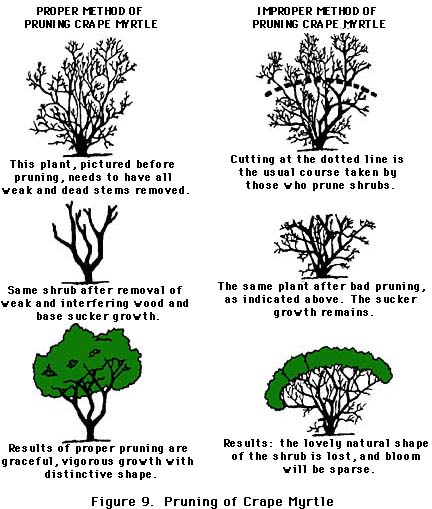
Credit: aggie-horticulture.tamu.edu