
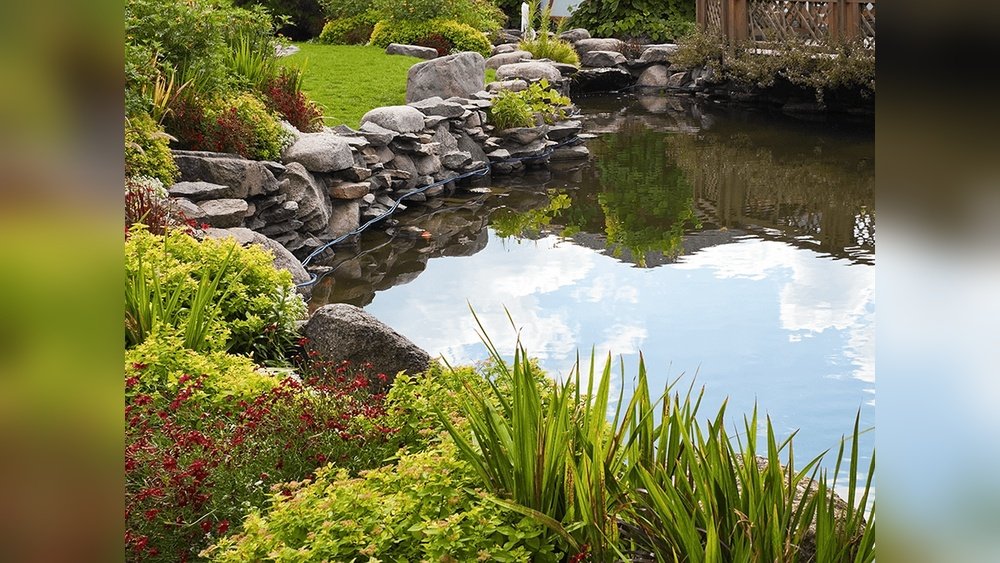
Building a raised fish pond can transform your backyard into a peaceful oasis. It gives you a chance to keep fish, grow aquatic plants, and enjoy a beautiful water feature. Many people think building a raised fish pond is difficult or expensive, but with the right plan and careful steps, anyone can do it.
This guide covers everything you need to know—from planning and materials to maintenance and troubleshooting. You’ll learn practical advice, see real examples, and discover expert tips that beginners often miss. Whether you want a small pond for goldfish or a larger setup for koi, you’ll find clear instructions to help you succeed.
Why Choose A Raised Fish Pond?
Raised fish ponds offer several advantages over in-ground ponds. They are easier to build, safer for families with children, and require less digging. With a raised pond, you have more control over water quality and can keep predators away from your fish. These ponds are ideal for urban gardens, patios, and places with poor soil. Another benefit is the visibility: you can watch your fish easily and enjoy the pond from different angles. Raised ponds also allow creative design, using materials like wood, bricks, or stone to match your garden style.
Key Benefits
- Easy access for cleaning and feeding
- Better protection against pests and predators
- Flexible design for small or large spaces
- Safer for children and pets
- Improved water quality control
Planning Your Raised Fish Pond
A successful fish pond starts with careful planning. You need to choose the right location, decide on the size, and think about the types of fish you want. Planning ahead helps avoid costly mistakes and ensures your pond is easy to maintain.
Choosing The Location
Pick a spot that gets partial sunlight. Too much sun can cause algae, while too little can harm plants and fish. Avoid placing the pond under trees, as falling leaves can pollute the water. Make sure the area is level and has good drainage.
Consider the view from your house and how the pond fits with your garden.
Deciding The Size And Shape
The size depends on your space and the number of fish. A small pond (about 300 gallons) is good for goldfish. Koi need more space—at least 1,000 gallons. Common shapes are rectangular, square, or round. Rectangular ponds are easier to build with wood or blocks.
The depth should be at least 2 feet for goldfish and 3 feet for koi to protect against temperature changes.
| Pond Size (Gallons) | Recommended Fish | Minimum Depth | Best Materials |
|---|---|---|---|
| 300 | Goldfish | 2 ft | Wood, Blocks |
| 1000 | Koi | 3 ft | Blocks, Stone |
| 1500+ | Koi, Larger Fish | 3.5 ft | Stone, Concrete |
Understanding Local Regulations
Check local rules before building. Some areas require permits for ponds above a certain size or depth. If you plan to keep exotic fish, research animal regulations. Following rules avoids fines and ensures your pond is safe and legal.
Estimating Costs
Costs depend on size, materials, and extras like filters or lighting. A basic raised pond costs $400–$1,200. Larger ponds with pumps, filters, and quality liners can reach $2,000 or more. Always add 10% to your budget for unexpected expenses.
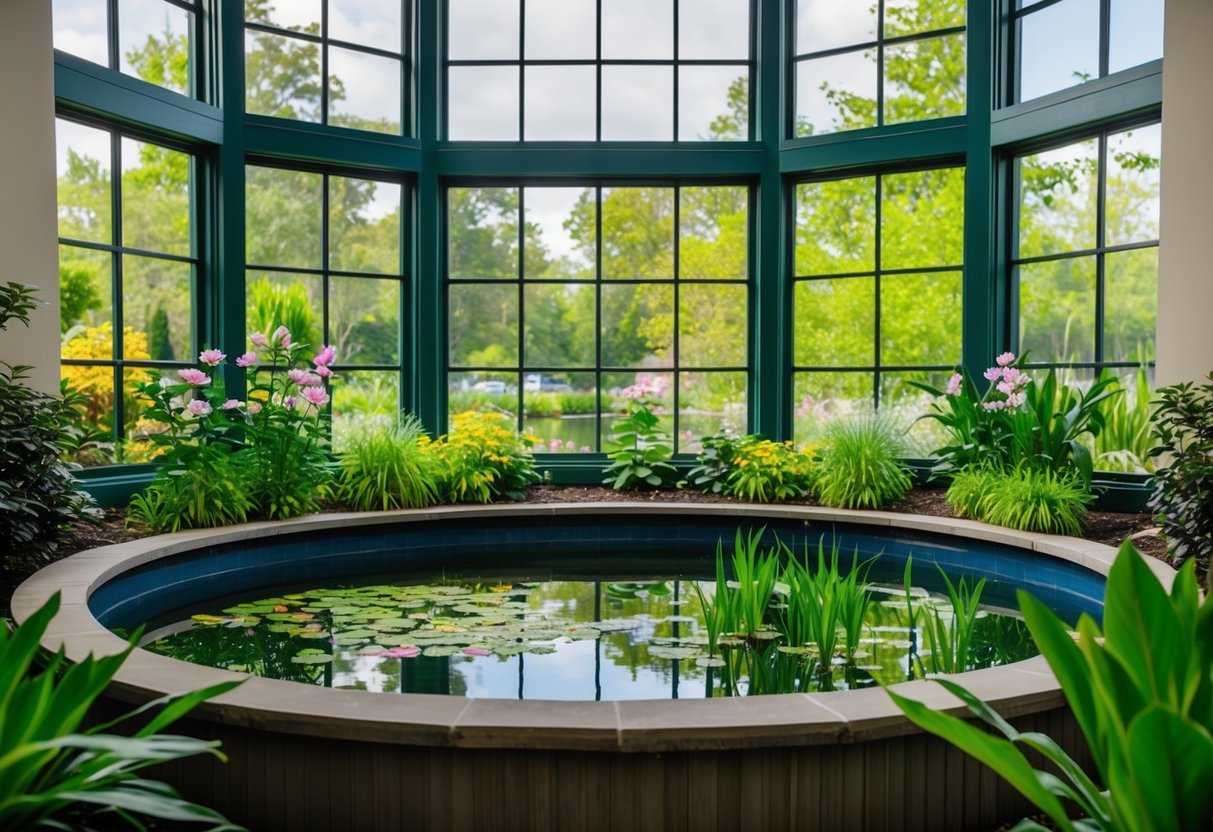
Credit: www.aquapond.co.uk
Materials And Tools Needed
Selecting the right materials is crucial. The main materials for raised fish ponds are wood, concrete blocks, bricks, or stone. The choice affects durability, appearance, and maintenance.
Common Materials
- Pressure-treated wood: Easy to work with, affordable, but needs waterproofing.
- Concrete blocks or bricks: Strong and long-lasting, ideal for larger ponds.
- Natural stone: Attractive and durable, but more expensive and heavy.
- Pond liner: Essential to prevent leaks; flexible rubber or PVC liners work best.
- Pond filter and pump: Keeps water clear and oxygenated.
Tools
- Shovel: For leveling ground and preparing the base
- Tape measure: To check dimensions
- Saw: For cutting wood
- Hammer and nails/screws: For assembly
- Spirit level: To ensure the pond is level
- Utility knife: To cut liner
| Material | Pros | Cons | Estimated Lifespan |
|---|---|---|---|
| Pressure-treated Wood | Affordable, Easy to build | Needs sealing, Shorter life | 5–10 years |
| Concrete Blocks | Very durable, Strong | Heavy, Needs mortar | 20+ years |
| Natural Stone | Beautiful, Durable | Expensive, Heavy | 25+ years |
| Pond Liner | Flexible, Waterproof | Can puncture, Needs careful fitting | 10–15 years |
Step-by-step Construction Guide
Building a raised fish pond involves several key steps. Follow these steps carefully to ensure your pond is safe and long-lasting.
1. Mark The Pond Area
Measure and mark the area with stakes and string. Double-check the dimensions. Make sure the site is level; uneven ground leads to leaks and structural problems.
2. Prepare The Foundation
Remove grass or debris. For wood or block ponds, create a compacted gravel base 2–4 inches deep. This improves drainage and prevents sinking. If using blocks or stone, lay a concrete footing for extra stability.
3. Build The Pond Walls
- Wood walls: Use pressure-treated boards. Screw boards together at corners. Support with posts every 2–3 feet for strength.
- Block walls: Stack blocks and use mortar for stability. Reinforce with steel rods if building taller than 2 feet.
- Stone walls: Lay stones carefully, using mortar as needed.
Make sure walls are straight and level. For added safety, build walls at least 1. 5 feet above ground.
4. Install The Pond Liner
Choose a liner that fits your pond size. Lay the liner inside the pond, pressing into corners and against walls. Leave extra liner at the top. Secure with rocks or trim and staple if using wood. Avoid sharp objects that could puncture the liner.
5. Add Plumbing And Filtration
Install a pond pump and filter to keep water clean. Place pump at the bottom, connect to filter, and run pipes as needed. Consider a UV clarifier to prevent algae. Test the setup before adding water.
6. Fill With Water And Check For Leaks
Slowly fill the pond. Watch for leaks around liner edges and walls. If you see leaks, fix them before adding fish. Use dechlorinator if your water comes from a tap.
7. Finish The Edges
Cover the edge of the liner with rocks, bricks, or decking. This protects the liner and makes the pond look attractive. Add seats or planters for extra beauty.
8. Cycle The Pond
Before introducing fish, let the pond run for 1–2 weeks with the filter on. This builds up good bacteria and stabilizes water conditions.

Credit: www.swelluk.com
Stocking Your Pond: Choosing Fish And Plants
The right fish and plants make your pond healthy and vibrant. Some species are better for raised ponds because they tolerate changing conditions.
Best Fish For Raised Ponds
- Goldfish: Hardy, colorful, easy to care for.
- Koi: Grow large, need more space, but very popular.
- Rosy Red Minnows: Small and active, good for small ponds.
- Shubunkin: Similar to goldfish, beautiful patterns.
Avoid tropical fish; they need heaters and stable temperatures.
Recommended Aquatic Plants
- Water lilies: Provide shade and beauty.
- Hornwort: Oxygenates water and controls algae.
- Water hyacinth: Floats on surface, fast-growing.
- Anacharis: Good for oxygen and fish shelter.
Plants help balance the ecosystem and reduce algae. For best results, mix floating, submerged, and marginal plants.
Stocking Guidelines
Don’t overcrowd the pond. A safe rule is 1 inch of fish per 10 gallons of water. For koi, allow at least 250 gallons per adult fish. Too many fish can cause water problems and stress.
Pond Filtration And Water Quality
Keeping water clean is vital for fish health. Raised ponds need strong filtration because they are smaller and get dirty faster.
Types Of Filters
- Mechanical filters: Trap dirt and debris.
- Biological filters: Grow bacteria that break down fish waste.
- UV clarifiers: Kill algae and keep water clear.
For most ponds, combine mechanical and biological filters. Clean filters every month and replace media as needed.
Maintaining Water Quality
Test water weekly for pH, ammonia, nitrite, and nitrate. Ideal pH is 7. 0–8. 0. Ammonia and nitrite should be zero. Use water conditioners if needed. Add beneficial bacteria to speed up cycling.
| Parameter | Ideal Range | Why It Matters |
|---|---|---|
| pH | 7.0–8.0 | Fish health, Plant growth |
| Ammonia | 0 ppm | Toxic to fish |
| Nitrite | 0 ppm | Toxic to fish |
| Nitrate | <40 ppm | Algae control |
| Temperature | 60–75°F | Comfort for fish |
Adding Extra Features: Lighting, Waterfalls, And More
You can make your pond even more enjoyable with extra features. These add beauty, help fish, and make maintenance easier.
Pond Lighting
Install underwater LED lights for nighttime viewing. Solar lights are easy to use and save energy. Place lights to highlight plants and fish.
Waterfalls And Fountains
A simple waterfall or fountain increases oxygen and creates relaxing sound. You can build a small waterfall with rocks and a pump. Fountains are easy to install and help keep water moving.
Automatic Feeders
If you travel often, automatic feeders ensure your fish get regular meals. Choose models that protect food from rain and birds.
Pond Heaters
In cold climates, add a pond heater to prevent freezing. Heaters keep fish safe in winter. Only use heaters rated for outdoor ponds.
Safety Features
Add fencing or a cover if children or pets are around. Raised ponds are safer, but covers prevent accidents and keep leaves out.
Maintenance Tips And Common Mistakes
Regular care keeps your pond healthy and beautiful. Here are practical tips and mistakes to avoid.
Maintenance Checklist
- Clean filters monthly
- Remove leaves and debris weekly
- Check water quality every week
- Trim plants as needed
- Inspect liner and walls every season
Common Mistakes
- Overfeeding fish: Causes water pollution; feed only what fish can eat in 2 minutes.
- Using untreated tap water: Always add dechlorinator.
- Not cycling the pond: Skipping cycling can kill fish.
- Ignoring leaks: Small leaks can cause big problems over time.
- Overcrowding fish: Leads to stress and disease.
A non-obvious tip: Always check the pond after heavy rain. Raised ponds can overflow, washing out fish and plants. Install an overflow drain or keep pond level below the wall edge.
Troubleshooting: Solving Common Pond Problems
Even well-built ponds can have issues. Here’s how to solve common problems.
Algae Blooms
Too much sunlight and nutrients cause algae. Add shade plants, use a UV clarifier, and avoid overfeeding. Clean out algae by hand if needed.
Leaks
Leaks often occur at liner seams or wall joins. Drain the pond, clean the area, patch with pond tape or sealant, and refill.
Cloudy Water
Cloudy water usually means dirty filters or new pond cycling. Clean filters, check water quality, and add beneficial bacteria.
Sick Fish
Fish may show signs of disease: spots, clamped fins, or slow movement. Test water and treat with medicine if needed. Quarantine new fish before adding them.
Pump Failure
If the pump stops, check for clogs or electrical issues. Clean the intake and restart. Replace old pumps every 2–3 years.
Real Examples: Successful Raised Fish Pond Projects
Looking at real examples helps you see what’s possible and avoid mistakes.
Example 1: Small Urban Pond
A homeowner in Chicago built a 350-gallon raised pond with wood and liner. They added goldfish, hornwort, and water lilies. With a simple filter and solar lights, the pond cost $600 and was built in a weekend.
Example 2: Large Koi Pond
In Dallas, a family built a 1,200-gallon pond with concrete blocks and stone. They used a heavy-duty liner, strong pump, and waterfall. The pond supports six koi and several aquatic plants. Total cost was $2,500, but the pond is now a centerpiece of their garden.
Example 3: Patio Pond
An apartment owner in San Francisco created a 200-gallon raised pond on their patio. Using a wooden frame and liner, they keep goldfish and floating plants. The pond is easy to maintain and adds beauty to a small space.
Each project shows that raised ponds work for different budgets and spaces. The key is planning well and choosing materials that suit your needs.
Environmental Impact And Sustainability
Raised fish ponds help wildlife and support a healthy ecosystem. By using native plants and fish, you promote biodiversity. Ponds also attract birds, butterflies, and frogs. To make your pond eco-friendly:
- Use energy-efficient pumps
- Collect rainwater for filling
- Avoid chemical treatments
- Choose native plants and fish
A non-obvious insight: Raised ponds can be used for aquaponics, growing vegetables and herbs alongside fish. This method saves water and produces healthy food.
Geo-friendly Raised Fish Pond Design
Your climate affects the pond’s design. In hot areas, add shade and deeper water. In cold places, insulate the walls and use a heater. Research local fish and plants that thrive in your region. Adjust your filter size for rainfall and temperature.
Regional Considerations
- Northern US: Deeper ponds, strong liners, heaters for winter.
- Southern US: Shade, floating plants, mosquito control.
- Urban areas: Smaller ponds, noise reduction, fencing.
Raised ponds are flexible and suit many environments. Always adapt your design for your local climate and geography.

Credit: www.youtube.com
Seo, Geo, And Aeo Optimization Tips
When building a raised fish pond, consider search engine optimization (SEO), geo-targeting, and answer engine optimization (AEO). This helps you find resources, connect with local experts, and solve problems quickly.
- Use keywords like raised fish pond, backyard pond, pond filtration, koi pond, pond maintenance, DIY pond, pond construction, and urban fish pond when searching online.
- Geo-target by adding your city or state: “Chicago raised fish pond installer,” “Dallas koi pond supplies,” etc.
- For AEO, ask specific questions: “How to fix leaks in a raised pond?” or “Best fish for small raised ponds?”
For more detailed information, visit Wikipedia’s Pond page.
Frequently Asked Questions
What Is The Best Material For A Raised Fish Pond?
The best material depends on your budget and style. Concrete blocks and natural stone offer the longest lifespan and strong protection. Pressure-treated wood is easier and cheaper but needs sealing and replacement after 5–10 years. Always use a good pond liner to prevent leaks.
How Deep Should A Raised Fish Pond Be?
Most raised fish ponds should be at least 2 feet deep for goldfish and 3 feet deep for koi. Deeper ponds protect fish from temperature changes and predators. If you live in a cold climate, add extra depth or insulation.
Do I Need A Filter In My Raised Fish Pond?
Yes, a pond filter is essential. Filters keep water clear, remove waste, and prevent disease. Combine mechanical and biological filters for best results. For larger ponds, add a UV clarifier to control algae.
Can I Keep Plants In A Raised Fish Pond?
Absolutely. Aquatic plants like water lilies, hornwort, and anacharis improve water quality and provide shade. Plants also help balance nutrients, making your pond healthier and easier to maintain.
How Do I Prevent Leaks In My Raised Pond?
Prevent leaks by using a high-quality pond liner and checking walls for cracks. Avoid sharp objects near the liner. Inspect the pond after heavy rain and patch leaks quickly with pond sealant or tape.
Creating a raised fish pond is rewarding and fun. With careful planning, quality materials, and regular maintenance, your pond will thrive for years. Enjoy watching your fish, growing plants, and relaxing by the water—your backyard oasis is within reach.