
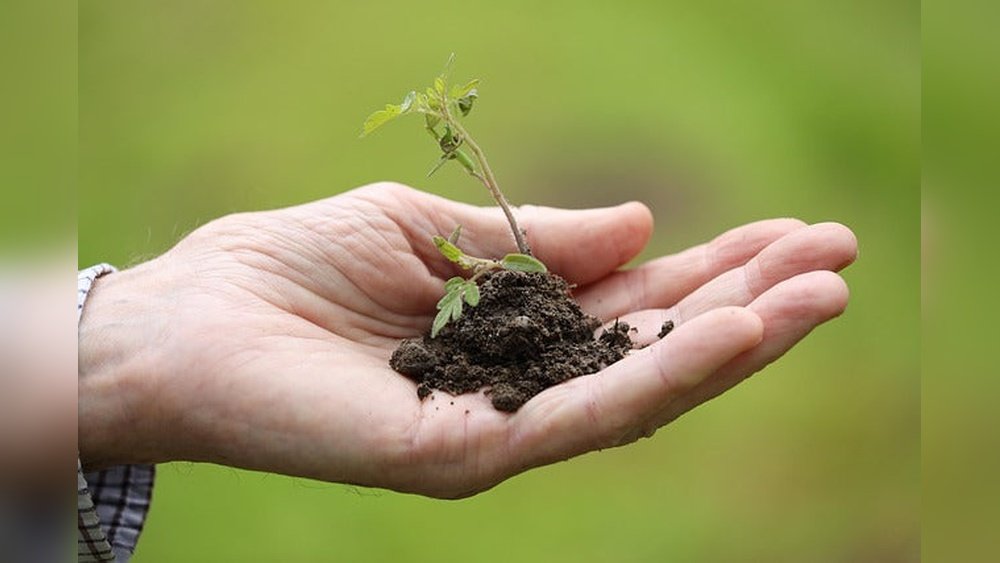
A beautiful koi pond is more than just water and fish. The right plants turn your pond into a living ecosystem, help keep water clean, and create a peaceful look. If you want to plant koi pond plants but don’t know where to start, this guide covers everything you need: from choosing the best plants, preparing your pond, planting techniques, care tips, and even mistakes to avoid. Whether you’re new to pond gardening or looking to improve your setup, you’ll find practical advice here.
Why Plant Koi Pond Plants?
Plants are vital for a healthy koi pond. They give shade, reduce algae, provide hiding places for koi, and help balance the water. Without plants, a pond can become dirty and stressful for fish. Plants also attract wildlife, like dragonflies and birds, making your pond a lively spot in your garden.
Benefits Of Koi Pond Plants
- Improved water quality: Plants absorb excess nutrients and help control algae.
- Natural filtration: Roots trap dirt and debris.
- Oxygen production: Plants release oxygen during the day, helping fish breathe.
- Shelter and shade: Leaves give koi places to hide, reducing stress.
- Aesthetic appeal: Flowers and greenery make your pond look inviting.
Common Misunderstandings
Many beginners believe koi will eat all their plants. While koi do nibble on soft leaves, choosing hardy plants and smart placement can prevent most damage. Another mistake is thinking any garden plant works in a pond—only certain species thrive in water.
Types Of Koi Pond Plants
Knowing the different plant types helps you create a balanced pond. Each type serves a unique purpose.
| Plant Type | Main Function | Example Species |
|---|---|---|
| Marginal | Edge decoration, erosion control | Cattails, Pickerel Rush |
| Floating | Shade, algae control | Water Hyacinth, Duckweed |
| Submerged | Oxygenation, water clarity | Anacharis, Hornwort |
| Emergent | Habitat, filtration | Lotus, Water Lily |
Marginal Plants
Marginal plants grow at the pond’s edge, roots in shallow water. They help stabilize banks and filter runoff. Popular choices include Cattails, Iris, and Arrowhead.
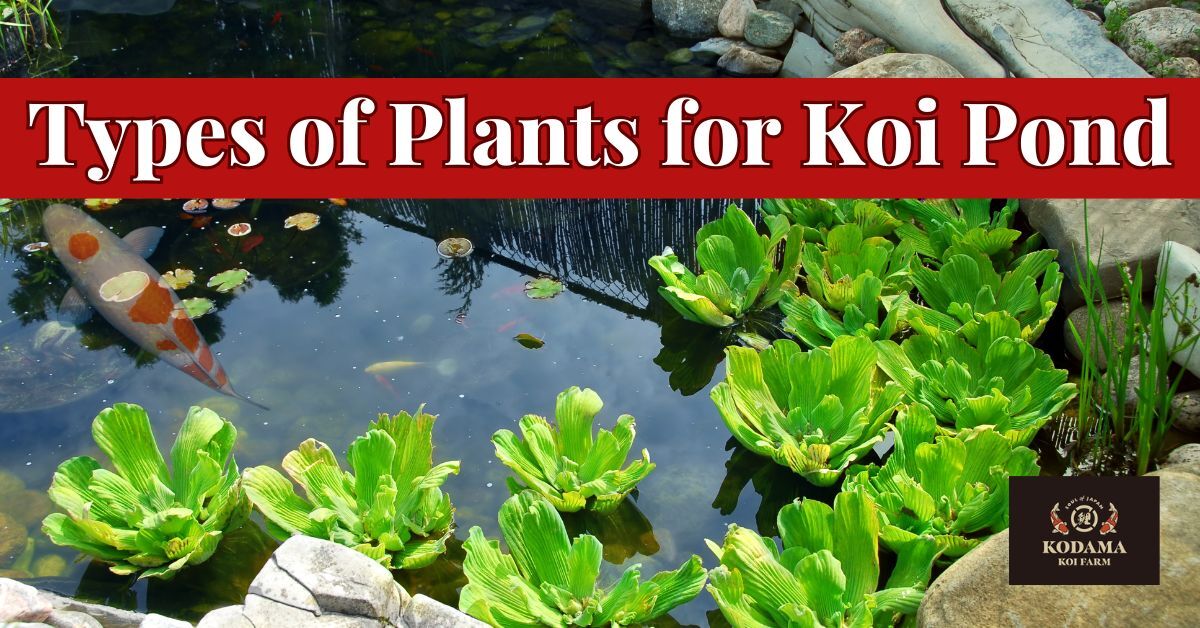
Floating Plants
These plants float freely on the surface. They shade the water, reduce algae, and provide cover for koi. Good options are Water Hyacinth and Water Lettuce.
Submerged Plants
Submerged plants live entirely underwater. They produce oxygen and absorb nutrients. Examples: Hornwort, Anacharis, and Vallisneria.
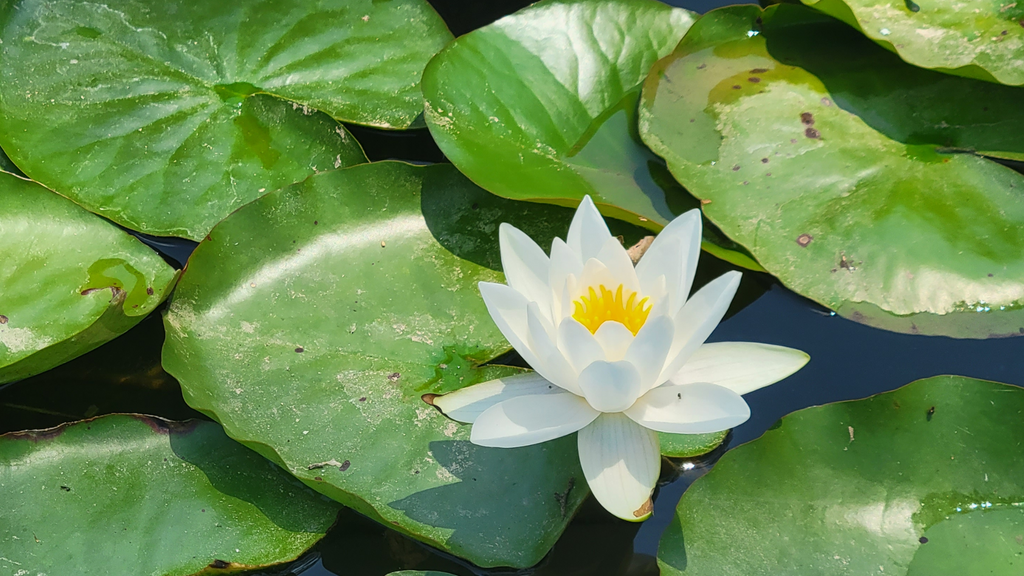
Emergent Plants
Emergent plants have roots underwater, but leaves and flowers rise above the surface. Water Lilies and Lotus are classic emergent plants, adding beauty and shade.
Credit: www.blueribbonkoi.com
Choosing The Best Koi Pond Plants
Selecting plants is more than picking what looks pretty. Consider your climate, pond size, koi population, and maintenance levels.
Factors To Consider
- Hardiness zone: Pick plants suited to your local temperature. For US readers, check the USDA hardiness zone.
- Growth habit: Fast-growing plants can crowd the pond. Balance slow and fast growers.
- Koi behavior: Avoid soft-leaved plants if you have large, hungry koi.
- Water depth: Some plants need shallow water, others thrive deep.
- Sunlight: Most pond plants need at least 6 hours of sun daily.
| Plant Name | Best For | Hardiness Zone | Growth Rate |
|---|---|---|---|
| Water Lily | Shade, beauty | 3-11 | Moderate |
| Hornwort | Oxygenation | 4-11 | Fast |
| Water Hyacinth | Algae control | 9-11 | Very Fast |
| Iris | Edge decoration | 4-9 | Moderate |
Popular Koi Pond Plants
- Water Lily: Offers shade and striking flowers. Hardy varieties survive cold winters.
- Lotus: Large leaves, dramatic blooms, needs full sun.
- Hornwort: Fast-growing submerged plant, resists koi nibbling.
- Water Hyacinth: Excellent at reducing algae, but invasive in warm regions.
- Pickerel Rush: Marginal, purple flowers, attracts pollinators.
- Cattails: Classic pond edge plant, good for wildlife.
- Anacharis: Submerged, easy to grow, helps oxygenate water.
Non-obvious Insight
Some plants, like Water Hyacinth, are banned in parts of the US due to invasiveness. Always check local regulations before buying.
Preparing Your Koi Pond For Planting
Proper preparation is key for healthy plants. Don’t skip this step.
Cleaning The Pond
Remove debris, old leaves, and algae. If your pond is new, rinse the liner and fill with clean water.
Testing Water Quality
Plants need safe, balanced water. Test for:
- PH: Ideal range is 6.5–8.0
- Ammonia: Should be zero
- Nitrite/Nitrate: Low levels are best
- Hardness: Moderate levels support plant and fish health
You can buy test kits at garden or aquarium stores.
Adjusting Water Depth
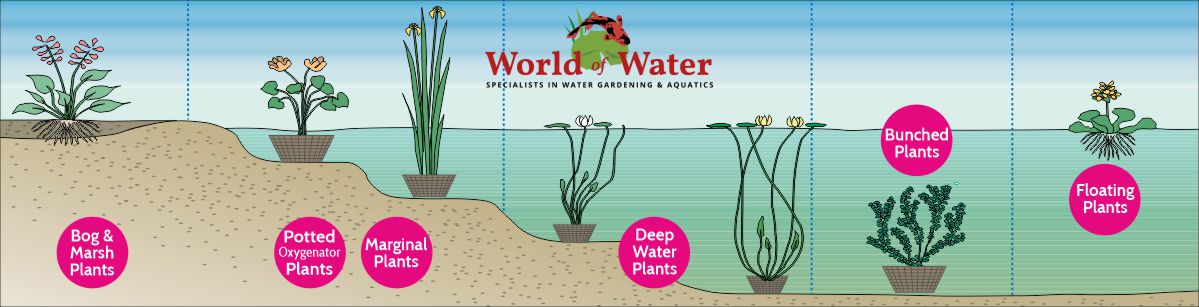
Plan where each plant type goes:
- Marginal plants: 1–6 inches deep
- Floating plants: Surface
- Submerged plants: 12–24 inches deep
- Emergent plants: 6–18 inches deep
Adding Plant Shelves
If your pond lacks shelves, you can build them using bricks or stones. Shelves let you place pots at different depths.
Non-obvious Insight
Adding plants before introducing koi helps them establish roots and reduces fish damage.
How To Plant Marginal Plants
Marginal plants are easy to start, but placement matters.
Step-by-step Planting
- Choose sturdy pots: Use aquatic planters with holes for water flow.
- Add aquatic soil: Avoid garden soil; it clouds water and lacks nutrients.
- Plant roots firmly: Place roots in soil, cover gently with gravel.
- Position on shelf: Place pots on pond shelf, 1–6 inches underwater.
- Water thoroughly: Before placing, soak soil to prevent floating.
Practical Example
Iris: Place rhizomes just below soil surface, with leaves above water. Gravel on top keeps soil in place.
Common Mistake
Using fertilizer sticks made for garden plants can harm pond life. Only use aquatic plant fertilizers.
How To Plant Floating Plants
Floating plants are simple and fast to install.
Steps
- Rinse roots: Remove dirt and pests.
- Place gently: Float plants on pond surface.
- Space apart: Avoid crowding; give each plant room.
- Monitor growth: Remove excess to prevent blocking sunlight.
Practical Example
Water Lettuce: Drop single plants, spaced 12–18 inches apart. They multiply quickly.
Non-obvious Insight
Koi may uproot floating plants. Using floating plant rings (plastic circles) helps protect roots.
How To Plant Submerged Plants
Submerged plants need careful anchoring.
Steps
- Bundle stems: Tie together using plant weights.
- Push into substrate: Plant 2–3 inches deep.
- Space well: Leave room for growth.
- Add gravel: Cover base with small rocks to anchor.
Practical Example
Hornwort: Simply drop bunches weighted with lead strips into the pond. No need to bury roots.
Common Mistake
Planting too close together causes rot and reduces water flow.
How To Plant Emergent Plants
Emergent plants provide dramatic flowers and shade.
Steps
- Select large pots: Choose pots big enough for root expansion.
- Fill with aquatic soil: Halfway up the pot.
- Place tuber or rhizome: Set horizontally, eyes facing up.
- Cover lightly: Add soil and gravel.
- Lower slowly: Place in pond at recommended depth.
Practical Example
Water Lily: Plant tuber with growing tip above soil. Gradually lower pot deeper as leaves grow.
Non-obvious Insight
Emergent plants often need to be divided every 2–3 years to prevent overcrowding.
Caring For Koi Pond Plants
Healthy plants mean a healthy pond. Maintenance is straightforward but important.
Feeding
Most pond plants don’t need extra fertilizer. If growth slows, use aquatic plant tablets—never liquid fertilizers.
Pruning
- Remove dead leaves weekly
- Trim overgrown stems to keep plants tidy
- Thin floating plants to prevent sunlight block
Protecting From Koi
Koi love to nibble. Protect plants by:
- Using plant baskets
- Adding gravel around roots
- Creating plant islands with mesh
Seasonal Care
- Spring: Plant new varieties, divide crowded plants.
- Summer: Watch for algae, prune regularly.
- Fall: Remove dying leaves, prepare plants for winter.
- Winter: Hardy plants survive cold; tropical plants may need moving indoors.
Common Mistake
Leaving dead leaves in the pond leads to rot and poor water quality.
Troubleshooting Koi Pond Plant Problems
Even with care, problems can arise.
Algae Overgrowth
Too many nutrients cause algae. Reduce feeding, add more plants, and shade the water.
Plant Damage From Koi
If koi uproot or eat plants:
- Use larger, tougher plants
- Protect with rocks and mesh
- Feed koi well to reduce nibbling
Yellowing Leaves
Often caused by low nutrients or poor water quality. Test water and add aquatic plant food if needed.
Plants Not Flowering
Lack of sunlight is the usual cause. Move pots to sunnier spots.
Creating A Balanced Koi Pond Ecosystem
A successful pond needs balance: not just fish and plants, but water, sunlight, and care.
Ratio Of Plants To Water
Experts suggest covering 50–70% of the pond surface with plants. This creates shade, controls algae, and keeps koi healthy.
Mixing Plant Types
Combine floating, submerged, and marginal plants. This gives multiple benefits and supports wildlife.
Adding Wildlife
Dragonflies, frogs, and birds help control insects and add life to the pond.
Non-obvious Insight
Overcrowding plants can reduce oxygen for koi. Always thin plants when they cover too much surface.
Planting Koi Pond Plants In Different Climates
Climate matters. A plant that thrives in Florida may die in Minnesota.
Cold Climates
- Choose hardy plants like Water Lilies and Hornwort
- Protect tropical plants indoors in winter
- Mulch pond edges to reduce freezing
Warm Climates
- Use tropical plants: Water Hyacinth, Lotus
- Monitor for invasive growth
- Shade pond to prevent overheating
Example
A Zone 6 pond can support hardy lilies but not tropical lotus. In Zone 10, both thrive year-round.
Geo-friendly Planting Tips
Different regions have unique challenges.
Us Regions
- Northeast: Cold winters, need hardy plants
- South: Tropical plants thrive, watch for invasives
- Midwest: Wide temperature swings, mix hardy and tropical
- West: Dry climate, use drought-tolerant marginals
Europe
- Hardy lilies, iris, and reeds are popular
- Floating plants need protection from cold
Asia
- Lotus and water lilies are traditional
- Warm climates allow more tropical species
Australia
- Local natives like Nardoo and Swamp Lily work well
- Avoid importing invasive plants
Aquatic Plant Placement For Best Results
Where you place plants matters for health and beauty.
Marginals
Line the pond edge, spaced 12–24 inches apart.
Floating
Scatter across surface, avoid crowding.
Submerged
Plant in groups, leave open swimming space.
Emergent
Central or sunny spots, away from waterfall or pump.
Non-obvious Insight
Placing plants near a pond pump can damage roots and reduce growth.
Pond Planting For Accessibility And Maintenance
Make your pond easy to care for.
Raised Plant Shelves
Add shelves at different heights for easy access.
Floating Planters
Use floating baskets for flexible placement.
Paths And Edging
Leave clear paths for maintenance, avoid stepping in water.
Example
Raised shelves let you trim and fertilize without getting wet.
Koi Pond Planting Mistakes To Avoid
Avoid these common errors for a healthy pond.
- Using garden soil: It clouds water and lacks nutrients.
- Planting too deep or shallow: Each plant needs the right depth.
- Overcrowding: Leads to rot and poor water quality.
- Ignoring hardiness zone: Plants die if not suited to your climate.
- Adding plants after koi: Fish may uproot new plants.
Water Quality And Pond Plants
Plants help keep water clear, but water quality affects plant health.
Testing
Regularly test pH, ammonia, nitrate, and hardness.
Adjusting
Use water conditioners for balance. Add more plants if nutrients rise.
Non-obvious Insight
High nitrate means too much fish waste or overfeeding. Reduce feeding, add more plants.
Koi Behavior And Plant Selection
Koi are curious and active. Their behavior affects plant choice.
Feeding Habits
Koi nibble soft leaves. Choose tough, fibrous plants.
Swimming Patterns
Koi like open space. Avoid crowding with submerged plants.
Shelter Needs
Plants offer cover, reducing koi stress.
Example
Pickerel Rush and Cattails are tough and survive koi attention.
Credit: worldofwater.com
Koi Pond Plants Vs. Traditional Water Garden Plants
Koi pond plants must be stronger and more resilient.
| Feature | Koi Pond Plants | Traditional Water Garden Plants |
|---|---|---|
| Toughness | High | Medium |
| Growth Rate | Moderate to Fast | Slow to Moderate |
| Koi Resistance | Essential | Not required |
| Maintenance | Regular pruning | Occasional care |
Non-obvious Insight
Some water garden plants, like Papyrus, are not koi-safe but thrive in wildlife ponds.
Safe Fertilization For Koi Pond Plants
Fertilizer boosts plant growth, but can harm fish.
Options
- Use slow-release aquatic tablets
- Avoid liquid fertilizers
- Apply tablets directly to plant pots
How Often
Feed once per month in growing season.
Warning
Too much fertilizer increases algae. Always follow product instructions.
Credit: www.kodamakoifarm.com
Planting Koi Pond Plants For Algae Control
Plants naturally fight algae.
Best Choices
- Water Hyacinth: Absorbs nutrients quickly.
- Water Lily: Shades water, blocks sunlight.
- Hornwort: Absorbs excess nutrients.
Practical Example
Cover 60% of pond surface with lilies and hyacinth. Add hornwort below for maximum algae control.
Koi Pond Planting For Wildlife Attraction
Plants attract wildlife and support biodiversity.
Key Plants
- Pickerel Rush: Attracts bees and butterflies.
- Cattails: Shelter for birds.
- Lotus: Dragonfly habitat.
Placement
Edge plants for birds, floating for frogs, submerged for aquatic insects.
Non-obvious Insight
Adding native plants supports local wildlife and prevents invasive species.
Advanced Koi Pond Planting Tips
Experienced pond keepers use tricks for best results.
Rotating Plants
Swap tropical and hardy plants seasonally for color and health.
Using Plant Islands
Create floating islands with mesh for extra protection.
Planting In Layers
Arrange plants from edge to center for depth and beauty.
Example
Layer marginals at the edge, lilies in the middle, hornwort below.
Koi Pond Planting And Google E-a-t (expertise, Authority, Trust)
Following expert advice keeps your pond healthy. Only use plants approved for your region. Trust reliable sources for information. For more details on aquatic plant care, check Water Garden Organization.
Frequently Asked Questions
What Are The Best Koi Pond Plants For Beginners?
Water Lilies, Hornwort, and Pickerel Rush are easy to grow and tough enough for koi ponds. These plants require minimal care and resist koi nibbling.
How Do I Protect My Koi Pond Plants From Fish?
Use plant baskets, add gravel to cover roots, or make floating plant islands with mesh. Feeding koi well also reduces plant damage.
Can I Use Regular Garden Soil For Pond Plants?
No. Regular soil clouds water and lacks nutrients. Use aquatic plant soil or a mix of clay and sand. Always cover soil with gravel to prevent mess.
How Often Should I Prune Koi Pond Plants?
Prune dead or overgrown leaves weekly. Thin floating plants monthly. Regular pruning keeps the pond clean and plants healthy.
Which Pond Plants Help Control Algae?
Water Hyacinth, Water Lily, and Hornwort are best for algae control. They absorb nutrients and shade the water, reducing algae growth.
A healthy koi pond starts with the right plants and careful placement. By following the steps and tips in this guide, you’ll create a thriving pond that’s beautiful, clean, and safe for your koi. Planning, preparation, and ongoing care are key—so start small, learn as you grow, and enjoy the peaceful beauty your pond plants bring.