
Winter can be tough on trees, especially in areas with cold temperatures, snow, and ice. If you want to keep your trees safe, learning how to wrap a tree for winter protection is a smart move. This guide will show you everything you need to know: why tree wrapping matters, which trees need it, what materials work best, and step-by-step instructions. You’ll also find practical tips, common mistakes, and answers to frequent questions. Whether you’re a beginner or experienced gardener, this article gives you clear, simple advice to help your trees survive the winter and thrive in spring.
Why Wrapping Trees In Winter Matters
Trees are strong, but winter brings challenges. Frost cracks, sunscald, and damage from animals or salt can weaken trunks and branches. Young trees and some species are most at risk because their bark is thin and not fully developed.
Winter Risks For Trees
- Sunscald: When the sun heats up the bark during the day, then temperatures drop quickly at night, it can cause the bark to split.
- Frost cracks: Sudden cold snaps make bark contract and split.
- Animal damage: Deer, rabbits, and rodents often chew bark when food is scarce.
- Salt injury: Road salt can splash on trunks and roots, causing burns or dehydration.
- Wind burn: Cold winds dry out bark and tissues.
Studies show that wrapping a tree can reduce trunk damage by over 60% in cold climates. It also helps prevent diseases that enter through cracks.
Which Trees Need Winter Protection?
Not all trees need wrapping. Some are naturally resistant, while others are vulnerable.
Trees Most At Risk
- Young trees (under 5 years old)
- Fruit trees: Apple, pear, peach, cherry
- Thin-barked trees: Maple, ash, birch, linden
- Evergreen trees: Especially newly planted ones
- Trees near roads: Exposed to salt and wind
- Trees planted late in the season
Trees Less Likely To Need Wrapping
- Mature trees with thick, rough bark
- Native trees adapted to local winters
If your tree fits the “at risk” group, wrapping is a wise choice. Sometimes, even older trees need protection if they’re exposed to unusual conditions.
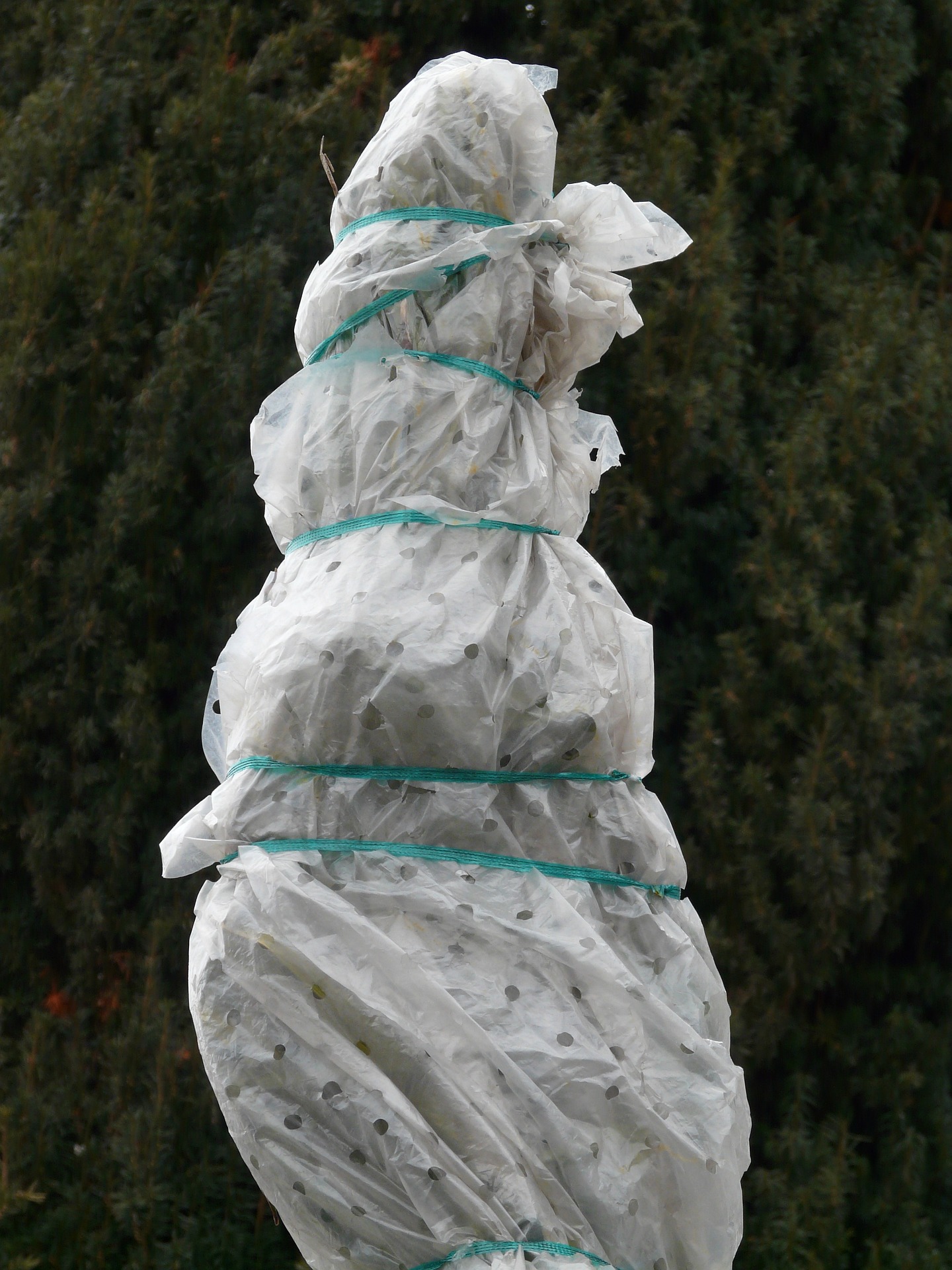
Credit: www.almanac.com
Choosing The Right Tree Wrap Materials
There are several types of tree wraps. The best material depends on your climate, tree species, and budget.
Common Tree Wrap Materials
| Material | Best For | Pros | Cons |
|---|---|---|---|
| Burlap | Young, fruit, evergreen trees | Breathable, affordable, easy to use | Can absorb water, may rot if left too long |
| Paper tree wrap | Thin-barked trees | Breathable, flexible, protects from sunscald | Tears easily, not water resistant |
| Plastic tree wrap | Animal protection | Durable, reusable, resists chewing | Can trap moisture, risk of fungus |
| Spiral guards | Small trunks, animal damage | Easy to install, protects against rodents | Limited sunscald protection |
How To Choose
- Climate: If winters are wet, avoid wraps that absorb moisture.
- Tree type: Fruit and thin-barked trees benefit from breathable wraps.
- Animals: If animal damage is common, plastic or spiral guards help.
Using the right material is important. For example, plastic wraps are popular, but they can cause fungus if left on in spring.
When To Wrap Trees For Winter
Timing is critical. Wrapping too early can trap moisture, while wrapping too late leaves trees exposed.
Best Time To Wrap
- Late fall: After leaves drop, before first hard freeze
- Before snow: Protects from salt and wind
- After planting: Wrap newly planted trees right away
Unwrap trees in early spring, before buds swell. Leaving wraps on too long can lead to mold and restrict growth.
Step-by-step: How To Wrap A Tree For Winter Protection
Wrapping a tree is simple but must be done correctly. Here’s how to do it:
Preparation
- Clean the trunk: Remove loose bark, dirt, or pests.
- Check for damage: Look for cracks, wounds, or disease.
- Gather materials: Tree wrap, scissors, tape, gloves.
Wrapping Process
- Start at the base: Begin wrapping just above the soil line. Overlap the wrap by about one-third as you go up.
- Wrap upward: Continue up the trunk, covering all bark. For young trees, wrap up to the first branch.
- Secure the top: Use biodegradable tape or twine. Avoid wire or plastic ties—they can cut bark.
- Check tightness: Wrap should be snug but not too tight. Loose wrapping lets cold in; tight wrapping can choke the tree.
- Finish and inspect: Make sure there are no gaps. The wrap should protect the trunk but let air flow.
Special Tips
- If using burlap, double the layer for extra insulation.
- For spiral guards, twist them gently around the trunk without overlapping.
- Always use breathable materials for fruit trees.
Practical Examples: Wrapping Different Types Of Trees
Every tree is a bit different. Here are real-world examples:
Young Apple Tree
Apple trees are prone to sunscald and animal chewing. Use a paper tree wrap for the trunk, secure with twine. Add a spiral guard if rabbits are common.
Newly Planted Evergreen
Evergreens need wind protection. Wrap with burlap, covering both trunk and lower branches. Secure with wooden stakes and twine.
Maple Tree Near The Road
Salt is a danger here. Use plastic wrap for the trunk, but check regularly for moisture. Remove as soon as spring arrives.
Peach Tree In Open Yard
Peach trees have thin bark. Double-layer paper wrap is best. Check for tears monthly.
Common Mistakes When Wrapping Trees
Many beginners make mistakes that reduce effectiveness or even harm trees.
Mistakes To Avoid
- Wrapping too tightly: Can restrict growth and cause girdling.
- Using non-breathable materials: Traps moisture, leads to rot.
- Leaving wraps on too long: Causes fungus or pest buildup.
- Not overlapping wrap: Gaps let cold air in.
- Using wire or plastic ties: Can cut into bark.
- Ignoring regular checks: Wraps can slip or tear.
A non-obvious insight: In urban areas, wraps can attract pests if left dirty. Clean wraps prevent insects from hiding.
How To Protect Trees From Other Winter Hazards
Wrapping helps, but trees face other winter threats. Combine wrapping with these methods for best results.
Mulching
Spread 2–4 inches of mulch around the base to insulate roots. Keep mulch 2 inches from the trunk to prevent rot.
Watering
Give trees a deep watering before the ground freezes. Moist soil holds heat better than dry.
Fencing
Install tree guards or fencing to keep deer and rabbits away. Metal mesh is best for severe animal problems.
Shade Protection
In sunny winter areas, set up temporary shading panels to reduce sunscald.
Salt Barriers
Place burlap screens between trees and roads to block salt spray.
Comparing Tree Wrap Methods
Choosing the right method depends on your goals. Here’s a comparison:
| Method | Sunscald Protection | Animal Protection | Ease of Use | Cost |
|---|---|---|---|---|
| Burlap wrap | Good | Fair | Easy | Low |
| Paper wrap | Excellent | Poor | Moderate | Low |
| Plastic wrap | Fair | Excellent | Easy | Medium |
| Spiral guards | Poor | Excellent | Very easy | Medium |
For most home gardeners, a mix of wraps and guards is best.
Tree Wrapping And Local Climate
Winter protection needs vary across regions. Understanding your local climate helps you pick the right method.
Cold Northern Climates
- Deep freezes
- Snow, ice
- Use double-layer wraps, thick mulch
Mild Winters
- Occasional frost
- Use breathable wraps, light mulch
Urban Areas
- Salt, pollution
- Use salt barriers, plastic wraps, regular cleaning
Rural Areas
- Animals, wind
- Use spiral guards, burlap wind screens
Advanced Tips For Winter Tree Care
If you want your trees to thrive, consider these expert strategies:
Monitor Weather
Keep an eye on local forecasts. Sudden cold snaps are hardest on trees. If you see temperatures dropping below 20°F (-6°C), check wraps and add extra insulation if needed.
Inspect Regularly
Every few weeks, walk your yard and look for loose wraps, tears, or signs of pests.
Rotate Materials
Switch wrap types every few years to reduce the risk of disease buildup.
Use Natural Products
Choose biodegradable wraps and tapes. They break down safely and are better for the environment.
Track Results
Record which trees you wrapped, what materials were used, and how they performed. This helps improve your methods each year.
How Wrapping Helps Tree Health Long-term
Proper winter protection does more than prevent damage. It helps trees grow faster, resist disease, and produce better fruit.
Research from the University of Minnesota found that wrapped trees had 30% fewer injuries and grew 15% taller over five years compared to unwrapped trees.
Healthy bark protects water and nutrient flow. By stopping cracks and sunscald, you reduce stress and keep trees strong.
Understanding Tree Wrapping For Landscaping And Urban Forestry
Wrapping isn’t just for home gardens. City planners and landscapers use wraps to protect valuable trees in parks, streets, and campuses.
Benefits For Urban Trees
- Reduces replacement costs
- Maintains shade and beauty
- Prevents damage from salt and machinery
In cities, wraps are often combined with mulch and fencing for maximum protection. If you manage public spaces, wrapping is a cost-effective way to reduce winter losses.
Eco-friendly Tree Wrapping Options
Many gardeners want to protect trees without harming the environment. Eco-friendly wraps are available.
Popular Choices
- Organic burlap: Made from natural fibers
- Biodegradable paper wraps: Break down after use
- Reusable spiral guards: Made from recycled plastic
Look for wraps marked as compostable or biodegradable. Avoid wraps with chemicals or dyes.

Credit: www.youtube.com
When To Remove Tree Wraps
It’s important to remove wraps at the right time. Leaving them on too long can cause problems.
Best Time For Removal
- Early spring: Before buds open
- After last frost: If spring is late, wait until nights stay above freezing
Check for new growth, swelling buds, or warm temperatures. Remove wraps gently to avoid damaging the bark.
Signs Your Tree Needs Extra Protection
Sometimes, trees show signs they need more help. Look for:
- Bark splitting: Long cracks or peeling
- Chewing marks: Evidence of animal bites
- Discoloration: Red or dark patches on bark
- Slow growth: Tree doesn’t leaf out in spring
If you see these signs, add extra wraps or guards next winter.
Tree Wraps And Disease Prevention
Wrapping can prevent diseases, but it’s not a cure-all. It blocks entry points for fungi and bacteria.
Preventive Steps
- Clean wraps before use
- Inspect for pests regularly
- Use wraps that allow air flow
Some wraps are treated with antifungal agents. Check labels and follow safety instructions.
Mistakes Beginners Make: A Closer Look
Many people wrap trees but still lose them to winter damage. Here are two non-obvious mistakes:
- Forgetting to mulch: Wrapping the trunk isn’t enough. Mulch insulates roots, which are also at risk.
- Ignoring wind direction: Most people wrap evenly, but in windy areas, double the wrap on the wind-facing side.
By addressing these, you greatly improve your tree’s chances.
Costs And Where To Buy Tree Wraps
Tree wraps are affordable. Most materials cost $5–$15 per tree, depending on size and type. Spiral guards are slightly more.
Where To Buy
- Local garden centers
- Home improvement stores
- Online retailers
Buy wraps in fall for best selection. For large projects, wholesale suppliers offer discounts.
Diy Tree Wrap Solutions
If you prefer homemade options, you can use old sheets, towels, or clothing. Make sure they are clean and breathable.
How To Make Your Own Wrap
- Cut fabric into strips 4–6 inches wide
- Wrap as you would a commercial product
- Secure with string or natural twine
Avoid plastic bags or synthetic fabrics that trap moisture.
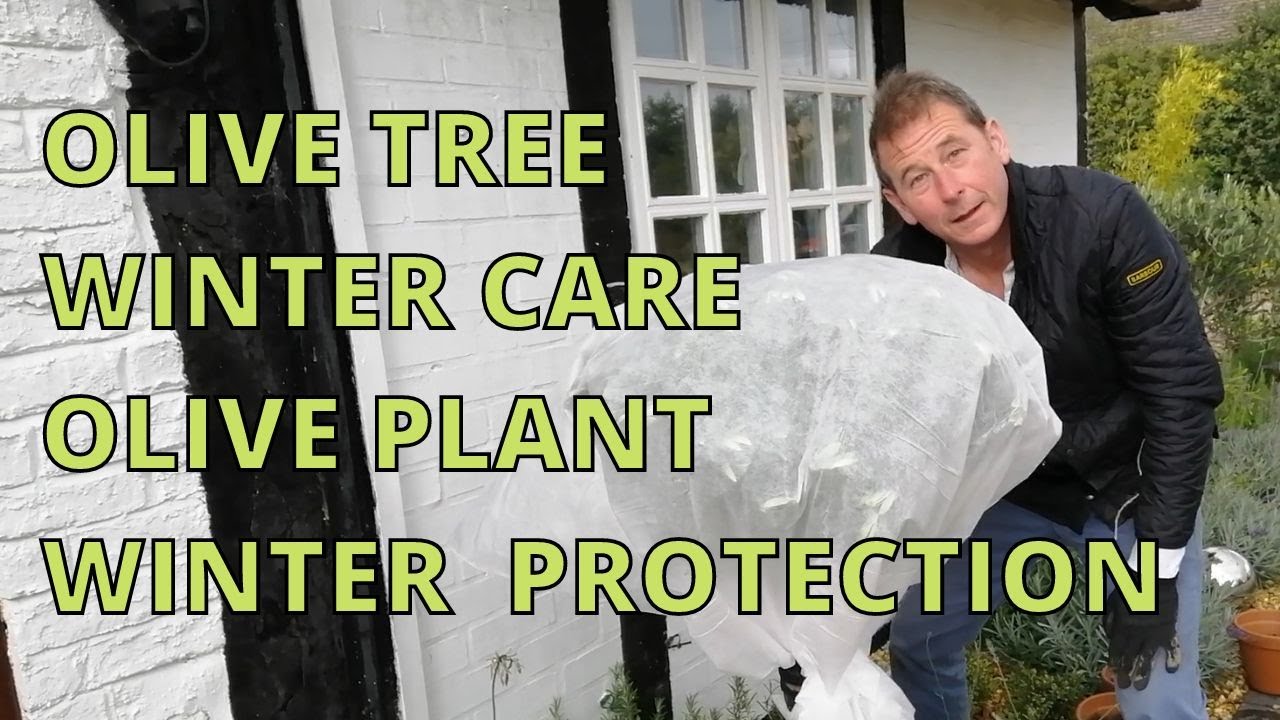
Credit: www.youtube.com
Tree Wrapping For Specific Regions
Tree wrapping techniques vary by region.
Northeast Us
- Heavy snow and cold
- Use thick burlap, double wraps, mulch
Midwest Us
- Ice, frost cracks
- Use paper wraps, spiral guards, mulch
Southern Us
- Occasional frost, mild winters
- Use light wraps, focus on animal protection
Western Us
- Dry cold, wind
- Use wind screens, mulch, breathable wraps
Understanding your area helps you choose the right protection.
Tree Wrapping For Commercial Orchards
Orchards face unique challenges—large numbers of trees, animal pests, and weather extremes.
Best Practices
- Wrap all young trees, especially fruit trees
- Use spiral guards for animal control
- Inspect wraps monthly
- Mulch rows for root protection
Commercial growers often use machine-applied wraps for speed and consistency.
Comparing Tree Wraps And Other Winter Protection Methods
Tree wrapping isn’t the only option. Here’s a quick comparison:
| Protection Method | Main Benefit | Downside |
|---|---|---|
| Tree wrap | Protects trunk | Requires removal |
| Mulch | Insulates roots | Can attract pests |
| Fencing | Blocks animals | Higher cost |
| Wind screens | Reduces wind burn | Needs installation |
Using multiple methods gives the best results.
How To Wrap Trees For Winter Protection: Summary Checklist
Here’s a quick summary for easy reference:
- Identify at-risk trees: Young, fruit, thin-barked, exposed.
- Choose the right wrap: Burlap, paper, plastic, spiral guards.
- Prepare trunk: Clean and inspect.
- Wrap from base upward, overlap layers.
- Secure top with biodegradable tape.
- Check tightness—snug but not choking.
- Add mulch and fencing if needed.
- Inspect wraps monthly.
- Remove wraps in early spring.
- Record results for next year.
Where To Learn More
If you want deeper advice, universities and gardening centers offer detailed guides. For scientific studies, visit the University of Minnesota Extension.
Frequently Asked Questions
How Long Should I Leave The Tree Wrap On?
Remove wraps in early spring, before buds swell. Leaving wraps on too long can cause mold or restrict growth.
Can I Reuse Tree Wraps Each Year?
Most wraps can be reused if they are clean and undamaged. Inspect for tears or pests before reusing.
Is Wrapping Trees Necessary In Mild Climates?
In mild climates, wrapping is less critical. Still, young trees and fruit trees benefit from protection against animals and sunscald.
What Is The Best Material For Tree Wrap?
Paper wraps are best for sunscald, burlap for wind protection, and plastic for animal damage. Choose based on your climate and tree type.
Will Tree Wrapping Protect Against All Winter Damage?
Wrapping protects trunks, but roots and branches need extra care. Combine wrapping with mulching, watering, and fencing for full winter protection.
Protecting your trees from winter damage is easier than it seems. With the right materials, careful timing, and regular checks, your trees will survive and grow stronger each year. By following these steps, you’ll enjoy healthier landscapes and better harvests in the seasons ahead.