
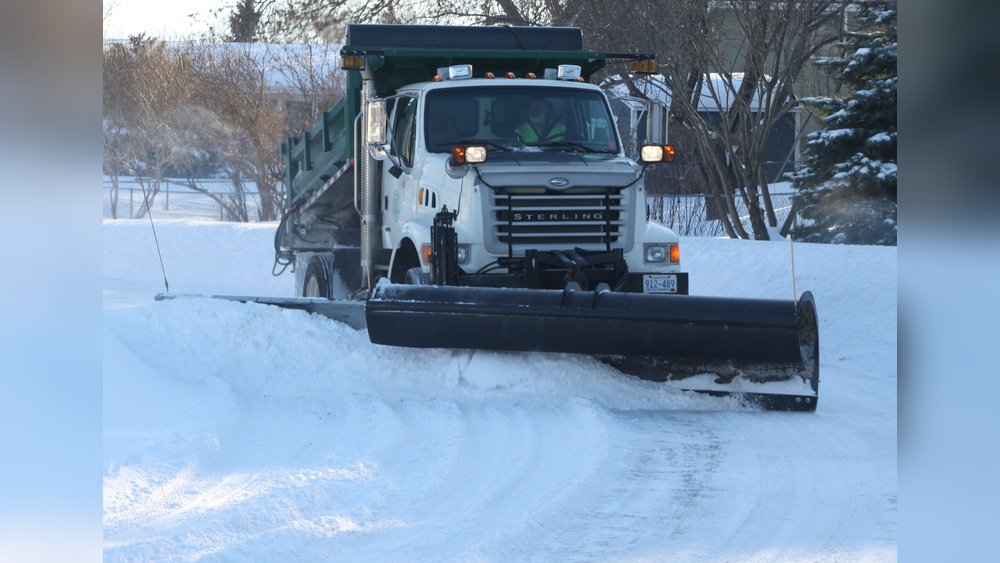
Every winter, homeowners and property managers face a challenge: protecting grass from snow plow damage. When snow plows clear roads, driveways, or parking lots, their sharp tips often scrape, tear, or uproot grass. This damage is not only unsightly, but it can also lead to costly repairs, poor lawn health, and erosion in spring. If you live in a snowy area, learning how to shield grass from snow plows is essential for keeping your landscape healthy and attractive.
Let’s dive into practical strategies, real-world examples, and smart tips that will help you protect your grass throughout the snowy months. Whether you manage a commercial property, care for a home lawn, or maintain public spaces, this guide covers everything you need to know.
You’ll find solutions for different budgets and climates, plus expert advice that helps you avoid common mistakes.
Why Snow Plow Tips Harm Grass
Snow plow blades are designed for strength and efficiency. Their steel or rubber tips push and lift heavy snow. However, these same features make them dangerous for grass. When a plow moves over a lawn’s edge, the tip can:
- Scrape away the top layer of soil and grass
- Cut deep ruts into turf
- Uproot grass roots
- Compact soil beneath the grass
This damage happens quickly, especially when snow covers boundaries and hides lawn edges from plow operators. Grass torn up in winter may not recover well, especially if roots are exposed or soil is removed. In spring, you’ll notice brown patches, uneven surfaces, and sometimes puddles where soil has been compacted.
How Severe Is The Problem?
According to the National Snow & Ice Data Center, residential properties in snowy states lose up to 25% of their lawn edges each winter due to snow plow damage. Commercial sites may spend thousands on turf repair every spring. Urban areas with frequent plowing see more severe damage, especially in high-traffic zones.
Common Mistakes When Protecting Grass
Many property owners try to shield their grass using simple methods. Unfortunately, some approaches do more harm than good. Avoid these mistakes:
- Using wooden stakes: These can break under plow pressure and leave splinters in the ground.
- Placing rocks or bricks: Heavy objects may protect grass but can damage plow blades or become projectiles.
- Ignoring boundaries: Not marking lawn edges leads to accidental plowing over grass.
- Over-relying on snow fences: Fences redirect snow but don’t always stop plow blades.
- Skipping fall preparation: Waiting until winter makes protection harder.
Knowing what doesn’t work is just as important as learning what does. Let’s look at proven methods next.
Proven Ways To Protect Grass From Snow Plows
1. Install Durable Lawn Markers
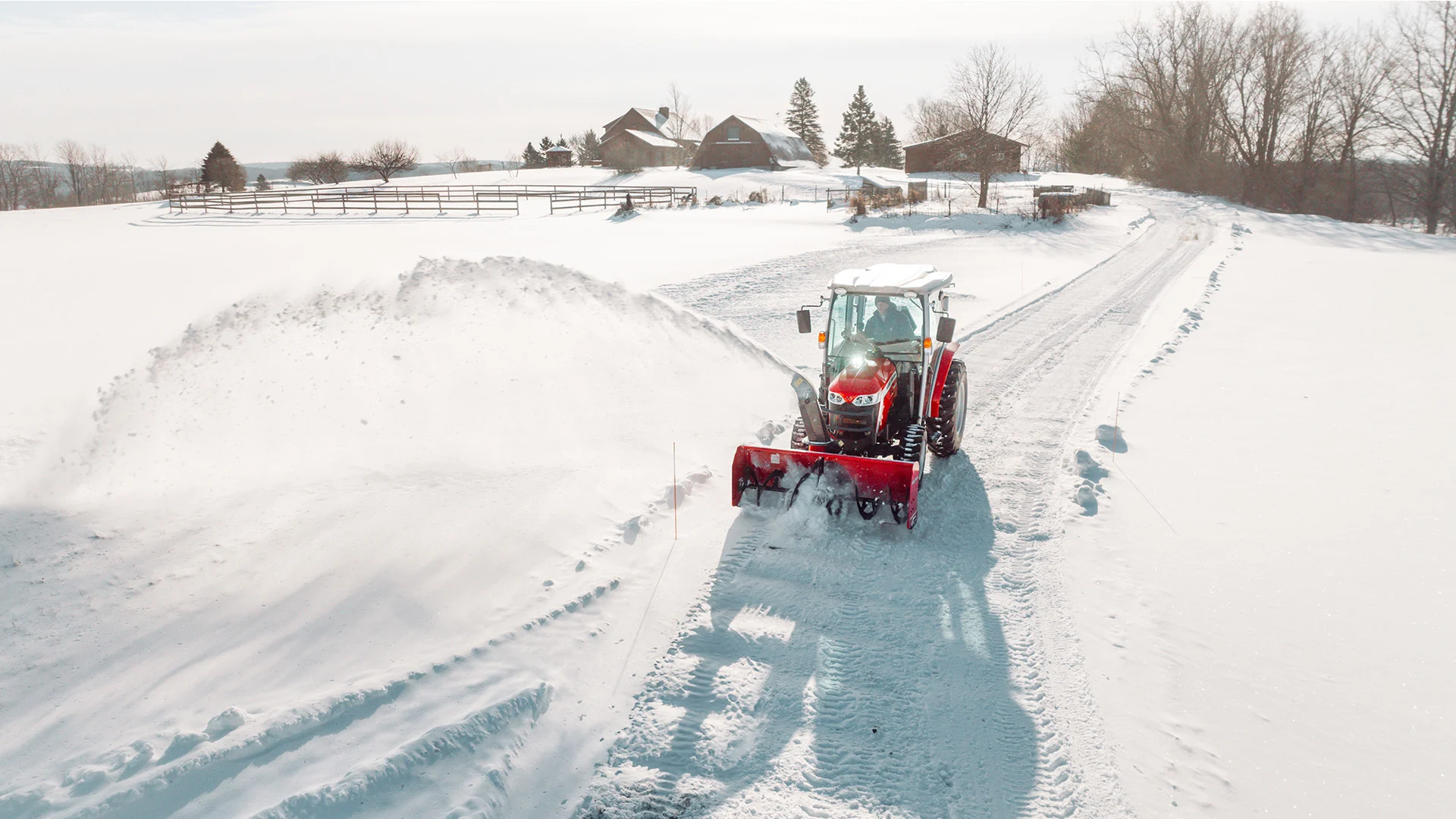
Lawn markers are simple, affordable, and effective. They show plow drivers where the lawn begins and pavement ends, even when snow is deep.
- Use high-visibility stakes (orange or yellow plastic)
- Space markers every 3–5 feet
- Place markers at curves, corners, and driveway entrances
Markers should be tall enough to remain visible after heavy snowfall. Avoid wood or metal stakes; they can break or rust. Plastic markers are safer and easy to install.
2. Add Flexible Turf Guards
Turf guards are plastic or rubber barriers that sit at the lawn’s edge. They flex when hit by a plow, absorbing impact and reducing grass damage.
- Install guards along driveways, roads, and parking lots
- Choose guards that are UV-resistant and weatherproof
- Secure with ground anchors
Flexible guards protect the edge without harming plow equipment. They’re ideal for commercial properties and places with frequent plowing.
3. Use Snow Fencing Strategically
Snow fencing helps manage snow drift and keeps snow off your lawn. While it doesn’t stop plow blades, it keeps snow piles away from grass, reducing the need for plowing near the lawn.
- Place fencing 10–20 feet from lawn edges
- Use durable, mesh fencing
- Anchor fencing firmly to prevent collapse
Snow fencing works best in windy areas or open spaces. It’s a good option for larger properties.
4. Reinforce Lawn Edges With Gravel Or Mulch
Creating a buffer zone with gravel or mulch can help absorb plow impact and prevent grass uprooting.
- Add a 6–12 inch strip of gravel or mulch along lawn edges
- Use landscape fabric underneath to prevent weeds
- Maintain the buffer yearly
This method reduces soil erosion and makes boundaries clearer. The buffer also protects grass roots from freeze-thaw cycles.
5. Train Plow Operators
Operator training is critical, especially for commercial properties. Many grass injuries occur because plow drivers don’t know where the lawn begins or how to avoid it.
- Provide clear maps of property boundaries
- Mark all edges before winter
- Remind operators to slow down near lawn areas
Training prevents accidents and saves money on repairs. For homes, remind hired plow services about your lawn boundaries.
6. Choose The Right Plow Blade
Different plow blades offer varying levels of safety for grass. Rubber-tipped blades are softer and less likely to scrape turf than steel tips.
- Use rubber or polyurethane blades for residential areas
- Replace worn blades before winter
- Adjust blade height to avoid digging into soil
Rubber blades may not clear snow as effectively as steel, but they’re gentler on landscaping.
7. Prepare Lawn For Winter
Healthy, strong grass is less likely to suffer severe damage. Preparing your lawn before snow arrives can make a big difference.
- Aerate soil in fall to reduce compaction
- Fertilize grass for root strength
- Mow grass to the correct height (2–3 inches)
- Remove leaves and debris
A well-prepared lawn is resilient and recovers faster from winter stress.
Comparison Of Protection Methods
Let’s compare the most popular grass protection methods for snow plows:
| Method | Effectiveness | Cost | Ease of Installation | Best For |
|---|---|---|---|---|
| Lawn Markers | High | Low | Easy | Homes, small lots |
| Turf Guards | Very High | Moderate | Moderate | Commercial, high-traffic |
| Snow Fencing | Medium | Low | Easy | Large properties |
| Gravel/Mulch Buffer | Medium-High | Low-Moderate | Moderate | Homes, slopes |
| Operator Training | High | Low | Easy | Commercial |
| Rubber Plow Blades | Medium-High | Moderate | Easy | Residential |
Credit: maplelanefarmservice.ca
How To Mark Lawn Edges For Maximum Protection
Marking your lawn’s edge is one of the simplest and most effective ways to prevent snow plow damage. Here’s how to do it:
Step-by-step Lawn Edge Marking
- Choose marker type: Select tall, brightly colored plastic stakes.
- Measure spacing: Place markers every 3–5 feet.
- Install before first snowfall: Get markers in place while the ground is soft.
- Highlight corners and curves: Use extra markers in tricky spots.
- Check visibility: Make sure markers stand out against snow and darkness.
Example
A home in Minnesota placed orange plastic stakes every 4 feet along the driveway and sidewalk. The markers stood 30 inches tall, ensuring visibility even after heavy snow. The property saw zero grass damage that winter, compared to previous years with broken lawn edges.
Preventing Snow Plow Damage In High-traffic Areas
Commercial properties and busy roads face unique challenges. Plows move quickly, and grass is often right next to pavement. Here are advanced strategies:
1. Use Commercial-grade Turf Guards
Install heavy-duty turf guards made from rubber or reinforced plastic. These guards flex but don’t break, absorbing impact and protecting grass roots.
2. Reinforce Boundaries With Concrete Edging
Concrete edging creates a permanent barrier between pavement and grass. It prevents plow blades from crossing into the lawn. Install edging flush with the ground for best results.
3. Schedule Regular Inspections
Check lawn boundaries after each snowfall. Look for broken markers, exposed soil, or signs of damage. Fix problems early to avoid further injury.
Data: Grass Recovery After Snow Plow Injury
How long does grass take to recover after snow plow damage? Studies from the University of Minnesota Extension show:
| Type of Damage | Recovery Time (Spring) | Repair Cost (per sq. ft.) |
|---|---|---|
| Minor Scrapes | 4–6 weeks | $0.50 |
| Deep Ruts | 8–12 weeks | $1.25 |
| Uprooted Turf | 10–16 weeks | $2.00 |
| Compacted Soil | 6–8 weeks | $0.75 |
This data shows that preventing damage is much easier and cheaper than repairing grass later.
Smart Lawn Preparation For Winter
Getting your lawn ready for winter helps reduce the risk of plow damage and improves spring recovery. Here’s what works best:
1. Fall Aeration
Aerate the soil in late fall. This reduces compaction and helps roots grow deep. Use a core aerator for best results.
2. Fertilization
Apply a winter fertilizer with slow-release nitrogen. This strengthens roots and helps grass survive plow scrapes.
3. Mowing
Mow grass to 2–3 inches before snowfall. Shorter grass is less likely to be uprooted.
4. Leaf Removal
Clear leaves and debris so plow blades don’t catch and drag material across the lawn.
5. Watering
Water deeply in late fall if the weather is dry. Healthy roots resist cold and stress better.
Real-life Examples Of Grass Protection
Homeowner Success Story
A family in Michigan installed both lawn markers and a gravel buffer along their driveway. They also trained their snow plow operator to avoid the lawn edge. That winter, their grass suffered no damage, saving them over $500 in spring repair costs.
Commercial Property Case
A shopping center in Wisconsin used turf guards and scheduled weekly boundary inspections. They also switched to rubber-tipped plow blades. The result: a 60% reduction in grass repair expenses compared to previous winters.
Advanced Tips For Snow Plow Damage Prevention
1. Use Gps Mapping
Some commercial properties now use GPS mapping to show plow operators exact boundaries. This technology helps prevent accidental plowing over grass, especially in large lots.
2. Install Heated Driveway Edges
Heated driveway edges melt snow before it reaches the lawn, reducing the need for plowing near grass. This system is expensive but highly effective for luxury properties.
3. Apply Temporary Lawn Mats
Place temporary mats over grass edges during peak snow periods. Mats protect roots from plow blades and can be removed in spring.

Credit: landzie.com
Environmental Impact Of Snow Plow Damage
Grass damage isn’t just cosmetic. It can lead to soil erosion, water runoff, and reduced lawn health. Damaged grass may also need extra fertilizer and water in spring, increasing environmental costs.
- Soil erosion can carry fertilizers and chemicals into waterways
- Compacted soil reduces water absorption, causing puddles and flooding
- Repairing damaged turf increases lawn care costs and carbon footprint
Protecting grass helps keep your property healthy and reduces environmental harm.
How To Repair Grass After Snow Plow Damage
If your lawn is damaged, act quickly in spring:
Step-by-step Repair
- Remove debris: Clear broken turf, rocks, and soil.
- Loosen soil: Aerate or till compacted spots.
- Add topsoil: Fill ruts and holes.
- Reseed: Use a high-quality grass seed for your climate.
- Water regularly: Keep soil moist until grass establishes.
- Fertilize: Use starter fertilizer for new growth.
Repair costs vary. Minor scrapes may cost under $1 per square foot, while deep ruts or uprooted grass can be much more expensive. Act early for best results.
Choosing The Best Protection For Your Property
Not all methods suit every property. Consider these factors:
- Budget: Lawn markers and gravel buffers are affordable. Turf guards and heated edges cost more.
- Property size: Larger lots need more markers or fencing.
- Traffic level: Busy areas need tougher barriers.
- Climate: Heavy snow calls for higher markers and flexible guards.
- Aesthetics: Choose methods that match your landscape design.
For most homes, lawn markers plus a gravel buffer offer strong protection. Commercial sites benefit from turf guards and training.
Key Insights For Beginners
- Timing matters: Install protection before the first snowfall. Waiting too late makes installation difficult and less effective.
- Visibility saves grass: Make sure markers are visible in all conditions. Poor visibility leads to accidental plowing.
- Operator training is often overlooked: Many property owners skip this step, but trained drivers cause far less damage.
Geographic Factors: What To Consider
The best protection depends on your location:
- Northern states: Heavy snow and frequent plowing need durable markers and turf guards.
- Mountain regions: Use snow fencing to manage drifts and protect grass from wind-driven snow.
- Urban areas: Concrete edging and GPS mapping are effective for busy streets.
- Rural properties: Gravel buffers and flexible guards work well for long driveways.
Knowing your region’s snow patterns helps you choose the right approach.
Cost Comparison: Protection Vs. Repair
Let’s look at the numbers:
| Protection Method | Average Cost (per season) | Repair Cost (per season) | Savings |
|---|---|---|---|
| Lawn Markers | $50 | $300 | $250 |
| Turf Guards | $200 | $1,000 | $800 |
| Gravel Buffer | $150 | $600 | $450 |
| Concrete Edging | $500 | $1,500 | $1,000 |
Investing in protection saves money and hassle in the long run.
Credit: architettitrieste.it
Frequently Asked Questions
How Early Should I Install Lawn Markers?
Install lawn markers before the first snowfall, ideally in late fall. This ensures they’re firmly in place and visible when snow arrives. Waiting until winter can make installation difficult, especially if the ground is frozen.
Are Rubber-tipped Snow Plow Blades Safe For All Grass Types?
Yes, rubber-tipped blades are generally safe for all grass types. They are softer than steel tips and less likely to uproot or scrape turf. However, they may not clear heavy ice as effectively, so check local snow conditions before choosing.
What’s The Best Buffer Material For Lawn Edges?
Gravel and mulch both work well. Gravel is durable and absorbs impact, while mulch is softer and blends with landscaping. Use landscape fabric under gravel to prevent weeds. The best material depends on your budget and design preferences.
Can I Use Snow Fencing For Small Properties?
Yes, snow fencing can be used on small properties, but it’s most effective in open or windy areas. On small lots, use fencing to keep snow piles away from grass edges. Combine fencing with lawn markers for maximum protection.
How Do I Repair Compacted Soil After Snow Plow Damage?
Aerate compacted soil in spring using a core aerator or garden fork. Add topsoil if needed, then reseed and water regularly. Compacted soil can slow grass recovery, so act quickly for best results.
Protecting your grass from snow plow tips is a smart investment. By using lawn markers, turf guards, buffers, and training, you can keep your landscape healthy and avoid costly repairs. With these strategies, your lawn will look great every spring—no matter how much snow falls. For more detailed research, visit the University of Minnesota Extension.