
Setting up an outdoor dining area is more than just placing a table and chairs in your backyard. It’s about creating a comfortable, inviting space where meals become memorable and guests feel relaxed. Whether you’re aiming for a cozy family patio or a stylish entertaining zone, planning your outdoor dining area can transform how you use your outdoor space. The right setup boosts not only the beauty of your home but also your enjoyment of everyday living.
Many people overlook key details that turn a simple outdoor meal into a delightful experience. From choosing the best spot to selecting furniture that lasts, each decision matters. Factors like weather, lighting, and privacy all play roles in how enjoyable your space feels.
This guide gives you clear, practical tips for every step—plus insights most beginners miss. Let’s explore how to set up an outdoor dining area you’ll love to use, not just admire.
Choosing The Right Location
The foundation of a successful outdoor dining area is its location. A good spot blends convenience, comfort, and atmosphere. Start by asking: Where do you feel most relaxed outside your home?
- Proximity to the Kitchen: Place your dining space near the kitchen or grill. This makes serving and clearing dishes much easier. If your yard is large, consider a path or stepping stones to connect the kitchen and dining area.
- Sun and Shade: Observe where the sun shines during your usual meal times. Early dinners may need a shaded spot, while breakfast lovers might enjoy morning sun. Avoid low areas that collect water or get muddy after rain.
- Wind Protection: Strong winds can ruin a meal. Look for natural barriers like walls, fences, or shrubs. If your yard is open, you may need to add a windbreak or plant hedges for comfort.
- Privacy: Eating outdoors is best when you feel at ease. Position your dining area away from street view or neighbor’s windows. Use landscaping, lattice screens, or outdoor curtains for extra privacy.
- Views and Ambiance: If possible, pick a spot with a pleasant view. Even a small garden or water feature adds to the dining experience.
Non-obvious insight: Many people underestimate the effect of ground slope. A slightly tilted surface can make tables and chairs wobble. Level your chosen spot before setting up furniture.
Deciding On The Size And Layout
The size and layout of your outdoor dining area depend on how many people you want to seat and how you use the space.
Measuring Your Space
- Measure the area you plan to use. Leave at least 3 feet (about 1 meter) of clearance around the dining table for chairs and easy movement.
- For small patios, compact furniture or benches may fit better than bulky chairs.
- For larger gatherings, modular tables or extendable options give flexibility.
Table Size Recommendations
Here’s a quick guide to table sizes and seating:
| Table Shape | Seats | Recommended Table Size |
|---|---|---|
| Round | 4 | 42–48 inches diameter |
| Rectangular | 6 | 72–84 inches long |
| Square | 8 | 60–72 inches per side |
Layout Tips
- Arrange furniture so guests can move comfortably.
- Leave a clear path to the entrance, grill, or garden.
- Consider extra space for side tables, a serving cart, or plant containers.
Non-obvious insight: Don’t overcrowd with too many chairs or décor. Open space makes the area feel bigger and more inviting.
Selecting Furniture That Lasts
Outdoor furniture faces sun, rain, and temperature changes. Choose pieces made for outdoor use and think about how much time you want to spend on maintenance.
Common Outdoor Furniture Materials
| Material | Pros | Cons |
|---|---|---|
| Teak Wood | Durable, ages well, classic look | Expensive, needs oiling |
| Aluminum | Lightweight, rustproof, low maintenance | Can blow away in wind |
| Wicker/Rattan | Stylish, comfortable | Needs covering, can fade in sun |
| Plastic/Resin | Affordable, easy to clean | Less sturdy, may discolor |
| Steel/Iron | Strong, elegant designs | Heavy, can rust if not coated |
Comfort Features
- Add outdoor cushions or pillows for softness. Choose weather-resistant fabrics like Sunbrella or Olefin.
- Benches seat more people, but chairs with armrests are more comfortable for long meals.
Maintenance Tips
- Store cushions indoors when not in use.
- Use furniture covers to protect during bad weather.
- Clean surfaces regularly to prevent mold and stains.
Practical example: If you live in a coastal area, choose aluminum or resin furniture to avoid rust from salty air.
Creating Shade And Shelter
Too much sun or a sudden rain can spoil outdoor dining. Plan for shade and protection to keep your area usable in different weather.
Shade Solutions
- Umbrellas: Easy to move and adjust. Choose a heavy base for stability.
- Pergolas: Provide structure for climbing plants or fabric covers.
- Retractable Awnings: Extend or close as needed. Good for patios near the house.
- Shade Sails: Modern look, flexible shapes, and coverage for large areas.
- Trees and Plants: Natural shade plus beauty and cooling.
Shelter From Rain
- Canopies and gazebos offer full coverage and can include mosquito netting.
- Waterproof outdoor curtains can block light rain and provide privacy.
Non-obvious insight: Avoid placing fabric shades directly under trees with sticky sap or messy fruit. Cleaning becomes a chore.
Lighting For Ambiance And Safety
Proper lighting makes outdoor meals possible after sunset and creates a warm, inviting mood.
Types Of Outdoor Lighting
- String Lights: Hang above the table for a festive look.
- Lanterns: Portable and decorative, use battery or solar power.
- Wall Sconces: Attach to house walls for steady lighting near doors.
- Path Lights: Guide guests safely to and from the dining area.
Lighting Placement Tips
- Use soft, warm bulbs (2700K–3000K) for relaxing light.
- Place lights at different heights for interest—overhead, tabletop, and floor.
- Avoid harsh spotlights directly above diners.
Power Options
- Solar lights are easy to install and eco-friendly.
- Outdoor-rated extension cords or outlets may be needed for plug-in lights.
Practical tip: Combine several light sources for flexibility. For example, use string lights for main lighting and candles for extra charm on the table.
Flooring And Ground Surface Choices
The right flooring makes your dining area stable, stylish, and easy to clean.
Popular Outdoor Flooring Options
| Surface Type | Advantages | Drawbacks |
|---|---|---|
| Paving Stones | Durable, many styles, easy to clean | Needs a level base, higher cost |
| Decking (Wood/Composite) | Warm look, comfortable underfoot | Requires maintenance, can be slippery |
| Concrete | Sturdy, low-cost, can be painted | Hard surface, cracks over time |
| Gravel | Good drainage, rustic look | Chairs can sink, not ideal for heels |
| Outdoor Rugs | Soft, affordable, easy to change | Needs cleaning, may trap moisture |
Installation Tips
- Level the ground before adding any surface.
- Use weed barriers under pavers or gravel.
- For rugs, choose quick-drying materials and lift them to dry after rain.
Non-obvious insight: If you have a lawn, place stepping stones from your house to the dining area. This keeps shoes clean and reduces tracked dirt.
Adding Comfort: Cushions, Throws, And Accessories
Small touches make outdoor dining much more enjoyable. Comfort encourages guests to linger and relax.
Essential Accessories
- Cushions and Pillows: Add color and softness. Use patterns that hide stains and zip-off covers for washing.
- Throws and Blankets: Offer warmth for cool evenings.
- Outdoor Tablecloths: Protect surfaces and add style. Look for waterproof or easy-clean fabrics.
- Bug Repellents: Citronella candles, fans, or mesh domes keep insects away.
Tableware For Outdoors
- Unbreakable plates and glasses (melamine, acrylic, or stainless steel) prevent accidents.
- Weighted napkin holders keep linens from blowing away.
Storage Solutions
- Outdoor storage boxes keep cushions, blankets, and tableware handy but protected.
- Hooks or shelves on nearby walls store lanterns or serving trays.
Practical tip: Keep a small caddy with essentials—napkins, utensils, bug spray—so you don’t run back inside during meals.
Creating Privacy And Defining The Space
A sense of privacy makes dining outdoors feel more comfortable and exclusive. Clear boundaries also add style and help the area feel like a “room” outside.
Privacy Options
- Living Walls: Tall plants, hedges, or bamboo screen views and buffer noise.
- Fences and Trellises: Wood, metal, or composite panels can fit any style.
- Outdoor Curtains: Hang from pergolas or poles for a soft, breezy look.
Defining The Area
- Lay a large outdoor rug under the table to visually anchor the space.
- Use planters or low walls as subtle borders.
- Hang a sign or art piece to personalize the area.
Non-obvious insight: Mix solid and see-through elements. For example, combine a trellis with climbing plants. This lets in light while blocking unwanted views.
Planning For Weather: Heating, Cooling, And All-season Use
To get the most from your outdoor dining, make the space comfortable in more than just perfect weather.
Heating Options
- Patio Heaters: Propane or electric, these add warmth for chilly nights.
- Fire Pits: Create a cozy atmosphere and let guests roast marshmallows.
- Tabletop Heaters: Compact and safe for small spaces.
Cooling Solutions
- Ceiling or Standing Fans: Move air and deter insects.
- Misters: Fine water spray cools hot patios quickly.
- Shade Plants: Trees or large potted plants provide cooling naturally.
All-season Tips
- Store cushions and blankets in a waterproof box during rain.
- Use removable covers or tarps for furniture in winter.
- Add a small shed or storage bench nearby for quick clean-up.
Practical example: In humid areas, choose mildew-resistant fabrics and avoid thick cushions that trap moisture.
Personalizing With Plants And Décor
Plants and decorative details bring life and personality to your outdoor dining area.
Choosing Plants
- Use low-maintenance potted plants like succulents, lavender, or herbs.
- Tall grasses or bamboo can add height and privacy.
- Flowering plants offer color and attract pollinators.
Decorating Ideas
- Hang string lights or lanterns from trees or pergolas.
- Add outdoor art, such as metal sculptures or weatherproof wall hangings.
- Place a centerpiece on the table—fresh flowers, candles, or a bowl of fruit.
Scent And Sound
- Scented plants like jasmine or mint make the area more inviting.
- Add a small fountain or wind chimes for relaxing background noise.
Non-obvious insight: Group pots of herbs near the table. Guests can snip fresh basil, mint, or rosemary for their food—practical and fragrant.
Safety Considerations
Safety is easy to overlook but critical for enjoyable outdoor dining, especially with children or older guests.
Key Safety Tips
- Check that all furniture is stable and has no sharp edges.
- Use slip-resistant pads under rugs.
- Keep walkways clear and well-lit.
- Place heaters and fire pits away from flammable materials and always follow manufacturer instructions.
Bug And Pest Control
- Cover food when not eating.
- Remove standing water to avoid mosquitoes.
- Use natural repellents if possible, to avoid chemical smells during meals.
Practical tip: Install childproof locks on gates or barriers if young kids will be present.
Entertaining And Hosting Outdoors
An outdoor dining area is perfect for gatherings, but a little planning makes hosting stress-free.
Setting Up For Guests
- Plan seating arrangements in advance. Mix different chair types for a relaxed look.
- Set up a drink station or cooler outside so guests can help themselves.
- Use serving carts or trays to carry food and dishes.
Weather Backup Plan
- Keep a quick-to-set-up canopy or tent on hand for sudden rain.
- Have a spot indoors ready in case of extreme weather.
Music And Entertainment
- Use portable speakers for background music at a low volume.
- Board games or lawn games keep guests engaged.
Non-obvious insight: Offer a small “comfort basket” with sunscreen, bug spray, and hand wipes for guests.

Credit: www.youtube.com
Budgeting Your Outdoor Dining Area
Costs can add up quickly when designing an outdoor space. Planning your budget helps you prioritize what matters most.
Cost Breakdown Example
- Furniture: $500–$2,000+
- Shade/Shelter: $100–$1,500
- Lighting: $50–$300
- Flooring: $200–$1,200
- Accessories: $50–$300
Tips To Save Money
- Repurpose indoor furniture (with weatherproof covers) or buy secondhand.
- Start with essentials and add décor over time.
- Use DIY projects for planters, lighting, or privacy screens.
Practical tip: Invest most in high-use items, like a durable table and chairs, before spending on extras.
Sustainability And Eco-friendly Choices
An outdoor dining area can be beautiful and environmentally friendly.
Sustainable Materials
- Choose FSC-certified wood, recycled plastic, or reclaimed materials.
- Use solar-powered lights and water-saving plants.
Reducing Waste
- Use reusable tableware instead of disposables.
- Compost food scraps and plant waste.
Eco-friendly Maintenance
- Clean with natural products.
- Collect rainwater for watering plants.
Non-obvious insight: Consider a small compost bin near the dining area for easy clean-up after meals.

Credit: www.coversandall.co.uk
Practical Tips For Small Spaces
Even a tiny balcony or patio can host a great outdoor dining spot.
Space-saving Ideas
- Use foldable tables and stackable chairs.
- Hang planters or shelves on walls.
- Choose furniture with hidden storage.
Visual Tricks
- Use mirrors to reflect light and make the area feel bigger.
- Stick to a simple color palette for a calm, open look.
Practical tip: Multifunctional furniture—like benches with storage—maximizes every inch.
Common Mistakes To Avoid
Learning from others’ errors saves time and money.
- Ignoring the sun’s path: Placing tables where afternoon sun is harsh makes the area uncomfortable.
- Choosing indoor furniture: Even covered patios need weather-resistant materials.
- Forgetting about bugs: Plan ahead with covers and repellents.
- Not leaving enough space: Crowded layouts feel cramped and are hard to use.
- Overdoing decoration: Too many accessories make cleaning difficult.
Non-obvious insight: Set up your area and test it for a week before inviting guests. Adjust as needed for comfort and flow.
Inspiration From Around The World
Outdoor dining is a global tradition, and different cultures offer unique ideas.
- Mediterranean patios: Use terracotta tiles, olive trees, and bright fabrics.
- Japanese gardens: Incorporate low tables, bamboo, and water features for calm.
- American backyard BBQs: Focus on large tables, grills, and casual seating.
- French bistro style: Small round tables, metal chairs, and potted flowers.
Take inspiration but adapt to your climate and lifestyle.
Maintaining Your Outdoor Dining Area
Regular care keeps your space looking good and lasting longer.
Cleaning Routine
- Wipe tables and chairs after each use.
- Shake out rugs and wash cushions monthly.
- Clean lighting fixtures of dust and bugs.
Seasonal Care
- Oil wood furniture yearly.
- Check for loose screws or wobbly parts.
- Store or cover everything before winter or storms.
Practical tip: Schedule a deep clean at the start of each season.
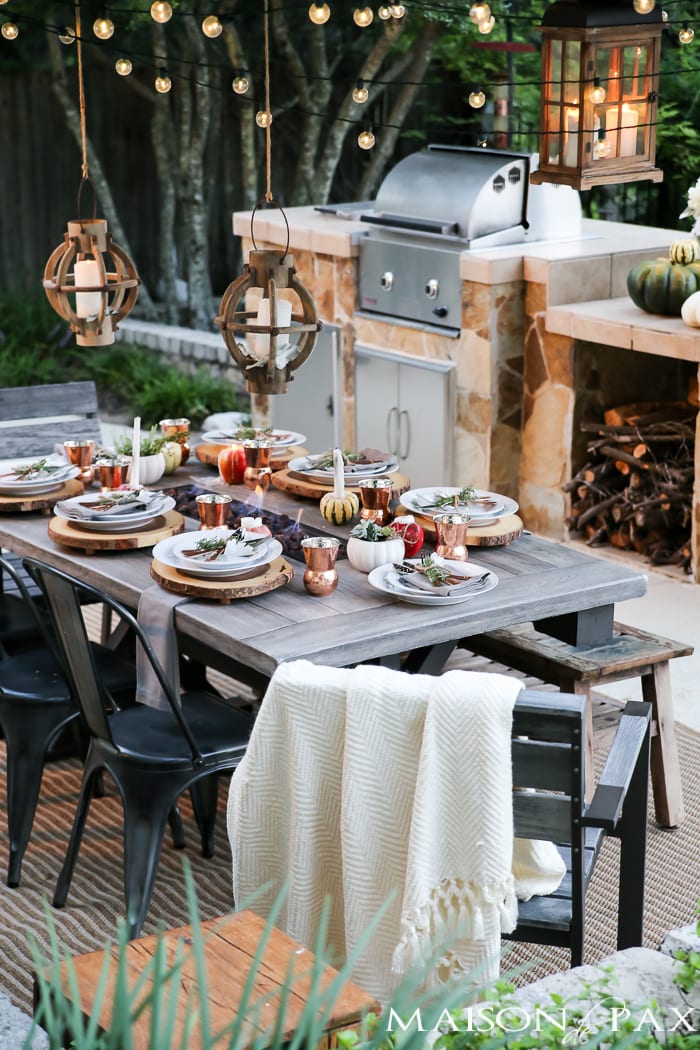
Credit: www.maisondepax.com
Frequently Asked Questions
How Do I Keep My Outdoor Dining Area Bug-free?
Use a mix of citronella candles, fans, and mesh food covers. Remove standing water and keep food covered. Plant insect-repellent herbs like basil or mint nearby.
What’s The Best Material For Outdoor Dining Furniture?
Aluminum and teak wood are both durable and weather-resistant. Aluminum is lightweight and rustproof, while teak is strong and ages well. Choose based on your climate and how much maintenance you want to do.
How Do I Protect My Outdoor Dining Area From Rain?
Install a retractable awning, canopy, or waterproof umbrella. Store cushions and tableware indoors or in waterproof boxes. For frequent rain, consider a gazebo or pergola with a solid roof.
What Is The Ideal Size For An Outdoor Dining Table?
It depends on how many people you want to seat. For four people, a round table 42–48 inches across works well. For six, a rectangular table about 72–84 inches long is ideal. Always leave at least three feet of space around the table for chairs.
How Can I Make My Outdoor Dining Area Look Bigger?
Use light colors, mirrors, and vertical space (like wall planters or shelves). Keep furniture slim and avoid overcrowding. Hang string lights to draw the eye upward and create a sense of openness.
Setting up an outdoor dining area is a rewarding project that brings friends and family together under the open sky. With the right planning, your space can be beautiful, comfortable, and practical for any occasion. Whether you’re hosting a big party or enjoying a quiet breakfast, a well-designed outdoor dining area adds lasting value to your home and lifestyle. For more inspiration and detailed design ideas, visit the Houzz Outdoor Living Guide. Enjoy every meal outdoors—your backyard dining adventure starts today!