
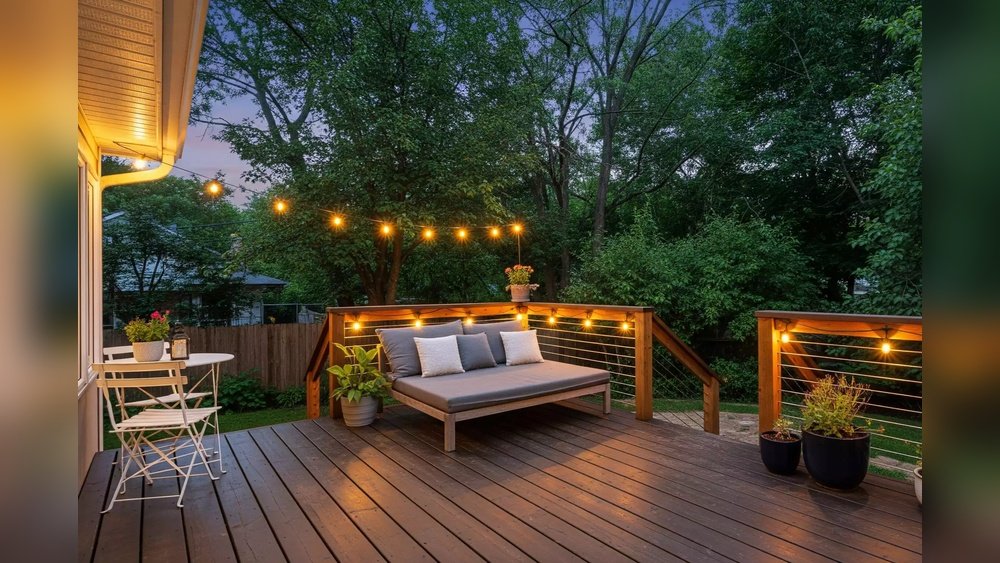
Building a deck can transform your outdoor space into a welcoming area for relaxing, entertaining, or enjoying nature. Many homeowners want to build a deck without a permit to save time, reduce costs, and avoid complicated paperwork. However, this process is not as simple as just picking up some wood and nails. There are important rules, safety issues, and risks to consider. If you’re planning to build a deck without a permit, understanding the details can help you avoid fines, forced removal, or future problems selling your home.
This guide gives you practical advice, smart tips, and real-world examples for building a safe, attractive deck while minimizing legal risks. You’ll learn what’s allowed, how to design within the rules, and which common mistakes to avoid. Whether you’re a DIY beginner or have some building experience, this article will help you make smart decisions for your next project.
Why Do Decks Usually Require Permits?
Most cities and counties in the United States require permits for building decks. Here’s why:
- Safety: Permits ensure decks are safe and follow building codes.
- Property value: Unpermitted structures can lower your home’s value.
- Legal compliance: Building without a permit can lead to fines or forced removal.
- Insurance: Damage to an unpermitted deck may not be covered.
Permits are usually needed when a deck is attached to the house, higher than a certain height (often 30 inches above ground), or over a certain size. Rules can vary, so check your local requirements.
Can You Build A Deck Without A Permit?
The answer depends on your location and the type of deck you want to build. In many places, you can build a small, low, detached deck without a permit. But if you skip the permit for a larger or attached deck, you risk fines and legal trouble. Here are factors that affect permit requirements:
- Deck height: Lower decks (usually under 30 inches) are less regulated.
- Size: Small decks (sometimes under 200 square feet) may not need permits.
- Attachment: Freestanding (not connected to the house) decks are often exempt.
- Location: Rules are stricter in urban areas and neighborhoods with HOAs.
Always verify with your local building department before starting.
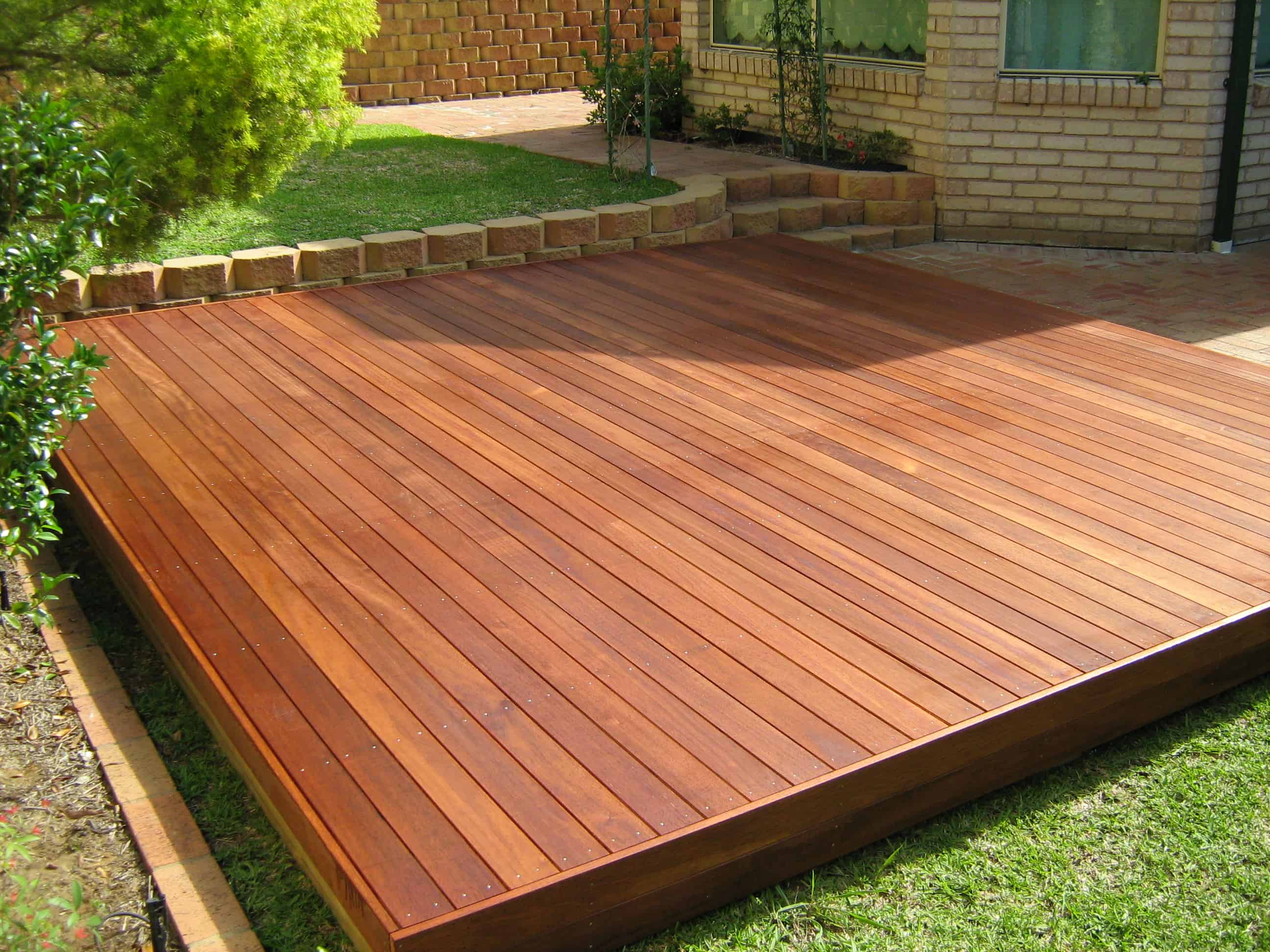
Credit: www.decks-docks.com
Understanding Local Building Codes
Building codes control how decks are constructed for safety. These codes cover:
- Structural support: Beam size, post spacing, and joist placement.
- Footings: Depth and type to prevent sinking or movement.
- Railings: Height and spacing for decks above ground level.
- Materials: Approved lumber or composite for outdoor use.
Not knowing the codes can lead to unsafe decks or legal issues. Visit your city or county website for code details or call the building office.
Types Of Decks That Often Don’t Need Permits
Some decks are usually exempt from permits if they meet certain conditions:
- Ground-level decks: Less than 30 inches above ground.
- Small decks: Under 200 square feet in most areas.
- Detached decks: Not attached to any part of your home.
- No roof or cover: Decks without roofs or enclosures.
- Not used as an exit: Decks not required for emergency escape.
These rules are common, but not universal. Check your local laws for exact limits.
Planning A Deck To Avoid Permit Requirements
Designing your deck to fit within “permit-free” rules can save you time and stress. Here’s how to plan smartly:
1. Measure Carefully
- Keep it low: Plan your deck to stay under the maximum allowed height (often 30 inches).
- Limit the size: Stay below the square footage limit for permit-free decks.
2. Choose A Detached Design
- Build your deck at least a few inches away from your house.
- Use separate steps or a small bridge if you want easy access.
3. Avoid Roofs And Enclosures
- Don’t add a roof, walls, or screens to your deck.
- Covered decks almost always need permits.
4. Mind The Setbacks
- Stay clear of property lines, utilities, and easements.
- Many cities require at least 3-5 feet of clearance from fences or property boundaries.
5. Consider Modular Or Temporary Decks
- Pre-made or modular deck kits can be easier to move and often fall outside permit rules.
- Use blocks or piers instead of permanent concrete footings.
Choosing Materials For An Unpermitted Deck
Selecting the right materials is crucial, especially if you want to avoid future problems. Here’s what to consider:
- Pressure-treated wood: Affordable, resists rot and insects, but needs sealing.
- Composite decking: Low maintenance, long lifespan, but higher upfront cost.
- Concrete deck blocks: Easy for temporary or modular decks, no digging needed.
- Galvanized fasteners: Prevent rust and increase the deck’s lifespan.
Make sure your materials are approved for outdoor use, even if you’re not getting a permit.
Building The Deck: Step-by-step Tips
A smart plan and careful construction make all the difference. Here’s a practical overview:
1. Prepare The Site
- Clear grass, weeds, and debris.
- Level the ground where the deck will sit.
2. Layout The Deck
- Mark the corners with stakes and string.
- Double-check measurements—don’t exceed the size limit.
3. Set The Footings Or Blocks
- For permit-free decks, use concrete deck blocks or precast piers.
- Space them evenly to support the joists.
4. Build The Frame
- Use pressure-treated lumber for all framing.
- Attach the rim joists, then install the inner joists at regular intervals (often 16 inches apart).
5. Install Deck Boards
- Lay boards perpendicular to the joists.
- Leave a small gap (about 1/8 inch) between boards for drainage.
6. Add Stairs (if Needed)
- Keep stairs simple and close to the ground.
- Use at least two stringers for stability.
7. Finish With Railings (if Required)
- If your deck is under 30 inches, railings are usually not needed.
- If you add railings, follow standard spacing (balusters less than 4 inches apart).
8. Inspect For Safety
- Check for wobbly boards or loose screws.
- Make sure everything feels solid and safe.
Safety Considerations For Permit-free Decks
Even if you don’t need a permit, safety is critical. Many DIY decks fail because of weak supports or poor construction. Avoid these mistakes:
- Skipping footings: Decks can sink or shift without proper support.
- Weak connections: Use strong fasteners and brackets, not just nails.
- Poor drainage: Water pooling can rot wood and weaken the structure.
- Ignoring slopes: Build on a flat area or use extra support on hills.
A small deck collapse can cause serious injury and expensive repairs. Build as if a code inspector will check your work.
Legal And Financial Risks Of Building Without A Permit
Before you skip the permit, consider the possible consequences:
- Fines: Cities can fine you $100–$500 or more per day for unpermitted work.
- Forced removal: You may have to tear down the deck if it violates codes.
- Selling problems: Unpermitted decks can delay or block home sales.
- Insurance denial: Home insurance may not cover accidents or damage.
A 2021 survey by the National Association of Realtors found that over 30% of home sales were delayed or lost due to permit issues. It’s a risk worth considering.
Comparing Permit-free And Permitted Decks
For a clearer picture, here’s a side-by-side comparison of key differences:
| Factor | Permit-Free Deck | Permitted Deck |
|---|---|---|
| Time to Build | Faster (No permit wait) | Slower (Permit process adds weeks) |
| Cost | Lower (No permit fees) | Higher (Fees & inspections) |
| Legal Risk | Higher | Low to None |
| Home Value Impact | Potentially negative | Positive or neutral |
| Insurance Coverage | Not guaranteed | Usually covered |

Credit: www.timbertech.com
Smart Tips For Building A Deck Without A Permit
If you decide to move forward, use these expert tips:
- Document everything: Take photos and keep receipts for materials.
- Follow code standards: Build to code even if you’re not inspected.
- Consult a pro: Consider hiring a contractor for design or safety checks.
- Keep it modular: Build in sections for easy removal if needed.
- Use removable fasteners: Screws are easier to undo than nails.
- Avoid utility lines: Check before digging or setting blocks.
- Limit features: Skip permanent lighting, plumbing, or roofs.
- Inform your insurance: Ask if your deck is covered.
- Stay neighbor-friendly: Avoid blocking views or crowding property lines.
- Plan for upgrades: Design so you can expand or upgrade later with a permit.
Real-world Examples And Lessons Learned
Many homeowners have built decks without permits—some with success, others facing problems later. For example:
- Sarah in Ohio built a 180-square-foot, ground-level deck using precast blocks. She avoided a permit by keeping the deck 28 inches high and 5 feet from her fence. Five years later, her deck still looks great and passed a home inspection when she sold her house.
- Mike in California built a 350-square-foot deck attached to his home. He skipped the permit, but a neighbor complained. City inspectors required him to tear down the deck and pay $1,200 in fines. Mike later rebuilt it with a permit.
- Lena in Texas used a modular deck kit on her rental property. Because it was low and detached, she moved it easily when the property was sold.
The lesson: small, well-planned decks using modular systems are less risky, but larger or attached decks without permits can cause expensive headaches.
Common Mistakes To Avoid
Many beginners make the same errors. Here’s what to watch for:
- Misjudging deck height or size: Accidentally going over the limit triggers permit requirements.
- Attaching to the house: Even a small attachment can mean you need a permit.
- Ignoring setbacks: Building too close to property lines can result in forced removal.
- Using untreated wood: This leads to rot, insects, and structural failure.
- Poor drainage: Not accounting for rainwater can damage your deck and home.
- Skipping railings on raised decks: Even if not required, railings prevent accidents.
How To Check Local Rules
Every city, county, or neighborhood can have unique rules. Here’s how to check:
- Visit your local government’s website or building department.
- Search for “deck permit requirements” plus your city name.
- Call the building office if the website isn’t clear.
- Ask about size, height, setbacks, and attachment rules.
- If you live in a homeowners association (HOA), check their rules too.
If you’re not sure, it’s safer to ask before you build.
Table: Permit Requirements In Major Us Cities
Here’s a quick look at common permit thresholds in popular cities:
| City | Permit Needed? | Deck Height Limit | Size Limit (sq ft) |
|---|---|---|---|
| New York, NY | Yes, for most decks | 30 inches | 100 sq ft |
| Los Angeles, CA | Not if under threshold | 30 inches | 120 sq ft |
| Chicago, IL | Yes, for most decks | 48 inches | 200 sq ft |
| Houston, TX | No, if detached & low | 30 inches | 200 sq ft |
| Phoenix, AZ | No, if below threshold | 30 inches | 200 sq ft |
These numbers are examples—rules change often, so always double-check.
Navigating Hoa Rules And Neighborhood Restrictions
Even if your city doesn’t require a permit, your HOA might. HOA guidelines can be stricter than city rules. They often control:
- Deck color and materials
- Location and size
- Style and railings
- Landscaping around the deck
Many HOAs require you to submit plans for approval. Skipping this step can lead to fines or forced changes, even if you’re within city guidelines.
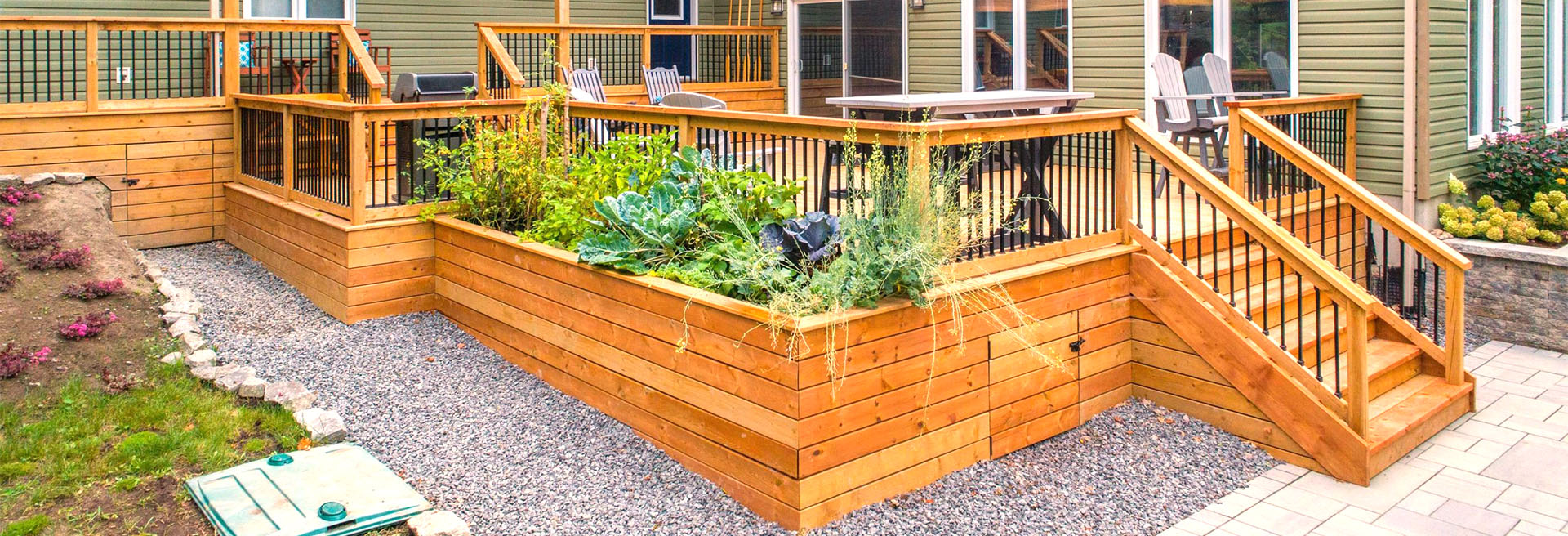
Credit: bendoregon.gov
Insurance Issues With Unpermitted Decks
Many homeowners don’t realize insurance claims can be denied for unpermitted work. If your deck collapses or causes injury, your insurance company may investigate. If they find the deck was built without a permit (and should have had one), you might pay out of pocket for repairs or lawsuits.
Some insurers will cover small, ground-level, detached decks. It’s smart to ask your agent before building. If possible, get their answer in writing.
When It’s Worth Getting A Permit
Sometimes, going through the permit process is the better choice. Consider a permit if:
- Your deck will be attached to your house
- The deck is higher than 30 inches
- The size is above the local limit (often 200 sq ft)
- You want to add a roof or screen
- You plan to sell your house soon
Permits add cost and time, but they protect your investment and safety. They also make selling your home easier.
Alternatives To Traditional Decks
If a regular deck isn’t practical, consider these options:
- Patio pavers: Stone or concrete pads don’t require permits and are easy to install.
- Gravel or mulch platforms: Simple, affordable, and good for temporary use.
- Modular deck kits: Prefabricated sections you can move or reconfigure.
- Portable decks: Platforms on wheels or skids for flexibility.
These alternatives can give you outdoor living space with fewer legal risks.
Table: Deck Material Lifespan Comparison
Choosing the right material affects your deck’s durability, especially for unpermitted projects where you may want a longer lifespan without major repairs.
| Material | Average Lifespan | Maintenance Needs | Permit Impact |
|---|---|---|---|
| Pressure-Treated Pine | 10–15 years | Regular sealing, repairs | Common for permit-free decks |
| Cedar or Redwood | 15–20 years | Staining, minimal rot | More expensive, but durable |
| Composite | 25–30 years | Low maintenance | Higher cost, but rarely needs repairs |
| Modular Plastic | 10–20 years | Minimal care | Popular for temporary decks |
Non-obvious Insights For Permit-free Decks
- Deck orientation matters: Place your deck away from neighbor’s windows and use landscaping for privacy. This reduces complaints, which are a common cause of city inspections.
- Future upgrades can trigger permits: If you plan to add a roof, enclosure, or expand your deck later, you may need a permit even if the original structure was exempt. Design your deck with future upgrades in mind—use screws, not nails, for easier changes.
Where To Find Reliable Information
Local government websites, experienced contractors, and reputable home improvement resources are your best sources. Avoid relying solely on forums or social media, as rules can be out-of-date or incorrect. For official building code information and best practices, visit resources like the National Association of Home Builders.
Final Thoughts
Building a deck without a permit is possible, but it takes smart planning, careful design, and attention to safety and legal details. Always check your local rules, use quality materials, and build to code—even if you’re not required to. The safest approach is to build a small, detached, ground-level deck with modular materials, keep detailed records, and avoid features that trigger permits. If you’re ever in doubt, talk to a local pro or your building department first.
A well-built deck can add value and enjoyment to your home. Just make sure you’re not risking fines, removal, or future headaches by skipping important steps.
Frequently Asked Questions
What Happens If I Build A Deck Without A Permit And Get Caught?
You may face fines, be ordered to remove the deck, or pay for expensive inspections and corrections. In many cases, cities will require you to bring the deck up to code or tear it down, especially if there are safety concerns.
How Do I Know If My Deck Needs A Permit?
Check with your local building department or city website. Rules differ by city, but most require permits for decks over 30 inches high, larger than 200 square feet, or attached to your house.
Can I Sell My House With An Unpermitted Deck?
You can try, but it may delay or block the sale. Many buyers and lenders want proof that all structures are legal and safe. An unpermitted deck can reduce your home’s value and complicate closing.
Are There Ways To “legalize” An Existing Unpermitted Deck?
Yes, you can often apply for a retroactive permit. This may require inspections, upgrades, or changes to bring the deck up to code. There may also be extra fees or penalties.
What Are Some Alternatives To Building A Deck Without A Permit?
Consider ground-level patios, modular deck kits, or gravel platforms. These options usually don’t require permits and are easier to remove or adjust if needed. Always verify with your local building office.
By following these guidelines, you can build a beautiful, safe deck with fewer legal worries and more confidence in your project’s success.