
Gardening can be a joyful and peaceful hobby, but when Japanese beetles invade, the experience can quickly turn into frustration. These shiny, metallic-green insects are notorious for chewing leaves, flowers, and fruit, leaving behind skeletonized plants and worried gardeners. If you’ve seen clusters of beetles feasting on your roses or grapevines, you’re not alone. Japanese beetles are a serious pest across much of the United States, causing millions of dollars in damage to gardens and landscapes every year.
Getting rid of Japanese beetles in your garden can feel overwhelming, especially when you see them return year after year. The good news is that there are effective ways to control their numbers and protect your plants. This article will guide you through understanding these pests, why they’re such a problem, and step-by-step methods—both natural and chemical—to keep them away.
You’ll also find practical tips, common mistakes to avoid, and answers to questions gardeners often ask. With the right approach, you can enjoy a beautiful, beetle-free garden again.
Understanding Japanese Beetles
Japanese beetles (Popillia japonica) are small but destructive insects that originated in Japan. They were first found in the United States in 1916 and have since spread across most states east of the Mississippi River, as well as some western areas.
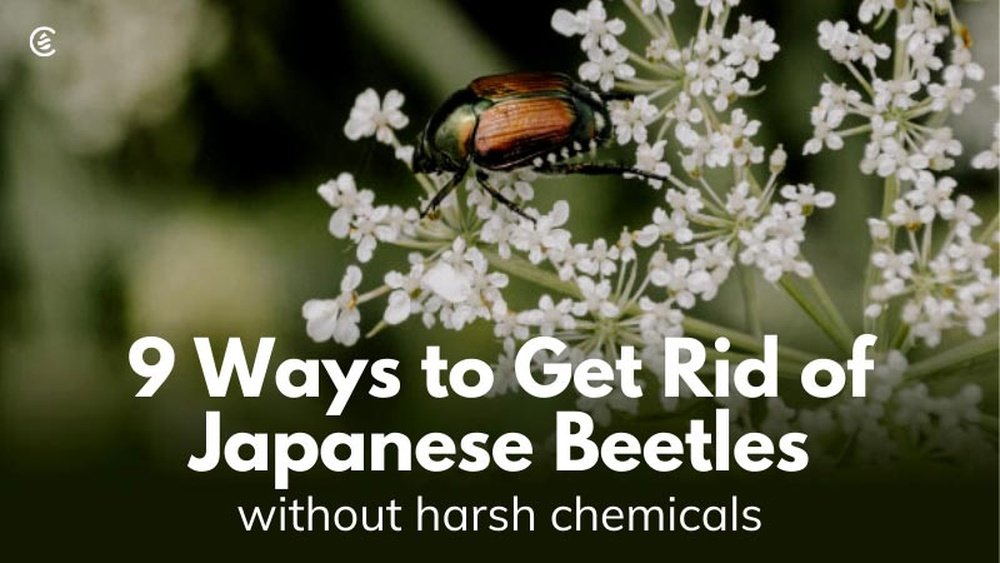
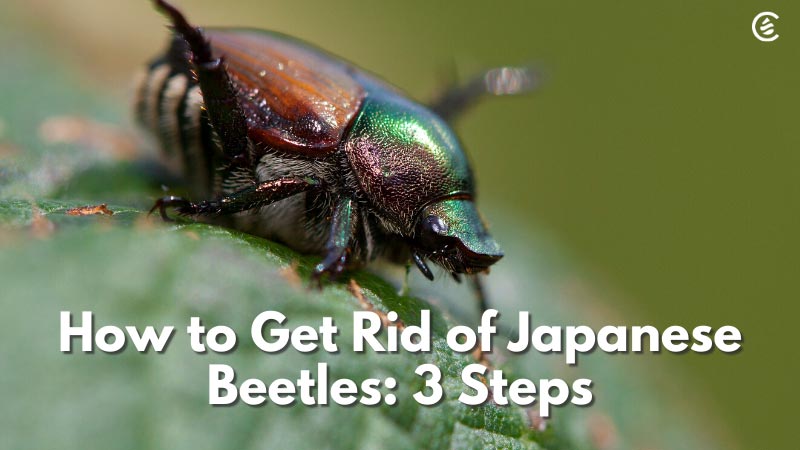
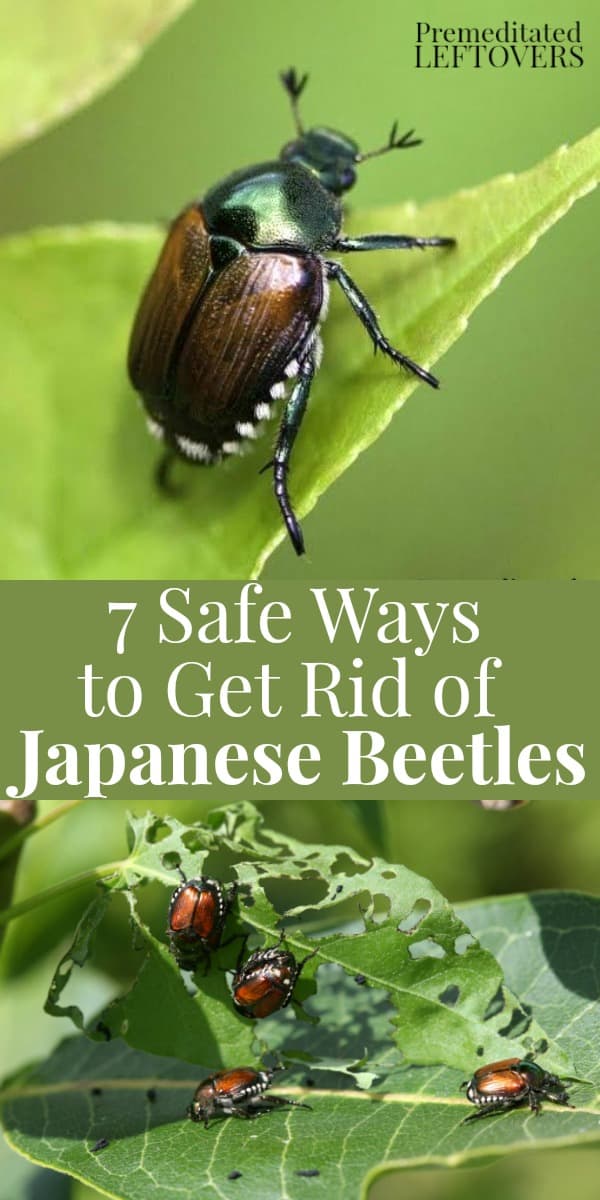
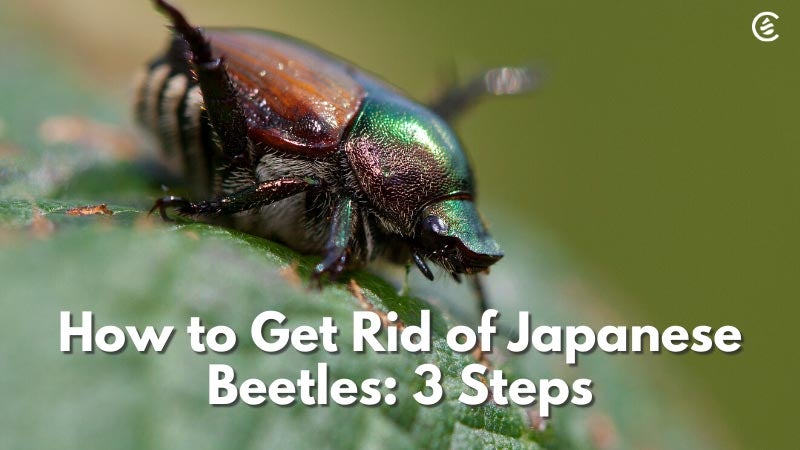
Adult beetles are easy to recognize. They are about 1/2 inch long, with bright metallic green heads and copper-brown wing covers. Under the wing covers, you’ll see six small white tufts along each side of their abdomen. These beetles are not only striking in appearance but also in the amount of damage they can do.
The beetle’s life cycle is crucial to understand if you want to control them effectively. In late June or early July, adult beetles emerge from the soil and begin feeding on plants. After mating, females lay eggs in the soil, often in grassy areas.
The eggs hatch into larvae, called grubs, which feed on grass roots and organic matter until late fall. They overwinter in the soil and emerge as adults the next summer.
A single beetle is not a big problem, but they release aggregation pheromones—chemicals that attract more beetles to the same plant. This can lead to sudden, massive infestations. Their favorite plants include roses, grapes, beans, linden trees, and many types of fruit trees. In total, Japanese beetles feed on over 300 different plant species.
Why Are Japanese Beetles So Hard To Get Rid Of?
There are several reasons why these beetles are tough to manage:
- Wide Host Range: They eat many types of plants, so even if you protect one, they may attack another.
- Strong Flyers: Adults can travel several miles, making it easy for new beetles to appear even after you remove others.
- Two-Stage Damage: Grubs harm lawns by feeding on roots, while adults damage leaves and fruit.
- Rapid Reproduction: Females lay up to 60 eggs each season.
- Few Natural Predators: In North America, their natural enemies are limited.
Many gardeners are surprised to learn that controlling beetles requires managing both the adult beetles and the grubs in the soil. Focusing on only one part of the life cycle often leads to poor results.
Signs Of Japanese Beetle Damage
Knowing what Japanese beetle damage looks like will help you act fast. Here are the common signs:
- Skeletonized leaves: Beetles eat the soft tissue between leaf veins, leaving a lacy pattern.
- Chewed flowers and fruit: Petals and fruit skins are often eaten, making them look ragged or deformed.
- Clusters of beetles: Adult beetles often group together on the same plant, especially on hot, sunny days.
- Brown patches in lawns: Grubs feeding on roots can cause dead spots in grassy areas.
It’s easy to confuse Japanese beetle damage with other leaf-eating pests. Check for the unique metallic green and copper coloring of the adults, and look for grubs in the soil if your lawn is suffering.
Credit: cedarcide.com
Manual Methods For Removing Japanese Beetles
Sometimes, the simplest methods are the most effective, especially for small or new infestations. Manual removal is a proven way to cut beetle numbers quickly without chemicals.
Handpicking
Go outside in the early morning or late evening, when beetles are sluggish. Gently shake or pick beetles off the plants and drop them into a bucket of soapy water. The soap prevents them from escaping and kills them quickly.
Aim to do this daily during the peak season (late June to early August).
Insider tip: If you do this consistently, especially at the start of the beetle season, you can prevent larger groups from forming. Early intervention is key.
Using Traps—with Caution
Japanese beetle traps are widely sold and use pheromones to attract beetles. However, they can sometimes draw more beetles to your garden than they catch, making the problem worse. If you use traps, place them far away (at least 50 feet) from your plants, at the edge of your property.
Non-obvious insight: Traps can be helpful in rural or isolated areas but may be risky in dense neighborhoods.
Shaking Plants
For shrubs and small trees, shaking the branches can dislodge beetles. Hold a sheet or tarp under the plant and shake vigorously. Collect and destroy the fallen beetles.
Natural And Organic Control Options
If you prefer to avoid chemical pesticides, several natural methods can help control Japanese beetles while protecting pollinators and beneficial insects.
Neem Oil
Neem oil is a natural pesticide derived from the neem tree. When beetles feed on leaves treated with neem, it disrupts their hormones and stops them from reproducing. Mix neem oil with water and a little dish soap, then spray on affected plants.
Repeat after rain or every seven days during beetle season.
Practical tip: Neem oil works best when applied early, before beetle populations explode.
Homemade Soap Sprays
A simple soap-and-water spray can kill beetles on contact. Mix 1 tablespoon of mild liquid soap (like Castile soap) in 1 quart of water. Spray directly onto beetles and leaves. Be careful not to overuse, as too much soap can harm some sensitive plants.
Row Covers
Covering valuable plants with lightweight row covers or mesh fabric can physically block beetles from landing and feeding. These covers work especially well for vegetables and young trees. Remove covers during flowering if plants need pollination.
Planting Beetle-resistant Species
Some plants are much less attractive to Japanese beetles. If you’re planning a new bed or want to reduce future risk, consider these options:
- Boxwood
- Lilac
- Dogwood
- Magnolia
- Holly
- Spruce
By increasing the number of beetle-resistant plants, you make your garden less appealing to beetles over time.
Beneficial Nematodes
Beneficial nematodes are microscopic worms that attack beetle grubs in the soil. Apply them to your lawn and garden beds in late summer or early fall, when grubs are small and close to the surface. Water the area well before and after application for best results.
Non-obvious insight: Nematodes are living organisms. Always check the expiration date and use them soon after purchase. They work best when soil temperatures are above 55°F.
Milky Spore Disease
Milky spore is a natural bacterium (Paenibacillus popilliae) that infects and kills Japanese beetle grubs. It’s spread as a powder over lawns and garden beds. Once established, it can provide long-term control for 10-20 years. However, it takes one to three years to become fully effective, so use it as part of a long-term plan.
Chemical Control Methods
When natural options aren’t enough, chemical treatments may be necessary, especially for severe infestations or when protecting high-value plants. Always use chemicals carefully and according to label instructions.
Insecticidal Sprays
Several insecticides can kill adult Japanese beetles. Common options include:
- Carbaryl (Sevin)
- Pyrethrin-based sprays
- Bifenthrin and permethrin
Spray plants thoroughly, covering both tops and undersides of leaves. Repeat as needed, usually every 7-14 days during the beetle season.
Important: Insecticides can harm bees and other pollinators. Avoid spraying during flowering or when bees are active. Spray late in the evening for best safety.
Systemic Insecticides
Systemic insecticides, like imidacloprid, are absorbed by the plant and protect it from the inside. Beetles are poisoned when they eat the leaves. These are effective but should be used with caution, as they can remain in the plant for weeks and may harm pollinators.
Systemic products are most useful for trees and shrubs that are difficult to spray.
Lawn Treatments For Grubs
To control grubs in the soil (the next generation of beetles), use specialized lawn insecticides. The best time to treat is late July to early September, when grubs are small and feeding near the surface. Popular choices include:
- Chlorantraniliprole (safer for pollinators)
- Carbaryl
- Trichlorfon
Apply according to the label, and water the lawn well to move the product into the soil.
Comparison Of Chemical Vs. Organic Methods
Here’s a side-by-side look at how chemical and organic methods compare in key areas:
| Method | Effectiveness | Speed of Results | Impact on Pollinators | Long-Term Control |
|---|---|---|---|---|
| Chemical Sprays | High | Fast (hours–days) | Can be harmful | Short (needs repeat) |
| Neem Oil | Moderate | Slow (days–weeks) | Low risk if used carefully | Short to medium |
| Nematodes/Milky Spore | Moderate-High | Slow (months–years) | Safe | Long |
| Handpicking | Good for small areas | Immediate | Safe | Short |
Creating A Japanese Beetle Management Plan
Beetle control works best when you combine several methods. Relying on just one approach often leads to disappointment. Here’s how to create a practical, season-by-season plan.
Early Spring
- Inspect your lawn for dead patches that may signal grub activity.
- Apply beneficial nematodes or milky spore if you haven’t already.
- Plan your garden layout to include more beetle-resistant plants.
Late Spring To Early Summer
- Set out row covers on high-value plants before beetles appear.
- Keep a bucket and soapy water handy for handpicking.
Peak Beetle Season (late June–august)
- Handpick beetles daily, especially in the morning.
- Use neem oil or soap sprays on vulnerable plants.
- Consider traps only if you can place them far from the garden.
- If infestations are severe, use targeted insecticidal sprays as a last resort.
Late Summer To Early Fall
- Treat lawns for grubs when they are most vulnerable.
- Continue monitoring for adult beetles, as late-season feeding can still cause damage.
Winter
- Remove and destroy any plant debris that may harbor overwintering beetles or grubs.
- Plan for next season by reviewing what worked and what didn’t.
Non-obvious insight: Consistency is more important than intensity. Even small, regular efforts—like daily handpicking—add up to big results over time.
Credit: premeditatedleftovers.com
Common Mistakes To Avoid
Even experienced gardeners can make errors when dealing with Japanese beetles. Watch out for these common pitfalls:
- Using traps incorrectly: Placing traps too close to your plants can attract more beetles than you catch.
- Ignoring grubs: Focusing only on adult beetles ignores the source of the problem. Treat lawns to reduce next year’s population.
- Overusing insecticides: Spraying too often or too broadly can kill helpful insects and harm the environment.
- Delaying action: Waiting until beetle numbers explode makes control much harder.
- Not rotating methods: Beetles can adapt. Mix up your strategies to avoid resistance and maximize control.
Protecting Pollinators And Beneficial Insects
One of the biggest challenges in beetle control is protecting bees, butterflies, and other helpful insects. Here are some practical steps:
- Spray insecticides in the evening, when pollinators are less active.
- Avoid spraying flowers directly.
- Use organic options like neem oil, which are less harmful to non-target insects.
- Grow a variety of flowering plants to support beneficial insect populations.
Japanese Beetles And Lawn Care
Japanese beetle grubs are a major cause of lawn damage. They feed on grass roots, creating brown, dead patches that can be rolled back like a carpet.
Signs Of Grub Damage
- Irregular brown patches in your lawn, especially in late summer or early fall.
- Grass that feels spongy underfoot and pulls up easily.
- Birds, skunks, or raccoons digging in the lawn (they feed on grubs).
Grub Control Strategies
- Water your lawn deeply and less often. Dry soil is less attractive for egg-laying.
- Apply beneficial nematodes or milky spore for long-term grub control.
- Use chemical grub killers only if damage is severe.
Comparison Of Grub Control Products
This table shows the main options for grub control:
| Product | Type | When to Apply | Effectiveness | Environmental Impact |
|---|---|---|---|---|
| Milky Spore | Biological | Spring or fall | High (long-term) | Low |
| Nematodes | Biological | Late summer | Moderate | Low |
| Chlorantraniliprole | Chemical | Spring | High | Moderate |
| Carbaryl/Trichlorfon | Chemical | Late summer | High | High |
Japanese Beetle-resistant Plants
Making smart plant choices is a long-term way to reduce beetle problems. Here are some good alternatives if you struggle with repeated infestations:
- Boxwood: Evergreen shrub, rarely attacked.
- Lilac: Fragrant flowers, beetle-resistant.
- Dogwood: Ornamental tree, less attractive to beetles.
- Magnolia: Large blooms, tough leaves.
- Holly: Prickly leaves deter beetles.
- Spruce and pine: Needled evergreens not targeted by beetles.
Avoid planting roses, grapes, linden trees, and Japanese maples if Japanese beetles are a serious problem in your area.
Regional Differences In Beetle Control
Japanese beetle populations and best control methods vary across the United States. In the Midwest and Northeast, beetle numbers are highest, and both adult and grub control are necessary. In the South and West, populations may be smaller, but outbreaks can still occur.
Practical tip: Check with your local university extension office for region-specific advice. They track beetle populations and can recommend the most effective local products and strategies.
Monitoring And Early Detection
Early detection makes beetle control much easier. Here’s how to monitor for Japanese beetles:
- Start checking plants daily in late June.
- Look for the first beetles on roses, grapes, and linden trees.
- Examine leaves for skeletonized damage.
- Dig small sections of lawn (about 1 square foot, 2 inches deep) to look for grubs in spring and fall.
Catching infestations early allows you to act before beetles become overwhelming.
The Role Of Weather And Climate
Japanese beetle survival depends on temperature and moisture. Hot, dry summers can reduce egg and grub survival, while wet summers favor beetle growth. Mild winters can lead to higher beetle numbers the next year.
Insight: In years with heavy summer rain, be extra vigilant about treating for grubs in late summer and fall.
When To Call A Professional
If beetle numbers are out of control, or if you have valuable trees and shrubs at risk, it may be worth hiring a professional pest control service. Professionals have access to stronger products and can treat large areas efficiently. Always choose a company with experience in integrated pest management (IPM) and eco-friendly practices.
Credit: cedarcide.com
Frequently Asked Questions
What Is The Best Way To Get Rid Of Japanese Beetles Naturally?
Handpicking beetles and dropping them in soapy water is one of the most effective natural methods. Neem oil sprays and beneficial nematodes are also good options. Combining several approaches gives the best results.
Do Japanese Beetle Traps Really Work?
Traps catch beetles but often attract more to your garden than they remove. If you use traps, place them far away from valuable plants and only as part of a larger control plan.
How Can I Prevent Japanese Beetles From Coming Back Next Year?
Treat your lawn for grubs in late summer or early fall, remove plant debris, and use long-term solutions like milky spore. Planting resistant species also helps reduce future infestations.
Are Japanese Beetles Harmful To Humans Or Pets?
Japanese beetles are not dangerous to people or pets. They do not bite or sting. Their main threat is to plants and lawns.
Where Can I Find More Information About Japanese Beetles?
A reliable source for more information is the Wikipedia page on Japanese beetles, which covers their biology, behavior, and control methods in detail.
Gardening with Japanese beetles can be a challenge, but it’s not a hopeless battle. With regular monitoring, a mix of control methods, and a little patience, you can protect your plants and enjoy a healthier, more beautiful garden. Remember, early action and consistency are your best tools.
Stay observant, adapt your strategies as needed, and over time, you’ll see fewer beetles and more blooms.