
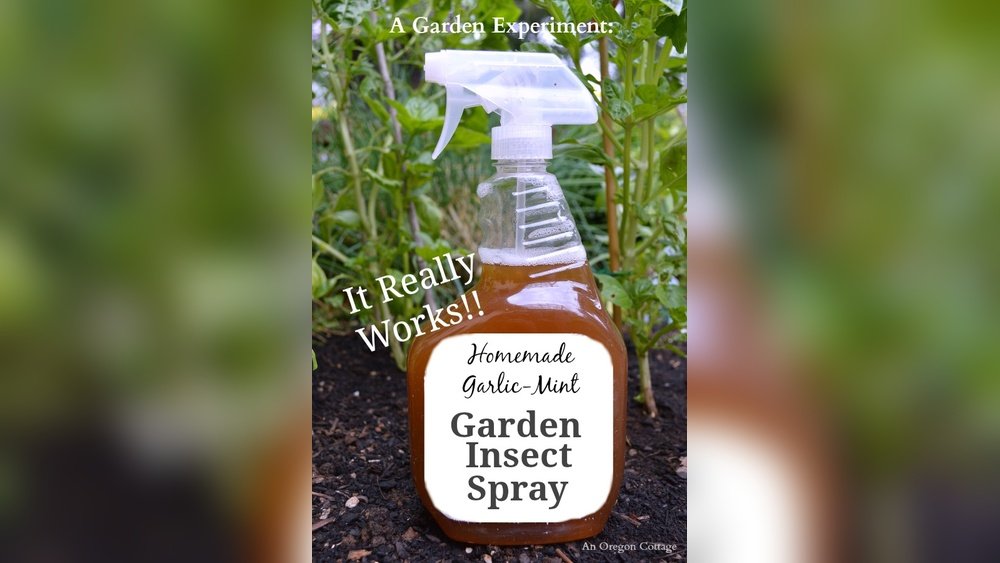
Gardening brings joy, fresh air, and healthy food. But unwanted insects often damage plants and make gardening harder. Many people reach for chemical sprays, but these can harm the environment, pets, and even your health. If you want a safer, cheaper, and more natural solution, homemade insect spray is a great choice. You can make sprays using simple ingredients found in your kitchen or local store. These sprays protect your garden, reduce chemical use, and help you grow strong plants.
This article explains how to make homemade insect spray for your garden in detail. You will learn about the most effective recipes, how to use them, the science behind their effectiveness, and tips for safer application. By the end, you will be ready to protect your garden using natural sprays, saving money and keeping your garden healthy.
Why Homemade Insect Spray?
Many gardeners switch to homemade insect sprays for several reasons. First, store-bought sprays often contain strong chemicals. These chemicals can build up in soil, harm bees and butterflies, and even affect your health if you eat fruits and vegetables from your garden.
Homemade sprays use natural ingredients like garlic, chili, soap, or oil. These are safe for humans and pets, and they break down quickly in the environment. Plus, you control what goes into your spray, so there are no hidden chemicals.
Another reason is cost. Buying commercial sprays again and again can get expensive. Homemade sprays cost just a few dollars and can be made in minutes. You can even change the recipe to suit your needs.
Finally, homemade sprays often work just as well as commercial products for common garden pests. They are easy to adjust and can be used for many types of insects.
Understanding Common Garden Pests
Before choosing a spray, it helps to know which insects are harming your plants. Some bugs are helpful, but others cause damage.
Common Harmful Insects
- Aphids: Small green, black, or white bugs. They suck sap from leaves and stems.
- Whiteflies: Tiny white insects on the underside of leaves.
- Spider mites: Very small, often red or yellow. They cause yellow spots and webbing.
- Caterpillars: Larvae of moths or butterflies. They chew leaves.
- Mealybugs: White, cottony bugs often found on stems.
- Thrips: Small, slender bugs that damage flowers and leaves.
- Leaf miners: Larvae that tunnel inside leaves, leaving brown trails.
Beneficial Insects
Some insects help your garden:
- Ladybugs: Eat aphids and mites.
- Bees: Pollinate flowers.
- Praying mantis: Eat many harmful insects.
When using insect sprays, always try to avoid harming these helpful bugs.
The Science Behind Natural Insect Sprays
Natural sprays work in several ways. Some ingredients, like garlic or chili pepper, have strong smells and tastes that repel insects. Others, like soap or oil, disrupt the bugs’ protective layers, causing them to dry out and die.
Some sprays make leaves slippery or sticky, so insects cannot move or feed well. Others, such as neem oil, contain compounds that stop insects from growing and reproducing.
Research shows that homemade sprays can reduce pest numbers by up to 80% in small gardens. They are most effective when used regularly and applied directly to the affected plants.
Essential Ingredients For Homemade Insect Sprays
You can make sprays using many common ingredients. Each has unique benefits.
Popular Ingredients
- Dish soap: Removes bugs’ protective coating.
- Vegetable oil: Suffocates insects.
- Garlic: Strong smell repels bugs.
- Chili pepper: Irritates and repels insects.
- Neem oil: Disrupts insect growth (available at garden stores).
- Baking soda: Stops fungus and some insects.
- Vinegar: Kills soft-bodied bugs.
- Alcohol: Kills mealybugs and aphids.
Ingredient Comparison
Here is a quick comparison of common ingredients:
| Ingredient | Main Effect | Common Targets | Safety |
|---|---|---|---|
| Soap | Breaks protective layer | Aphids, mites, whiteflies | Safe for most plants |
| Oil | Suffocates insects | Scale, mites, aphids | Use in low concentration |
| Garlic | Repels bugs | Caterpillars, aphids | Safe |
| Chili | Irritates insects | Aphids, thrips | Safe, avoid eyes |
| Neem oil | Disrupts growth | Many pests | Safe, avoid bees |
| Baking soda | Prevents fungus | Mildew, mites | Safe, avoid overuse |
| Vinegar | Kills soft-bodied bugs | Aphids, mealybugs | Use dilute |
| Alcohol | Kills pests | Aphids, mealybugs | Use dilute |
Basic Tools And Equipment
To make and use homemade insect sprays, you need a few basic tools:
- Spray bottle: Clean, plastic or glass.
- Measuring spoons/cups: For accuracy.
- Strainer or cheesecloth: To filter large particles.
- Blender or mortar and pestle: For grinding ingredients.
- Gloves: Protect your hands from strong ingredients.
- Label: Mark your spray bottle with name and date.
These tools help you mix and apply sprays evenly and safely.
Step-by-step Recipes For Homemade Insect Spray
There are many recipes. Here are the most effective and easy-to-make sprays.
1. Soap And Water Spray
Ingredients:
- 1 tablespoon mild dish soap (no bleach, no strong chemicals)
- 1 quart (about 1 liter) water
Instructions:
- Mix the soap and water in a spray bottle.
- Shake gently.
- Spray directly on insects or affected leaves.
Uses: Aphids, mites, whiteflies.
Tips: Test on a small part of the plant first. Avoid spraying in direct sunlight to prevent leaf burn.
2. Oil And Soap Spray
Ingredients:
- 2 tablespoons vegetable oil
- 1 tablespoon mild dish soap
- 1 quart water
Instructions:
- Mix oil and soap in water, shake well.
- Spray on leaves and stems, focusing on pests.
Uses: Scale, aphids, spider mites.
Tips: Oil can block leaf pores, so use sparingly and rinse plants after a few hours.
3. Garlic Spray
Ingredients:
- 2 bulbs (not cloves) garlic, peeled
- 1 tablespoon vegetable oil
- 1 teaspoon mild soap
- 1 quart water
Instructions:
- Blend garlic with water.
- Add oil and soap, blend again.
- Strain the mixture to remove solid pieces.
- Pour into spray bottle.
Uses: Aphids, caterpillars, beetles.
Tips: Garlic spray has a strong smell. Keep away from eyes.
4. Chili Pepper Spray
Ingredients:
- 2 fresh chili peppers (or 1 tablespoon chili powder)
- 1 quart water
- 1 tablespoon mild soap
Instructions:
- Blend chilies with water.
- Strain to remove solids.
- Add soap, mix well.
- Spray on leaves and stems.
Uses: Aphids, thrips, whiteflies.
Tips: Wear gloves. Chili can irritate skin and eyes.
5. Neem Oil Spray
Ingredients:
- 2 teaspoons neem oil
- 1 quart water
- 1 teaspoon mild soap
Instructions:
- Mix neem oil, soap, and water in a bottle.
- Shake well.
- Spray on plants every 7–14 days.
Uses: Many pests, including aphids, mites, caterpillars.
Tips: Avoid spraying when bees are active.
6. Baking Soda Spray
Ingredients:
- 1 teaspoon baking soda
- 1 quart water
- 1 teaspoon mild soap
Instructions:
- Mix all ingredients in a spray bottle.
- Shake and spray on leaves.
Uses: Powdery mildew, mites.
Tips: Do not use more baking soda; it can harm plants.
7. Vinegar Spray
Ingredients:
- 1 cup vinegar (white or apple cider)
- 1 quart water
Instructions:
- Mix vinegar and water.
- Spray on affected areas.
Uses: Aphids, mealybugs.
Tips: Vinegar is strong. Test on a small area first.
8. Alcohol Spray
Ingredients:
- 1 cup rubbing alcohol (70% isopropyl)
- 1 quart water
Instructions:
- Mix alcohol and water.
- Spray on pests.
Uses: Aphids, mealybugs.
Tips: Alcohol can dry leaves. Use only on tough plants.
Recipe Comparison Table
To help you choose the right recipe, see this comparison:
| Spray Type | Main Target | Strength | Plant Safety | Repeat Use |
|---|---|---|---|---|
| Soap & Water | Aphids, mites | Mild | High | Weekly |
| Oil & Soap | Scale, spider mites | Medium | Medium | Every 10 days |
| Garlic | Caterpillars, aphids | Medium | High | Every 2 weeks |
| Chili Pepper | Thrips, whiteflies | Strong | Medium | Weekly |
| Neem Oil | Many pests | Strong | Medium | Every 2 weeks |
| Baking Soda | Mildew, mites | Mild | High | Weekly |
| Vinegar | Mealybugs, aphids | Strong | Low | Monthly |
| Alcohol | Aphids, mealybugs | Strong | Low | Monthly |
How To Apply Homemade Insect Spray
Applying spray correctly is important for success. Here are practical steps:
- Timing: Apply in early morning or late afternoon. Avoid strong sunlight; it can burn leaves.
- Coverage: Spray both upper and lower leaf surfaces. Many insects hide underneath.
- Repeat: Use the spray every week or after rain. Pests return quickly.
- Test First: Always test on a small area before spraying the whole plant.
- Clean Tools: Wash the spray bottle after each use to prevent clogs and bacteria.
- Storage: Store leftover spray in a cool place. Use within 1 week for best results.
Practical Example
Suppose you see aphids on your tomato plants. You can use the soap and water spray. Mix the solution, spray it on affected leaves, and check after three days. If some aphids remain, repeat the spray. This approach prevents damage and keeps your tomatoes healthy.
Safety Tips And Common Mistakes
Homemade sprays are safer, but mistakes can still harm your plants or the environment.
Safety Tips
- Wear gloves: Some ingredients (like chili or garlic) can irritate skin.
- Avoid eyes and mouth: Chili spray especially can cause pain.
- Keep away from pets and children: Store sprays out of reach.
- Do not overuse: Too much spray can stress plants.
- Clean up spills: Wash surfaces after making sprays.
Common Mistakes
- Using too much soap or oil: Can burn leaves or block plant pores.
- Spraying in bright sunlight: Causes leaf burn.
- Not straining mixtures: Clogs spray bottles.
- Skipping test sprays: May damage sensitive plants.
- Ignoring beneficial insects: Spraying all plants can harm ladybugs or bees.
Many beginners forget to test their spray on a small leaf first. This step is important because some plants are sensitive, and homemade sprays are not always gentle. Another non-obvious insight is that combining sprays (for example, soap and garlic) is not always better. Some mixtures can react and lose effectiveness.
Environmental Impact Of Homemade Sprays
Homemade sprays are much safer for the environment than chemical pesticides. They break down quickly and do not build up in soil or water. However, some sprays, like vinegar or alcohol, can harm soil microbes if used too often. Always use natural sprays in moderation.
Research shows that gardens using homemade sprays have more pollinators and fewer harmful residues in soil. This helps your garden grow better and supports local wildlife.
Credit: premeditatedleftovers.com
When To Use Homemade Sprays Vs. Commercial Products
Homemade sprays work well for small gardens and mild pest problems. If you have a large farm or a serious infestation, you might need stronger solutions. Commercial sprays are sometimes needed for very tough pests, but they should be your last choice.
Homemade sprays are best for:
- Home vegetable gardens
- Small flower beds
- Indoor plants
- Community gardens
Commercial products are sometimes needed for:
- Large-scale farms
- Resistant pests (like some beetles)
- Quick, emergency control
Always try natural solutions first. If they fail after several weeks, consider other options.
How To Make Sprays Last Longer
Homemade sprays are easy to make, but they often spoil quickly. Here are tips to extend their shelf life:
- Keep refrigerated: Garlic, chili, and oil sprays last longer in the fridge.
- Use distilled water: Reduces bacteria growth.
- Add a little vinegar: Acts as a preservative.
- Label and date: Always know when you made the spray.
Most sprays last about 1 week. If they smell bad or change color, throw them away.
:max_bytes(150000):strip_icc()/natural-homemade-insecticides-save-your-garden-without-killing-earth-4858819_final-b14c204e96734b609b8cfb28ef6f945c.png)
Credit: www.treehugger.com
Advanced Homemade Spray Recipes
If you want stronger sprays, you can try these advanced recipes.
Garlic-chili Spray
Ingredients:
- 2 bulbs garlic
- 2 fresh chilies
- 1 tablespoon vegetable oil
- 1 quart water
- 1 teaspoon soap
Instructions:
- Blend garlic and chilies with water.
- Add oil and soap, blend again.
- Strain mixture.
- Spray on plants.
Uses: Aphids, caterpillars, thrips.
Strength: Very strong. Use only on tough plants.
Neem And Soap Spray
Ingredients:
- 2 teaspoons neem oil
- 1 teaspoon soap
- 1 quart water
Instructions:
- Mix neem oil and soap in water.
- Shake well.
- Spray every 7–14 days.
Uses: Many pests.
Strength: High, but gentle on plants.
How Homemade Sprays Compare To Commercial Products
Homemade sprays are often cheaper and safer. Commercial products can be more effective for tough pests but may harm beneficial insects and pollinators.
Here is a comparison:
| Aspect | Homemade Sprays | Commercial Sprays |
|---|---|---|
| Cost | Low ($2–$5 per batch) | High ($10–$30 per bottle) |
| Safety | High (natural ingredients) | Low (toxins, warnings) |
| Effectiveness | Medium to High | High |
| Environmental Impact | Low | High |
| Shelf Life | Short (1 week) | Long (months) |
| Flexibility | High (custom recipes) | Low (fixed formula) |
Credit: www.homesandgardens.com
Non-obvious Insights For Better Results
Beginners often miss two important points:
- Rotate sprays: Using the same recipe every week can lead to resistance. Switch between garlic, soap, and oil sprays for best results.
- Combine with physical controls: Homemade sprays work better if you also remove large bugs by hand or use sticky traps.
Another tip: Do not spray during pollination. Bees and other pollinators can be harmed if you spray the flowers. Wait until late afternoon, when most pollinators have left.
Troubleshooting Homemade Insect Spray Problems
Sometimes sprays do not work as expected. Here are common problems and solutions:
- Leaves turn yellow: Too much soap or oil. Dilute your spray.
- Spray bottle clogs: Strain mixtures well and clean after use.
- Pests return quickly: Increase frequency or use a stronger recipe.
- Spray smells bad: Old spray. Make a fresh batch.
If you see no improvement after three weeks, try a new recipe or check for other causes (like nutrient problems).
Homemade Sprays And Organic Gardening
Homemade sprays fit well with organic gardening. They support healthy soil, protect pollinators, and reduce chemical use. Many organic gardeners use soap, oil, or neem sprays as their main pest control. If you want to go fully organic, avoid synthetic soaps and oils.
You can find more about organic gardening at Wikipedia.
Real-world Success Stories
Many gardeners have shared positive results with homemade sprays:
- Sarah from Texas used garlic and soap spray on her tomatoes and saw a 70% reduction in aphids after two weeks.
- Mike in California tried neem oil spray and controlled spider mites without harming bees.
- Anna in Florida made chili pepper spray and stopped thrips on her roses.
These examples show that homemade sprays are effective, affordable, and safe for most gardens.
Frequently Asked Questions
What Is The Best Homemade Insect Spray For Aphids?
The soap and water spray is simple and effective. Mix 1 tablespoon mild soap with 1 quart water, spray on affected leaves. For tougher aphids, try garlic or oil spray.
Can Homemade Sprays Harm My Plants?
Yes, if used incorrectly. Always test sprays on a small area first and avoid strong sunlight after spraying. Too much soap, oil, or vinegar can burn leaves.
How Often Should I Spray My Plants?
Usually once a week or after rain. For serious infestations, spray every 3–4 days until pests are controlled. Always follow with regular checks.
Are Homemade Sprays Safe For Pets And Children?
Most sprays are safe if made with natural ingredients, but keep bottles out of reach. Some sprays (like chili or alcohol) can irritate skin or eyes, so store them safely.
Can I Use Homemade Sprays On Edible Plants?
Yes, but rinse fruits and vegetables well before eating. Avoid using sprays just before harvest, especially those with strong smells like garlic or chili.
Homemade insect sprays are a smart choice for gardeners who want healthy plants, fewer chemicals, and a safer environment. With just a few kitchen ingredients, you can protect your garden from most common pests. Remember to test each spray, use the right recipe, and rotate sprays for best results.
By following these steps, you can enjoy a beautiful, productive garden all season long.