
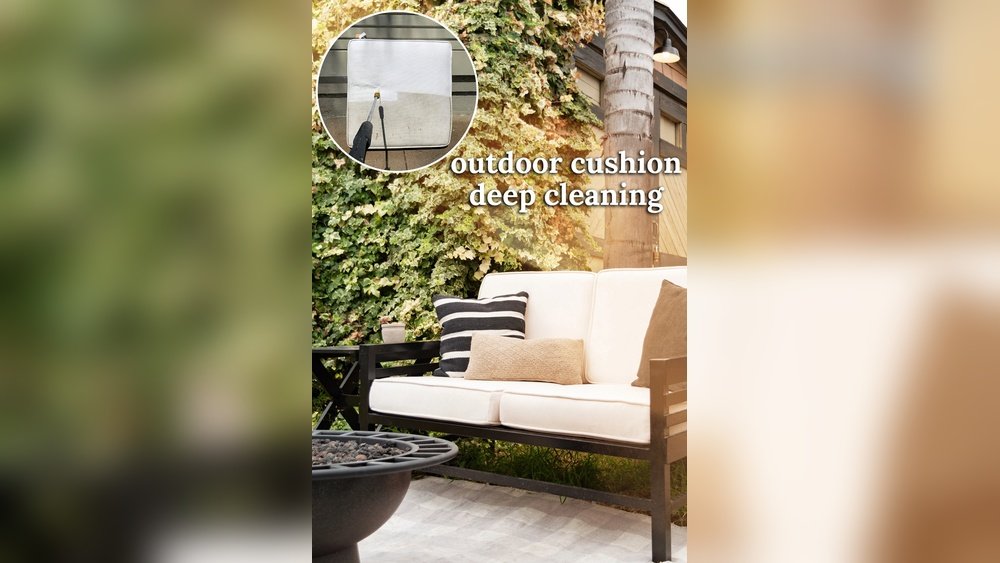
Outdoor furniture makes your patio, garden, or balcony a relaxing spot to enjoy fresh air, gather with friends, or simply unwind. But after a season of sun, rain, pollen, and birds, it often looks less inviting. Many people think you need a pressure washer to get these chairs, tables, and loungers sparkling clean. The good news: you don’t. With the right tools, a little know-how, and some smart tips, you can make your outdoor furniture look fresh and last longer—without a pressure washer.
Keeping your furniture clean does more than improve its look. Regular cleaning prevents mold, stains, and damage, which means your investment lasts for years. In this guide, you’ll learn practical, step-by-step methods for cleaning all types of outdoor furniture without a pressure washer.
You’ll find out which supplies to use, what to avoid, and how to handle tricky messes like mildew or bird droppings. There are tables to compare cleaning solutions, advice for different materials, and answers to common questions at the end.
Let’s dive in and help you create a space you’ll be proud to show off.
Why Cleaning Outdoor Furniture Matters
Many people overlook outdoor furniture cleaning, thinking rain does the job or that a quick rinse is enough. But nature leaves behind more than just water spots. Pollen, tree sap, bird droppings, and sunscreen can build up and damage surfaces.
Over time, these messes can cause discoloration, odors, or even weaken the material. For example, wood can rot, metal can rust, and plastic can become brittle. Consistent cleaning helps avoid these problems.
Another reason to clean regularly is health. Dust, pollen, and mold can trigger allergies. If you use your outdoor furniture for eating, dirty surfaces can attract insects or spread germs. A deep clean gives peace of mind and makes your outdoor space more inviting for guests and family.
What To Know Before You Start
Not all furniture is the same. Materials like wood, metal, plastic, wicker, and fabric cushions each require different care. Using the wrong cleaner or tool can damage your furniture. It’s important to check the manufacturer’s instructions, if available, and test any cleaner on a small hidden spot first.
Here are a few basics to remember:
- Check for damage: Before cleaning, inspect for cracks, rust, or loose screws. Fix these first to prevent further problems during cleaning.
- Choose the right time: Clean on a mild, dry day. Too much sun can dry soap too fast, leaving streaks.
- Clear the area: Move furniture to a flat, open spot. Remove cushions and accessories.
- Gather supplies: You’ll need buckets, soft brushes, sponges, mild soap, and towels. For tougher jobs, you may need vinegar, baking soda, or a soft-bristle scrub brush.
Credit: allnjpowerwashandshrinkwrap.com
Essential Cleaning Supplies And Tools
You don’t need fancy equipment, but using the right tools makes cleaning easier and safer for your furniture. Here’s what you should have on hand:
- Soft-bristle brush: Removes dirt without scratching.
- Microfiber cloths: Great for wiping and drying.
- Buckets: For mixing soap and water.
- Mild dish soap: Safe for most surfaces.
- White vinegar: Good for mildew and tough stains.
- Baking soda: Helpful for gentle scrubbing.
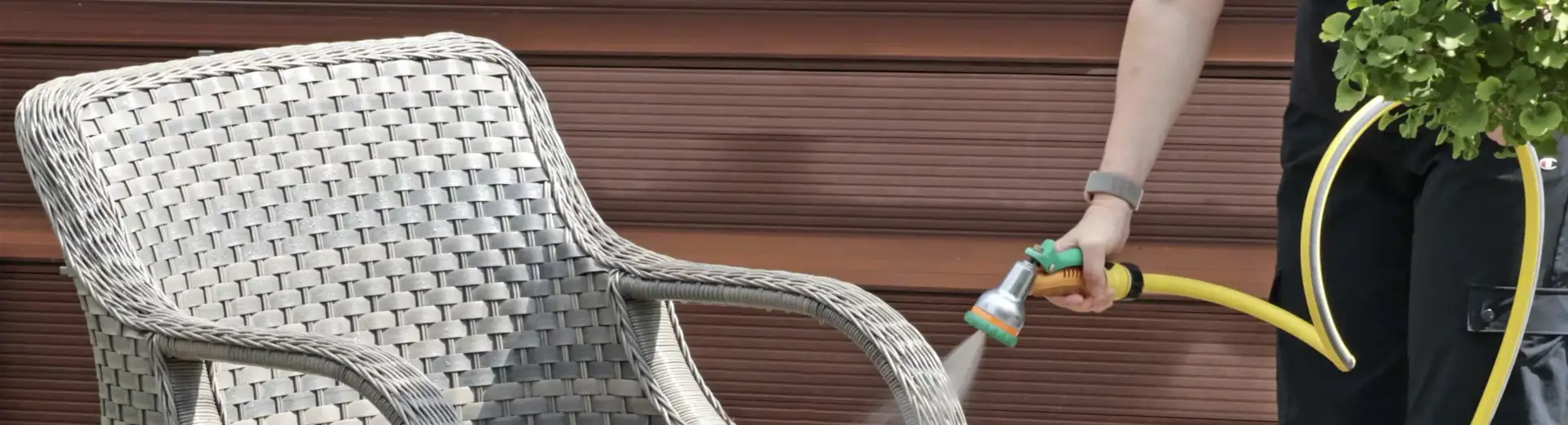
- Garden hose: For rinsing, set to a gentle spray.
- Spray bottle: For applying cleaning solutions.
- Rubber gloves: Protect your hands from dirt and cleaners.
- Old toothbrush: Cleans small crevices.
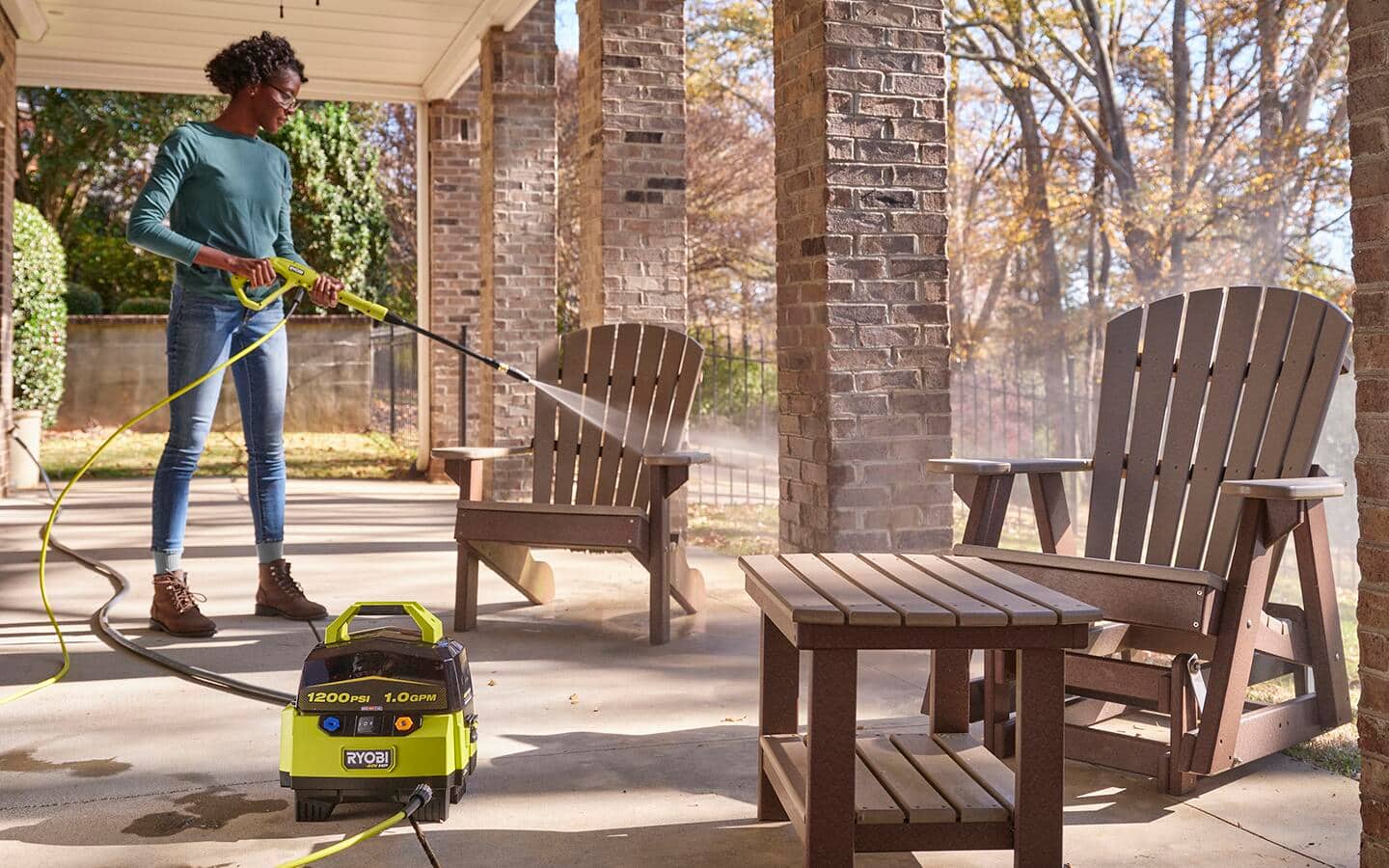
You may see specialized outdoor furniture cleaners in stores. These can be useful but aren’t required for most jobs. Just avoid bleach (which can discolor many materials) and harsh chemicals unless your furniture’s manual says they’re safe.
Cleaning Different Types Of Outdoor Furniture
Each material has its own best cleaning method. Using the wrong one can cause fading, warping, or even structural damage. Let’s look at how to clean the most common types.
Wood Furniture
Wood is classic and beautiful, but it absorbs moisture and stains easily. Most outdoor wood furniture is made from teak, eucalyptus, cedar, or treated pine.
Steps To Clean Wood Furniture
- Remove loose debris: Use a soft brush or cloth to brush off leaves, dust, and cobwebs.
- Mix cleaning solution: Combine mild dish soap with warm water in a bucket (about 1 tablespoon per gallon).
- Scrub gently: Dip a sponge or soft brush in the soapy water and scrub with the grain of the wood. For tough stains, use a mix of equal parts vinegar and water.
- Rinse well: Use a garden hose with a light spray. Do not soak the wood.
- Dry completely: Wipe with a towel and let air dry in a shaded spot.
Practical tip: Teak and some hardwoods can be oiled once a year to maintain their color. Avoid using too much water, as it can cause swelling or cracks.
Metal Furniture
Metal furniture is sturdy but can rust or corrode if not cared for. Common metals include aluminum, steel, and wrought iron.
Steps To Clean Metal Furniture
- Brush off debris: Use a dry cloth or soft brush.
- Prepare cleaning solution: Mix warm water with a few drops of dish soap.
- Scrub surface: Use a sponge or soft brush. For rust spots, gently rub with a paste of baking soda and water.
- Rinse: Use a gentle hose spray.
- Dry: Wipe with a towel to prevent water spots and rust.
Non-obvious insight: After cleaning, apply a thin coat of car wax or a silicone spray to metal surfaces. This adds an invisible barrier against moisture and slows rust formation.
Plastic And Resin Furniture
Plastic and resin furniture are lightweight and affordable, but can stain and fade over time.
Steps To Clean Plastic Furniture
- Remove dust: Wipe with a dry cloth.
- Mix cleaning solution: Use warm water and dish soap. For white plastic, add a little baking soda for extra whitening.
- Scrub: Use a sponge or soft brush.
- Rinse: Hose off thoroughly.
- Dry: Use a towel or let air dry.
Non-obvious insight: Avoid abrasive pads—they scratch plastic, making it attract more dirt. For stubborn stains, try a paste of baking soda and water, but test first.
Wicker And Rattan Furniture
Wicker and rattan look great but can trap dirt in tiny crevices.
Steps To Clean Wicker And Rattan
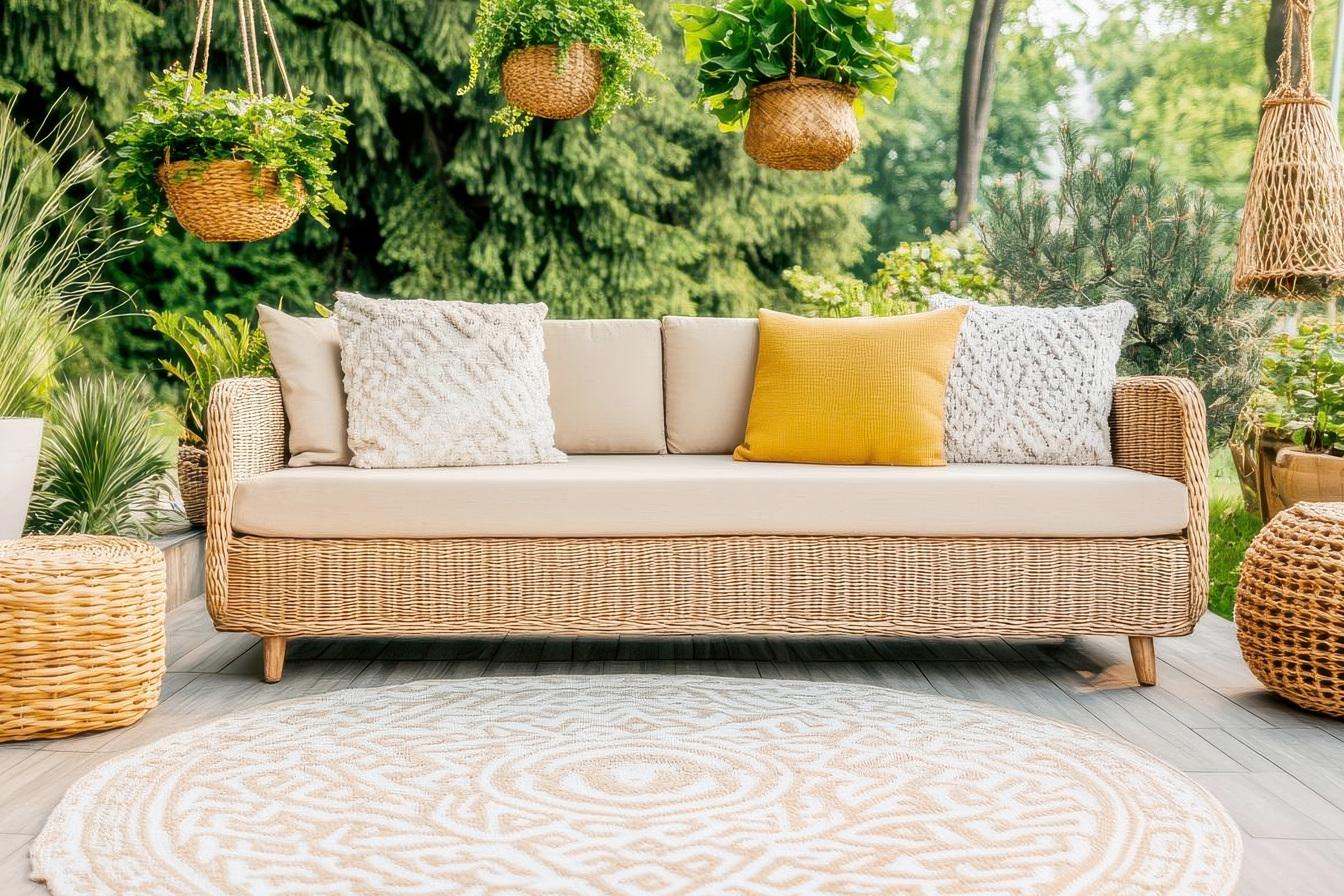
- Vacuum first: Use a brush attachment to remove loose dirt.
- Make a cleaning solution: Mix mild soap with warm water.
- Scrub carefully: Use a soft brush or toothbrush to get into the weave.
- Rinse: Use a damp cloth (not too wet).
- Dry quickly: Place in a breezy, shaded spot. Too much water can cause warping.
Pro tip: For synthetic wicker, you can use a hose, but for natural rattan, keep water to a minimum.
Fabric Cushions And Umbrellas
Cushions and umbrellas need special care to remove stains, mold, and odors. Most outdoor fabrics are water-resistant but not waterproof.
Steps To Clean Fabric Items
- Remove covers if possible: Wash in the machine on gentle, if allowed.
- For non-removable covers: Brush off dust and dirt.
- Mix cleaning solution: Use a bucket of warm water with mild soap or laundry detergent.
- Scrub: Use a sponge or soft brush on both sides.
- Rinse: Wipe with a clean, damp cloth.
- Dry thoroughly: Stand cushions on end to air out. Never store when damp.
Pro insight: For mildew, mix one part white vinegar with four parts water, spray, and let sit for 15 minutes before rinsing. Avoid bleach unless your fabric tag allows it.
Comparing Cleaning Solutions For Outdoor Furniture
Choosing the right cleaner can make the job faster and safer for your furniture. Here’s a quick comparison:
| Cleaning Solution | Best For | Pros | Cons |
|---|---|---|---|
| Mild Dish Soap & Water | All materials | Gentle, cheap, easy to rinse | May need extra scrubbing for stains |
| White Vinegar Solution | Wood, fabric, metal | Removes mildew, eco-friendly | Strong smell, can lighten colors |
| Baking Soda Paste | Plastic, metal, stains | Non-abrasive, deodorizes | Needs thorough rinsing |
| Commercial Outdoor Cleaner | Heavy dirt, mildew | Fast, powerful | More expensive, check safety for your material |
Step-by-step Guide: Cleaning Without A Pressure Washer
Now let’s put it all together into a simple workflow you can use for almost any outdoor furniture.
1. Preparation
Clear the area and move furniture away from grass or plants you don’t want to get wet. Remove all cushions, covers, or other accessories. Check for damage that needs repair before you start cleaning.
2. Dust And Debris Removal
Use a soft brush, microfiber cloth, or vacuum (with a brush attachment) to get rid of loose dust, leaves, and webs. This makes washing much more effective and prevents scratching.
3. Wash With Cleaning Solution
Fill a bucket with warm water and a small amount of mild dish soap. Dip a sponge or soft brush in the solution and gently scrub all surfaces—top, bottom, and sides. For woven or intricate furniture, use an old toothbrush.
4. Treat Stains And Mildew
For stubborn spots, use a specific cleaner:
- Mildew: Spray with a vinegar-water mix, let sit 10–15 minutes, then scrub and rinse.
- Grease or food stains: Sprinkle baking soda, scrub gently, and rinse.
- Sap or sticky residue: Rub with a little rubbing alcohol on a cloth.
5. Rinse Thoroughly
Use a gentle spray from your garden hose or a bucket of clean water. Make sure all soap is gone, as residue can attract dirt.
6. Dry Properly
Wipe down with towels to remove excess water. Let furniture air dry in the shade. For cushions, stand them upright in a breezy spot.
7. Reassemble And Protect
Once dry, put cushions and covers back. Consider applying a furniture protectant (like wax for metal, oil for wood) for added durability.
Common Outdoor Furniture Problems And Solutions
Even with regular cleaning, outdoor furniture can develop specific issues. Here’s how to handle the most common ones.
Mold And Mildew
Mold and mildew are caused by moisture and lack of sunlight. They look like dark or white spots and can smell musty.
- Clean with a vinegar-water solution (1: 4 ratio), scrub, and rinse.
- Sunlight helps kill mold, so dry furniture in the sun if possible.
Rust Spots On Metal
Rust forms when metal meets water and air. Early rust can often be removed.
- Scrub gently with a paste of baking soda and water.
- For stubborn rust, use a small amount of white vinegar or a commercial rust remover, but test first.
Fading And Discoloration
Sun, rain, and pollution can cause fading.
- For plastic, try a small amount of car polish to restore shine.
- For fabric, keep cushions indoors when not in use.
- For wood, oiling once a year helps preserve color.
Bird Droppings And Tree Sap
These are acidic and can damage surfaces.
- Remove as soon as possible with soapy water.
- For sap, use rubbing alcohol on a cloth, then rinse.
Loose Screws Or Wobbly Legs
Check and tighten screws and bolts regularly. Lubricate moving parts with a little silicone spray.
How Often Should You Clean Outdoor Furniture?
There’s no one-size-fits-all answer, but here’s a simple guide:
- Light cleaning: Once a month (dusting, quick wipe down)
- Deep cleaning: Every 2–3 months, or at the start and end of the season
- After heavy use: Clean after parties, storms, or messy meals outside
If you live in a humid or rainy area, clean more often to prevent mold and rust.
Mistakes To Avoid When Cleaning Outdoor Furniture
Even well-meaning cleaning can go wrong. Here are mistakes people often make:
- Using abrasive tools: Steel wool or hard brushes scratch surfaces and make them attract more dirt.
- Too much water on wood or wicker: Causes swelling, warping, or mold.
- Bleach on colored fabrics: Fades colors and weakens fibers.
- Skipping rinsing: Soap residue attracts grime and can feel sticky.
- Not drying properly: Damp furniture can develop mold and shorten its lifespan.
- Ignoring manufacturer’s instructions: Always check tags or manuals for specific cleaning advice.
How To Protect Outdoor Furniture After Cleaning
Cleaning is just one part of keeping your furniture in top shape. Protection helps your hard work last longer.
- Covers: Use weatherproof covers when not in use, especially during rain or snow.
- Store cushions inside: Even water-resistant cushions last longer if kept dry.
- Furniture pads: Add pads to feet to prevent scratching decks and patios.
- Apply protectants: Use wood oil, car wax, or UV sprays as needed.
- Keep in shade: Move furniture to a covered spot or use an umbrella to reduce sun damage.
When To Call A Professional
Most cleaning can be done by hand, but sometimes you need extra help. Call a professional if:
- Furniture is heavily stained or moldy and home cleaning doesn’t work.
- Metal furniture has deep rust that threatens structure.
- Expensive or antique pieces need restoration.
Professionals have the right tools and know how to avoid damage. They can also re-seal, repaint, or repair items for a like-new finish.
Eco-friendly Cleaning Options
Many people want to clean without harming plants, pets, or the environment. You can do this by:
- Using mild dish soap, vinegar, and baking soda instead of harsh chemicals.
- Avoiding runoff into flower beds or lawns.
- Choosing biodegradable or plant-based cleaners.
- Using old towels and cloths instead of paper towels.
Fun fact: Vinegar not only cleans but helps repel some insects, making your patio more enjoyable.
How To Clean Outdoor Furniture In Different Climates
Weather plays a big role in how often and how you clean.
Humid Climates
- Clean more often to prevent mold and mildew.
- Store cushions indoors when not in use.
- Use fans or place furniture where it gets morning sun to dry quickly.
Dry, Dusty Areas
- Dust furniture weekly.
- Rinse with water to remove fine dirt.
- Use UV protectants to prevent fading.
Coastal Areas
- Salt air can corrode metal and fade fabric.
- Rinse metal and plastic furniture monthly.
- Use covers and clean fabric more often.
Cleaning Accessories: Umbrellas, Rugs, And Planters
Outdoor spaces often have more than just chairs and tables. Here’s how to clean these extras:
Patio Umbrellas
- Brush off loose dirt.
- Mix mild soap with water, scrub with a soft brush.
- Rinse with a hose, let dry fully before closing.
Outdoor Rugs
- Shake out or vacuum.
- Scrub with soapy water, rinse, and dry flat in the sun.
Planters
- Remove old soil, rinse with water.
- Scrub with a vinegar-water mix if there’s algae or stains.
- Let dry before refilling.
Table: Quick Reference For Cleaning Methods
Here’s a handy guide for which cleaning method works best for each material:
| Material | Best Cleaning Solution | Tools Needed | Drying Method |
|---|---|---|---|
| Wood | Mild soap & water or vinegar | Soft brush, sponge | Towel + air dry in shade |
| Metal | Soap & water; baking soda for rust | Soft brush, cloth | Towel dry |
| Plastic/Resin | Soap & water; baking soda for stains | Sponge, soft brush | Air dry or towel |
| Wicker/Rattan | Soap & water (minimal) | Soft brush, toothbrush | Air dry, avoid sun |
| Fabric | Soap & water; vinegar for mildew | Sponge, brush | Air dry upright |
Seasonal Cleaning Tips
Each season brings new challenges for outdoor furniture. Adjust your routine to keep everything in top shape year-round.
Spring
- Deep clean before first use.
- Check for winter damage: Cracks, rust, mildew.
- Oil wood and tighten screws.
Summer
- Wipe down weekly to remove pollen and dust.
- Store cushions inside when not in use.
- Use covers during storms.
Fall
- Clean before storing or covering for winter.
- Remove leaves and debris to prevent stains.
- Stack or cover furniture to protect from rain.
Winter
- Store furniture if possible, especially wood and fabric.
- Cover items left outside with waterproof covers.
- Clean off snow and ice gently—don’t chip with hard tools.
Deep Cleaning Vs. Regular Cleaning
Not every cleaning needs to be deep. Here’s how they differ:
| Type | How Often | What’s Included |
|---|---|---|
| Regular Cleaning | Weekly/Monthly | Dusting, quick wipe, spot cleaning |
| Deep Cleaning | 2–4 times a year | Full wash, stain and mildew treatment, thorough drying, protectant application |
Non-obvious insight: Deep cleaning before storing for the winter prevents staining and makes spring setup faster.
Extra Tips For Stubborn Stains
Some stains need extra care. Here’s what to try:
- Red wine or berry stains (fabric): Blot with cold water, then use a mix of soap and hydrogen peroxide (test first).
- Oil stains (plastic/metal): Sprinkle cornstarch, let sit 10 minutes, then brush off and wash.
- Paint or marker: Try rubbing alcohol on a cloth, gently rub, then rinse.
If one method doesn’t work, don’t scrub harder—try a different cleaner or let it soak longer.
Credit: smartstopselfstorage.com
Storage And Long-term Care
Proper storage makes cleaning easier next season and keeps furniture looking good.
- Store indoors: If possible, keep furniture in a shed or garage during bad weather.
- Stack or cover: Stack chairs and tables or use fitted covers.
- Keep off ground: Place on bricks or a tarp to avoid contact with wet soil.
- Ventilation: Make sure covers allow air flow to prevent mold.
Sustainable Outdoor Furniture Care
Taking care of your furniture can also mean caring for the planet.
- Choose eco-friendly cleaners like vinegar and baking soda.
- Repair and repaint instead of replacing items.
- Donate or recycle old pieces.
- Plant shade trees or use umbrellas to reduce sun damage and cooling needs.
For more on eco-friendly cleaning, see the EPA’s guide at EPA Greener Products.
Credit: www.homedepot.com
Frequently Asked Questions
How Do I Clean Outdoor Cushions Without Removing The Covers?
Mix mild soap with warm water, scrub both sides with a sponge or soft brush, then rinse with a damp cloth. Stand cushions on end to air dry fully before using.
What Should I Do If My Outdoor Furniture Has Green Mold Or Algae?
Spray with a mixture of one part white vinegar to four parts water. Let sit for 15 minutes, scrub with a soft brush, then rinse thoroughly and dry in sunlight.
Is It Safe To Use Bleach On Outdoor Furniture?
Bleach can damage many surfaces, especially colored fabrics, plastic, and painted metal. Only use it if the manufacturer says it’s safe, and always dilute heavily.
How Do I Prevent My Outdoor Furniture From Fading?
Store furniture in the shade when possible, use covers, and apply UV protectant sprays. For fabric, bring cushions indoors when not in use.
Can I Use A Steam Cleaner On Outdoor Furniture?
Steam cleaners are safe for some hard surfaces and synthetic fabrics, but always check your furniture’s manual. Too much heat can damage wood, paint, or natural fibers.
—
A clean outdoor space is more than just nice to look at—it’s comfortable, healthy, and ready for any occasion. With these tips, you don’t need a pressure washer or special skills to keep your outdoor furniture looking its best. Just a little regular care, the right supplies, and some smart habits will save you time and money in the long run. Enjoy your clean, welcoming space all year round!