
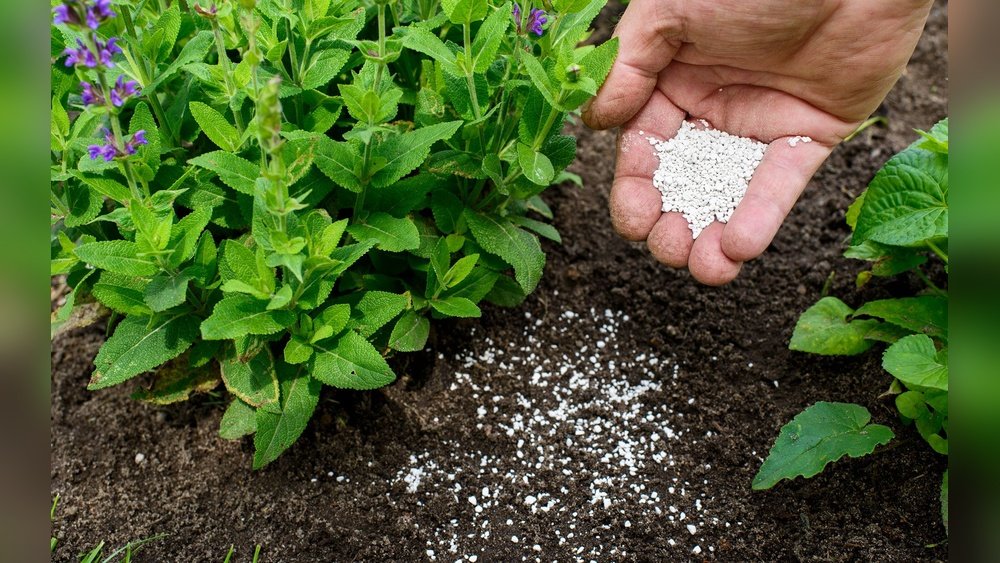
Applying granular fertilizer the right way can make a huge difference in your garden or farm. Many people buy good fertilizer but don’t see great results. Why? Because the method of application matters just as much as the product. If you know how to apply granular fertilizer correctly, you can boost plant growth, improve soil health, and avoid wasting money.
This guide gives you practical steps, tips, and common mistakes to avoid—no matter if you’re a home gardener, landscaper, or working on a large farm.
You’ll also learn how granular fertilizers work, which tools make the job easier, and when is the best time for maximum effect. Along the way, we’ll point out small details that often get missed, like how weather and soil type can change your results.
By the end, you’ll know how to fertilize like a pro, whether you’re growing tomatoes in pots or caring for an entire lawn.
Understanding Granular Fertilizer
Granular fertilizers are solid particles that release nutrients slowly into the soil. They come in different shapes—small pellets, tiny beads, or even coarse grains. Most are designed to feed plants over weeks or months, not just a few days.
Granular fertilizers usually contain key nutrients:
- Nitrogen (N): Helps leaves grow strong and green.
- Phosphorus (P): Promotes root, flower, and fruit growth.
- Potassium (K): Supports general plant health and disease resistance.
Some bags will say “N-P-K” and show numbers like 10-10-10. This means the fertilizer has 10% each of nitrogen, phosphorus, and potassium by weight.
Types Of Granular Fertilizers
There are two main types you’ll see:
- Quick-release: Nutrients become available right after watering or rain. Good for a fast boost but can wash away easily.
- Slow-release: Coated or blended granules break down slowly. They feed plants over a longer period and reduce the risk of burning roots.
Some granular fertilizers include extra elements like magnesium, calcium, or even micronutrients (zinc, boron, iron). Always check the label to match your plants’ needs.
Why Choose Granular Over Liquid Fertilizer?
Granular fertilizers last longer in the soil. They are easy to spread and store. Liquid fertilizers act quickly but need frequent reapplication, making them less convenient for busy gardeners or large areas.
Granular types are especially useful for:
- Lawns
- Flowerbeds
- Trees and shrubs
- Vegetable gardens
Key Factors Before You Apply
Applying fertilizer is not just about tossing granules on the ground. To avoid wasting product and harming your plants, pay attention to these details before you start.
Test Your Soil
The most overlooked step is soil testing. A simple home kit or lab test tells you what nutrients your soil already has. Without this, you might add nutrients your plants don’t need, leading to poor growth or pollution.
A basic soil test will show:
- PH level (acidic or alkaline)
- Current N-P-K values
- Organic matter content
If your soil is already rich in phosphorus, for example, you might choose a fertilizer higher in nitrogen instead.
Know Your Plant’s Needs
Different plants need different nutrients. Lawns love nitrogen, while fruiting vegetables need more phosphorus and potassium. Check plant labels, seed packets, or gardening guides for recommendations.
Understand The Weather And Timing
Apply granular fertilizer when the soil is moist but not waterlogged. Avoid fertilizing before heavy rain—it will wash away nutrients before plants can use them. The best time is usually early morning or late afternoon, not during the hottest part of the day.
Calculate The Right Amount
Too much fertilizer can burn plants or pollute water supplies. Too little won’t help your plants grow. Always read the label for the recommended rate—usually given in pounds per 1,000 square feet or grams per square meter.

Credit: simplelawnsolutions.com
Choosing The Right Granular Fertilizer
Selecting the best fertilizer for your garden or landscape can be confusing. Here’s what to consider to make a smart choice.
Balanced Vs. Specialized Formulas
- Balanced fertilizers (like 10-10-10): Good for most general gardening.
- Specialized fertilizers: Designed for specific plants or uses, such as “lawn starter” (high nitrogen) or “bloom booster” (high phosphorus).
Organic Vs. Synthetic
- Organic granular fertilizers: Made from natural materials like bone meal, composted manure, or feather meal. They release nutrients slowly and improve soil structure.
- Synthetic (inorganic) fertilizers: Chemically manufactured for precise nutrient content. They provide quick results but don’t add organic matter to the soil.
Organic options are often safer for kids and pets, but synthetic types are sometimes more affordable and predictable.
Granule Size And Coating
Larger granules or coated types release nutrients more slowly. Choose these for long-term feeding (lawns, shrubs). Fine particles work faster but need more frequent application.
Example Of Common Granular Fertilizers
| Brand/Product | N-P-K Ratio | Type | Best Use |
|---|---|---|---|
| Osmocote Smart-Release | 14-14-14 | Slow-release, coated | Pots, flowers, vegetables |
| Scotts Turf Builder | 32-0-4 | Quick-release, synthetic | Lawns |
| Espoma Plant-tone | 5-3-3 | Organic | General garden use |
| Dr. Earth Home Grown | 4-6-3 | Organic | Vegetables, herbs |
Tools For Applying Granular Fertilizer
Using the right tool not only saves time but also ensures even application. Here’s how to choose and use them.
Hand Application
For small gardens, pots, or individual plants, you can apply by hand. Always wear gloves. Sprinkle the granules evenly around the plant’s base, keeping them off leaves and stems to avoid burning.
Drop Spreaders
Drop spreaders deliver fertilizer in a straight, narrow path. They’re great for flowerbeds or small lawns where precision matters.
Broadcast (rotary) Spreaders
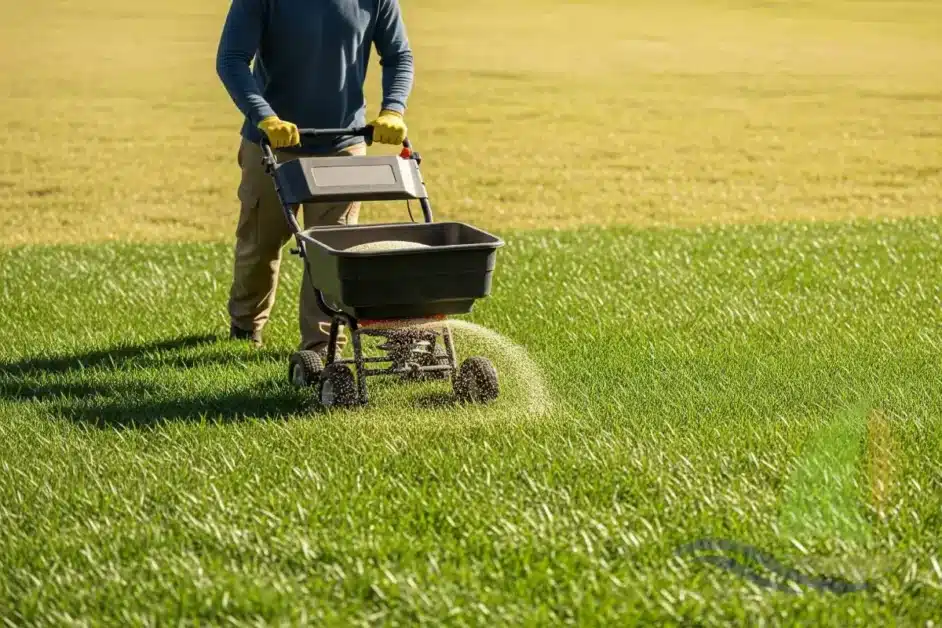
Broadcast spreaders fling granules in a wide pattern. They’re efficient for large lawns or fields. Adjust the setting for your fertilizer type—too open and you’ll waste product, too closed and you’ll miss spots.
Mechanical Applicators
For farms or big landscapes, mechanical spreaders pulled by tractors save time and effort. These tools offer the most control for large-scale use.
Watering Cans Or Hose-end Sprayers
Some granular fertilizers can be mixed with water for “watering in. ” Always check the label before trying this method.
Comparison Of Application Tools
| Tool Type | Best For | Pros | Cons |
|---|---|---|---|
| Hand | Small areas, pots | Simple, no cost | Hard to get even spread |
| Drop Spreader | Flowerbeds, borders | Accurate placement | Slow for large areas |
| Broadcast Spreader | Lawns, big gardens | Fast, covers wide area | Can scatter beyond target |
| Mechanical Applicator | Farms, large fields | Efficient, adjustable | Expensive, needs training |
Credit: yarafert.com
Step-by-step: How To Apply Granular Fertilizer
Applying granular fertilizer the right way is not complicated, but each step matters. Here’s a practical guide:
1. Read The Product Label
Every fertilizer brand has its own instructions. Look for:
- Application rate (amount per area)
- Safety warnings
- Best timing
- Whether to water before or after application
2. Measure Your Area
Know how much space you need to cover. Use a measuring tape or step it off (one large step ≈ 3 feet). Multiply length by width for square feet or meters.
3. Calculate The Correct Amount
If the label says 1 pound per 1,000 square feet and your lawn is 2,000 square feet, you’ll need 2 pounds. Don’t guess—overuse can damage plants and the environment.
4. Prepare The Soil
Remove weeds and debris. Lightly rake the soil for gardens, or mow the grass for lawns (but don’t scalp it). Moist soil helps granules start breaking down, but avoid soggy ground.
5. Apply Evenly
- If using a spreader, set it to the recommended setting.
- Start at the edge and work in straight lines.
- Overlap slightly to avoid missing spots, but don’t double-apply.
- For hand application, sprinkle granules around each plant, not directly touching stems or trunks.
6. Water In
Most granular fertilizers need water to start releasing nutrients. Water the area gently but deeply. This helps granules dissolve and move into the root zone.
Pro tip: Never apply before heavy rain. It will wash away fertilizer, wasting your money and harming local waterways.
7. Clean Up
Sweep fertilizer off sidewalks, driveways, and patios. Granules left on hard surfaces can run off into drains and pollute water.
8. Store Leftovers Safely
Seal the bag tightly and store it in a dry, cool place—away from kids and pets.
Step-by-step Example: Fertilizing A 1,000 Square Foot Lawn
- Measure your lawn (e.g., 25 feet x 40 feet = 1,000 sq. Ft.).
- Choose a fertilizer like 24-0-6 (read label for rate, e.g., 4 lbs/1,000 sq. Ft.).
- Set your broadcast spreader to the recommended setting.
- Walk the perimeter, then fill in stripes across the lawn, overlapping slightly.
- Water the area for 20–30 minutes.
- Sweep stray granules back onto the grass.
Best Times To Apply Granular Fertilizer
Timing affects how well fertilizer works. Here’s when to apply for top results:
Lawns
- Early spring (when grass starts growing)
- Late spring or early summer
- Early fall (before grass goes dormant)
For cool-season grasses, avoid hot midsummer applications. For warm-season grasses, fertilize during active growth.
Gardens And Flowerbeds
- Before planting (mix into topsoil)
- Mid-season (as a side-dress when plants are growing fast)
- After harvest (to replenish soil)
Trees And Shrubs
- Early spring for most species
- Some evergreens benefit from fall feeding
Vegetables
- At planting (work into soil)
- Again during flowering or fruiting
Weather Considerations
Avoid fertilizing before heavy rain or during drought. Extreme heat can stress plants, so choose cooler mornings or evenings.
How Weather And Soil Affect Results
Weather and soil type change how fertilizer behaves. Here’s what most people miss:
Rain And Irrigation
A light rain helps granules dissolve, but heavy storms can wash them away. If your area gets sudden downpours, wait until the forecast is clear. On the other hand, dry soil won’t absorb nutrients well. Always water after applying.
Sandy Vs. Clay Soils
- Sandy soils drain fast, so nutrients move through quickly. Use slow-release types and smaller, more frequent applications.
- Clay soils hold water and nutrients longer. Use balanced fertilizer and be careful not to over-apply—roots can burn.
Mulch
Granular fertilizer should go on the soil, not on top of mulch. Pull mulch back, apply granules, then replace the mulch.
Common Mistakes And How To Avoid Them
Even experienced gardeners make errors. Watch out for these common problems:
- Applying too much: More is not better. Over-fertilizing burns plants, weakens roots, and pollutes the environment.
- Not watering in: Granules left dry on the soil won’t feed your plants.
- Spilling on hard surfaces: Fertilizer on driveways or sidewalks washes into storm drains. Always sweep it back into the grass or soil.
- Ignoring the label: Each product is different. Always follow the instructions for rate and timing.
- Fertilizing stressed plants: Don’t fertilize wilting or heat-stressed plants—they can’t use the nutrients.
- Skipping soil tests: You might add nutrients that are already abundant or lacking.
- Using the wrong N-P-K ratio: Match the fertilizer to your plant’s needs.
- Applying at the wrong time: Fertilize during active growth, not dormancy.
Advanced Tips For Better Results
If you want to go beyond the basics, try these expert tricks:
- Split applications: Instead of one big dose, apply smaller amounts more often. This reduces runoff and keeps nutrients available.
- Side-dressing: For vegetables, sprinkle fertilizer in a narrow band 2–4 inches from the plant stems—never directly at the base.
- Layering: Mix granular fertilizer into the top 2–3 inches of soil for better root access.
- Use buffer strips: If you garden near water, leave a strip of unfertilized ground to catch runoff.
- Track your results: Keep a garden journal. Note what fertilizer you used, when you applied, and how your plants responded.
Environmental Impact And Safety
Proper fertilizer use is good for your garden and the planet. Misuse can lead to serious problems:
- Water pollution: Excess fertilizer runs off into streams and lakes, causing algae blooms and harming fish.
- Soil health: Overuse can kill beneficial microbes or change the soil’s natural balance.
- Pet and child safety: Store fertilizers safely. Keep kids and pets off newly fertilized areas until watered in.
Always follow local guidelines for fertilizer use—some areas have rules to protect water quality.
For more on environmental safety, check out this resource from the US Environmental Protection Agency.
Troubleshooting: When Plants Don’t Respond
Sometimes, even if you follow all the steps, plants don’t look better. Here’s what might be wrong:
- Wrong fertilizer type: If you use a lawn fertilizer on tomatoes, you might get lots of leaves but few fruits.
- Soil pH out of range: Most plants prefer pH 6.0–7.0. Outside this range, nutrients become unavailable.
- Root problems: Compacted or waterlogged soil can prevent roots from absorbing nutrients.
- Pest or disease issues: Fertilizer can’t fix insect or fungal problems.
If you’re unsure, take a sample of your soil or plant to a local garden center or extension office for advice.
Case Studies And Real-world Examples
Residential Lawn
James in Ohio applied granular fertilizer to his cool-season grass every spring. The first year, he didn’t measure his lawn or use a spreader—he guessed. The grass turned yellow in patches. The next year, he measured, used a broadcast spreader, and watered in after application.
The result? A thick, green lawn with fewer weeds and no bare spots.
Tomato Garden
Maria grew tomatoes in raised beds. She used a 5-10-10 granular fertilizer, mixing it into the soil before planting and side-dressing when flowers appeared. Her harvest doubled compared to the year she used no fertilizer. She also tested her soil, learning it was low in phosphorus.
Commercial Farm
A corn farmer in Iowa switched from one annual application to three split doses using slow-release granular fertilizer. Crop yield went up by 12%, and there was less nutrient runoff into nearby streams.
These cases show how correct application methods make a real difference.
How Granular Fertilizer Compares To Other Types
Granular fertilizer is just one way to feed your plants. Here’s how it stacks up against other common options:
| Type | Release Speed | Ease of Use | Best For | Cost |
|---|---|---|---|---|
| Granular | Slow to moderate | Easy, long-lasting | Lawns, gardens, trees | Moderate |
| Liquid | Fast | Simple for small areas | Containers, quick fixes | Varies |
| Organic (compost, manure) | Very slow | Bulky, needs mixing | Soil improvement, eco-friendly | Low to moderate |
| Foliar spray | Immediate | Needs sprayer | Correcting deficiencies fast | Moderate |
Non-obvious insight: Granular fertilizer works best for slow, steady feeding. But it’s not a “miracle fix”—if your plants are struggling, check for other issues like pests or watering problems.
Frequently Asked Questions
What Happens If I Apply Too Much Granular Fertilizer?
Applying too much can “burn” your plants—roots get damaged, leaves turn brown, and growth stops. Excess fertilizer can also wash into waterways, harming fish and wildlife. Always measure your area and follow the label’s instructions.
Can I Mix Granular Fertilizer Into Water And Use It As A Liquid Feed?
Most granular fertilizers are not designed to dissolve fully in water. Some products are labeled for both soil and liquid use, but many will leave residue and may clog sprayers. Always check the package—if in doubt, use as directed.
How Soon After Applying Granular Fertilizer Can I Let Pets Or Children Play On The Lawn?
Once you’ve watered in the fertilizer and the grass is dry, it’s usually safe for pets and kids. This reduces the risk of skin contact or accidental ingestion. Always read the safety instructions on your fertilizer bag.
Should I Fertilize Before Or After Planting Seeds?
For most gardens, mix granular fertilizer into the soil before planting seeds. This gives new roots access to nutrients right away. For lawns, fertilize after the grass is established—not on bare seed unless the label says it’s safe.
How Do I Know If My Plants Need More Fertilizer?
Look for signs like pale leaves, poor growth, or few flowers/fruits. But don’t jump to conclusions—these can also be caused by watering problems, pests, or disease. A soil test is the best way to know what your plants need.
Applying granular fertilizer correctly isn’t just about following instructions—it’s about understanding your soil, your plants, and the conditions in your garden. With the right approach, you’ll grow stronger, healthier plants while protecting the environment. Remember: measure, apply carefully, and adjust as you learn what works best for your space. Happy gardening!

Credit: yarafert.com