
If you want to keep your yard clean and healthy, you might be surprised to learn that your leaf blower can do more than just blow leaves. Many modern leaf blowers can also act as mulchers, turning piles of leaves into useful mulch for your garden. Using your leaf blower as a mulcher can save you time, reduce yard waste, and help your plants grow better. But to get the most out of this tool, you need to know the right techniques, safety tips, and ways to avoid common mistakes.
Let’s explore how to use a leaf blower as a mulcher, what to look for in a good model, and how to get the best results for your yard. Whether you are new to mulching or want to improve your process, this guide will help you make the most of your leaf blower.
Understanding Leaf Blowers With Mulching Function
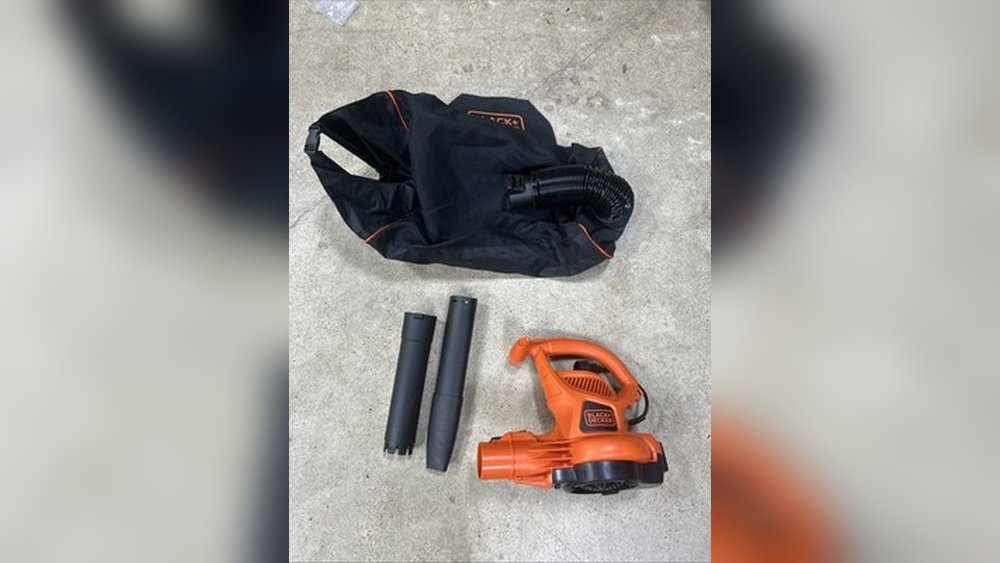
Not all leaf blowers can mulch, so it’s important to know the difference. A leaf blower mulcher is a tool that can suck up leaves and shred them into small pieces before collecting them in a bag. This type of tool is often called a 3-in-1 blower, vacuum, and mulcher.
How Mulching Works
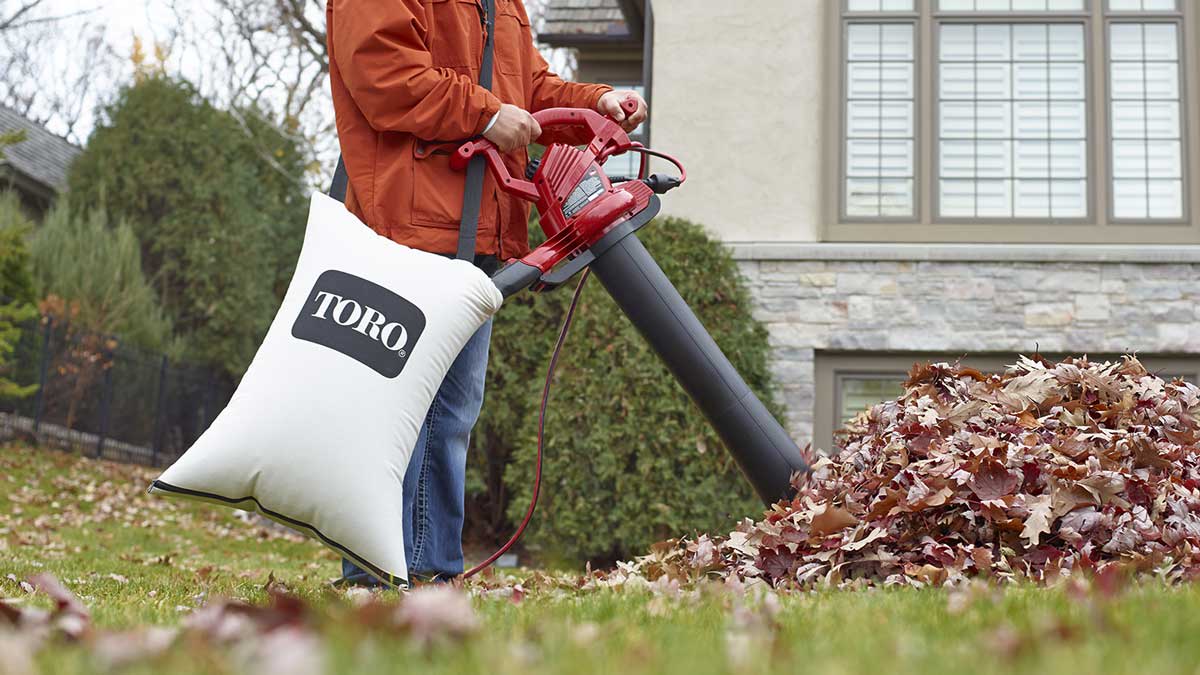
When you switch your blower to vacuum mode, it pulls leaves inside and passes them through a set of blades or impellers. These blades chop the leaves into much smaller pieces. The shredded material is then collected in a bag attached to the blower. The result is lightweight, compact mulch that you can use around your garden.
Why Use Mulch?
Mulch is more than just shredded leaves. It helps:
- Keep soil moist by reducing evaporation
- Stop weeds from growing
- Add nutrients as it breaks down
- Protect plant roots from heat and cold
Many people throw away their leaves, but mulching turns waste into a resource.
Types Of Mulchers
There are two main types of leaf blower mulchers:
- Electric mulchers – lighter, quieter, and easier to start. Best for small to medium yards.
- Gas-powered mulchers – more powerful, suitable for large yards or heavy leaf fall.
Some advanced models even let you adjust the mulching ratio or switch between modes easily.
Choosing The Right Leaf Blower Mulcher
Buying the right tool makes mulching faster and easier. Consider these key features before you buy:
Power Source
- Corded electric: Unlimited run time, but you need a power outlet and extension cord.
- Cordless (battery-powered): Great for small yards, but battery life is limited.
- Gas-powered: Good for large areas, but heavier and noisier.
Mulching Ratio
This ratio shows how much the tool can reduce leaves. For example, a 16:1 ratio means 16 bags of leaves become 1 bag of mulch. Higher ratios are better if you want compact mulch.
Weight And Handling
A lighter tool is easier to carry, especially if you have a lot of ground to cover. Some models have straps or wheels to help with heavy loads.
Collection Bag Capacity
A larger bag means you can work longer without emptying, but it can get heavy. For most people, a 30–50 liter bag is a good balance.
Metal Vs Plastic Blades
Metal impellers last longer and handle tougher debris. Plastic blades are lighter but may wear down faster.
Extra Features
Look for:
- Variable speed controls
- Quick-change switches between blower, vacuum, and mulcher
- Easy-to-empty bags
Price Vs. Value
More expensive models often work faster and last longer. However, for small yards, a basic model may be enough.
Here’s a quick comparison of popular leaf blower types:
| Type | Best For | Mulching Ratio | Noise Level | Weight |
|---|---|---|---|---|
| Corded Electric | Small/Medium Yards | Up to 16:1 | Low | Light |
| Battery-Powered | Small Yards | Up to 10:1 | Low | Very Light |
| Gas-Powered | Large Yards | Up to 18:1 | High | Heavy |
Setting Up Your Leaf Blower For Mulching
Before you start, always read your tool’s manual. Each model is a little different, but the basic setup steps are similar.
Steps To Prepare
- Clear the Area: Pick up sticks, rocks, or trash. These can damage the blades.
- Attach the Mulching/Vacuum Kit: Some models need you to change tubes or add a bag.
- Check the Bag: Make sure it’s empty and attached securely.
- Wear Safety Gear: Use goggles, gloves, and ear protection.
- Set the Power: If your blower has speed settings, start low and increase as needed.
Safety Precautions
- Never put hands near the intake or blades.
- Do not use the mulcher when the ground is wet or muddy.
- Keep pets and children away from the work area.
Using the right setup prevents accidents and protects your tool.
How To Use Leaf Blower As A Mulcher: Step-by-step Guide
Once your blower is ready, follow these steps for efficient mulching:
1. Collect Leaves Into Piles
Blow leaves into small piles first. This makes vacuuming easier and prevents overloading the machine. Try to keep piles dry and free of large sticks.
2. Switch To Mulching Mode
Change your tool from blower to vacuum/mulch mode. This usually means attaching a suction tube and collection bag.
3. Start Mulching
Hold the intake over the pile and slowly move it across the leaves. Let the tool suck up leaves at its own pace. Forcing too many at once can clog the blades.
4. Check The Bag Often
Empty the bag before it’s completely full. A heavy bag is hard to carry and may tear.
5. Spread Or Store The Mulch
You can:
- Spread fresh mulch around trees, flower beds, and gardens
- Store mulch in bags or bins for later use
6. Clean Your Tool
After you finish, turn off the blower and unplug or remove the battery. Clean out any stuck leaves or dirt.
Practical tip: If leaves are damp, let them dry for a day before mulching. Wet leaves can clog the tool and produce uneven mulch.
15 Essential Tips For Better Mulching Results
Getting great mulch isn’t just about using the tool. Here are key tips to help you mulch like a pro:
1. Use Dry Leaves
Wet leaves stick together and can jam your mulcher.
2. Work In Small Batches
Large piles can choke the intake. Tackle a little at a time.
3. Avoid Non-leaf Debris
Stones, sticks, and pine cones damage blades.
4. Clean Intake Regularly
Stop and clear debris every 15–20 minutes.
5. Don’t Overfill The Bag
Heavy bags strain your back and can split.
6. Use Mulch Right Away
Fresh mulch is best for moisture retention.
7. Mix Leaf Types
Combining different leaves makes richer mulch.
8. Sharpen Or Replace Blades
Dull blades make uneven mulch and stress the motor.
9. Check Mulching Ratio
Higher ratios save space but may need more power.
10. Store Mulch Properly
Keep extra mulch dry in a covered bin.
11. Mulch In Layers
Spread 2–3 inches around plants for best results.
12. Adjust Speed For Control
Slow speed is better for thick piles.
13. Watch For Clogs
If suction drops, check for blockages.
14. Rest The Motor
Run the tool for 20–30 minutes, then let it cool.
15. Follow Maintenance Schedules
Oil, clean, and check your mulcher as the manual suggests.
Common Mistakes To Avoid
Even experienced gardeners sometimes make simple errors. Here are some to watch out for:
Mulching Wet Leaves
Wet leaves clog the intake and may form a slimy mess. Always mulch when leaves are dry.
Ignoring Safety Gear
Skipping goggles or gloves can lead to injuries from flying debris.
Overloading The Bag
This strains both the tool and your back. Empty often, especially with heavy leaves.
Forgetting To Clean After Use
Leftover leaves can rot and damage the machine. A quick clean-up extends tool life.
Using The Wrong Tool For The Job
A small, battery-powered mulcher may not handle large yards or heavy fall. Choose your tool based on yard size and leaf volume.
Credit: www.consumerreports.org
The Science Behind Leaf Mulching
Mulching does more than just make cleanup easier. Here’s why it’s smart for your yard and the environment.
Reduces Landfill Waste
According to the U.S. Environmental Protection Agency, leaves and yard waste make up over 13% of solid municipal waste. Mulching at home keeps this out of landfills.
Improves Soil Health
As mulch breaks down, it returns nutrients to the soil. This means less need for chemical fertilizers.
Saves Water
A layer of mulch helps soil hold water longer. Studies show that mulched gardens can use up to 25% less water in hot weather.
Controls Weeds
Mulch blocks sunlight, making it harder for weeds to grow.
Provides Winter Protection
Mulch acts like a blanket, keeping roots warmer in cold months and cooler in summer.
When Not To Mulch Leaves
There are a few times when mulching is not the best option:
- Disease or Pest Infestation: If your leaves have signs of fungus or insects, don’t mulch them. This can spread problems.
- Thick Layers: Never pile mulch more than 4 inches deep. Too much can suffocate roots.
- Allergies: Some people are allergic to leaf dust. Wear a mask if needed.
If you’re unsure, compost questionable leaves separately before using as mulch.

Credit: www.ebay.com
How Leaf Mulchers Compare To Other Mulching Methods
You might wonder if a leaf blower mulcher is the best way to make mulch. Here’s a comparison of common methods:
| Method | Speed | Effort | Quality of Mulch | Cost |
|---|---|---|---|---|
| Leaf Blower Mulcher | Fast | Low | Fine | Medium |
| Lawn Mower with Mulching Blade | Medium | Medium | Medium | Low |
| Manual Raking and Bagging | Slow | High | Coarse | Low |
| Stand-Alone Electric Mulcher | Fast | Medium | Very Fine | High |
A leaf blower mulcher is often the best mix of speed, effort, and mulch quality for most homeowners.
Practical Examples: Real Yard Scenarios
Let’s look at a few real-life examples to show how a leaf blower mulcher works in different situations.
Small Urban Yard
Maria lives in a city townhouse with a small lawn and two trees. She uses a corded electric mulcher. In 30 minutes, she clears all the leaves and spreads the mulch on her flower beds. She never buys mulch from the store.
Medium Suburban Yard
Jorge has a 1/4 acre yard with several maples and oaks. He uses a gas-powered mulcher with a large bag. Each fall, he mulches about 40 bags of leaves into 3–4 bags of mulch, which he stores for spring planting.
Large Rural Property
Pam and Bill have a 2-acre property. They use two tools: a battery-powered blower for light clean-up, and a heavy-duty electric mulcher for big leaf piles. They mix leaf mulch with grass clippings and compost for rich garden soil.
Non-obvious insight: Mixing leaf mulch with grass or wood chips can give your soil a better balance of nutrients.
Maintenance Tips For Your Leaf Blower Mulcher
A well-maintained mulcher lasts longer and works better. Here’s how to keep yours in top shape:
Cleaning
- After each use, unplug and clean out all leaf bits.
- Wipe the blades and bag with a damp cloth.
Blade Care
- Check blades every few weeks for dullness or nicks.
- Sharpen metal blades as needed; replace plastic blades if they wear down.
Motor And Vents
- Keep air vents clear of dust and debris.
- For gas models, change the oil and spark plug as the manual suggests.
Storage
- Store in a dry place, away from rain and sun.
- Hang the tool if possible to avoid bending hoses or tubes.
Seasonal Maintenance
At the end of the season, give your tool a deep clean and check all moving parts. This prevents problems in the next season.
Environmental Benefits Of Mulching Leaves
Mulching is not just good for your garden—it’s good for the planet.
- Reduces landfill use: Less yard waste in trash.
- Saves resources: You don’t need to buy commercial mulch.
- Improves biodiversity: Mulched leaves support soil microbes and earthworms.
- Reduces air pollution: Less burning or transporting of leaves.
Every time you mulch, you are making your yard and your community a bit greener.
How To Use Leaf Mulch In Your Garden
Now that you have fresh leaf mulch, where and how should you use it?
Around Trees
Spread a circle of mulch 2–3 inches deep around the base of trees. Keep mulch a few inches away from the trunk to prevent rot.
In Flower Beds
Mulch keeps flowers moist and stops weeds. Use a thin layer for delicate plants.
In Vegetable Gardens
Wait until the weather is warm, then add mulch between rows. This keeps soil loose and adds nutrients as it breaks down.
On Paths
Mulch can make garden paths soft and mud-free. Thicker layers work best here.
For Composting
If you have too much mulch, mix it with kitchen scraps and grass clippings in a compost bin.
Uncommon tip: Leaf mulch can also be used as bedding for worms in a worm bin, which creates rich vermicompost for your garden.
Advanced Tips: Getting Professional Results
If you want to take your mulching to the next level, try these techniques:
Shred Leaves Twice
For the finest mulch, pass leaves through the mulcher two times. This makes them break down faster.
Blend With Other Materials
Mix leaves with grass clippings, pine needles, or wood chips for a custom mulch blend.
Test Soil Ph
Some leaves, like oak, are more acidic. If you mulch with a lot of oak leaves, check your soil’s pH and add lime if needed.
Mulch All Year
Don’t wait for fall. Use spring and summer leaves, grass, or even garden trimmings.
Use Mulch As Winter Cover
Pile mulch over tender plants in late fall. Remove most of it in spring to let the soil warm up.
Troubleshooting: Fixing Common Mulching Problems
Even good tools have issues sometimes. Here’s how to solve common problems:
Clogged Intake
- Stop and unplug the tool.
- Remove leaves or debris with a stick (never your hands).
- Clean blades if sticky.
Bag Not Filling
- Check for clogs or rips in the bag.
- Make sure the bag is attached correctly.
Poor Suction
- Clean air vents and filters.
- Sharpen or replace dull blades.
Uneven Mulch
- Slow down and move the intake more evenly over the pile.
- Shred leaves a second time if needed.
Strange Noises
- Stop right away. Check for stones or broken blades.
If your tool stops working, check the manual or contact customer service. For advanced repairs, consult a professional.
Leaf Blower Mulcher Safety: What You Must Know
Your safety comes first. Here are some non-negotiable rules:
- Always wear eye protection.
- Use earplugs if your tool is loud.
- Wear gloves to protect your hands from sharp sticks and leaves.
- Never let children operate or play near a running mulcher.
- If you feel tired, take breaks often to prevent accidents.
Pro tip: If you have allergies, wear a dust mask to avoid breathing in leaf particles.
Popular Brands And Models
If you’re shopping for a new leaf blower mulcher, some top brands to consider are:
- Black+Decker: Known for reliable, affordable electric mulchers.
- Toro: Offers models with high mulching ratios and strong motors.
- WORX: Popular for easy-to-use, lightweight designs.
- Greenworks: Good for eco-friendly, battery-powered tools.
- Husqvarna: Durable, pro-level gas-powered options.
Each brand has its strengths. Read reviews and check specs before buying. For more information, see the Wikipedia entry on leaf blowers.
Frequently Asked Questions
What Is The Best Time To Mulch Leaves?
The best time is in the fall, right after most leaves have dropped and before winter rain or snow. However, you can mulch any time you have dry leaves.
Can I Mulch Pine Needles And Other Debris?
Yes, but pine needles break down slower than leaves. Mix them with other mulch for faster decomposition. Avoid large sticks or rocks.
How Often Should I Sharpen Or Replace Mulcher Blades?
Check your blades every few uses. Metal blades can be sharpened with a file; plastic blades should be replaced if worn out or cracked.
Is Leaf Mulch Safe For All Plants?
Most plants love leaf mulch. However, some acid-loving plants (like azaleas) may prefer mulch from specific leaves. Avoid using mulch from diseased or pest-infested leaves.
Will A Leaf Blower Mulcher Work On Wet Leaves?
It is best to avoid wet leaves. They can clog the intake and make the tool work poorly. If you must mulch wet leaves, go slowly and check for clogs often.
Making the most of your leaf blower mulcher is easy with the right approach. Use dry leaves, work in small batches, and keep your tool clean and sharp. With a little practice, you’ll turn yard waste into valuable mulch for a healthier, greener garden.

Credit: www.youtube.com