
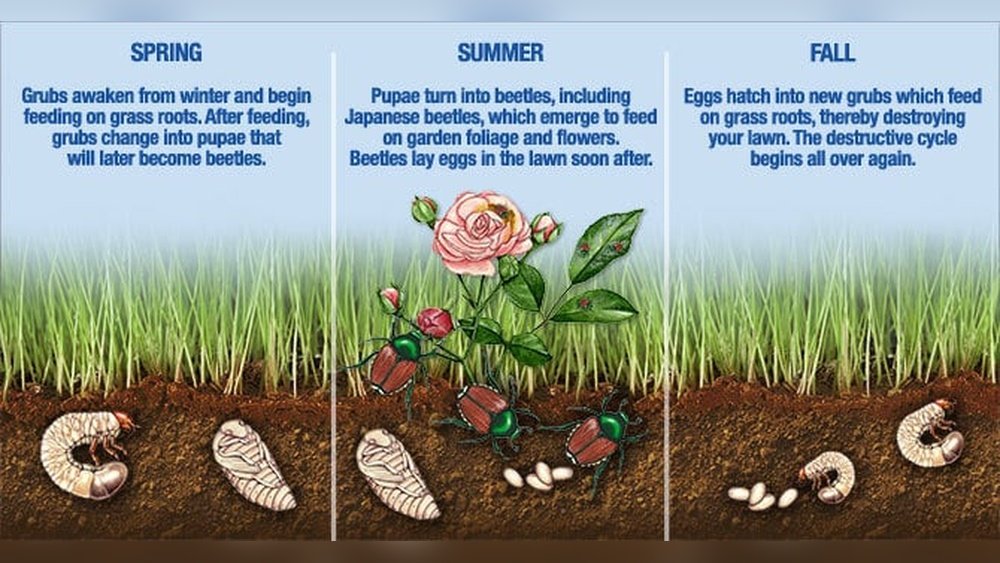
If you’ve ever stepped onto your lawn in summer and noticed brown patches, dying grass, or even holes dug by birds and animals, you might have a grub problem. Grubs are the larval stage of beetles like Japanese beetles and June bugs. These lawn pests live below the soil and feed on grass roots, causing your lawn to weaken and die. Knowing how to apply grub killer to your lawn can save you time, money, and frustration. But doing it the right way is key—many homeowners make simple mistakes that reduce the effectiveness of these products.
This guide will walk you through everything you need to know about applying grub killer to your lawn. You’ll learn how to spot grub damage, choose the right product, prepare your yard, and apply the treatment for the best results. We’ll cover timing, safety, watering, and common pitfalls to avoid. With a little care and knowledge, you can protect your lawn and keep it looking green and healthy all season long.
Understanding Grubs And Lawn Damage
Grubs are white, C-shaped larvae. They live just below the surface and feed mainly on grass roots. Most grubs come from beetles that lay eggs in your lawn during the summer. When these eggs hatch, the larvae start eating, which can lead to several clear signs:
- Brown, wilted patches appear, often in late summer or early fall.
- Grass pulls up easily because roots have been eaten.
- Birds, skunks, or raccoons may dig in your yard searching for grubs.
A healthy lawn can tolerate a few grubs, but if you have more than 10 grubs per square foot, you’ll likely see damage. This is the threshold when action becomes important.
Why Grubs Are A Serious Problem
- Root damage: Grubs cut off the plant’s ability to get water and nutrients.
- Increased weed growth: Bare spots from grub damage make it easier for weeds to invade.
- Secondary pests: Animals digging for grubs can make the damage worse.
Types Of Grub Killers: What To Use And When
Not all grub killers are the same. The right choice depends on when you notice grubs and how severe the problem is. There are two main types:
1. Preventive Grub Killers
These are applied before you see damage, often in late spring or early summer. They use chemicals like imidacloprid or chlorantraniliprole. These products target young grubs and are less effective against mature ones.
- Best for: Annual prevention.
- Timing: Late May to mid-July.
2. Curative Grub Killers
These are applied after you see signs of damage, usually in late summer or early fall. They contain ingredients like carbaryl or trichlorfon that kill grubs quickly.
- Best for: Active infestations.
- Timing: August to September.
Organic And Biological Options
- Milky spore: Targets Japanese beetle grubs. Takes 1-3 years to establish but lasts for years.
- Nematodes: Microscopic worms that attack grubs. Need moist soil and correct timing for best results.
Quick Comparison Of Grub Killer Types
| Type | Main Ingredients | When to Apply | Pros | Cons |
|---|---|---|---|---|
| Preventive | Imidacloprid, Chlorantraniliprole | Late Spring – Early Summer | Long-lasting, stops future outbreaks | Not effective on mature grubs |
| Curative | Carbaryl, Trichlorfon | Late Summer – Early Fall | Kills existing grubs quickly | Short-lived, must reapply if needed |
| Organic | Milky Spore, Nematodes | Varies (usually spring or fall) | Safe for pets and environment | Slower results, more sensitive to conditions |
How To Choose The Right Grub Killer
Think about your lawn’s needs:
- If you’ve had grub problems before, a preventive product each year is smart.
- If you see damage now, use a curative product as soon as possible.
- For eco-friendly lawns or if you have pets and kids, organic options are safer but require patience.
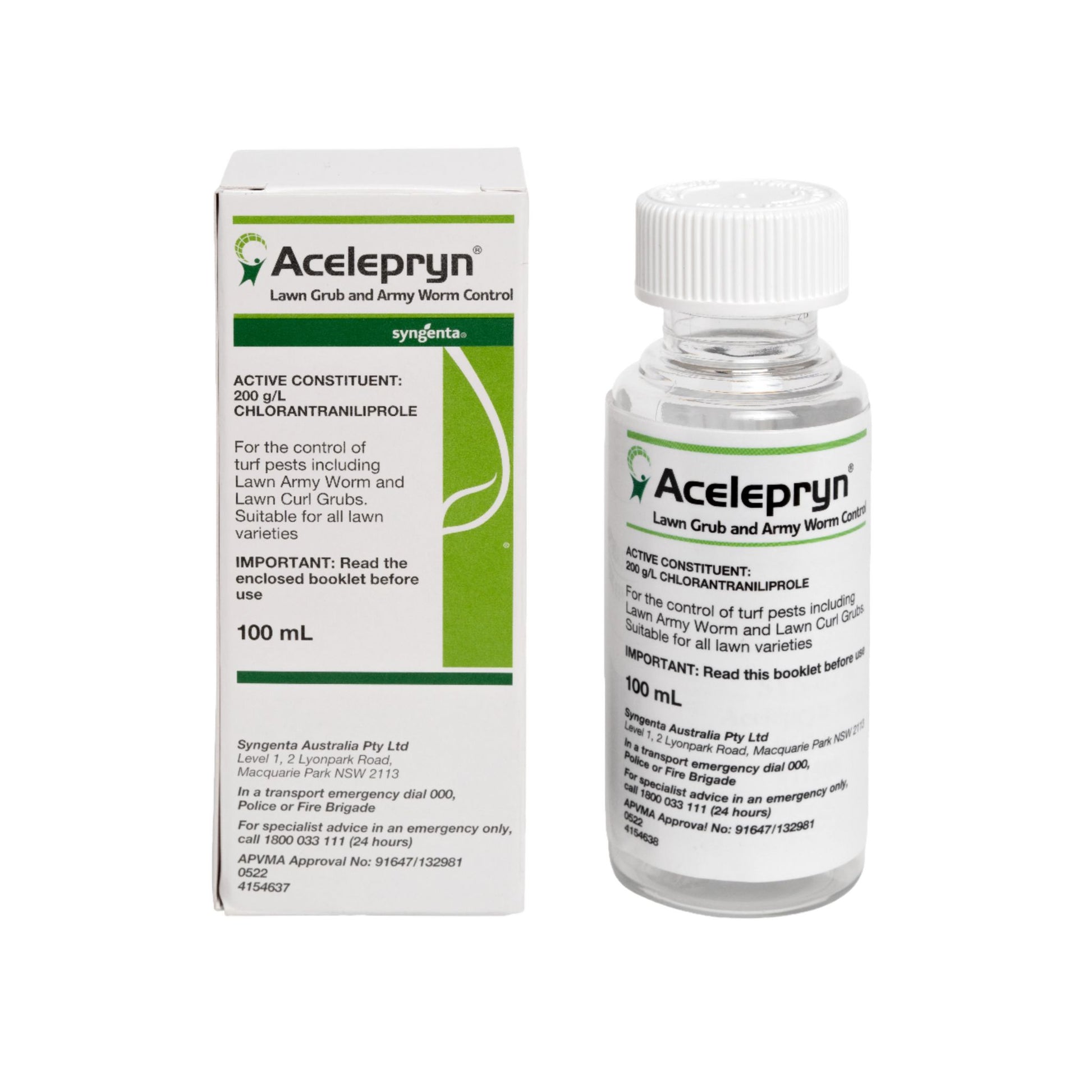
Credit: lawntips.net
When To Apply Grub Killer For Best Results
Timing is everything with grub killer. Applying at the wrong time can waste money and leave your lawn unprotected.
Optimal Application Windows
- Late Spring to Early Summer – Use preventive grub killers when beetles are laying eggs.
- Late Summer to Early Fall – Use curative grub killers if you spot active grubs or lawn damage.
Common Timing Mistakes
- Applying too early: The product may break down before grubs hatch.
- Applying too late: Grubs become large and harder to kill; lawn damage has already happened.
Weather Factors
- Avoid applying before heavy rain—the product can wash away.
- Apply when soil is moist but not soaked, for better absorption.
How To Detect Grub Infestations
Before using any grub killer, make sure grubs are really the problem.
Checking For Grubs
- Cut a 1-foot square of grass about 2–3 inches deep.
- Roll back the turf and count the grubs in the soil.
- More than 10 grubs per square foot means you should treat your lawn.
Other Signs To Watch For
- Grass turns yellow or brown in irregular patches.
- Grass feels spongy when you walk on it.
- Birds or animals dig up your lawn.
Avoiding False Alarms
Some lawn problems look like grub damage but are caused by disease, drought, or pets. Always check the soil before applying chemicals.
Preparing Your Lawn For Grub Killer
Proper preparation is often missed, but it’s key for best results.
Steps To Prepare
- Mow your lawn to a normal height (not too short).
- Remove leaves, sticks, and debris so the grub killer reaches the soil.
- Water the lawn lightly a day before applying. This helps grubs move closer to the surface.
Why Preparation Matters
- Ensures even coverage of the product.
- Makes it easier for the treatment to reach the grubs.
- Reduces waste and environmental impact.
How To Apply Grub Killer: Step-by-step
Each product is different, so always read and follow the label. Here’s a general process to guide you:
1. Choose The Right Equipment
- Granular grub killers: Use a broadcast or drop spreader for even coverage.
- Liquid grub killers: Use a hose-end sprayer or backpack sprayer.
2. Calculate How Much Product You Need
Check the package for recommended rates. Measure your lawn area (length × width) to avoid over- or under-application.
3. Apply The Product Evenly
- For granules: Walk at a steady pace, overlapping slightly to avoid missed spots.
- For liquids: Move in a grid pattern, spraying evenly.
4. Water The Lawn After Application
Most grub killers need to be watered in (about 0. 5 inch of water). This helps move the product into the root zone where grubs live.
- Don’t water too much—heavy soaking can wash the product away.
- If rain is expected, you can let nature do the watering, but watch the forecast.
5. Keep People And Pets Off The Lawn
Wait until the grass is dry and the product has been watered in. Check the label for specific safety instructions.
6. Clean Up Thoroughly
- Sweep any granules off driveways, sidewalks, and patios.
- Wash hands and equipment after use.
Step-by-step Example: Applying Granular Grub Killer
- Mow and clear debris.
- Set your spreader to the correct setting.
- Fill the hopper with grub killer granules.
- Walk the lawn in straight lines, overlapping each pass.
- Water the lawn for 15-30 minutes.
- Keep children and pets away for 24 hours or as advised.
Common Mistakes To Avoid
- Skipping watering after application.
- Using too much or too little product.
- Applying on windy days—product can blow away.
- Ignoring the label—every brand is different.
Watering: Before And After Application
Water is essential for grub killer to work well, but timing and amount are important.
Watering Before Application
- Light watering brings grubs closer to the surface.
- Avoid soggy soil—just enough to moisten.
Watering After Application
- For most products, 0.5 inch of water is ideal.
- Wait for the product to settle before mowing again.
How To Measure Water
- Place an empty tuna can on your lawn.
- Water until the can is half full (about 0.5 inch).
What If It Rains?
- Light rain after application is usually fine.
- Heavy rain can wash away the product—try to apply when the forecast is clear for 24 hours.
Safety Tips When Using Grub Killer
Grub killers are chemicals and need careful handling.
Personal Safety
- Wear gloves, long sleeves, and closed shoes.
- Avoid touching your face or eyes.
- Wash hands after use.
Protecting Kids And Pets
- Keep everyone off the lawn until the product is watered in and dry.
- Store leftover products safely, out of reach.
Environmental Safety
- Don’t apply near ponds, streams, or storm drains.
- Sweep up spills from hard surfaces.
- Use only as much as needed—avoid over-application.
Reading The Label
Every product is different. The label tells you:
- How much to use
- When and how to apply
- Safety and first aid steps
Never skip this step, even if you’ve used similar products before.
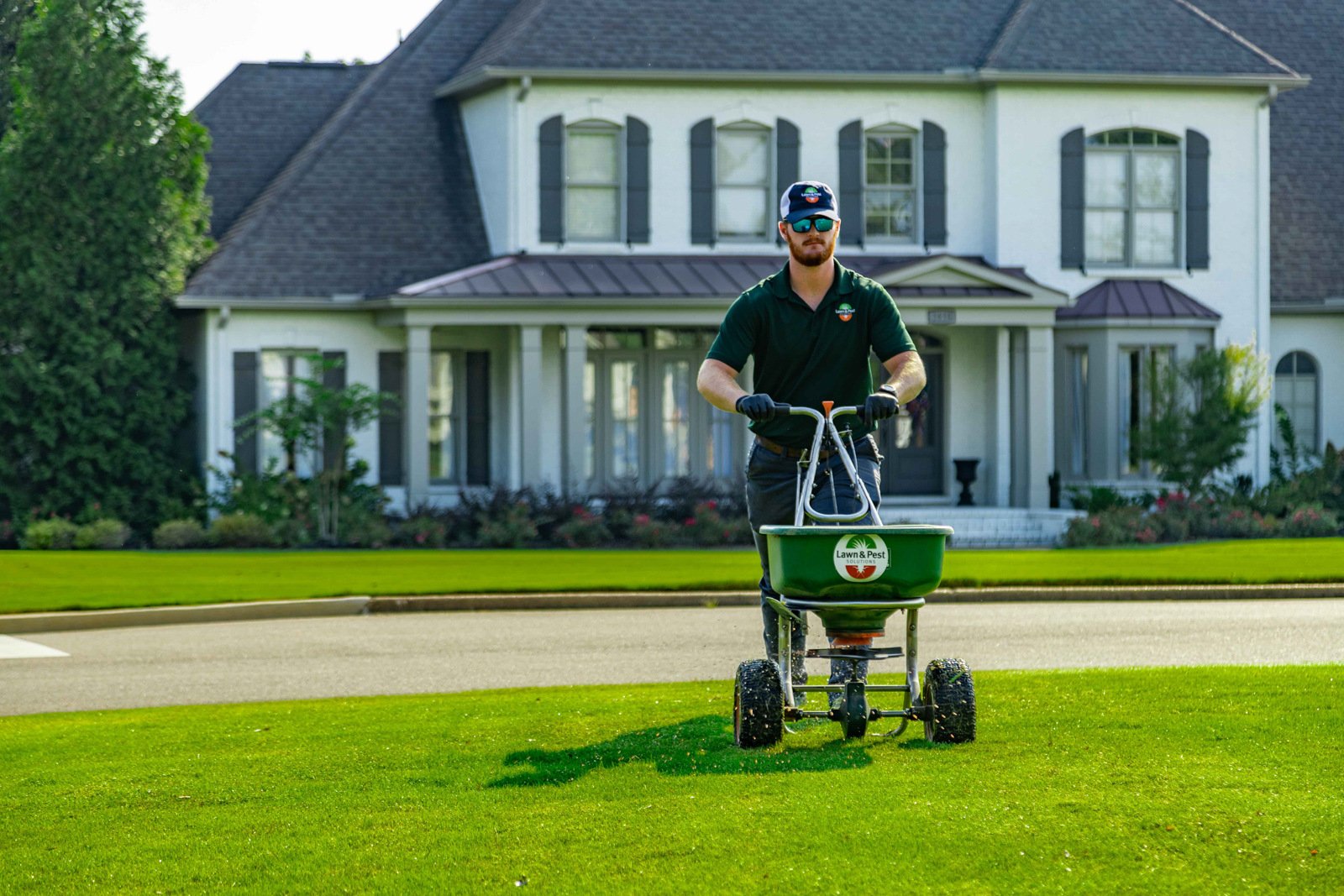
Credit: www.lawnandpest.net
Grub Killer And Lawn Care: What To Expect
After treating your lawn, it may take a few days to a few weeks to see results. Here’s what usually happens:
Visible Changes
- If grubs were causing damage, you’ll notice less brown grass and fewer animal diggings within 2–3 weeks.
- Grass may start to recover, but dead patches may need reseeding.
When To Reseed
- Wait 2–4 weeks after treatment before reseeding bare spots.
- This allows chemicals to break down and new roots to grow safely.
Fertilizing After Grub Killer
- Wait at least a week before fertilizing.
- Too much at once can stress the lawn.
Table: Timeline Of Lawn Recovery After Grub Treatment
| Time After Application | What to Expect | >
|---|---|
| 1-2 Days | Product starts working, but no visible change yet |
| 1-2 Weeks | Grubs die off, less animal digging, grass stops worsening |
| 3-4 Weeks | Grass begins to recover, brown spots may improve |
| 4+ Weeks | Safe to reseed, fertilize, and resume full lawn care |
Mistakes To Avoid When Applying Grub Killer
Many homeowners lose money and time by making simple errors. Here are common mistakes and how to avoid them:
1. Not Confirming Grub Presence
Applying chemicals without checking for grubs can harm beneficial insects and waste money.
2. Wrong Timing
Too early or too late applications don’t work well. Stick to the recommended windows.
3. Uneven Application
Missing spots or overlapping too much can lead to patchy control.
4. Skipping Watering
This is the most common error. Without water, the product won’t reach grubs.
5. Overuse
More is not better—over-application can damage your lawn and pollute groundwater.
6. Not Reading Labels
Every product is different. Always read and follow instructions.
7. Ignoring Environmental Impact
Keep chemicals away from water sources and non-target plants.

Credit: lawntips.net
Comparing Popular Grub Killer Brands
With so many choices, how do you pick the right one? Here’s a look at some top brands and their features.
| Brand/Product | Type | Active Ingredient | Application Method | Coverage (sq ft) |
|---|---|---|---|---|
| Scotts GrubEx | Preventive | Chlorantraniliprole | Granular | 5,000 |
| Bayer 24-Hr Grub Killer Plus | Curative | Trichlorfon | Granular | 5,000 |
| Safer Brand Grub Killer | Organic | Nematodes | Liquid | 3,200 |
| Milky Spore | Organic | Bacillus popilliae | Powder | 2,500 |
What Really Matters When Choosing
- Active ingredient: Make sure it matches your needs (preventive or curative).
- Application method: Choose what’s easiest for you (granular for large lawns, liquid for smaller spaces).
- Coverage: Check your lawn size and buy the right amount.
- Safety: Consider kids, pets, and local regulations.
Tips For Long-term Grub Control
Killing grubs once may not solve the problem forever. Here are ways to keep your lawn grub-free year after year.
1. Maintain Healthy Grass
Thick, healthy grass is less likely to get severe damage. Fertilize, mow, and water properly.
2. Use Preventive Treatments Each Year
If you’ve had grub problems before, preventive grub killers in spring or early summer can stop outbreaks.
3. Encourage Natural Predators
Birds, beneficial nematodes, and other insects help control grub populations naturally.
4. Avoid Overwatering
Grubs like moist soil. Water only when needed and let the lawn dry between watering.
5. Rotate Products
Switch between different active ingredients to prevent resistance.
6. Monitor Regularly
Check your lawn each summer and fall. Early detection is easier to fix.
Grub Killers And The Environment
Many people worry about chemical use on their lawns. Here’s what you should know:
- Some grub killers can harm beneficial insects like bees and earthworms.
- Only treat areas that need it—spot-treat instead of blanket applications.
- Organic options are safer but require patience and careful application.
For more on lawn chemicals and safety, see the EPA’s lawn care advice at EPA Lawn and Garden Safety.
Frequently Asked Questions
How Often Should I Apply Grub Killer To My Lawn?
Most preventive grub killers only need to be applied once per year, usually in late spring or early summer. Curative products should be used only when you detect a problem. Over-application is not recommended and can harm your lawn.
Can I Use Grub Killer If I Have Pets Or Children?
Yes, but always follow the product’s safety instructions. Most products are safe after watering in and letting the lawn dry. Organic options like milky spore and nematodes are safest for pets and kids.
Will Grub Killer Hurt Earthworms Or Other Beneficial Insects?
Some chemical grub killers can affect earthworms and pollinators. Organic options and spot treatments are less risky. Always apply only where grubs are found, and follow label instructions to reduce impact.
How Long Does It Take To See Results After Applying Grub Killer?
Results vary by product, but you can usually expect to see fewer signs of damage in 2–4 weeks. Grass recovery may take longer, especially if the damage was severe.
Can I Reseed Or Fertilize After Using Grub Killer?
Wait at least 2–4 weeks after grub killer application before reseeding or fertilizing. This gives the product time to work and prevents stressing your lawn.
A healthy, green lawn is a point of pride for many homeowners. Grubs are a common but treatable problem. By understanding the signs, choosing the right product, and applying it correctly, you can protect your lawn from damage and enjoy a lush yard all season.
Remember, timing, preparation, and careful application make all the difference. With these tips, you’ll have the tools and knowledge to keep your lawn grub-free for years to come.